Table of Contents >> Show >> Hide
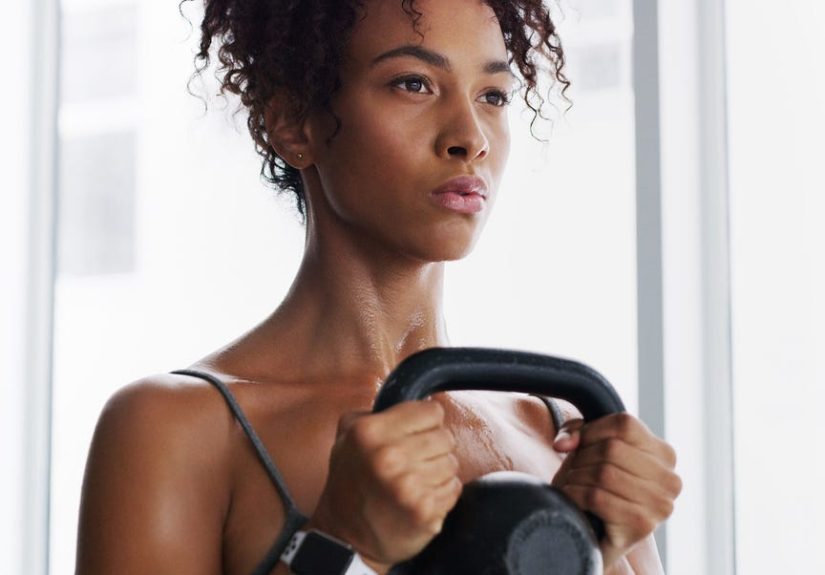
If your workout routine has started to feel like reheated leftovers, a kettlebell may be the spicy upgrade your training needs. This oddly charming cannonball-with-a-handle can help you build strength, improve coordination, challenge your core, and turn a small patch of floor into a full-body gym. Not bad for a piece of equipment that looks like it could also anchor a pirate ship.
The beauty of kettlebell training is that it blends strength and movement. Instead of isolating one muscle at a time, many kettlebell exercises train multiple muscle groups together. That means you are not just lifting weight. You are practicing how to move better, brace harder, hinge properly, squat with control, and carry load the way real life demands. Groceries, stairs, yard work, chasing the dog, lifting luggage into the trunk, and pretending you did not throw your back out picking up a sock all become easier when your body is stronger and more coordinated.
In this guide, you will learn the 10 best kettlebell exercises, how to perform them with solid form, which muscles they target, and how to combine them into an efficient kettlebell workout routine. Whether you are a beginner or someone looking to clean up your technique, this article will help you train smarter, not just sweat louder.
Why Kettlebell Training Works So Well
Kettlebells are effective because they are versatile, compact, and surprisingly demanding in the best possible way. The off-center load forces your body to stabilize differently than with many machines or even some dumbbell movements. Your grip, core, shoulders, hips, and posture all have to cooperate. That makes kettlebell training a fantastic option for full-body strength, conditioning, balance, and movement quality.
Another major advantage is efficiency. A single kettlebell can support deadlifts, squats, presses, carries, rows, hinges, and rotational control work. In other words, you do not need a garage full of equipment or a playlist that screams “beast mode” every 14 seconds. One kettlebell and a little consistency can go a long way.
That said, kettlebells reward good technique and punish sloppy shortcuts. So before you start swinging like you are auditioning for an action movie, get the basics right.
Kettlebell Safety and Form Basics
First, choose a manageable weight. A kettlebell should feel challenging, but it should not turn every repetition into a life negotiation. For beginners, mastering movement patterns matters more than chasing a heavier bell. If your form falls apart halfway through a set, the kettlebell is too heavy, the set is too long, or your ego is doing the programming.
Second, learn the difference between a squat and a hinge. This is the most important concept in kettlebell training. In a squat, the hips move down. In a hinge, the hips move back. Many kettlebell exercises, especially the swing, rely on a clean hip hinge rather than a deep squat. Mix those up, and the exercise becomes less effective and more awkward.
Third, brace your core and keep your spine neutral. You do not need to look like a statue, but you do want your trunk to feel stable. Think ribs stacked over hips, shoulders packed, and neck relaxed. Breathe with intention. Exhale through effort. Do not hold your breath like you are trying to win an underwater contest.
Finally, warm up before training. A few minutes of dynamic movement, hip mobility, shoulder circles, bodyweight squats, and light hinges can help you move better and reduce that stiff, rusty-robot feeling at the start of a session.
The 10 Best Kettlebell Exercises
1. Kettlebell Deadlift
The kettlebell deadlift is the foundation of a smart kettlebell workout routine. If you cannot hinge well, the swing will be messy, the clean will be chaotic, and your lower back may send you a strongly worded complaint. Start with the bell between your feet, push your hips back, grip the handle, brace your core, and stand tall by driving through your feet. Keep the bell close to your body.
This movement targets the glutes, hamstrings, core, and back. It teaches proper hinge mechanics and helps beginners understand how to generate force from the hips instead of yanking with the arms. Common mistake: turning it into a squat and letting the hips drop too low.
2. Two-Handed Kettlebell Swing
The kettlebell swing is the superstar of kettlebell training, but only when done correctly. This is not a front raise. It is not a squat with a flying bell. It is a powerful hip-hinge movement where the hips snap forward and the kettlebell floats to about chest height from momentum. Your arms are guides, not main engines.
The swing lights up the posterior chain, especially the glutes and hamstrings, while also challenging the core and elevating your heart rate. It is one of the most time-efficient kettlebell exercises for building power and conditioning. Common mistake: lifting with the shoulders or squatting the movement instead of hinging.
3. Goblet Squat
The goblet squat is one of the best lower-body kettlebell exercises because it is beginner-friendly, self-correcting, and incredibly useful for improving squat mechanics. Hold the kettlebell by the horns at chest level, keep your elbows close, and sit down between your hips while keeping your chest proud and heels grounded.
This move targets the quads, glutes, core, and upper back. The front-loaded position encourages better posture and core engagement. It is excellent for people who want to improve leg strength without immediately loading a barbell. Common mistake: collapsing the chest or letting the knees cave inward.
4. Reverse Lunge with Kettlebell
The reverse lunge deserves a place on this list because life is rarely symmetrical. Single-leg work helps expose imbalances, improve stability, and build strength that carries into sports and everyday movement. Hold the kettlebell in a goblet position or on one side, step one foot back, lower under control, and drive through the front foot to return to standing.
This exercise trains the quads, glutes, hamstrings, and core while also demanding balance and coordination. Holding the bell on one side creates an anti-rotation challenge for the trunk. Common mistake: rushing the descent or pushing off the back leg instead of driving through the front leg.
5. Single-Arm Kettlebell Row
People love to press, but your shoulders also need strong pulling muscles. The single-arm kettlebell row builds the upper back, lats, rear shoulders, and grip. Hinge at the hips, support yourself with the free hand on a bench or thigh if needed, and row the bell toward your hip instead of flaring the elbow high toward the ceiling.
This movement helps balance pressing work and supports posture. It is also a practical strength builder for everyday tasks like carrying bags, lifting boxes, and generally behaving like a capable human. Common mistake: twisting the torso or shrugging the shoulder toward the ear.
6. Kettlebell Clean
The clean teaches you to move the kettlebell from below the hips into the rack position smoothly and efficiently. A good clean is crisp, controlled, and quiet. A bad clean feels like the kettlebell just punched your forearm. The goal is to guide the bell around the hand, not flip it over like a pancake gone rogue.
The kettlebell clean trains the hips, glutes, core, grip, and upper body coordination. It also sets up other movements like the press and front squat. Common mistake: over-gripping, muscling the bell up with the arm, or letting it crash into the wrist.
7. Kettlebell Overhead Press
The kettlebell overhead press is fantastic for shoulder strength, trunk stability, and upper-body control. Start in the rack position with the wrist neutral and forearm vertical. Brace your core, squeeze your glutes, and press overhead without leaning back like you are trying to limbo under an invisible bar.
The press targets the shoulders, triceps, upper chest, and core. Because the kettlebell sits differently from a dumbbell, it can create a unique stability challenge that teaches better shoulder control. Common mistake: arching the lower back or pressing with a loose, unstable rack position.
8. Kettlebell Halo
The halo may look simple, but it is a sneaky gem for shoulder mobility, upper-back control, and core stability. Hold the kettlebell upside down by the horns and slowly circle it around your head while keeping your ribs down and your torso steady. Move smoothly, not like you are dodging bees.
This exercise is excellent in warm-ups or accessory work. It helps prepare the shoulders for pressing and can improve awareness of head, neck, and upper-back position. Common mistake: flaring the ribs, losing posture, or moving too fast.
9. Turkish Get-Up
The Turkish get-up is the chess match of kettlebell exercises. It trains strength, mobility, coordination, shoulder stability, and body awareness all at once. Starting from the floor, you stand up while keeping the kettlebell locked out overhead, then return to the floor with control. It is not flashy in the usual gym-bro sense, but it is one of the most complete movements you can learn.
This exercise teaches you how to create tension, move in stages, and control your body through multiple positions. Start light. Very light. A shoe balanced on your fist is not a joke here. It is a smart way to learn the sequence before adding load. Common mistake: rushing the transitions and losing sight of the overhead arm position.
10. Farmer Carry
The farmer carry might be the most honest exercise in the room. Pick up a kettlebell, stand tall, and walk with control. That is it. And yet it challenges grip strength, posture, core stability, shoulder packing, and gait mechanics. It also makes you feel absurdly competent, which is a nice bonus.
You can use one kettlebell for a suitcase carry or two for a traditional farmer carry. Either way, the goal is to resist leaning, twisting, and slouching. Common mistake: walking too fast, shrugging the shoulders, or letting the rib cage flare.
How to Build a Kettlebell Workout Routine
A good kettlebell workout routine should include a hinge, a squat, a push, a pull, a carry, and some core-driven stability work. That covers the major movement patterns and gives you a balanced training session. If you are just starting, two or three full-body sessions per week is a practical place to begin.
Here is a simple full-body kettlebell workout routine you can use:
Beginner Kettlebell Workout
Warm-up: 5 minutes of dynamic movement, including hip hinges, bodyweight squats, arm circles, and marching.
Round 1: Kettlebell deadlift x 10 reps
Round 2: Goblet squat x 8 to 10 reps
Round 3: Single-arm row x 8 reps each side
Round 4: Reverse lunge x 6 reps each side
Round 5: Halo x 6 reps each direction
Round 6: Farmer carry x 30 to 45 seconds
Rest 45 to 75 seconds between movements as needed. Complete 2 to 4 rounds.
Intermediate Kettlebell Workout
Warm-up: 5 to 8 minutes
Two-handed swing: 12 to 15 reps
Clean to press: 5 reps each side
Goblet squat: 8 reps
Single-arm row: 8 reps each side
Turkish get-up: 1 to 2 reps each side
Farmer carry: 40 seconds
Complete 3 rounds with controlled rest periods.
The trick is not to cram every move you know into one session. Pick a few high-quality exercises, progress gradually, and leave a rep or two in the tank on most sets. Kettlebells respond well to consistency and crisp technique.
Common Kettlebell Mistakes to Avoid
One common mistake is going too heavy too soon. A heavier kettlebell does not automatically mean a better workout. If the bell controls you, instead of the other way around, technique will suffer.
Another mistake is turning every session into a breathless race. Kettlebell circuits can absolutely challenge your conditioning, but sloppiness is not a training style. Quality still matters. Especially when a chunk of iron is traveling through space near your knees, shoulders, and confidence.
Also, do not skip recovery. Your muscles, connective tissue, grip, and nervous system all need time to adapt. Rest, hydration, sleep, and sensible progression are part of the workout plan, not optional side quests.
What Results Can You Expect?
With regular kettlebell training, many people notice stronger hips and legs, better posture, a more stable core, improved work capacity, and greater confidence with everyday lifting and carrying. Depending on how you structure your sessions, kettlebell workouts can support strength, muscular endurance, fat-loss goals, athletic movement, or a combination of all four.
The biggest payoff often comes from movement quality. You start to hinge better, squat deeper, brace more naturally, and control your body more effectively. That is useful in the gym, but it is even more useful outside it.
Experience-Based Insights: What People Often Notice With Kettlebell Training
One of the most interesting things about kettlebell training is how quickly it changes the way a workout feels. Many beginners expect the arms to do most of the work, especially when they see a kettlebell swing for the first time. Then they try it correctly and realize the movement is driven mostly by the hips and glutes. That moment tends to surprise people. They come in expecting a shoulder exercise and leave realizing their backside has been recruited into active duty.
Another common experience is that kettlebell workouts feel more athletic than machine-based training. Instead of sitting, pushing, resting, and repeating, people often describe kettlebell sessions as more dynamic and engaging. The body has to organize itself. Grip matters. balance matters. Posture matters. Timing matters. It can feel a little messy at first, but once the basics click, the training feels smooth, efficient, and almost rhythmic.
People also tend to notice that kettlebells expose weak links quickly. If your core is not bracing well, you will feel it during carries and presses. If your hips are tight, the goblet squat will reveal that immediately. If your hinge pattern is shaky, the deadlift and swing will make it obvious. This is not a flaw in kettlebell training. It is actually one of its greatest strengths. It gives honest feedback, and honest feedback is useful.
Many exercisers report that short kettlebell workouts feel deceptively challenging. A 20-minute session with swings, squats, rows, and carries can leave you feeling like you did much more than the clock suggests. That is because multiple muscle groups are working together, your heart rate often stays elevated, and rest periods tend to be tighter than in traditional strength programs.
There is also a practical confidence that builds over time. Carrying a kettlebell with good posture, pressing one overhead with control, or standing up from the floor during a Turkish get-up can create a clear sense of progress. These are not abstract numbers on a machine. They are physical skills. People often describe that as more motivating because they can feel the improvement in motion, not just see it in a logbook.
Finally, one of the best long-term experiences with kettlebells is convenience. A lot of people stick with kettlebell training because it fits real life. You do not need much space, you do not need a dozen pieces of equipment, and you can build a powerful routine around just a few dependable moves. For busy adults, that simplicity is not just nice. It is often the reason the routine survives beyond week two.
If you want a training style that is efficient, challenging, skill-based, and surprisingly fun, kettlebells have a lot to offer. They are not magic, and they are not a shortcut. But they are one of the smartest tools you can use to build practical strength with minimal equipment and maximum payoff.
Conclusion
The best kettlebell exercises are the ones that teach your body to move well while getting stronger at the same time. Start with the fundamentals like the deadlift, goblet squat, row, and carry. Add more dynamic movements like swings, cleans, presses, and Turkish get-ups as your technique improves. Keep your form sharp, choose weights you can control, and follow a structured kettlebell workout routine that matches your experience level.
Do that consistently, and your kettlebell will become more than a piece of equipment. It will become your compact little coach, minus the whistle and the motivational yelling.