Table of Contents >> Show >> Hide
- What makes a spring bloomer “landscape-friendly”?
- The 10 best flowering trees and shrubs for spring landscaping
- 1) Eastern Redbud (Cercis canadensis) the “first bloom” hero
- 2) Flowering Dogwood (Cornus florida) classic spring elegance
- 3) Serviceberry (Amelanchier spp.) white blossoms + edible berries
- 4) Flowering Crabapple (Malus spp.) spring flowers with serious staying power
- 5) Star Magnolia (Magnolia stellata) soft fragrance, early drama
- 6) Common Lilac (Syringa vulgaris) fragrance that announces spring
- 7) Forsythia the bright-yellow “spring is here” sign
- 8) Deciduous Azalea (Rhododendron, deciduous types) color that looks custom-designed
- 9) Koreanspice Viburnum (Viburnum carlesii) fragrance with “walk-by” power
- 10) Bridal Wreath Spirea (Spiraea prunifolia) a waterfall of white
- Planting and care tips for bigger spring blooms
- Real-world experiences: what gardeners learn after planting spring bloomers (about )
- Conclusion: Build your spring “main event”
- SEO Tags
Spring landscaping is basically nature’s grand reopeningbuds popping like confetti, pollinators clocking in early, and your yard suddenly looking like it has a social life. If you want that “wow” moment without turning your weekends into a full-time pruning internship, the smartest move is choosing flowering trees and shrubs that reliably bloom in spring, fit your space, and don’t act dramatic the minute the weather changes.
This guide covers 10 flowering trees and shrubs for spring landscaping that are popular across the United States, widely available at nurseries, and proven performers in real-world yards. You’ll get practical growing notes (light, soil, pruning timing), design ideas for where they look best, and specific cultivar examples so you can shop with confidence. Consider this your spring-blooming “short list”the plants that show up, show off, and don’t require a pep talk every March.
What makes a spring bloomer “landscape-friendly”?
Plenty of plants flower in spring. The ones that earn a spot in your landscape do more than just bloom once and disappear like a party guest who never helps clean up. When you’re choosing spring flowering trees and shrubs, look for these traits:
- Reliable flowering: Blooms most years (not only in “perfect” springs).
- Right-size growth: Mature height and width match your space (future-you will be grateful).
- Low-drama care: Reasonable water needs once established and no fussy soil demandsunless it’s worth it.
- Good structure: Attractive shape even when not blooming.
- Multi-season interest: Berries, fall color, fragrance, or interesting bark is a bonus.
The 10 best flowering trees and shrubs for spring landscaping
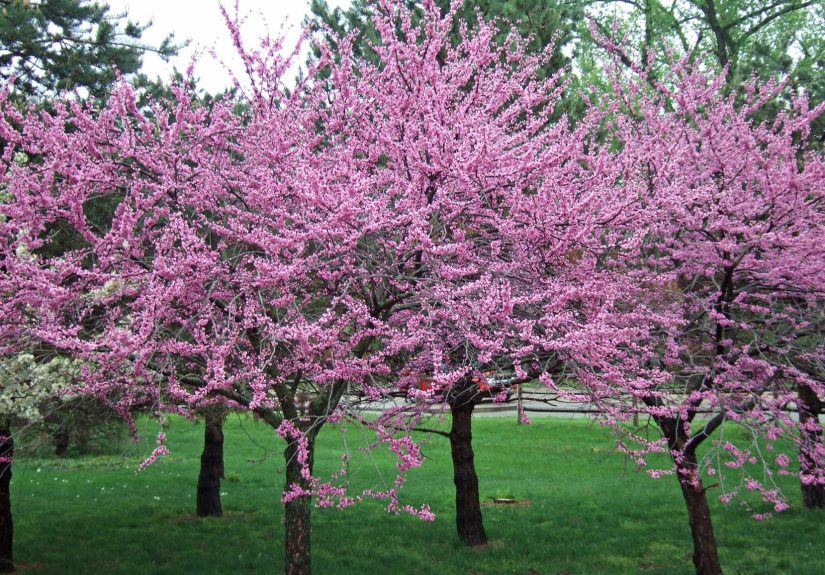
1) Eastern Redbud (Cercis canadensis) the “first bloom” hero
Eastern redbud is often one of the earliest trees to bloom in spring, and it doesn’t do subtle. Pink-to-magenta flowers line bare branches before leaves fully appear, creating that “Is my yard on a magazine cover?” moment. As a small ornamental tree, it’s perfect near patios, front entries, or as a focal point in a mixed bed.
- Best for: Small yards, understory planting, curb appeal upgrades.
- Light: Full sun to partial shade; more sun usually means more blooms.
- Design tip: Pair with early bulbs (daffodils, grape hyacinth) for a layered spring show.
- Cultivar ideas: ‘Forest Pansy’ (purple foliage), ‘Ruby Falls’ (weeping form), ‘Rising Sun’ (warm-toned leaves).
2) Flowering Dogwood (Cornus florida) classic spring elegance
Flowering dogwood is a spring icon: showy “flowers” (actually bracts) in white, pink, or red, plus a graceful branching habit that reads instantly “established landscape.” It tends to do best with morning sun and afternoon shade, especially in warmer regionsthink of it as a tree that likes a sun hat.
- Best for: Woodland edges, filtered shade gardens, front-yard statement planting.
- Light: Full sun to partial shade; avoid harsh, hot afternoon exposure if possible.
- Care note: Consistent moisture and mulched roots help reduce stress.
- Cultivar ideas: ‘Cherokee Princess’ (white), ‘Cherokee Brave’ (pink-red), ‘Appalachian Spring’ (noted for improved disease resistance in many landscapes).
3) Serviceberry (Amelanchier spp.) white blossoms + edible berries
If you want a native-friendly spring bloomer that also feeds birds (and curious humans), serviceberry is a top pick. Early spring brings clusters of delicate white flowers, followed by small berries that resemble blueberries. Many types also deliver impressive fall color, so you’re not investing in a one-season wonder.
- Best for: Naturalistic landscapes, wildlife-friendly yards, small to medium spaces.
- Light: Full sun to part shade.
- Bonus: Great alternative to invasive ornamental pears in many regions.
- Cultivar ideas: ‘Autumn Brilliance’ (strong fall color), ‘Rainbow Pillar’ (narrow/upright for tight spots).
4) Flowering Crabapple (Malus spp.) spring flowers with serious staying power
Crabapples pull double duty: a spring bloom show plus decorative fruit that can hang on into fall or winter, depending on the variety. Modern selections are often bred for improved disease resistance, which matters because a “messy” crabapple can turn into a yearly cleanup subscription you didn’t sign up for.
- Best for: Specimen trees, street-side planting, four-season interest.
- Light: Full sun is ideal for strong flowering and healthier foliage.
- Care note: Choose disease-resistant cultivars when possible and give good airflow.
- Cultivar ideas: ‘Prairifire’, ‘Adirondack’, ‘Royal Raindrops’ (popular options; availability varies by region).
5) Star Magnolia (Magnolia stellata) soft fragrance, early drama
Star magnolia blooms early with starry white (sometimes pink-tinged) flowers and a gentle fragrance that makes you slow down on your way to the mailbox. Because it blooms early, late frosts can sometimes nip budsso site selection matters. Plant it away from low frost pockets, and consider a location with some protection from harsh winds.
- Best for: Front-yard focal points, near walkways, small ornamental tree role.
- Light: Full sun to part shade.
- Soil: Moist but well-drained; mulch helps moderate temperature swings.
- Cultivar idea: ‘Royal Star’ (known for a full bloom display in many landscapes).
6) Common Lilac (Syringa vulgaris) fragrance that announces spring
Lilacs don’t whisper. They broadcast. A healthy lilac in bloom turns a yard into a perfume commercial (the good kind). The key is sunlight and smart pruning: lilacs bloom on old wood, so if you prune at the wrong time, you’re basically deleting next year’s flowers. Think: prune right after bloom, not months later when you suddenly feel productive.
- Best for: Scent lovers, cottage-style landscapes, screening and borders.
- Light: Full sun for best bloom.
- Pruning: Immediately after flowering; remove some older stems over time to refresh growth.
- Cultivar ideas: ‘Sensation’ (bicolor), ‘Miss Kim’ (technically a different lilac species but a great compact option), reblooming series often sold as “Bloomerang” types.
7) Forsythia the bright-yellow “spring is here” sign
Forsythia is one of the earliest shrubs to bloom, and those golden flowers are like a porch light for springsuddenly everything feels possible again. It’s tough, fast-growing, and forgiving, but pruning timing is everything. Like lilacs, forsythia blooms on old wood, so prune right after it finishes flowering if you need to shape it.
- Best for: Early color, hedges, slopes, low-maintenance landscapes.
- Light: Full sun to part shade; more sun usually means heavier bloom.
- Pruning: Immediately after bloom; avoid late-season pruning if you want next year’s flowers.
- Cultivar ideas: Compact selections are great for smaller yards; nurseries often carry “dwarf” or “compact” types.
8) Deciduous Azalea (Rhododendron, deciduous types) color that looks custom-designed
Deciduous azaleas (including many native types and famous hybrid groups) deliver some of the most vivid spring color you can put in a landscapeorange, coral, yellow, pinkoften with a softer, more “glowing” look than many evergreens. They generally prefer moist, well-drained, acidic soil and benefit from filtered shade, especially in hotter climates.
- Best for: Woodland gardens, part-shade beds, high-impact spring color.
- Light: Morning sun with afternoon shade is often ideal.
- Soil: Acidic, organic-rich, well-drained.
- Cultivar ideas: “Exbury” types are widely sold for big spring flower trusses; native selections vary by region.
9) Koreanspice Viburnum (Viburnum carlesii) fragrance with “walk-by” power
Koreanspice viburnum is a shrub you plant near where people actually walkbecause the fragrance is half the point. Pink buds open to white, rounded flower clusters in early spring, and the plant’s rounded shape works beautifully as a foundation shrub or in mixed borders. Many landscapes also get bonus fall color.
- Best for: Entryways, patios, shrub borders, foundation planting.
- Light: Full sun to part shade.
- Design tip: Place it near a path so the scent surprises you (in the best way).
- Cultivar ideas: Compact options like ‘Spice Baby’ can fit tighter spaces while keeping the spring perfume.
10) Bridal Wreath Spirea (Spiraea prunifolia) a waterfall of white
Bridal wreath spirea blooms in spring with loads of small white flowers along arching branches. In full bloom, it looks like the shrub is wearing a lace shawlhence the name. It’s a classic for a reason: it’s easy, it’s showy, and it’s excellent for softening fences and property lines. Like many spring bloomers, it flowers on old wood, so prune after bloom if needed.
- Best for: Mass planting, informal hedges, soft borders, cottage-style gardens.
- Light: Full sun to part shade (full sun often gives the biggest show).
- Pruning: Right after flowering to control size and encourage healthy new growth.
- Style note: Give it room to archforcing it into a tight box shape is like asking a golden retriever to behave at a toddler’s birthday party.
Planting and care tips for bigger spring blooms
Even the best flowering trees for landscaping can underperform if they’re planted in the wrong spot or pruned at the wrong time. Here’s how to get the most flowers with the least regret:
Match the plant to the light you actually have
“Full sun” usually means 6+ hours of direct light. If your yard gets morning sun but strong afternoon heat, prioritize trees and shrubs that tolerate part shade (dogwood, deciduous azalea, viburnum). If you’ve got open sun, lean into bloom machines like lilac, crabapple, and forsythia.
Respect “old wood” bloomers
Many spring flowering shrubs set next year’s buds on last year’s growth (old wood). That means pruning at the wrong time can erase next spring’s flowers. As a rule:
- Prune right after flowering: lilac, forsythia, bridal wreath spirea, many viburnums.
- Go easy on heavy pruning: dogwood and magnolia usually only need minor shaping or deadwood removal.
Don’t “overfeed” the flowers away
Excess nitrogen can push leafy growth at the expense of bloomsespecially with lilacs and other woody ornamentals. If your plants look lush but stingy with flowers, ease up on high-nitrogen fertilizer and focus on compost, mulch, and proper watering.
Plan for grown-up sizes (not the cute nursery version)
Many spring bloomers look politely small in a pot. Then they mature. Fast. Read the tag, give them room, and avoid planting large shrubs directly under windows unless you enjoy the hobby of “constant trimming.”
Design with bloom timing in mind
A spring landscape can have waves of color rather than one quick burst. For example:
- Early: forsythia, star magnolia, redbud
- Mid: dogwood, serviceberry, viburnum
- Late spring: lilac, deciduous azalea, spirea
Real-world experiences: what gardeners learn after planting spring bloomers (about )
Ask a bunch of homeowners what happened after they planted spring flowering shrubs, and you’ll hear the same themesusually delivered with a laugh that sounds suspiciously like “I learned this the hard way.” One of the biggest lessons is that placement beats pampering. People will baby a struggling plant with fancy fertilizer, special potions, and motivational speeches, when the real issue is simpler: it’s planted in the wrong light. A lilac tucked into partial shade may survive, but it often won’t perform like the fragrant spring superstar you imagined. Move it (or plant it right the first time), and suddenly it blooms like it’s trying to win an award.
Another common experience is the “why did I lose all my flowers?” mysteryalmost always solved by one clue: pruning time. Spring bloomers that flower on old wood are famous for making gardeners think they did something terrible, when really they just pruned at the wrong season. A forsythia shaped in late summer can look neat for a few months… and then spring arrives with a big, silent shrug. People who switch to pruning right after bloom tend to report an almost immediate improvement the following year. It’s one of those rare garden fixes that feels like cheating.
Many gardeners also discover that fragrance changes how you use your yard. A Koreanspice viburnum or a lilac planted near a walkway doesn’t just look prettyit becomes a “pause point.” Folks find themselves stepping outside more often in spring, even for tiny errands, just to catch the scent. It sounds dramatic, but it’s real: where you place fragrant shrubs can change your daily routine. Put them by the back fence and you’ll smell them twice a year. Put them near the front steps and you’ll smell them every day you come homeinstant mood upgrade.
Space planning is another big “experience” moment. Small ornamental trees like redbud, serviceberry, and star magnolia are often chosen because they’re “perfect for small yards.” Truebut they still need elbow room. A redbud planted too close to a path can become a shoulder-brusher, and a crabapple crammed between a driveway and a house may end up pruned into a shape that looks like it lost an argument with hedge clippers. Gardeners who measure first and plant second tend to end up with better structure, healthier plants, and fewer awkward future pruning sessions.
There’s also the lesson of spring weather being wildly unserious. Early bloomers like star magnolia can be breathtakinguntil a late cold snap shows up uninvited. People who’ve lived through that tend to become microclimate detectives. They avoid low spots where cold air settles, tuck sensitive bloomers near structures that offer protection, and stop planting “early-blooming drama queens” in the windiest corner of the yard. In other words: they stop setting their plants up for failure.
Finally, many gardeners report a surprising payoff: spring bloomers make landscaping feel finished. Even if the rest of the beds are still waking up, a flowering tree or shrub creates a focal point that makes the whole yard look intentional. It’s like putting on nice shoes with an otherwise basic outfitsuddenly everything looks more put together.
Conclusion: Build your spring “main event”
The best spring landscaping doesn’t rely on one plant doing all the heavy lifting. Combine early bloomers (forsythia, star magnolia, redbud) with mid-season classics (dogwood, serviceberry, viburnum) and late spring stunners (lilac, deciduous azalea, bridal wreath spirea). Plant them where they’ll thrive, prune the old-wood bloomers at the right time, and give everything enough space to grow into its natural shape. Do that, and spring won’t just visit your yardit’ll move in and start redecorating.