Table of Contents >> Show >> Hide
- Why Double Utility Sinks Make So Much Sense
- 10 Genius Double Sink Ideas for Utility Spaces
- 1. The Classic Split-Basin Laundry Sink
- 2. A Double Sink with One Deep Bowl and One Shallow Work Bowl
- 3. The Wall-Mounted Double Station for Small Rooms
- 4. The Stainless Steel Workhorse with a Pull-Down Faucet
- 5. The Cabinet-Base Double Sink with Hidden Storage
- 6. The Farmhouse-Style Double Sink That Softens the Utility Look
- 7. The Mudroom Double Sink for Dirty Shoes and Clean Hands
- 8. The Pet-Wash Companion Sink
- 9. The Garden and Craft Room Hybrid
- 10. The Basement Add-On That Shares Plumbing Smartly
- How to Make a Double Utility Sink Actually Work Well
- The Real-Life Experience of Using a Double Utility Sink
- Final Thoughts
If your current laundry or mudroom sink is basically a glorified bucket with plumbing, we need to talk. A smart double-sink setup can turn a utility room from “where unmatched socks go to reflect” into one of the hardest-working spaces in the house. And no, this is not just about making chores look fancy. A well-planned double utility sink gives you two separate work zones, which means you can soak on one side, rinse on the other, keep dirty jobs away from delicate ones, and finally stop treating the kitchen sink like an unwilling intern.
For this article, “double sinks” includes both true double-basin utility sinks and clever paired sink layouts that function like a dual-station cleanup zone. That matters because utility rooms are not one-size-fits-all. Some need deep basins for stain treatment. Some need a wall-mounted option in a tight footprint. Others need a sink area that can handle muddy cleats, paintbrushes, dog shampoo, flower buckets, and one very dramatic houseplant rescue.
The best designs all share a few traits: they create distinct wet-task zones, minimize splashing, use durable materials, and pair the sink with storage, drying space, and a faucet that actually reaches where you need it to. In other words, they work smarter, not just wetter.
Why Double Utility Sinks Make So Much Sense
A utility sink already earns its keep by handling the jobs your prettier sinks would rather avoid: hand-washing delicates, soaking stained clothes, rinsing mops, cleaning tools, scrubbing sneakers, or washing gardening gear. A double setup improves that formula by separating tasks. One bowl can become the “gross zone” for dirty shoes, pet messes, or paint cleanup, while the second basin stays clean enough for laundry pretreating or hand-washing sweaters that absolutely cannot survive your dryer’s chaos goblin tendencies.
There is also a layout advantage. In many laundry rooms, the sink works best next to the washing machine, creating one unified wet zone for pretreating, soaking, rinsing, and transferring clothes. That saves steps, shortens plumbing runs, and makes the room feel organized instead of accidental. If you have the space, a double sink is one of the easiest ways to make a utility room feel custom instead of purely functional.
10 Genius Double Sink Ideas for Utility Spaces
1. The Classic Split-Basin Laundry Sink
This is the most obvious version, but it is popular for good reason. A true double-basin sink lets you keep one side full of soaking laundry while the other remains open for rinsing, hand-washing, or dumping out a mop bucket. It is the utility-room equivalent of having two cutting boards while cooking: once you have it, going back feels rude.
Choose a model with at least one basin deep enough to contain splashy jobs comfortably. A lower divider is especially helpful because it keeps the sink flexible for larger items while still giving you separation. If your household deals with sports uniforms, cloth diapers, gardening aprons, or craft messes, this setup earns instant hero status.
2. A Double Sink with One Deep Bowl and One Shallow Work Bowl
Not every double sink needs to be evenly split down the middle. One of the smartest layouts is a deeper primary basin paired with a shallower secondary bowl. The deep side handles soaking, bulky rinse jobs, and messy cleanup. The shallow side becomes a fast-rinse station, handwash zone, or spot for stain removers and small tools while you work.
This format is especially useful in family homes because it keeps your main basin free for big jobs without sacrificing a second usable surface. Think of it as utility-room multitasking without the frantic “where do I put this now?” dance.
3. The Wall-Mounted Double Station for Small Rooms
If your laundry room is the size of a determined hallway, a wall-mounted setup can be genius. The beauty of wall-mounted utility sinks is that they preserve floor space and visually lighten the room. In a compact double-station design, you might use a smaller wall-mounted basin paired with a nearby countertop rinse bowl or side utility basin to create the effect of a double sink without swallowing the room whole.
This works especially well in apartments, older homes, and narrow mudrooms where every inch matters. Bonus: the open space below can hold a rolling bin, pet supplies, or a step stool instead of bulky base cabinetry.
4. The Stainless Steel Workhorse with a Pull-Down Faucet
If you want the sink equivalent of a reliable pickup truck, stainless steel is still hard to beat. It is lightweight, durable, easy to clean, resistant to corrosion, and generally unfazed by bleach, heat, or whatever household nonsense arrives next. In a double-sink utility setup, stainless steel feels especially practical because it tolerates heavy use without demanding a lot of pampering.
Pair it with a gooseneck or pull-down faucet so you can reach both bowls easily. That one detail makes a huge difference in daily use. Suddenly, rinsing out the far basin is easy, filling buckets is less awkward, and cleaning the sink itself does not feel like an upper-body workout.
5. The Cabinet-Base Double Sink with Hidden Storage
A freestanding sink cabinet can make a utility room look finished while still doing the gritty work. In a double-sink version, you get the same hardworking cleanup zone plus concealed storage for detergents, stain sprays, gloves, brushes, and all the little bottles that multiply the minute no one is looking.
This design is ideal for homeowners who want function without the exposed-plumbing look. It also helps the room feel less like a basement afterthought and more like an intentional part of the home. If you are aiming for “pretty but practical,” this is your lane.
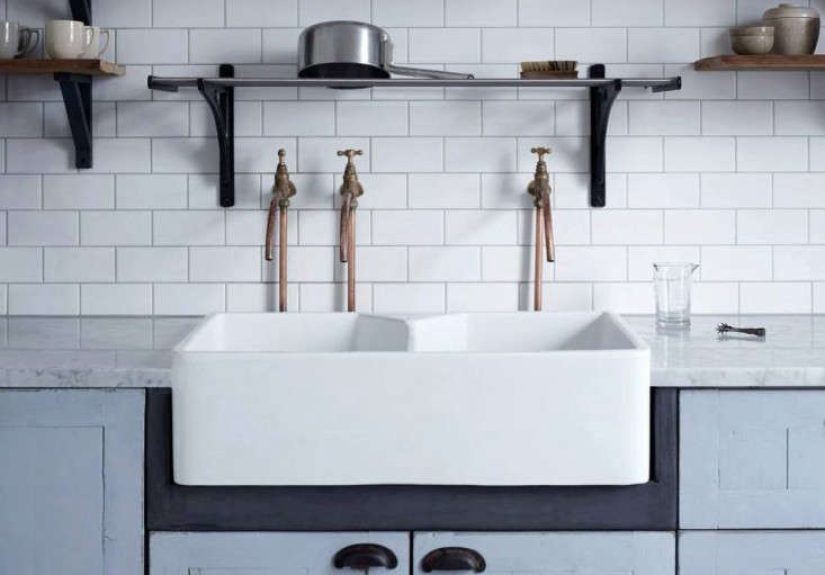
6. The Farmhouse-Style Double Sink That Softens the Utility Look
There is no law saying a utility sink has to look like it belongs in a school janitor closet. A farmhouse-style or apron-front double sink brings warmth, depth, and personality to a hardworking space. It still handles pretreating stains and hand-washing delicates, but it looks polished enough to coexist with nice cabinetry, tile, and lighting.
This is a strong choice for laundry rooms that sit near kitchens, mudrooms, or visible hallways. It keeps the space feeling cohesive with the rest of the house. And if you have ever wanted a chore zone that does not visually apologize for existing, this is a very persuasive upgrade.
7. The Mudroom Double Sink for Dirty Shoes and Clean Hands
Some spaces are not just laundry rooms. They are mudroom, drop zone, pet station, flower bucket depot, and occasional disaster recovery center. A double sink is perfect here. One side can be the grit-and-grime basin for muddy boots, art supplies, or dirty sports gear. The other can remain cleaner for handwashing, quick rinses, or filling a vase without mysterious sediment getting involved.
In this setup, the sink becomes part of a larger utility wall that may include hooks, a bench, prep space, and nearby drying bars. It is especially smart for busy families because it stops outdoor mess at the edge of the house instead of letting it parade into your kitchen.
8. The Pet-Wash Companion Sink
If your dog believes every puddle is a personality trait, a double utility sink can be a sanity saver. One basin can handle pet shampooing tools, brushes, towels, and rinse water, while the second basin stays available for regular household tasks. In larger rooms, this idea can even evolve into a sink-plus-pet-tub pairing that functions like a double cleanup station.
The trick is choosing durable finishes, easy-clean surfaces, and a faucet with reach. Add a nearby hanging rod or drying bar for drip-drying towels, and suddenly the room works harder without looking like a veterinary back room.
9. The Garden and Craft Room Hybrid
Utility sinks shine when they are allowed to do more than laundry. A double setup in a garden or craft-friendly room can separate gentle cleanup from messy materials. Use one side for flower arranging, rinsing planters, or washing harvest baskets. Use the other for handwashing or cleanup that needs cleaner water.
This design is especially smart in mudrooms and flex spaces, where a large sink with prep space pulls double duty for seasonal decor, school projects, paintbrushes, and potting chores. It is basically a permission slip for your utility room to become useful all year long.
10. The Basement Add-On That Shares Plumbing Smartly
If your dream sink location is near the washer in a basement or utility area, you may be able to create a smart double-duty plumbing arrangement. One practical strategy is placing the sink close enough to share infrastructure with the laundry setup, which can simplify installation and make the sink zone more efficient.
This works beautifully when you want a hardworking space for rinsing tools, soaking stained items, and handling workshop messes without trekking upstairs. The result is not glamorous in a red-carpet sense, but in a “wow, I finally have the right place to wash this paint tray” sense, it is downright thrilling.
How to Make a Double Utility Sink Actually Work Well
Prioritize Depth and Splash Control
A utility sink should not behave like a tiny decorative bowl having a hard time. Depth matters. Deeper basins are better for soaking, stain treatment, and messy cleanup because they contain water and reduce splashing. If you scrub a lot, leave enough wall clearance so splashes do not batter your paint, and consider a washable backsplash or durable wall finish nearby.
Choose the Right Material for Your Real Life
Stainless steel is the dependable all-rounder: durable, lightweight, easy to clean, and ready for abuse. Cast iron offers a timeless look and a glossy finish, though it is heavier and can chip if mistreated. Acrylic and plastic options are budget-friendly and common in freestanding laundry setups, but they are not as heat tolerant. Ceramic is highly nonporous and stain resistant, while fireclay brings a premium look with excellent scratch and stain resistance.
The best material is not the most expensive one. It is the one that matches your habits. If you are rinsing bleachy laundry water and dirty tools, stainless may win. If you want a sink that looks beautiful in a visible room, fireclay or cast iron may be worth the splurge.
Add Accessories That Pull Their Weight
The smartest utility sinks often include extras like a built-in washboard, drying rack, utility rack, soaking pan, or integrated accessories that turn the sink into more of a workstation. These are not gimmicks when they match your routine. A rack can hold shoes above the drip line. A pull-out sprayer can blast mud from cleats. A drying bar nearby can hold towels, delicates, or cleaning cloths.
Build Counter and Storage Around the Sink
A great sink gets even better when it is not stranded in empty space. Give it a landing zone for folded items, stain products, or supplies in use. Add cabinetry or shelves if possible. Under-sink storage is especially useful in utility rooms because there is always one more bottle, brush, or cleaning gadget than anyone remembers buying.
The Real-Life Experience of Using a Double Utility Sink
Living with a double utility sink changes the rhythm of a house in small but surprisingly satisfying ways. You notice it first on a rushed weekday. Someone spills coffee on a white shirt. The dog comes in looking like a bog creature. A soccer uniform appears with grass stains that seem emotionally committed to staying put. Instead of choosing which disaster gets sink privileges, you just… handle both. One basin becomes the stain-treatment zone. The other takes the muddy cleanup. Nobody has to wait. Nobody has to rinse dirt where tomorrow’s salad spinner lives. It is a tiny luxury, but it feels bigger than it sounds.
The second thing you notice is how much less gross the rest of the house becomes. The kitchen sink stops being the catchall for every ugly job. Garden clippers, paint trays, muddy vases, mop heads, pet bowls, and grimy shoes all get redirected to the utility room, where they belong. That shift alone makes the main living areas feel cleaner and more civilized. Your kitchen gets to go back to being a kitchen instead of moonlighting as a cleanup center for life’s messiest side quests.
There is also a psychological perk that does not get enough attention: a double utility sink makes chores feel less chaotic. When a room has separate zones, your brain relaxes. One side is for soaking. One side is for rinsing. One side is dirty. One side stays relatively clean. That kind of order sounds boring until you realize how much friction it removes from repetitive tasks. You stop improvising. You stop balancing things on the edge of the washer. You stop muttering, “Okay, where am I supposed to put this now?”
Families tend to love double utility sinks for another reason: they allow parallel use. One person can scrub out a paint cup while someone else hand-washes a sweater. One kid can rinse muddy cleats while another fills a bucket for a science project. In a busy household, that matters. The sink stops being a bottleneck and starts acting like shared infrastructure. Very glamorous? No. Extremely useful? Absolutely.
Even aesthetically, the experience improves when the sink is chosen well. A farmhouse-style double sink can make the laundry room feel like part of the home instead of a leftover utility cave. A stainless steel double basin can bring a crisp, hardworking vibe that feels intentional. Add a decent faucet, a drying rod, and a few cabinets, and the whole room starts to feel less like punishment and more like a workshop for domestic life.
In the long run, that is really the magic of a good double utility sink. It does not just help you wash things. It absorbs chaos. It gives messy jobs a proper address. It separates clean from dirty, delicate from grimy, and urgent from wait-your-turn. And in a house where chores have a sneaky habit of multiplying, that kind of order feels pretty genius.
Final Thoughts
The best double utility sink is not necessarily the biggest or the fanciest. It is the one that matches the way your household actually lives. If your home runs on sports gear, pets, muddy shoes, craft projects, and laundry that loves to create drama, a double-sink setup can be one of the smartest upgrades you make. It creates separate work zones, improves cleanup flow, protects your prettier sinks from ugly jobs, and makes a utility room feel genuinely useful instead of barely adequate.
So yes, a double utility sink may not be the star of your renovation mood board. But once it is installed, do not be surprised if it becomes the hardest-working overachiever in the house.