Table of Contents >> Show >> Hide
- What Makes a Casserole “Healthy” (Without Making It Boring)?
- 10 Healthy Low-Calorie Casserole Recipes
- 1) Creamy Chicken & Broccoli Whole-Wheat Pasta Bake
- 2) Turkey & Black Bean Enchilada Casserole
- 3) Spinach-Artichoke Chicken & Cauliflower Rice Bake
- 4) Zucchini Pizza Casserole
- 5) Sweet Potato & Turkey Shepherd’s Pie Casserole
- 6) Mediterranean Chickpea-Orzo Veggie Bake
- 7) Lighter Tuna Noodle Casserole with Peas
- 8) Mushroom & White Bean “Pot Pie” Casserole (With Phyllo Crunch)
- 9) Veggie-Loaded Egg Bake (Breakfast-for-Dinner Casserole)
- 10) Tex-Mex “Loaded” Cauliflower & Chicken Bake
- How to Keep Any Casserole Low-Cal (Without Losing the Comfort)
- Frequently Asked Questions
- Real-Life Notes From the Casserole Trenches (Experiences & Lessons Learned)
- Conclusion
Casseroles have a reputation: cozy, cheesy, and approximately 12 minutes away from putting you into a food coma.
But here’s the plot twistcasseroles can absolutely be healthy and comforting without turning your calorie budget
into a crime scene. The secret isn’t “sad diet food.” It’s smarter structure: lean protein, tons of vegetables,
a sauce that doesn’t rely on heavy cream, and just enough cheese to make your taste buds feel seen.
In this guide, you’ll get 10 calorie-conscious casseroles that still taste like something you’d proudly serve to
actual humans (including the kind who say, “I don’t do healthy” while eating three brownies).
Most of these land around 250–400 calories per serving depending on portions and brands.
Consider the numbers “realistic estimates,” not magical nutrition spellsalways run your exact ingredients through a nutrition calculator
if you need precision.
What Makes a Casserole “Healthy” (Without Making It Boring)?
- Volume from vegetables: zucchini, cauliflower, broccoli, peppers, mushrooms, leafy greensthese bulk up portions with fewer calories.
- Lean protein in every bite: chicken breast, turkey, tuna, beans, lentils, egg whites, or Greek yogurt-based sauces.
- Smarter starches: whole-wheat pasta, brown rice, quinoa, or strategic swaps like cauliflower rice.
- Flavor first: garlic, onion, citrus, salsa, smoked paprika, Italian seasoning, Dijonbecause “healthy” should never mean “bland.”
- Cheese as a supporting actor: use strong flavors (sharp cheddar, Parmesan, feta) in smaller amounts so it still tastes rich.
10 Healthy Low-Calorie Casserole Recipes
1) Creamy Chicken & Broccoli Whole-Wheat Pasta Bake
Why it’s lighter: A creamy vibe without heavy creamthink Greek yogurt + broth + a sprinkle of Parmesan.
Estimated calories: ~360 per serving
What you’ll use: cooked chicken breast, broccoli florets, whole-wheat rotini, garlic, onion, nonfat Greek yogurt, chicken broth, Parmesan, Dijon, black pepper.
How to make it: Cook pasta to al dente; steam or microwave broccoli until crisp-tender.
Stir yogurt with warm broth (slowly, so it doesn’t curdle), garlic, Dijon, and Parmesan.
Toss everything with chicken, pour into a baking dish, top with a tiny extra sprinkle of cheese, and bake until bubbly.
Pro move: Add a pinch of nutmeg and lemon zestsuddenly it tastes “restaurant,” not “diet.”
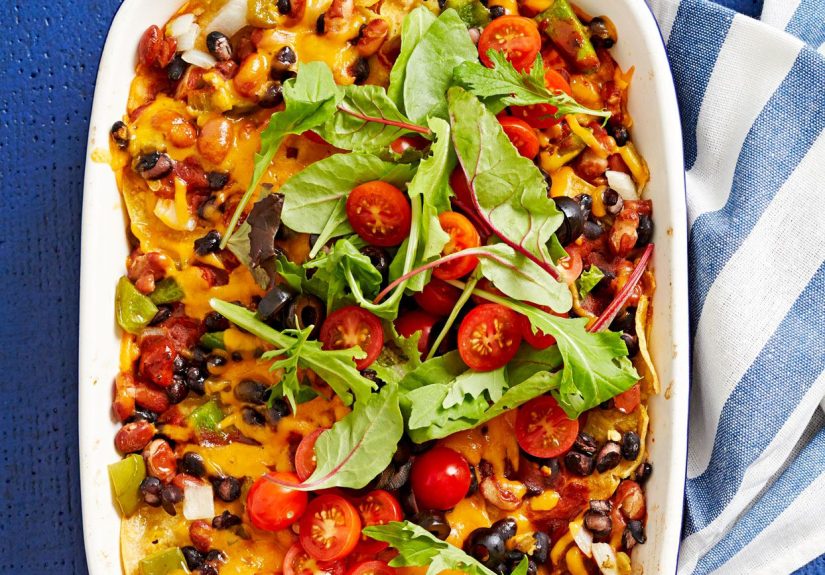
2) Turkey & Black Bean Enchilada Casserole
Why it’s lighter: Lean turkey + beans = high protein and fiber, with tortillas doing “comfort food” duty in controlled amounts.
Estimated calories: ~380 per serving
What you’ll use: lean ground turkey, black beans, salsa (or enchilada sauce), corn tortillas, bell peppers, onions, cumin, chili powder, part-skim shredded cheese, cilantro.
How to make it: Brown turkey with onions, peppers, and spices. Stir in beans and salsa.
Layer tortillas + turkey mixture + a light sprinkle of cheese. Repeat, finish with sauce and a final modest cheese layer.
Bake until hot and melty. Top with cilantro and a spoon of plain Greek yogurt instead of sour cream.
Shortcut: Rotisserie chicken works tooshred it, season it, pretend you “meal-prepped.”
3) Spinach-Artichoke Chicken & Cauliflower Rice Bake
Why it’s lighter: Cauliflower rice replaces most of the starch while keeping that creamy spinach-artichoke comfort.
Estimated calories: ~330 per serving
What you’ll use: cooked chicken, riced cauliflower, spinach, artichoke hearts, garlic, reduced-fat cream cheese (or blended cottage cheese), broth, mozzarella (light), red pepper flakes.
How to make it: Sauté garlic, wilt spinach, then mix with cauliflower rice, chicken, chopped artichokes, and softened cream cheese plus broth.
Spread into a dish, top with a small amount of mozzarella, and bake until lightly browned.
Texture tip: Squeeze moisture from thawed frozen spinachnobody wants “casserole soup.”
4) Zucchini Pizza Casserole
Why it’s lighter: Zucchini stands in for a lot of carbs; marinara and herbs bring big flavor with minimal calories.
Estimated calories: ~290 per serving
What you’ll use: zucchini (sliced), marinara, mushrooms, bell peppers, onion, turkey pepperoni (optional), Italian seasoning, part-skim mozzarella, Parmesan.
How to make it: Salt zucchini slices and let them sit 10 minutes, then blot dry.
Layer zucchini + marinara + veggies + small sprinkles of cheese. Bake until the edges caramelize and the sauce thickens.
Flavor booster: Add fennel seed and chili flakeshello, “pizzeria energy.”
5) Sweet Potato & Turkey Shepherd’s Pie Casserole
Why it’s lighter: Sweet potatoes make a naturally creamy topping with less butter, and turkey keeps it lean.
Estimated calories: ~390 per serving
What you’ll use: lean ground turkey, onion, garlic, carrots, peas, mushrooms, tomato paste, broth, sweet potatoes, salt, pepper, rosemary or thyme.
How to make it: Cook turkey with aromatics and veggies; stir in tomato paste and broth to make a rich, gravy-like filling.
Mash cooked sweet potatoes with a splash of milk and pepper. Spread filling in a dish, top with sweet potato mash, bake until golden.
Make it extra cozy: Dust the top with smoked paprika before baking.
6) Mediterranean Chickpea-Orzo Veggie Bake
Why it’s lighter: Chickpeas bring protein and fiber; a little feta goes a long way for flavor.
Estimated calories: ~370 per serving
What you’ll use: whole-wheat orzo, chickpeas, cherry tomatoes, spinach, artichoke hearts, lemon juice, garlic, oregano, feta (or part-skim mozzarella), parsley.
How to make it: Cook orzo until barely tender.
Toss with chickpeas, veggies, lemon, garlic, and herbs. Bake until tomatoes burst and the top browns slightly.
Finish with fresh parsley and an extra squeeze of lemon.
Bonus: It’s great hot, warm, or coldlike the casserole equivalent of a chill friend.
7) Lighter Tuna Noodle Casserole with Peas
Why it’s lighter: A homemade sauce using broth + milk beats heavy canned soups (and lets you control sodium).
Estimated calories: ~340 per serving
What you’ll use: tuna (in water), whole-grain noodles, peas, onion, celery, garlic, low-fat milk, broth, a little flour (or cornstarch), Dijon, black pepper, breadcrumbs.
How to make it: Sauté onion/celery, whisk in flour, then slowly add milk and broth to thicken.
Stir in tuna, peas, noodles, Dijon, and pepper. Top with a small breadcrumb layer and bake until crisp on top.
Crispy-top hack: Toast breadcrumbs in a skillet with a tiny bit of olive oil first for maximum crunch with minimal extra fat.
8) Mushroom & White Bean “Pot Pie” Casserole (With Phyllo Crunch)
Why it’s lighter: Beans add creamy body; phyllo gives crunch with fewer calories than pastry.
Estimated calories: ~360 per serving
What you’ll use: mushrooms, onions, garlic, carrots, white beans, broth, thyme, a splash of milk, frozen peas, phyllo sheets, olive oil spray.
How to make it: Cook mushrooms until deeply browned (that’s where flavor lives).
Add veggies, beans, and broth; lightly thicken with a splash of milk and simmer.
Pour into a dish, top with a few phyllo sheets lightly sprayed with oil, and bake until shatteringly crisp.
Do not rush: Browning mushrooms properly is basically free flavorand the best low-cal “ingredient” you own.
9) Veggie-Loaded Egg Bake (Breakfast-for-Dinner Casserole)
Why it’s lighter: Eggs/egg whites + vegetables make a high-protein casserole that feels filling without being heavy.
Estimated calories: ~260 per serving
What you’ll use: eggs + egg whites, spinach, peppers, onions, mushrooms, low-fat cheese (optional), salsa or hot sauce, salt/pepper.
How to make it: Sauté watery veggies (mushrooms/onions) first. Whisk eggs with seasoning.
Stir in veggies, pour into a dish, add a light sprinkle of cheese, bake until set.
Serve with salsa like you’re at brunchwithout paying $19 for it.
Meal-prep win: It reheats well and freezes in slices. Future-you will be emotionally moved.
10) Tex-Mex “Loaded” Cauliflower & Chicken Bake
Why it’s lighter: Cauliflower mimics a creamy “loaded” casserole base, while chicken keeps protein high.
Estimated calories: ~320 per serving
What you’ll use: cauliflower florets, cooked chicken, green chiles, Greek yogurt, cumin, smoked paprika, lime, scallions, sharp cheddar (small amount).
How to make it: Steam cauliflower until tender and lightly mash it (rustic is fine).
Mix with chicken, yogurt, chiles, spices, and lime. Top with scallions and a small cheddar sprinkle.
Bake until hot and lightly browned.
Serving idea: Add shredded lettuce and pico on topsuddenly it’s half casserole, half taco bowl, all happiness.
How to Keep Any Casserole Low-Cal (Without Losing the Comfort)
- Use “big flavor, small calories” ingredients: salsa, tomato paste, citrus, vinegar, mustard, spice blends, fresh herbs.
- Choose strong cheeses: sharp cheddar or Parmesan lets you use less and still taste it.
- Thicken sauces smarter: a spoon of flour/cornstarch + broth, or blended cottage cheese, or Greek yogurt (added gently).
- Don’t fear saltmanage it: season in layers, taste as you go, and balance with acid (lemon/lime) instead of adding more cheese.
- Portion like a grown-up: bake in a 9×13, cut into 6–8 pieces, and pair with a salad so the casserole doesn’t carry the entire emotional load.
Frequently Asked Questions
Are these casseroles good for weight loss?
They can be, because they’re designed to be high in protein and/or fiber and lower in calories per serving.
Weight loss still depends on total daily intake, but these dishes make it easier to feel satisfied without going calorie-crazy.
Can I meal-prep these?
Yescasseroles are basically meal prep wearing a cozy sweater. Most keep 3–4 days refrigerated and many freeze well.
For best texture, freeze in individual portions and reheat gently.
How do I stop casseroles from getting watery?
The biggest culprits are zucchini, mushrooms, frozen spinach, and cauliflower. Pre-cook or salt-and-blot watery veggies,
and let casseroles rest 10 minutes after baking so the sauce thickens up instead of sloshing around.
Real-Life Notes From the Casserole Trenches (Experiences & Lessons Learned)
People don’t usually “crave” low-calorie casseroles the way they crave a gooey mac-and-cheese situationuntil they’ve had a good one.
And once you start making them, you learn a few practical lessons that recipe cards don’t always shout from the rooftops.
First: the pan matters. A shallow casserole dish helps moisture evaporate and encourages browning, which is where your brain starts going,
“Wait… this is healthy?” A deeper dish can trap steam and make everything softer. Not ruinedjust less exciting.
Second: low-cal casseroles live or die by seasoning. When you reduce cheese and fatty meats, you’re removing “automatic flavor.”
So you have to replace it with intentional flavor: sauté onions until sweet, toast spices for 30 seconds, use enough garlic,
and finish with something bright like lemon, lime, vinegar, or fresh herbs. It’s not “extra.” It’s the difference between “nice”
and “please don’t talk to me, I’m eating.”
Third: texture is the sneaky key to satisfaction. Crunchy topping? Game-changer. But instead of drowning your casserole in buttery crackers,
you can get crunch with toasted breadcrumbs, a dusting of Parmesan, crushed high-fiber cereal, or phyllo sheets lightly sprayed with oil.
Even roasted veggies on top can create crispy edges. Your mouth likes contrast. Give it some.
Fourth: casseroles are social food. They’re what you bring to a friend who had a baby, what you make when your in-laws visit,
what you bake when you want dinner to quietly handle itself while you do literally anything else. A healthy casserole is even better in these moments
because it doesn’t leave everyone feeling sluggish afterward. You still get the warm, comforting “we ate together” vibebut without the nap requirement.
Fifth: leftovers are where casseroles shine. Many low-cal versions taste even better the next day because flavors mingle and settle in.
The trick is reheating: use the oven or toaster oven when you can (best texture), or microwave with a paper towel on top to reduce sogginess.
If you’re freezing, label portions with the name and date like your future self is a valued employee (because they are).
Lastly: if you’re feeding picky eaters, don’t announce the health upgrades like it’s a press conference. Just call it “chicken broccoli bake”
or “pizza casserole” and let the results speak. The goal isn’t to trick anyoneit’s to normalize meals that are both comforting and balanced.
And when someone goes back for seconds, you’ll know you pulled off the ultimate casserole magic trick: healthy, low-cal, and genuinely delicious.
Conclusion
Low-calorie casseroles aren’t about depriving yourselfthey’re about building smarter comfort food. Load up on vegetables,
anchor the dish with lean protein, keep the sauce creamy with lighter tricks, and use bold seasoning so every bite tastes intentional.
Pick one recipe this week, bake it once, and enjoy leftovers like the brilliant kitchen strategist you are.