Table of Contents >> Show >> Hide
- 1. People think angels are just beautiful humans with wings.
- 2. People think cherubs are cute babies with tiny wings.
- 3. People think angels are always sweet, calming, and emotionally soothing.
- 4. People think good people become angels when they die.
- 5. People think angels belong only to Christianity.
- 6. People think every angel has a name, a personality, and a personalized celestial resume.
- 7. People think guardian angels are understood the same way everywhere.
- 8. People think angels have human gender in the same way humans do.
- 9. People think halos are part of an angel’s standard equipment.
- 10. People think angels exist mainly to make humans feel better.
- Why These Myths Keep Surviving
- Experiences That Keep Angel Myths Alive
- Conclusion
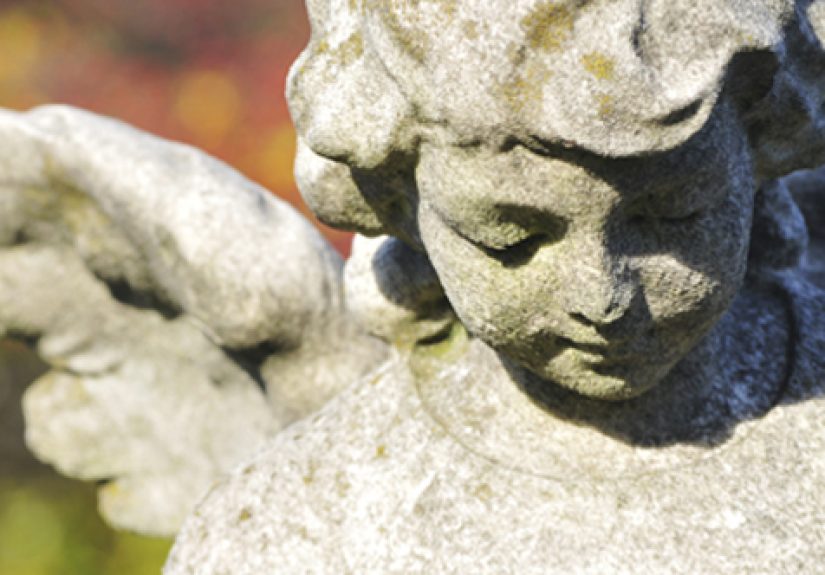
Angels have a branding problem. Somewhere between sacred texts, Renaissance paintings, Christmas pageants, sympathy cards, and movies that hand out halos like party favors, angels got flattened into a single, tidy image: beautiful people with soft wings, perfect hair, and a permanent indoor voice. It is a lovely image. It is also, in many cases, wildly inaccurate.
If you look at Jewish, Christian, and Islamic traditions side by side, a more interesting picture appears. Angels are usually not there to serve as decorative spiritual wallpaper. They are messengers, guardians, worshipers, witnesses, warriors, and agents of divine action. Sometimes they appear human. Sometimes they are described in ways that sound more like living symbols than anything you would want smiling at you from the foot of your bed at 2:13 a.m.
That gap between tradition and pop culture is exactly why the subject is so fascinating. We do not just get angels wrong because we are careless. We get them wrong because art simplified them, language sentimentalized them, and grief made them gentler. So let’s clear the clouds a bit. Here are 10 things people regularly get wrong about angels, and why the real story is far stranger, richer, and more compelling.
1. People think angels are just beautiful humans with wings.
This is probably the biggest angel myth of them all. In popular culture, angels are basically runway models with feathers. In religious texts, that picture falls apart fast.
In many biblical passages, angels do appear in human form. That is part of the reason the stereotype exists. But that is not the whole story. In the Hebrew Bible, some heavenly beings are described in much more dramatic terms. Seraphim in Isaiah are associated with wings and fiery, otherworldly imagery. Cherubim are not merely winged people at all; they are complex throne guardians tied to sacred space. Later descriptions connect cherubim with multiple faces and hybrid features. In other words, the “pretty person with deluxe wings” image is more of a simplification than a definition.
The takeaway is simple: some angels may look human in certain narratives, but the wider tradition refuses to reduce them to glamorous sky-people. The heavenly realm is not a perfume ad.
2. People think cherubs are cute babies with tiny wings.
Ah yes, the famous chubby baby angel: part spiritual messenger, part luxury soap logo. Adorable? Sure. Biblically accurate? Not especially.
The modern cherub owes a lot to later art, especially the Renaissance tradition of putti, those plump little winged children who float around paintings looking like they just stole frosting from the cathedral kitchen. But cherubim in Jewish and Christian scripture are much more imposing. They guard Eden. They flank holy space. They are associated with the divine throne. In prophetic literature, they are not precious nursery décor. They are cosmic security with symbolism turned up to eleven.
So when people say “cherub,” they often mean “cute winged baby.” Traditional sources mean something far closer to “powerful guardian of sacred space.” Quite a difference. One belongs on a Valentine’s card. The other belongs at the edge of paradise with a flaming sword.
3. People think angels are always sweet, calming, and emotionally soothing.
To be fair, angels do sometimes bring comfort. But they also bring the kind of comfort that starts with, “Do not be afraid,” which is usually not a sentence you open with unless the situation has already become extremely alarming.
One recurring feature of angel stories is fear. Human beings often respond to angelic appearances with dread, awe, confusion, or collapse. That reaction makes sense. In traditional texts, angels do not function like scented candles with opinions. They carry divine authority. They interrupt lives. They deliver impossible news. They expose the difference between ordinary reality and a holy reality breaking in.
That is why the sweetest modern angel imagery can miss the point. Angels are not always cozy. They are often overwhelming. The proper emotional vibe is not always “How comforting.” Sometimes it is “I need a moment.”
4. People think good people become angels when they die.
This idea is tender, widespread, and deeply rooted in grief language. It is also not the mainstream teaching of biblical Christianity. Humans and angels are generally treated as distinct created beings, not interchangeable job descriptions.
When someone dies, people often say, “Heaven gained another angel.” The phrase is meant lovingly, and nobody should pretend otherwise. But traditional Christian teaching usually says the dead do not transform into angels. Human destiny is framed differently. In the New Testament, people may be described as being “like angels” in certain respects, such as not marrying in the resurrection, but that is not the same as becoming angels.
Some later traditions and mystical texts do explore unusual transformations, and that is part of what makes angel lore so layered. Still, the mainstream public assumption that every deceased loved one has been promoted to angel status is more sentimental shorthand than settled doctrine.
5. People think angels belong only to Christianity.
This is a classic mistake caused by cultural familiarity. In the United States, many people encounter angels first through Christmas stories, church art, or Christian language. But angels are not exclusive to Christianity.
Judaism has a long and complex angel tradition. The very Hebrew word often translated as “angel” carries the basic meaning of “messenger,” which already tells you something important: function matters more than fluff. Jewish literature expands on angelic roles, names, and hierarchies in ways that shaped later religious imagination.
Islam also places angels at the center of important theological ideas. In Islamic teaching, angels are real beings created by God, associated with revelation, worship, protection, and record-keeping. The angel Jibril, known in English as Gabriel, plays a central role in revelation. Far from being a one-religion concept, angels are woven into several major religious traditions, each with its own emphases.
So no, angels are not a Christianity-only franchise. They have a much bigger footprint.
6. People think every angel has a name, a personality, and a personalized celestial resume.
Popular spirituality loves specifics. We want names, departments, specialties, and maybe a nice laminated chart. But traditional texts are often less chatty than people expect.
In biblical literature, many angels are unnamed. They appear, deliver a message or carry out a task, and move on. Named angels do exist, of course. Michael and Gabriel are especially well known, and Raphael appears in traditions that include the book of Tobit. But the idea that heaven is packed with easily identifiable, highly individualized angels with matching name badges is more developed in later tradition and devotional imagination than in the earliest texts themselves.
This matters because it shifts the focus. The main point of an angel is usually not personal branding. It is mission. An angel is there to do something: announce, guard, warn, praise, interpret, or act. If modern culture has turned angels into collectible characters, older sources often treat them more like living expressions of divine purpose.
7. People think guardian angels are understood the same way everywhere.
Guardian angels may be one of the most beloved ideas in religion, but the details are not universally agreed upon. Different communities handle the idea differently.
In Catholic teaching and devotion, guardian angels hold an important place, and many believers are taught that God assigns angelic care to human beings. In other Christian traditions, the concept may be accepted more cautiously or framed less specifically. Jewish and Islamic traditions also contain ideas about divine protection and angelic involvement, but they do not always map neatly onto the same popular guardian-angel model people know from children’s prayers and framed wall art.
In short, “guardian angel” is not a one-size-fits-all concept. It is better understood as a family of related ideas about divine care, mediation, and protection rather than a universally identical doctrine. That may sound less tidy, but it is far more accurate.
8. People think angels have human gender in the same way humans do.
Modern depictions tend to swing wildly here. Some angels are portrayed as hyper-feminine beings in flowing white gowns. Others look like stern male warriors with jawlines that could split granite. Traditional sources are not nearly that interested in fitting angels into our usual gender boxes.
Yes, many texts use masculine names or grammar for certain angels. Yes, artists often represent angels in human forms shaped by the conventions of their time. But the central concern in religious sources is normally not angel gender. It is angelic function, proximity to the divine, and role in the story. Angels are not presented as ordinary human males or females living ordinary embodied lives.
That is why trying to assign angels a simple human gender identity often says more about our culture than about the texts. The sources are usually less interested in anatomy than in authority, message, holiness, and service.
9. People think halos are part of an angel’s standard equipment.
If you asked a child to draw an angel, there is an excellent chance you would get wings, a robe, and a halo floating above the head like a spiritual Wi-Fi signal. But halos are primarily an artistic convention, not a universal scriptural description.
In Christian art, halos developed as a visual shorthand for holiness, sanctity, and divine association. They help viewers identify sacred figures quickly. Artists used them because paintings need symbols. Texts, however, do not spend much time describing halos as angelic headgear. That glowing ring belongs more to the language of iconography than to the ordinary narrative details of scripture.
So halos are meaningful, but not because angels are all issued one at the heavenly front desk. They are symbols artists used to communicate status, holiness, and presence.
10. People think angels exist mainly to make humans feel better.
This is perhaps the most modern misunderstanding of all. In contemporary culture, angels often function like spiritual mood lighting. They reassure us, validate us, and occasionally seem to serve as cosmic emotional support staff. Traditional sources give them a much wider and more serious job description.
Angels praise God. They deliver revelation. They protect sacred space. They execute judgment. They interpret visions. They record deeds in some traditions. They accompany major turning points in religious history. They are not centered on human comfort, even when they do bring comfort. Their main loyalty is to God and to God’s purposes.
That is what makes angels so arresting. They are not sentimental symbols built around our feelings. They are reminders that reality, in religious thought, is bigger than what we can measure, market, or meme. They do not exist to decorate our imagination. They exist, in traditional belief, to serve the divine will.
Why These Myths Keep Surviving
The modern angel image persists because it is useful. Chubby cherubs soften religion for children. Halos help artists communicate holiness. “She became an angel” gives grief a gentler sentence to say out loud. Even the soft-focus winged stranger from movies and greeting cards has a job: making mystery feel safe.
But something gets lost when all the sharp edges disappear. Traditional angel imagery is not merely sweet. It is strange, vivid, and often unsettling. That strangeness matters. It tells us that angels, in religious tradition, point beyond the ordinary. They are not there to confirm our assumptions. They disrupt them.
And honestly, that version is a lot more interesting. The real angel tradition has more depth than the gift-shop version, more awe than the cartoon version, and far more texture than the standard cloud-and-harp package. If you came here expecting sky interns with feathers, the older sources politely suggest aiming higher.
Experiences That Keep Angel Myths Alive
One reason people keep getting angels wrong is that most of us do not meet angels first in a theology class. We meet them in experiences. We meet them at Christmas, at funerals, in museums, in hospitals, and in the middle of stories people tell when life becomes too strange to explain cleanly.
Take the Christmas pageant experience. For millions of Americans, the first angel they ever see is a child in a bathrobe with tinsel wings and a paper halo that keeps falling over one eyebrow. That memory is charming, funny, and almost impossible to erase. It teaches us, very early, that angels are soft, bright, and manageable. Nobody casts a second grader as a six-winged throne guardian with multiple faces and a terrifying aura of holiness. For obvious reasons, elementary school staging has limits.
Then there is the funeral experience. In moments of grief, people reach instinctively for images that make loss gentler. Saying a loved one has “become an angel” can feel warmer than wrestling with complicated doctrinal language about death, resurrection, or the afterlife. The phrase survives because it comforts. It gives sorrow something tender to hold. Even people who know it is not technically precise may still use it because grief is not a theology exam. It is an ache looking for language.
Museum experiences shape us too. Walk through enough galleries and churches, and angels start to look like elegant figures in flowing robes, surrounded by gold leaf, halos, and strategically dramatic clouds. Art is powerful because it teaches without announcing that it is teaching. After a while, artistic convention begins to feel like historical memory. We forget that painters were interpreting angels, not photographing them.
There is also the close-call experience: the car accident someone somehow walks away from, the stranger who appears at exactly the right time, the moment of protection that feels too perfectly timed to dismiss. People often call these “angel moments.” That language persists because it captures something emotionally true, even when it does not settle every theological detail. Humans are meaning-making creatures. When rescue feels bigger than coincidence, angel language comes rushing in.
Finally, there is the spiritual experience itself. Across traditions, many believers talk about sensing protection, warning, awe, or presence in prayer and worship. These moments rarely arrive dressed like greeting-card angels. They are usually quieter, stranger, and harder to define. Yet they keep the idea of angels alive because they preserve a sense that reality is not exhausted by what we can see. That may be the deepest reason angel stories endure. They speak to the human suspicion that the visible world is not the whole story.
Conclusion
Angels are easy to sentimentalize and hard to simplify. The more closely you look at religious texts and traditions, the more the clichés start falling away. Angels are not just pretty people with feathers. Cherubs are not merely chubby babies. Halos are not standard-issue. Dead humans do not simply turn into angels. And angel traditions are far broader, stranger, and more theologically serious than pop culture usually admits.
That is the good news for curious readers. Once you stop expecting angels to behave like decorative symbols, they become much more interesting. They become messengers of divine reality, signs of sacred mystery, and reminders that religious imagination has always been bigger, wilder, and less domesticated than the cartoon version. In other words, the truth about angels is not less beautiful than the myth. It is just less cuddly and a lot more unforgettable.