Table of Contents >> Show >> Hide
- What Makes a Food a “Superfood” in 2025?
- 1. Berries
- 2. Beans and Lentils
- 3. Dark Leafy Greens
- 4. Cruciferous Vegetables
- 5. Salmon and Sardines
- 6. Greek Yogurt and Kefir
- 7. Walnuts
- 8. Chia, Flax, and Pumpkin Seeds
- 9. Oats
- 10. Avocados
- 11. Mushrooms
- How to Eat More Superfoods Without Making Meals Weird
- Real-Life Experiences: What a Superfood-Focused Week Actually Feels Like
- Final Thoughts
- SEO Tags
If the word superfood makes you picture a glowing berry wearing a cape, you are not entirely alone. Nutritionists, however, tend to use the term a little more soberly. There is no official scientific definition of a superfood, and no single ingredient is going to swoop in, rescue your diet, and hand your body a trophy. But in 2025, dietitians and major nutrition organizations keep circling back to the same kinds of foods: minimally processed, nutrient-dense staples that deliver fiber, healthy fats, protein, antioxidants, and plenty of vitamins and minerals.
That is the real story behind the best superfoods of 2025. They are not mysterious powders with futuristic labels. They are foods you can actually buy, cook, snack on, and repeat without turning your kitchen into a wellness lab. Many of them support heart health, gut health, blood sugar balance, and long-term wellness. Better yet, most are flexible enough to fit a busy weeknight dinner, a desk lunch, or a breakfast you can assemble before your coffee has finished negotiating with your brain.
Below are 11 top superfoods nutritionists keep recommending in 2025, plus simple ways to eat more of them without getting stuck in a rut of sad salads and chia pudding fatigue.
What Makes a Food a “Superfood” in 2025?
In practice, nutritionists are looking for foods that do several useful things at once. The best picks often contain a mix of fiber, beneficial fats, phytonutrients, protein, or live cultures. They also fit into larger evidence-based eating patterns, especially Mediterranean-style and plant-forward diets. In other words, the winning foods of 2025 are not just nutrient-rich on paper. They are the foods that help real people build better meals more consistently.
Another 2025 theme is practicality. Dietitians are talking less about perfection and more about repeatable habits. A bag of frozen berries, a tub of plain yogurt, a can of lentils, or a carton of oats may not sound flashy, but they do a lot of heavy lifting. That matters more than any trendy ingredient with excellent marketing and terrible staying power.
1. Berries
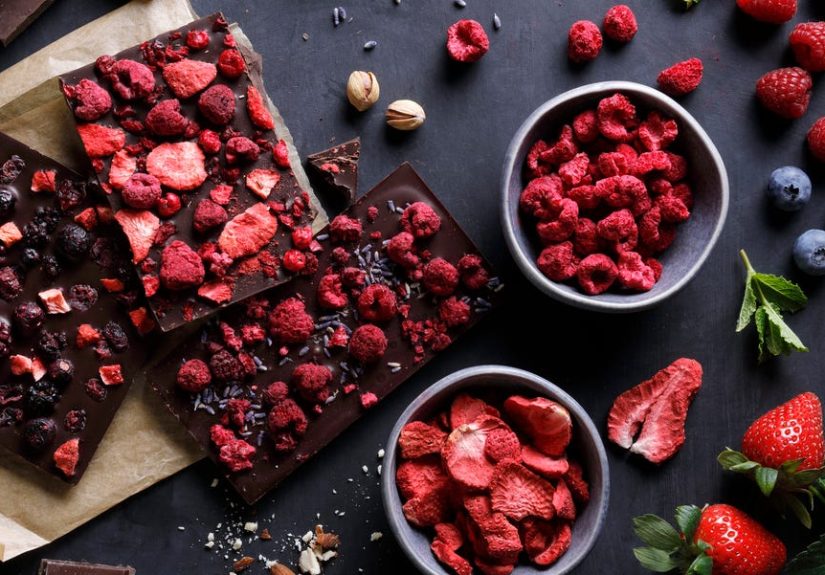
Berries remain on nearly every superfood list for good reason. Blueberries, strawberries, raspberries, and blackberries pack fiber along with colorful plant compounds such as anthocyanins. Translation: they are tiny, tasty, and absurdly overqualified for their size.
Nutritionists love berries because they add natural sweetness while bringing more to the table than dessert energy. They work in breakfast bowls, smoothies, snacks, and even savory salads. Fresh is great, but frozen berries are often just as useful and sometimes cheaper.
Why nutritionists rate them so highly
- High in antioxidants and polyphenols
- Good source of fiber for digestion and fullness
- Easy swap for more processed sweets
Try this: Add frozen blueberries to oatmeal, or stir raspberries into plain Greek yogurt with walnuts.
2. Beans and Lentils
If 2025 had an MVP for affordable nutrition, beans and lentils would be making an acceptance speech. Black beans, chickpeas, cannellini beans, kidney beans, and lentils offer a rare combo of fiber and plant protein, which helps explain why dietitians keep recommending them for heart health, blood sugar support, and satiety.
They are also one of the easiest ways to eat more plants without overhauling your entire life. Canned beans can become taco filling, soup bulk, salad topping, pasta add-in, or a quick dip. Lentils cook fast, stretch meals, and make even a humble bowl of soup feel like you have your life together.
Why they are a 2025 standout
- Rich in fiber and protein
- Naturally low in saturated fat
- Budget-friendly and pantry-ready
Try this: Toss chickpeas into a grain bowl, or simmer lentils with tomatoes, garlic, and greens for a weeknight dinner.
3. Dark Leafy Greens
Spinach, kale, collards, arugula, and Swiss chard continue to earn their reputation as nutritional overachievers. Dark leafy greens are loaded with vitamins, minerals, and beneficial plant compounds, while still being light enough to fit into almost any meal.
Nutritionists recommend them because they are versatile and genuinely useful. You can blend them into smoothies, sauté them with eggs, fold them into soups, or bulk up sandwiches and wraps. They are one of the simplest ways to increase nutrient density without adding much fuss.
Why they deserve the hype
- Excellent source of vitamin K and other micronutrients
- Low in calories but high in nutritional value
- Easy to pair with healthy fats for better meal balance
Try this: Sauté spinach in olive oil with garlic, or massage kale with lemon juice and avocado for a less chew-intensive salad.
4. Cruciferous Vegetables
Broccoli, Brussels sprouts, cauliflower, bok choy, and cabbage are having another strong year. These vegetables are famous for fiber, crunch, and compounds linked to long-term health support, including sulforaphane in broccoli and Brussels sprouts.
What makes cruciferous vegetables especially useful is that they are easy to cook in different ways. Roast them for caramelized edges, shred them into slaws, sauté them for fast dinners, or toss frozen broccoli into pasta and stir-fries. They are sturdy, satisfying, and hard to accidentally turn into nutritional nonsense.
Try this: Roast broccoli and cauliflower until browned, then finish with lemon and pumpkin seeds.
5. Salmon and Sardines
Fatty fish stays high on nutritionists’ lists in 2025, especially salmon and sardines. These fish are rich in omega-3 fatty acids and provide high-quality protein, which makes them a smart choice for heart health and overall dietary quality.
Salmon is a familiar favorite, but sardines deserve more love than they get. They are convenient, shelf-stable, and surprisingly versatile in toast toppings, pasta, grain bowls, and salads. Think of them as the tiny, salty overachievers of the seafood aisle.
Why dietitians keep recommending fatty fish
- Provides omega-3 fats
- Supports a heart-healthy eating pattern
- Offers filling protein with minimal preparation
Try this: Bake salmon with mustard and herbs, or mash sardines with lemon and white beans for toast.
6. Greek Yogurt and Kefir
Fermented dairy continues to trend for good reason. Plain Greek yogurt offers protein and useful nutrients, while kefir brings a drinkable fermented option that many nutritionists like for gut-friendly variety. The key is choosing options with minimal added sugar and, when relevant, live and active cultures.
Important reality check: fermented foods are not magic, and not every product on a shelf is automatically a probiotic superstar. Still, yogurt and kefir are practical, nutritious choices that can make breakfast or snacks much more satisfying.
Try this: Build a bowl with plain Greek yogurt, berries, chia seeds, and cinnamon, or blend kefir into a smoothie.
7. Walnuts
Walnuts have held onto their superfood reputation because they bring healthy fats, texture, and staying power to meals and snacks. They are especially notable among nuts because they contain plant omega-3 fats, which keeps them in regular rotation for many dietitians.
They are also wildly convenient. Walnuts can live in your pantry or freezer and upgrade breakfast, salads, grain bowls, and baked goods without much effort. A small handful goes a long way, both nutritionally and in terms of crunch.
Try this: Sprinkle chopped walnuts over oatmeal, blend them into pesto, or mix them into a salad with apples and greens.
8. Chia, Flax, and Pumpkin Seeds
Seeds are tiny but mighty, yes, but in this case the cliché has receipts. Chia seeds provide fiber and plant omega-3 fats. Flaxseeds are another fiber-rich option, and pumpkin seeds bring protein, minerals, and satisfying crunch. These are the kinds of foods nutritionists love because they are easy to scatter into everyday meals.
They do not need to become your whole personality. Just add them where they make sense: yogurt, oatmeal, smoothies, salads, soups, or homemade trail mix.
Why seeds are a smart 2025 pick
- Easy way to add fiber
- Helpful for texture and satiety
- Simple pantry ingredients with big payoff
Try this: Stir chia into overnight oats, use ground flax in oatmeal, or top roasted vegetables with pumpkin seeds.
9. Oats
Oats are a classic superfood that keeps proving they do not need a rebrand. They are rich in beta-glucan, a soluble fiber that nutrition experts often highlight for fullness and heart-smart eating. Oatmeal is also easy to customize, which matters because food only helps if you will actually eat it more than twice.
Another reason oats are thriving in 2025: they are inexpensive, widely available, and work in sweet and savory formats. You can make overnight oats, stovetop oatmeal, baked oats, oat-based granola, or even use oats to bulk up meatballs and muffins.
Try this: Make oats with milk, cinnamon, blueberries, and walnuts, or go savory with oats, spinach, and a soft-boiled egg.
10. Avocados
Avocados are still firmly in the superfood club, and no, this is not just because toast needed a career boost. They offer monounsaturated fats, fiber, and potassium, making them a popular pick for satisfying meals that do not rely on processed extras for flavor.
Because avocados are creamy and rich, they can also replace less nutritious spreads or toppings. That gives them a practical advantage: they help people make healthier meals taste better, which is often the difference between good intentions and actual follow-through.
Try this: Add avocado to grain bowls, pair it with eggs, or mash it onto whole-grain toast with pumpkin seeds and chili flakes.
11. Mushrooms
Mushrooms are one of the most interesting superfoods of 2025 because they sit at the crossroads of flavor and nutrition. They bring umami depth, useful minerals, and, in some cases, vitamin D when UV-exposed. They also help create meatier texture in plant-forward meals without trying too hard about it.
For people who want to eat less meat without feeling deprived, mushrooms are a practical bridge. They work in soups, pasta, tacos, stir-fries, omelets, and grain bowls. They also happen to make your kitchen smell like you know what you are doing.
Try this: Sauté mushrooms with garlic and thyme, then fold them into brown rice or pile them over whole-grain toast.
How to Eat More Superfoods Without Making Meals Weird
The easiest way to use these foods is not to chase perfection. It is to stack them. Pair oats with berries and walnuts. Add beans and greens to soup. Combine yogurt with chia seeds and fruit. Serve salmon with broccoli and brown rice. The magic is not in a single ingredient; it is in how these foods work together across the day.
Aim to think in simple building blocks:
- Breakfast: Oats, berries, yogurt, chia, walnuts
- Lunch: Greens, beans, avocado, cruciferous vegetables
- Dinner: Salmon or lentils, mushrooms, broccoli, whole grains
- Snack: Kefir smoothie, fruit with nuts, roasted chickpeas
That approach feels much less glamorous than some social media food trend, but it works. And unlike a powdered mystery blend, it also tastes like actual food.
Real-Life Experiences: What a Superfood-Focused Week Actually Feels Like
Here is the part wellness culture often skips: eating more superfoods rarely feels dramatic. There is no orchestra. No confetti cannon goes off because you put chia seeds in your yogurt. Instead, the experience is usually subtle, practical, and surprisingly comforting.
On a typical Monday, a superfood-focused breakfast might be oatmeal with blueberries and walnuts. The experience is not “I have become a glowing beacon of health.” It is more like, “I am still full at 11 a.m., and I have not already started hunting for vending machine crackers.” That is a win. Oats and berries are not flashy, but they make mornings feel steadier.
By midweek, beans and lentils often become the heroes of real life. A lentil soup or chickpea salad does not just check a nutrition box. It saves time, stretches ingredients, and lowers the stress of figuring out what to eat when your energy is running on fumes. People often notice that fiber-rich meals feel more satisfying, which makes random snacking less urgent. Not impossible, of course. Cookies still exist. But the edge comes off that “feed me immediately or I will make poor choices” feeling.
Leafy greens and cruciferous vegetables also tend to feel better in practice than they sound on paper. Roasted Brussels sprouts, sautéed kale, or broccoli tossed into pasta is a very different experience from forcing down a joyless bowl of raw vegetables. When cooked well, these foods feel hearty, flavorful, and normal. That matters. The best healthy habits are the ones that do not feel like punishment disguised as lunch.
Many people also notice that foods like Greek yogurt, kefir, berries, and seeds make snacks more useful. A snack built from protein, fiber, and healthy fats tends to hold you over longer than a granola bar that disappears in three bites and a sigh. The experience is less about chasing “clean eating” and more about making your day run smoother.
Then there is dinner, where salmon, mushrooms, avocado, and grains often shine. A balanced dinner feels grounding. It can help you end the day without that frantic, scavenger-hunt energy that usually leads to cereal out of a mug or standing in front of the refrigerator hoping inspiration will appear. Superfoods, in real life, are often just foods that make the next choice easier.
The biggest experience people report is not some cinematic transformation. It is consistency. Better energy. More satisfying meals. Fewer crashes. A little less dependence on ultra-processed convenience foods. A little more confidence in what to cook. That is the quiet power of these 2025 superfoods. They are not miracle foods. They are reliable foods. And honestly, reliability is underrated.
Final Thoughts
The top superfoods of 2025 are not exotic, expensive, or impossible to pronounce. According to nutritionists, the smartest foods are still the ones with strong nutritional value and everyday usefulness: berries, beans, leafy greens, cruciferous vegetables, fatty fish, fermented dairy, walnuts, seeds, oats, avocados, and mushrooms.
If there is one takeaway worth keeping, it is this: stop looking for a single miracle food and start building smarter meals. That is where the real payoff lives. Superfoods are not superheroes. They are teammates. Put enough of the right ones on your plate, and your diet starts doing what good diets do best: supporting you quietly, consistently, and with a lot less drama than the internet promised.