Table of Contents >> Show >> Hide
- Before You Plant: Winter Vegetable Garden Basics
- 14 Best Vegetables to Plant and Grow in Winter
- Tips for a Productive Winter Vegetable Garden
- Common Winter Gardening Mistakes to Avoid
- Conclusion: Let Winter Do Some of the Work
- Winter Vegetable Growing Experiences: What Gardeners Learn the Hard (and Fun) Way
- The “Too Late” Lesson
- How Protection Changes Everything
- The Magic of “Living Refrigerators”
- Choosing the Right Varieties (Not Just the Right Vegetables)
- The Emotional Side: Winter Gardening as a Mood Booster
- Realistic Expectations: Slower, But Steady
- Experimenting Makes You a Better Gardener Year-Round
If the idea of “winter gardening” makes you picture frozen soil and sad, shivering tomato plants, good news: you’ve been hanging out with the wrong vegetables. A surprising number of cool-season crops actually prefer chilly weather, shrug off light frosts, and even taste sweeter after a cold snap.
From leafy greens that keep the salads coming to sturdy roots hiding under a blanket of mulch, winter vegetables can turn your garden into a year-round produce aisle. Many Extension services across the United States classify crops like beets, broccoli, cabbage, carrots, lettuce, onions, peas, radishes, spinach, and turnips as cool-season vegetables that thrive when temperatures dip.
Below, we’ll walk through 14 of the best vegetables to plant and grow in winter, plus simple tips to help your cold-weather garden stay productive, even when your lawn has clearly given up.
Before You Plant: Winter Vegetable Garden Basics
Before we dive into the VIP list of winter vegetables, it helps to understand what makes a garden winter-ready:
- Know your USDA hardiness zone. In mild climates (Zones 8–10), many crops can grow outdoors all winter with minimal protection. In colder climates, you may need cold frames, low tunnels, row covers, or a greenhouse for consistent harvests.
- Pick genuine cool-season crops. These vegetables are built for chill. Research from U.S. universities and gardening organizations consistently highlights leafy greens, brassicas (like broccoli, cabbage, and kale), root crops (like carrots and beets), and alliums (onions and garlic) as ideal for fall and winter planting.
- Plan backward from frost dates. Many winter crops are actually sown in late summer or early fall so they’re partially grown before the real cold sets in. After that, they essentially “pause,” waiting for you to pick them fresh.
- Use protection wisely. Simple tools like row covers, cold frames, and mulch help your winter vegetables survive hard frosts and wind, extending your harvest by weeks or even months.
With those basics in mind, let’s get to the fun part: the 14 best vegetables to grow in winter.
14 Best Vegetables to Plant and Grow in Winter
1. Kale
Kale is the drama queen of winter vegetablesin the best way. It loves cool weather, tolerates frost, and often tastes sweeter after a freeze as the plant converts starches to sugars for protection. Garden experts regularly list kale among the hardiest winter greens, ideal for planting in fall and harvesting through winter in many U.S. regions.
Plant kale in well-drained soil with plenty of organic matter, spacing plants 12–18 inches apart. Give it full sun where possible, though it will tolerate partial shade. You can harvest baby leaves for salads or let the plants mature for hearty soups and sautés. If you’re short on space, dwarf or “baby” kale varieties are perfect for raised beds and containers.
2. Spinach
Spinach is a classic winter warrior. It germinates in cool soil and shrugs off light freezes, especially if you choose cold-hardy varieties. Many U.S. gardening resources rank spinach among the top frost-tolerant leafy crops for fall and winter planting.
Sow spinach directly in the ground or raised beds, about 1/2 inch deep, and keep the soil consistently moist (but not soggy). In colder climates, a simple row cover or low tunnel can keep spinach harvestable for much of the winter. Harvest outer leaves and let the center keep growing, so you get multiple cuttings from each plant.
3. Lettuce (Looseleaf and Romaine)
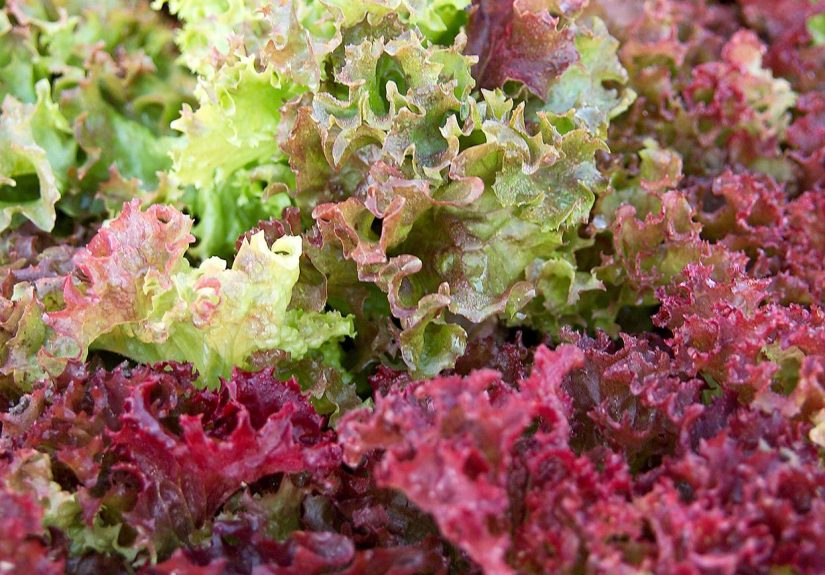
Lettuce may seem delicate, but many looseleaf and romaine varieties actually thrive in cool weather. Garden guides frequently list lettuce as a cool-season staple, ideal for fall and winter planting, especially when grown under basic protection like cold frames.
Opt for “cut-and-come-again” mixes or non-heading types. Sow seeds shallowly and thin them as they grow. In winter, head lettuce can be more finicky, but looseleaf varieties are forgiving and keep you supplied with fresh salads while everyone else is buying sad, expensive greens at the supermarket.
4. Arugula
Arugula is the peppery friend who shows up to every dish with personality. It’s a fast-growing cool-season green often mentioned alongside spinach and radishes as one of the easiest crops to direct seed for fall and winter harvests.
Scatter seeds in wide bands or rows and thin later for baby salad greens or mature leaves. Arugula tolerates light frosts and thrives in cool temperatures, making it ideal for quick succession plantings throughout fall. Pair it with citrusy dressings or toss it on winter pizzas for a spicy, fresh bite.
5. Swiss Chard
Swiss chard is the colorful multitasker of the winter garden. While not as frost-hardy as kale, it still qualifies as a cool-season vegetable and often appears on lists of crops that grow well in fall and early winter, especially in milder climates.
Plant chard in rich soil and give it room to spreadabout 12 inches per plant. You can harvest individual leaves or cut the whole plant down to a few inches and let it regrow. The stems look gorgeous in the garden and in the kitchen, and the leaves cook down beautifully in stir-fries and stews.
6. Broccoli
Broccoli is one of the star brassicas for winter gardeners. University Extension sources consistently highlight broccoli as a cool-season crop that can withstand cold temperatures and even light freezes, especially when planted to mature in fall and early winter.
Start broccoli from transplants or seeds sown in late summer. Space plants 18–24 inches apart and keep them well-fed with compost or balanced fertilizer. Harvest the main central head when the buds are tight, then enjoy the bonus side shoots that keep coming, even into cold weather.
7. Cabbage
Cabbage looks like it was designed for winterdense, layered, and tough. It’s a classic cool-season crop recommended by multiple Extension programs for fall and winter growing.
Choose compact or winter-hardy varieties if you garden in colder zones. Start seeds indoors or buy transplants, then space them about 18 inches apart. Cabbage appreciates consistent moisture and rich soil. Once mature, the heads can often sit in the garden, refrigerated by nature, until you’re ready for slaw, soups, or roasted wedges.
8. Brussels Sprouts
Brussels sprouts are slow but worth the wait. They’re frequently listed among the most cold-tolerant brassicas and can actually improve in flavor after repeated frosts.
Plant them in late summer so they have time to form stalks before winter. They’re heavy feeders, so amend the soil generously with compost. As the sprouts mature along the stem, you can harvest from the bottom up. Roasted with olive oil and a little maple syrup, they may even convince Brussels-skeptics at your holiday table.
9. Carrots
Carrots are basically sweet underground treasure. Many gardening resources point out that carrots are classic cool-season vegetables, often becoming sweeter after exposure to frost.
Direct seed carrots in loose, stone-free soilno shortcuts here, they hate compacted ground. Sow the seeds thinly, keep the top layer of soil consistently moist until germination, and thin seedlings to give each root room. In colder zones, a thick layer of mulch can insulate the soil so you can “store” your carrots in the ground and dig them as needed.
10. Beets
Beets are overachievers: you get edible roots and greens in one plant. They’re regularly listed as easy-to-grow cool-season crops that do very well when direct seeded in fall.
Plant beet seeds about 1/2 inch deep and thin to 3–4 inches apart once they sprout. The baby greens are delicious in salads, while mature greens can be sautéed like chard. The roots are perfect for roasting, pickling, or tossing into winter salads with goat cheese and citrus.
11. Radishes
Radishes are the instant gratification crop of the winter garden. Many cool-season gardening guides highlight radishes as one of the fastest and easiest vegetables to grow in fall and winter, often maturing in as little as 25–35 days.
Direct seed radishes in rows or bands and keep the soil moist for even growth. You can sow them between slower-growing crops like cabbage or broccoli to maximize space. Harvest promptly for tender rootsif they sit too long, they can become woody or overly spicy.
12. Turnips
Turnips might not sound glamorous, but winter gardeners know they’re dependable, fast-maturing, and extremely cold-tolerant. Extension sources list turnips among the hardy root crops that can withstand repeated frosts.
Direct seed turnips about 1/2 inch deep and thin to 3–6 inches apart depending on the variety. Both roots and greens are edible. Young turnips are mild and sweet, especially when roasted, while the greens can be treated like mustard or collard greens in the kitchen.
13. Garlic
Garlic is the long game of winter gardening. It’s typically planted in fall before the ground freezes, then quietly grows roots over winter and bursts into growth come spring. Many U.S. planting guides highlight garlic as a perfect fall/winter crop that rewards patience.
Plant individual cloves pointy side up, 2–3 inches deep and 4–6 inches apart. Mulch well to insulate the soil and discourage weeds. Garlic doesn’t give you much action during winter, but when you’re harvesting big, fragrant bulbs next summer, you’ll feel extremely clever.
14. Peas (Snow and Snap)
Peas are cool-season darlings that prefer chilly weather and often fizzle out once serious heat arrives. Gardening resources frequently list peas among classic cool-season crops for fall and early winter planting in mild climates or under protection.
Sow peas in well-drained soil with a trellis or netting for support. In Zone 8 and warmer, you can often plant them in late fall for winter and early spring harvests. In colder zones, fall planting under row covers or cold frames may still be possible. Fresh snap peas straight from the vine taste like garden candyno cooking required.
Tips for a Productive Winter Vegetable Garden
Once you’ve chosen your winter vegetables, a few smart practices can dramatically improve your results:
- Start with healthy soil. Mix in compost or well-rotted manure before planting. Winter crops may grow more slowly, but they still need nutrients.
- Water less, but smarter. Evaporation slows in cold weather. Water deeply but infrequently, and avoid watering late in the day so foliage can dry before night temperatures drop.
- Use mulch as a blanket. Straw, shredded leaves, or compost help insulate roots, moderate soil temperature, and reduce freeze-thaw damage.
- Embrace protection. Simple row covers or low tunnels can boost temperatures around plants by several degrees, often making the difference between “slowed down” and “completely dead.”
- Harvest strategically. Pick leafy greens on milder days when they’re not frozen; harvesting stiff, icy leaves can damage plant tissue.
Common Winter Gardening Mistakes to Avoid
Even experienced gardeners sometimes learn the hard way. Here are a few pitfalls to dodge:
- Planting too late. Most winter vegetables need to be mostly grown before real winter hits. If you plant after your first hard frost, many crops will just sit there, sulking.
- Ignoring day length. In midwinter, plants grow slowly because of short days. That’s normal. Plan for slower growth rather than expecting summer-level production.
- Overwatering. Soggy soil plus cold weather equals root rot. Always check moisture before watering.
- Choosing summer crops. Tomatoes, peppers, cucumbers, and eggplants are warm-season divas. For winter, stick to the cool-season heroes on this list.
Conclusion: Let Winter Do Some of the Work
Winter doesn’t have to be the off-season for your garden. With the right lineup of cold-loving vegetableskale, spinach, lettuce, arugula, Swiss chard, broccoli, cabbage, Brussels sprouts, carrots, beets, radishes, turnips, garlic, and peasyou can harvest fresh, nutrient-dense produce while your neighbors assume gardening is “closed for the year.”
Start with good soil, lean into cool-season crops, and use simple protection when needed. Once you taste sweet, frost-kissed greens or pull up a handful of bright winter carrots, you may find that winter gardening becomes your new favorite season.
meta_title: 14 Best Vegetables to Plant and Grow in Winter
meta_description: Discover 14 of the best vegetables to plant and grow in winter, plus tips and real-world tricks for a productive cold-season garden.
sapo: Winter doesn’t have to mean an empty garden bed and a sad, store-bought salad mix. From frost-sweetened kale and carrots to crunchy peas and colorful Swiss chard, many vegetables actually prefer cool temperatures and light frosts. In this in-depth guide, you’ll discover 14 of the best vegetables to plant and grow in winter, how to time your planting, simple protection tricks, and real-world tips to keep your garden productive long after the first frost. If you’ve ever wanted fresh, homegrown produce in the coldest months, this is your roadmap.
keywords: winter vegetables, cool season crops, best vegetables to grow in winter, fall and winter gardening, cold hardy vegetables, how to grow winter vegetables, winter vegetable garden tips
Winter Vegetable Growing Experiences: What Gardeners Learn the Hard (and Fun) Way
Reading a list of winter vegetables is one thing; actually growing them when the wind is doing its best impression of a freezer fan is another. Here are experience-based insights and patterns that show up again and again among winter gardenersand that can save you a lot of trial and error.
The “Too Late” Lesson
Almost every winter gardener has a year when they plant too late. The weather still feels warm in early fall, so they delay sowing kale, spinach, and carrots. Then, the first hard frost hits, the days shorten sharply, and the seedlings stop growing. The plants survive, but they remain small “bonsai vegetables” until late winter or early spring.
The takeaway: treat fall planting dates as non-negotiable. Aim to sow most winter crops 6–10 weeks before your first expected hard frost. It feels early in the moment, but your future self, standing outside in December with a bowl of fresh greens, will be grateful.
How Protection Changes Everything
Many gardeners report that the single biggest upgrade they made for winter growing was adding a simple protective structurenothing fancy, just a low tunnel made from hoops and clear plastic or a DIY cold frame built from old windows. The difference in plant performance is dramatic.
Without protection, kale and spinach may survive but look wind-burned and stressed. Under a low tunnel, the same plants stay lush, with less leaf damage and a longer picking window. In windy areas, row covers or tunnels also protect from desiccation, which can be as damaging as cold itself.
The Magic of “Living Refrigerators”
One of the delightful discoveries of winter gardening is that the garden itself acts like a refrigerator. Gardeners in colder climates often leave carrots, beets, parsnips, and even cabbage in the ground, insulated with a thick layer of mulch. Instead of crowding the kitchen fridge, you can simply walk outside and harvest what you need.
This approach works especially well where the ground doesn’t freeze solid for long periods. Even in colder zones, a combination of deep mulch and a low tunnel can keep the soil diggable. The flavor often improves, toomany growers describe winter-dug carrots as significantly sweeter than those grown and harvested in summer.
Choosing the Right Varieties (Not Just the Right Vegetables)
Experienced winter gardeners quickly learn that variety choice matters just as much as crop choice. Not all kale, lettuce, or spinach varieties handle the cold equally well. Some are specifically bred for winter growing, with thicker leaves, stronger stems, and improved frost tolerance.
Gardeners often report that once they find a truly winter-hardy varietylike a specific strain of “winter kale” or “frost-tolerant spinach”they stick with it year after year. Reading seed catalogs carefully and looking for phrases like “overwinters well,” “cold-hardy,” and “suited for fall planting” can dramatically improve your success.
The Emotional Side: Winter Gardening as a Mood Booster
Beyond harvests, many gardeners describe their winter beds as a mental health booster. In the darker months, it’s surprisingly grounding to step outside, lift a row cover, and see bright green leaves thriving despite the cold. It’s a visual reminder that life is still going strong under the gray sky.
Even small routineschecking soil moisture, brushing off a light dusting of snow, harvesting a handful of arugula for a sandwichadd up to a sense of continuity and connection with the seasons. For people who struggle with winter blues, tending a winter vegetable garden can become a comforting ritual.
Realistic Expectations: Slower, But Steady
One of the most important experience-based lessons is about expectations. Winter gardens are rarely as explosive or fast-growing as summer gardens. Plants grow slowly, sometimes barely noticeably, especially around the winter solstice when daylight is shortest.
Instead of expecting rapid growth, experienced gardeners think of winter beds as living storageplants are “on hold,” waiting to be harvested or to surge in growth when the light returns. With that mindset, you’re less likely to get discouraged and more likely to appreciate the steady trickle of salads, soups, and sides your winter garden can provide.
Experimenting Makes You a Better Gardener Year-Round
Trying different winter crops, protection methods, and planting dates can teach you more about your microclimate than any chart. Maybe your backyard is a bit warmer than the official forecast because it’s sheltered, or perhaps the low spot near the fence is a frost pocket to avoid in the coldest months.
Over time, notes from your winter experimentswhat survived, what thrived, what needed extra protectionbecome a personal playbook. That knowledge helps not only with winter gardening but also with spring and fall crops, giving you a longer, more resilient growing season overall.
In short, growing vegetables in winter is part science, part patience, and part small act of rebellion against the idea that gardening is only for warm weather. Start with hardy crops like those 14 on this list, add a bit of protection, and let experience do the restyou might find that your winter harvests become some of your favorites.