Table of Contents >> Show >> Hide
- The 14 Innocent-Looking Fire Starters Hiding In Plain Sight
- 1) Overloaded Power Strips (a.k.a. the “One Outlet, Twelve Dreams” Problem)
- 2) Daisy-Chained Power Strips (Plugging a Power Strip Into Another Power Strip)
- 3) Extension Cords Under Rugs or Carpet
- 4) Space Heaters Placed “Just a Little Too Close”
- 5) Dryer Lint (and the Vent You Forgot Exists)
- 6) Unattended Cooking (Yes, Even “Just One Minute”)
- 7) Grease Buildup on the Stove, in the Oven, or in the Range Hood
- 8) Countertop Appliances with Crumbs (Toasters, Air Fryers, Toaster Ovens)
- 9) Candles in “Cute” Containers (Wood Bowls, Decorative Holders, and Wobbly Setups)
- 10) Lithium-Ion Batteries Charging Unattended (Phones, Power Banks, E-Bikes, Scooters)
- 11) Cheap or Damaged Chargers and Cords (Frayed, Hot, or “Bendy in a Bad Way”)
- 12) Fireplace Ashes (That Stay Hot Longer Than You Think)
- 13) Oily Rags from DIY Projects (Wood Stain, Linseed Oil, Some Paint Products)
- 14) High-Heat Lamps and Bulbs (Especially Torchiere-Style Halogen Lamps)
- 15) Bonus Hazard That Looks Like Décor: Glass Vases or Curved Glass in Direct Sunlight
- A Quick “Safety TikTok, But Make It Practical” Checklist
- Conclusion: Fire Safety Is Mostly Boring (Which Is the Goal)
- Extra : Everyday Experiences and Close Calls People Actually Relate To
- SEO Tags
If you’ve ever fallen into “Safety TikTok,” you know the vibe: a calm voice, a quick demo, and suddenly you’re side-eyeing your phone charger like it’s plotting something.
The funny part is that most home fire hazards don’t look dramatic. They look… normal. Convenient. Cute, even. And that’s exactly why they get away with it.
Real talk: home fires are often linked to everyday routinescooking, heating, and electrical use. Translation: the danger isn’t always “mystery villain.”
Sometimes it’s “Tuesday at 7:12 p.m.” and somebody left the toaster plugged in with crumbs collecting like they’re building a tiny bread city.
Below are 14 innocent-looking household items and setups that fire-safety creators keep calling outplus the deeper “why it matters” and the easy fixes that don’t require turning your home into a sterile museum.
The 14 Innocent-Looking Fire Starters Hiding In Plain Sight
1) Overloaded Power Strips (a.k.a. the “One Outlet, Twelve Dreams” Problem)
Power strips feel like a life hackuntil they’re treated like a magic portal that creates extra electricity. They don’t. They just split the same supply across more plugs.
Overloading can overheat wiring and components, especially if you plug in high-watt appliances.
- Common danger move: Space heater + power strip = absolutely not.
- Safer habit: Plug high-watt devices (heaters, microwaves, air fryers, hair tools) directly into a wall outlet.
- Upgrade tip: Use a quality, listed power strip/surge protector and replace it if it’s warm, cracked, or smells “toasty.”
2) Daisy-Chained Power Strips (Plugging a Power Strip Into Another Power Strip)
This setup is the electrical equivalent of stacking shopping carts to make a limousine. It seems clever until it collapses.
Daisy-chaining increases the odds of overload and overheatingespecially when the strip closest to the wall is carrying the entire load.
- Safer habit: One power strip per outlet, period.
- Reality check: If you need three strips for one corner, you probably need an electrician to add outlets.
3) Extension Cords Under Rugs or Carpet
TikTok loves this one because it’s so common: cord across the floor, rug on top, problem “solved.” But covering cords traps heat and adds friction and pressure over time,
which can damage insulation and increase fire risk.
- Common danger move: Running cords under rugs, behind couches, or through doorways where they get pinched.
- Safer habit: Reroute cords along walls with proper cable management, or add outlets where you actually use devices.
4) Space Heaters Placed “Just a Little Too Close”
Space heaters are great at heating… and equally talented at heating the wrong things if they’re too close. Curtains, bedding, laundry piles, pet bedssoft stuff can warm up fast.
Many safety guides emphasize a clear zone around heaters because proximity is where the risk lives.
- Common danger move: Heater near a bed, under a desk, or aimed at a laundry basket like it’s sunbathing.
- Safer habit: Keep at least a 3-foot buffer from anything that can burn and turn it off when you leave the room or fall asleep.
- Bonus: Plug heaters directly into a wall outletno extension cords.
5) Dryer Lint (and the Vent You Forgot Exists)
Dryer lint is basically nature’s perfect fire starter: light, fluffy, and eager to collect near heat. The lint screen is only half the storylint also builds up behind the dryer and inside vents.
When airflow is restricted, heat rises, and the risk climbs.
- Common danger move: Only cleaning the lint trap “when you remember.”
- Safer habit: Clean the lint filter before/after each load and regularly check/clean the vent path and behind the machine.
- Watch for signs: Clothes taking longer to dry can hint at vent issues.
6) Unattended Cooking (Yes, Even “Just One Minute”)
Most people don’t “start a cooking fire.” They start dinner, get distracted, and come back to a smoke situation trying to speed-run into an emergency.
Frying and grease are especially risky because oils can heat quickly, and a small flare-up can grow fast.
- Common danger move: Leaving the stove while frying, broiling, or grilling (stovetop grilling pans count).
- Safer habit: Stay in the kitchen for high-heat cooking, and if you must leave, turn the burner off.
- Micro-habit: Keep towels, paper packaging, and oven mitts away from burnersclutter is fuel.
7) Grease Buildup on the Stove, in the Oven, or in the Range Hood
Grease doesn’t just make surfaces stickyit can ignite. Over time, splatters build up on burner areas, oven bottoms, and filters.
Then one hot session later, you’ve got a surprise fire feature you did not order.
- Safer habit: Wipe down stovetops regularly, clean the hood filter, and don’t ignore that “mystery smoke” when the oven preheats.
- Specific example: A greasy sheet pan left under a broiler can flare quicklykeep broiler areas clean and monitored.
8) Countertop Appliances with Crumbs (Toasters, Air Fryers, Toaster Ovens)
These appliances look harmless because they’re small. But they generate serious heat, and crumbs/grease can become the “kindling” you didn’t realize you were storing.
Some safety columns even recommend unplugging certain appliances when you’re away, especially around the holidays when routines change.
- Common danger move: Never emptying the crumb tray, or letting grease build up in an air fryer basket area.
- Safer habit: Clean crumb trays and baskets, keep appliances away from curtains/paper towels, and unplug when not in use if recommended by the manufacturer.
9) Candles in “Cute” Containers (Wood Bowls, Decorative Holders, and Wobbly Setups)
Candles are literally controlled fire, so the “innocent-looking” part is the aesthetic packaging. Some containers can burn, crack, or allow flames to grow too high.
Fire-safety creators call out candles placed too close to curtains, books, or holiday décorbasically anything that can audition as fuel.
- Safer habit: Keep candles at least 12 inches from anything that can burn and never leave them unattended.
- Placement rule: Stable surface, away from drafts, kids, pets, and sleepy people.
- Low-drama alternative: Flameless candles give the vibe without the risk.
10) Lithium-Ion Batteries Charging Unattended (Phones, Power Banks, E-Bikes, Scooters)
Charging feels passiveplug in, forget, wake up to 100%. But battery failures can happen, and charging habits matter.
Safety guidance often emphasizes using the manufacturer’s charger, avoiding damaged batteries, and not charging in ways that block exits.
- Common danger move: Charging on beds, couches, or under pillows (soft surfaces trap heat).
- Safer habit: Charge on a hard, nonflammable surface with space around it, and unplug once fully charged if possible.
- Extra caution: Don’t charge large devices in hallways or near your main exit path.
11) Cheap or Damaged Chargers and Cords (Frayed, Hot, or “Bendy in a Bad Way”)
If a cord is fraying, heating up, or has that “it only works at this one angle” personality, it’s not quirkyit’s risky.
Product safety notices and recalls happen for a reason, and faulty electrical accessories can overheat or fail unexpectedly.
- Safer habit: Replace damaged cords immediately and avoid off-brand chargers with no credible safety listing.
- Tell-tale signs: Scorch marks, melted plastic, crackling sounds, or a plug that feels unusually hot.
12) Fireplace Ashes (That Stay Hot Longer Than You Think)
Ash looks dead. It is not always dead. Hidden embers can stay hot and re-ignite when tossed into a trash bag or plastic bin.
Fire agencies often recommend using a tightly covered metal container and keeping it away from buildings.
- Common danger move: Dumping ashes into a cardboard box, paper bag, or kitchen trash “because they looked cool.”
- Safer habit: Store ashes in a metal container with a lid, keep it outside away from the home, and give ashes time to cool fully.
13) Oily Rags from DIY Projects (Wood Stain, Linseed Oil, Some Paint Products)
This one shocks people because the rag just sits there… and then it can heat itself. Certain oils can oxidize in a way that generates heat.
If rags are balled up, the heat can’t escape, and the temperature can rise enough to ignite.
- Common danger move: Tossing oily rags in a pile, a regular trash can, or leaving them in a warm garage corner.
- Safer habit: Follow the product label for disposal, and don’t store oily rags in a heap. Treat them like a real hazard, not “laundry later.”
14) High-Heat Lamps and Bulbs (Especially Torchiere-Style Halogen Lamps)
Some halogen bulbs run extremely hothot enough that contact with curtains or clothing can start a fire.
Even if you don’t own an older torchiere lamp, the broader lesson stands: heat + fabric + closeness = bad math.
- Safer habit: Keep lamps away from curtains, bedding, and closets, and avoid draping anything over a lamp.
- Easy upgrade: Switch to LED bulbs when compatiblethey run cooler and use less energy.
15) Bonus Hazard That Looks Like Décor: Glass Vases or Curved Glass in Direct Sunlight
Some fire inspectors have warned that curved glass can concentrate sunlight like a magnifying lens under the right conditions.
It’s not the most common cause of home fires, but it’s exactly the kind of “wait, seriously?” scenario Safety TikTok lovesbecause it’s avoidable.
- Common danger move: Leaving a curved vase, crystal ball, or glass ornament on a sunny windowsill near curtains or papers.
- Safer habit: Move reflective/curved glass out of direct sun, especially when it’s aimed at fabric or clutter.
Note: The TikTok-style takeaway here is simple: if something can heat up, spark, or concentrate heatgive it space, keep it clean, and don’t leave it running unattended.
A Quick “Safety TikTok, But Make It Practical” Checklist
- Smoke alarms: Install them where recommended (sleeping areas and each level), test them regularly, and replace them when needed.
- Cooking: If you’re frying or broiling, stay close. Set a timer if you’re distractible (most of us are).
- Heating: Give heaters space and plug them directly into the wall.
- Electrical: Don’t overload outlets, don’t daisy-chain power strips, and replace damaged cords.
- Laundry: Lint trap every load; vent maintenance as a routine, not a “someday” dream.
- Batteries: Charge on hard surfaces, use the right charger, and don’t block exits with charging stations.
- Fireplaces: Ashes into covered metal containers, stored away from the house.
Conclusion: Fire Safety Is Mostly Boring (Which Is the Goal)
The best home fire prevention plan isn’t dramatic. It’s small, consistent habits: cleaning lint, giving heaters breathing room, respecting electricity,
and not leaving flames (or heat) doing their own thing while you scroll.
If you want a simple way to start tonight, pick just one zonekitchen, living room, laundryand do a 10-minute “hazard sweep.”
Future-you will appreciate it. Your smoke alarm will stay quiet. And your toaster can go back to being just a toaster.
Extra : Everyday Experiences and Close Calls People Actually Relate To
A lot of fire safety advice sounds obviousuntil you realize how easily “obvious” gets erased by real life. The most common stories don’t start with someone being reckless.
They start with someone being busy.
Take the classic “I’ll just step away for a second” cooking moment. You’re frying something, the phone buzzes, the dog needs to go out, and your brain does that thing where it
confidently tells you: It’ll be fine. Then you come back and the pan is smoking, the oil looks angry, and you’re suddenly negotiating with dinner like it’s a villain
in an action movie. People who’ve had this happen often describe the same feeling: shock at how fast it escalated, and embarrassment that it happened during something so normal.
That’s why “stay in the kitchen” is repeated so oftenit’s not moral judgment; it’s pattern recognition.
Laundry-room close calls feel even sneakier, because laundry seems like the safest chore on Earth. You’re not playing with fireyou’re folding socks.
But a dryer that takes longer to dry can quietly signal a vent issue. Many homeowners don’t notice until a load comes out unusually hot, or they smell something “warm and dusty.”
It’s not that the dryer is evil. It’s that lint accumulates slowly, and slow problems don’t trigger alarm bells in our brains. They just become “normal,” until they’re not.
Then there’s the charger situationcharging a phone on the bed because you want it nearby, or plugging in a power bank overnight because it feels efficient.
A lot of people only change this habit after seeing a scary video or hearing about a recall. And honestly, that makes sense: we’re wired to respond to stories.
So here’s a story-shaped reminder: if your charger is under a pillow, you’ve basically made it harder for heat to escape. Moving your device to a hard surface (nightstand,
desk, dresser) is one of those boring upgrades that can quietly reduce risk without affecting your life at all.
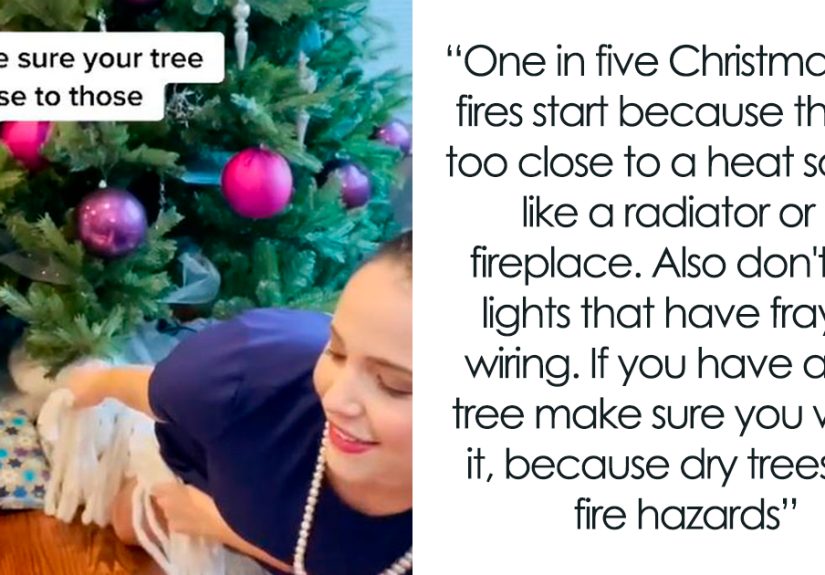
Holiday season brings a whole different flavor of “whoops.” You add lights. You add decorations. You add guests. You add cooking. You add chaos.
Suddenly outlets are crowded, extension cords are everywhere, and someone’s plugged the tree, the speaker, and the extra phone charger into the same strip because
it was convenient. That’s not villain behaviorit’s hosting behavior. The fix is equally practical: spread out electrical loads, avoid damaged light strings,
and treat power strips like they have feelings (specifically: they don’t like being overloaded).
And finally, the weirdest “I can’t believe that matters” experience: sunlight through curved glass. Most people would never guess a vase could focus sunlight enough to cause a problem.
But the point isn’t to fear your décor. The point is to avoid lining up: direct sun + curved glass + something flammable (curtains, paper, a pile of mail) in the beam path.
If you’ve ever rearranged a room and noticed a bright, concentrated patch of light on the wall or couch, you’ve seen the physics in action.
Moving the object is easyand it’s the kind of small change that makes safety feel doable instead of stressful.
The shared lesson in all these experiences is simple: prevention works best when it fits real life. You don’t need to be perfect.
You just need to make the risky stuff slightly less convenient than the safe stuffso your default habits start protecting you automatically.