Table of Contents >> Show >> Hide
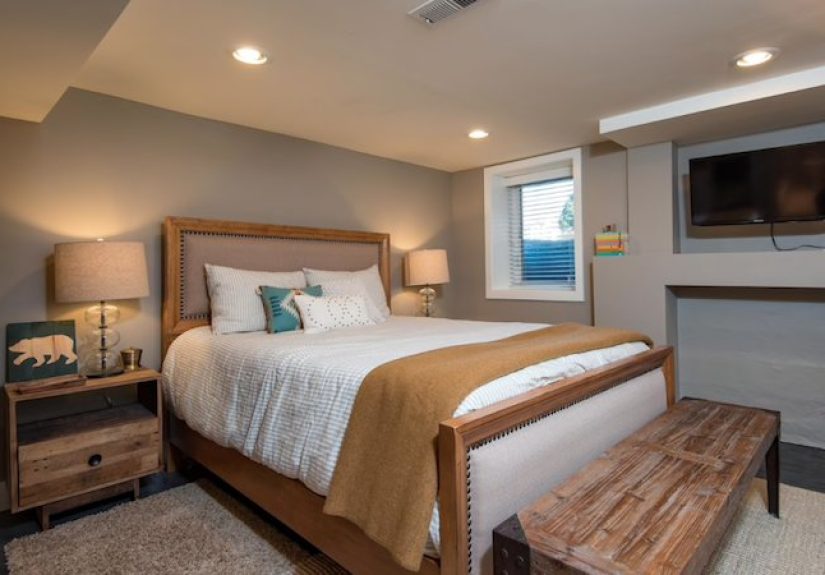
Turning a dark, slightly spooky basement into a cozy bedroom sounds a bit like a home-improvement fairy tale.
But with the right mix of safety upgrades, smart design, and a few warm, layered textures, you can transform
that “storage dungeon” into the most inviting room in the house. Think less horror movie, more boutique hotel
that just happens to be underground.
Inspired by the practical spirit of Bob Vila–style home advice and modern basement bedroom ideas, this guide
walks you through 14 essential tips for creating a safe, comfortable, and stylish space below grade. We’ll
cover everything from egress windows and moisture control to lighting, color, storage, and soundproofing, so
your new basement bedroom feels like a retreatnot a backup sleeping situation.
Step One: Make the Basement Bedroom Safe and Code-Compliant
1. Start With Egress and Local Building Codes
Before picking paint colors or buying throw pillows, make sure your basement bedroom is legal and safe. Most
U.S. building codes require at least one emergency escape route (often an egress window or exterior door) in
any basement bedroom. This is not just red tapeit’s what allows someone to exit quickly in a fire or emergency.
Typical codes often specify minimum opening dimensions and a maximum sill height so an adult can climb out
without turning into a contortionist. Requirements vary by jurisdiction, so always check with your local
building department or a licensed contractor before calling the space a “bedroom.” A properly sized egress
window also invites in natural light and fresh air, instantly making the room feel less basement and more
bedroom.
2. Don’t Skip Smoke Alarms and Carbon Monoxide Detectors
A cozy basement bedroom is a safe basement bedroom. Install hard-wired or interconnected smoke alarms and
carbon monoxide detectors just outside the bedroom and, if required in your area, inside the room as well.
Test them regularly and change batteries as recommended. Because basements often have fuel-burning appliances
(furnaces, water heaters, gas dryers), early warning systems are non-negotiable.
Control Moisture, Temperature, and Comfort
3. Tackle Moisture Before Decorating
Basements are naturally prone to dampness, which is the sworn enemy of comfort (and drywall). Before you frame
walls or roll out carpet, deal with moisture at the source:
- Check for foundation cracks and have them professionally sealed if water seeps in after rain.
- Use a vapor barrier behind finished walls and under certain floor types to help block moisture migration.
- Consider a dehumidifier to keep humidity in a healthy range, usually around 30–50 percent.
Taking these steps up front helps prevent mold, musty odors, and that “I’m sleeping in a cave” feeling that
ruins an otherwise beautiful remodel.
4. Insulate for Year-Round Coziness
If the walls are cold, the room never truly feels invitingno matter how many blankets you pile on the bed.
Quality insulation along basement walls and rim joists helps keep the bedroom warmer in winter and cooler in
summer. Many pros favor rigid foam or spray foam in basements because they resist moisture while improving
comfort. Properly sealed insulation also helps reduce drafts and energy loss, which your utility bills will
appreciate.
5. Choose Cozy Flooring With a Moisture-Smart Strategy
Underfoot comfort is a big part of a cozy basement bedroom. Popular options include:
- Luxury vinyl plank or tile with area rugs for softness and warmth.
- Engineered wood that can better tolerate slight moisture changes than solid hardwood.
- Carpet tiles installed over an appropriate pad and moisture barrier so sections can be
replaced easily if needed.
If you’re working with an existing concrete slab, consider sealing it to reduce dust and moisture, then add
layered rugs to warm things up. The goal is to balance durability and water resistance with that “bare feet
at 2 a.m. feel” you actually want.
6. Dial In Temperature Control
Because basements tend to run cooler than the rest of the house, think through heating and cooling early.
Extending existing ductwork, adding a ductless mini-split, or using electric baseboard heaters (installed to
code) can all help maintain a steady, comfortable temperature. Avoid relying on portable space heaters as a
long-term solution; they’re better as occasional boosters, and they require extra caution for fire safety.
Design a Light, Airy, and Inviting Basement Bedroom
7. Layer Your Lighting Like a Pro
Good lighting is the secret weapon of any basement bedroom makeover. Because natural light is limited, use a
mix of:
- Ambient lighting: recessed lights or flush-mount fixtures to brighten the entire room.
- Task lighting: bedside lamps or sconces for reading and working.
- Accent lighting: LED strips under shelves, picture lights, or small lamps to highlight
architectural details.
Choose warm-white bulbs for a softer, more relaxing vibe. If the ceiling is low, flush-mount or semi-flush
fixtures keep everything feeling open and avoid accidental head bumps when you forget how tall you are.
8. Go for Warm, Light-Reflecting Colors
Dark colors can be dramatic, but in a basement bedroom they can easily cross over into “windowless bunker.”
Light, warm neutrals like soft taupe, greige, creamy white, or pale sage help bounce light around and make
walls visually recede. You can always bring in deeper tones with bedding, pillows, or an accent wall at the
head of the bed.
If the ceiling is low, painting it a lighter shade than the walls helps it visually lift. Add trim or simple
wall paneling for subtle architectural interest that feels more “finished room” and less “converted storage.”
9. Use Window Treatments and Mirrors to Fake More Light
Even a small basement window can work hard for you. Hang curtains close to the ceiling and extend the rod wider
than the window so the fabric frames, rather than covers, the glass. Light-filtering shades add privacy without
blocking daylight.
To multiply whatever light you have, place a mirror across from or diagonally opposite the window or main
light source. Large mirrors or mirrored closet doors can also make narrow spaces feel widera useful trick in
basement layouts that tend to be long and skinny.
Layer in Texture, Storage, and Style
10. Prioritize a Comfortable Bed and Headboard Wall
In a basement bedroom, the bed is the star of the showand sometimes the only thing keeping the room from
feeling like a temporary setup. Invest in a quality mattress and layer it with soft sheets, a plush duvet, and
a couple of throw blankets. A padded or upholstered headboard adds both comfort and visual warmth, especially
against a concrete or drywall wall.
Try to position the bed so you’re not staring directly at a utility door or the stairs. If you must share the
space with the mechanical room, use solid-core doors and sound insulation to keep the “whoosh” of the furnace
from becoming your new lullaby.
11. Add Texture With Rugs, Throws, and Natural Materials
Basements can feel flat and hard; texture is your best friend. Layer a large area rug under the bed, then add
smaller accent rugs near the seating area or dresser. Mix chunky knit throws, linen or cotton bedding, and
pillows in a variety of weaves.
Bring in natural elements like wood nightstands, woven baskets, rattan lampshades, or a wood accent wall. Even
faux greenery or low-light plants can soften the space. The more you mix soft, touchable surfaces with warm
materials, the less “basementy” the room feels.
12. Build Smart Storage Into Every Nook
Clutter instantly shrinks a basement bedroom. Make storage part of the design:
- Choose a bed with built-in drawers or use low rolling bins beneath.
- Install shelving between foundation columns or along otherwise awkward walls.
- Use a wardrobe or armoire if ceiling height or layout makes a traditional closet tricky.
Closed storage keeps off-season decor, suitcases, and extra linens out of sight so the room stays calm and
restfulespecially important if you’re using the space as a guest suite.
13. Soundproof for Better Sleep
Between footsteps overhead, laundry machines nearby, and the hum of mechanical systems, basements can be
noisy. Consider:
- Adding insulation between floor joists above the bedroom.
- Using resilient channels or sound-dampening drywall on the ceiling.
- Choosing solid-core doors instead of hollow ones.
- Layering rugs and upholstered furniture to absorb sound.
These upgrades make a huge difference if the basement is under the living room or kitchen, where chairs
scraping and kids running are part of daily life.
14. Give the Room a Clear Identity
Finally, treat your basement bedroom as a “real” bedroom, not a forgotten bonus space. Give it a style story
modern farmhouse, minimalist, boho, industrial, or classic. Repeat a few key elements, like metal finishes,
colors, or patterns, throughout the room so everything feels intentional.
Add art, photos, or a statement piece (like a unique light fixture or headboard) to anchor the design. Place a
chair with a small table and lamp in one corner to create a reading nook. When the room reflects someone’s
personality, guests stop noticing that it’s in the basement at allthey just notice that it’s really nice.
Real-Life Lessons: Experiences From Cozy Basement Bedroom Makeovers
Theory is great, but nothing beats real-life experience. Homeowners who’ve successfully transformed basement
bedrooms tend to share a few common “aha” momentsplus some “wish we’d known that sooner” stories. Here are
practical takeaways that can help you avoid common mistakes and make your own project smoother.
Lesson 1: Moisture Is SneakyAddress It Earlier Than You Think
Many people start their basement bedroom makeover with paint chips and Pinterest boards, only to realize later
that a slight musty smell wasn’t just “old house vibes.” Homeowners often report that minor damp spots along
the floor or wall corners turned into bubbling paint, stained baseboards, or musty closets within a year if
they skipped proper waterproofing and vapor barriers. The fix usually costs more after the factand sometimes
involves tearing out finished walls.
The experience-based advice: if anything smells damp, looks stained, or shows efflorescence (that white
powdery residue on concrete), pause the design phase and treat water control as its own mini-project. It feels
slower in the moment, but you’ll gain a bedroom that actually stays cozy instead of slowly morphing into a
science experiment.
Lesson 2: Natural Light Is Worth the Investment
Homeowners who upgraded tiny, high-on-the-wall basement windows to full egress windows often describe it as the
single best decision of the entire remodel. Yes, cutting into a foundation wall is intimidating and not cheap,
but the payoff is huge: more natural light, better airflow, and a space that finally feels like a real bedroom.
Many people say guests are surprised to learn the room is in the basement at all.
There’s also a resale bonus. Being able to list an extra legal bedroom can significantly increase your home’s
perceived value. That can soften the sting of that egress-window invoice and make the project feel more like an
investment than a splurge.
Lesson 3: Ceiling Height and Layout Matter Emotionally
Homeowners regularly mention that the way you arrange furniture in relation to low ceilings, bulkheads, and
support columns changes how the room feels emotionally. Beds placed directly under a big soffit or duct run
can feel a bit claustrophobic. Moving the bed to the tallest point in the room and using lower-profile
furniture can make the space feel more open and restful.
A common trick is to run storage, shelving, or a desk under the lowest parts of the ceiling, while keeping
circulation paths and the main sleeping area under the highest section. That way, your basement’s quirks feel
intentional instead of accidentalmore “architectural detail,” less “random duct in my face.”
Lesson 4: Soundproofing Is Easier to Add During Construction
Another theme from real-world basement bedroom projects: people rarely regret spending a little extra on
soundproofing, but they almost always regret skipping it. Once the ceiling and walls are finished, going back
to add acoustic insulation or special drywall is a much bigger hassle.
People who installed sound-dampening insulation overhead often report that they barely notice footsteps, TV
noise, or late-night snack runs. Those who didn’t sometimes feel like they’re sleeping directly under a bowling
alley. If you’re still in planning mode, this is the moment to upgradeyour future, well-rested self will be
grateful.
Lesson 5: Personal Touches Make Guests Forget They’re Underground
Finally, homeowners say that personal, human touches matter more than expensive materials. A small tray with
water and glasses on the nightstand, hooks for bags, extra blankets folded at the foot of the bed, and a
printed Wi-Fi password can turn a basement bedroom into a thoughtful retreat. Guests are more likely to remember
how cared for they felt than the exact name of your wall color.
Many also find that turning the basement bedroom into their own “escape room” (the relaxing kind, not the
puzzle kind) encourages them to use the space regularly: reading, napping, or working from home in quiet.
When a room below grade becomes the most peaceful spot in the house, you know the project was a success.
Whether you’re creating a guest suite, a teen’s room, or your own cozy retreat, these hard-earned experiences
point to one conclusion: treat your basement bedroom with the same care you’d give any primary bedroomplus a
little extra attention to moisture, light, and soundand it can become the coziest corner of your home.