Table of Contents >> Show >> Hide
You already know you “should eat more fruit,” but that advice is about as helpful as
“you should also sleep more and answer your emails on time.” Let’s make it practical
(and a lot more fun) by walking through 20 tasty fruits, what they actually do for
your body, and how to enjoy them without turning your kitchen into a smoothie
laboratory.
Big picture first: diets rich in fruits and vegetables are linked with lower blood
pressure, a reduced risk of heart disease and stroke, fewer digestive problems, and
better blood sugar control. Many guidelines suggest
aiming for about 1.5–2 cup-equivalents of fruit per day for adults as part of a
healthy eating pattern. The key is varietydifferent
fruits deliver different vitamins, minerals, fiber, and antioxidants, so think of
your fruit bowl as your daily nutrition “multicolor pack.”
Why Fruits Deserve a Daily Spot on Your Plate
Whole fruits are naturally rich in vitamins (like vitamin C and folate), minerals
(like potassium and magnesium), and bioactive plant compounds, including
flavonoidsthese are the little superheroes that help fight oxidative stress and
inflammation.
- Heart and blood vessels: Higher fruit and vegetable intake is
associated with lower cardiovascular risk and lower mortality, with benefits
plateauing around five total servings a day. - Weight and blood sugar: Fruits tend to be low in energy density
but high in fiber and water, which helps you feel full without a big calorie load
and supports more stable blood sugar. - Immune system: Orange and red fruits, in particular, are good
sources of vitamins A and C, which support skin, mucosal defenses, and immune
cells.
And yes, fruit contains sugarbut in whole fruit it comes bundled with fiber and
nutrients, so it behaves very differently from added sugars in soda or candy. The
main caution: be more careful with fruit juice and dried fruit, which concentrate
sugars and remove some of the “built-in brakes” that whole fruits provide.
20 Tasty Fruits and What They Do for Your Health
1. Apples
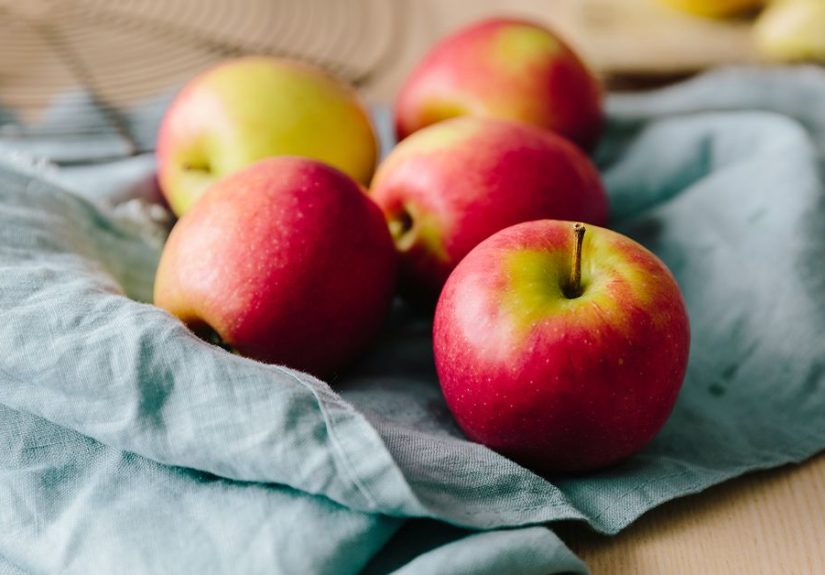
The classic lunchbox fruit is rich in fiber (especially if you eat the peel),
vitamin C, and polyphenols. The type of fiber in apples can help support healthy
cholesterol levels and more stable blood sugar. Their low glycemic load makes them
a smart snack for steady energy.
Easy idea: Slice an apple and pair it with peanut or almond butter
for a combo of fiber, protein, and healthy fats.
2. Bananas
Bananas are famous for potassium, which helps regulate blood pressure and fluid
balance. They also contain vitamin B6 and resistant starch (especially when a bit
green), which can feed helpful gut bacteria.
Easy idea: Freeze banana slices and blend them for a one-ingredient
“nice cream” dessert when you’re craving something sweet but still want nutrients.
3. Oranges
Oranges are vitamin C powerhouses and also contain fiber, folate, and potassium.
Research on citrus fruits suggests benefits for immune function, kidney stone
prevention, and weight management when eaten as part of a balanced diet.
Easy idea: Eat the whole orange instead of just drinking juice to
get the fiber that helps blunt blood sugar spikes.
4. Grapefruit
Slightly bitter, totally refreshing, grapefruit offers vitamin C, fiber, and
bioactive compounds that may support weight management and metabolic health.
Health note: Grapefruit can interact with certain medications, so
if you’re on prescription drugs, check with your health care professional before
making it a daily habit.
5. Blueberries
Blueberries are tiny but mighty. They’re rich in anthocyanins, a type of flavonoid
that has been linked to better cardiovascular health, improved blood pressure, and
healthy aging.
Easy idea: Toss a handful into oatmeal or yogurt instead of
sweetened cerealmore antioxidants, less added sugar.
6. Strawberries
Strawberries deliver vitamin C, manganese, and a good dose of fiber. Like other
berries, they’re associated with improved heart health and may help reduce markers
of inflammation.
Easy idea: Slice them over a spinach salad with walnuts and a
simple olive-oil vinaigrette for a sweet-savory mix.
7. Raspberries
Raspberries are fiber superstarsone cup can provide about one-third of your daily
fiber needs. High fiber intake is linked to better digestive health, improved
satiety, and lower risk of heart disease.
Easy idea: Sprinkle raspberries on Greek yogurt or chia pudding for
a dessert-style breakfast.
8. Cherries
Tart cherries, in particular, contain polyphenols that may help ease exercise-related
muscle soreness, gout attacks, and arthritis symptoms in some people.
They’re also naturally rich in melatonin, which may support sleep.
Easy idea: Keep frozen tart cherries on hand to blend into evening
smoothies when you want something sweet that won’t keep you up all night.
9. Grapes
Red and purple grapes contain resveratrol, a compound linked to heart and brain
health in observational research, along with vitamin K and antioxidants.
Easy idea: Freeze seedless grapes for a refreshing, bite-size snack
that feels like fruit sorbet.
10. Kiwi
Kiwi fruit is surprisingly high in vitamin Coften rivaling or surpassing oranges
per gramand also offers vitamin K, fiber, and actinidin, an enzyme that may aid
digestion.
Easy idea: Eat it like a soft-boiled egg: slice off the top and
scoop with a spoon. The fuzzy skin is edible, too, if you like extra fiber.
11. Mango
Mango brings tropical flavor plus vitamin C, vitamin A precursors (beta-carotene),
and fiber. Orange and yellow fruits like mango may contribute to eye health and
immune function thanks to their carotenoid content.
Easy idea: Dice mango into salsa with red onion, cilantro, and
lime; spoon it over grilled fish or tofu.
12. Pineapple
Pineapple offers vitamin C, manganese, and bromelain, an enzyme blend that may help
with protein digestion and has been studied for its potential anti-inflammatory
effects.
Easy idea: Grill pineapple rings for a caramelized, smoky-sweet
treat that feels like dessert but counts as a serving of fruit.
13. Papaya
Papaya contains vitamin C, folate, and the enzyme papain, which also may support
digestion. Its orange flesh reflects carotenoid content, including beta-carotene
and lycopene.
Easy idea: Squeeze lime over chilled papaya cubes for a bright,
hydrating snack on hot days.
14. Watermelon
Watermelon is mostly water (about 90%), making it excellent for hydration. It also
provides lycopene and citrulline, which may support heart and blood vessel health
in combination with an overall healthy diet.
Easy idea: Blend watermelon with a squeeze of lime for a simple
“mocktail” that beats sugary sodas.
15. Avocado
Yes, avocado is technically a fruitand a unique one. It’s rich in heart-healthy
monounsaturated fats, fiber, potassium, and folate. Observational research has
linked eating two or more servings of avocado per week with lower cardiovascular
disease risk, especially when it replaces saturated fats like butter or cheese.
Easy idea: Mash avocado on whole-grain toast and top with cherry
tomatoes and a sprinkle of seeds.
16. Pomegranate
Pomegranate arils are loaded with polyphenols, including punicalagins and
anthocyanins, which have antioxidant and anti-inflammatory properties. Pomegranate
juice has been studied for potential cardiovascular and blood pressure benefits,
though you still want to watch portions because juice is more concentrated.
Easy idea: Sprinkle the jewel-like seeds over salads or yogurt
bowls for crunch and color.
17. Pears
Pears are high in soluble and insoluble fiber and provide vitamin C and potassium.
Like apples, they’re associated with improved markers of heart health and
inflammation when eaten regularly.
Easy idea: Roast pear halves with a drizzle of honey and cinnamon
for a cozy dessert.
18. Peaches
Peaches bring vitamin C, vitamin A precursors, and modest fiber. Their juicy flesh
makes them a hydrating option, and they pair well with protein-rich foods for a
more filling snack.
Easy idea: Grill peach halves and serve with a dollop of Greek
yogurt and chopped nuts.
19. Plums
Plums contain vitamin C, vitamin K, and various phytochemicals; dried plums (prunes)
are especially known for supporting digestive regularity and bone health, thanks to
their fiber and certain polyphenols.
Easy idea: Slice fresh plums into overnight oats for a sweet-tart
flavor.
20. Dragon Fruit (Pitaya)
Dragon fruit looks like something from a sci-fi movie but is surprisingly mild in
flavor. It offers vitamin C, magnesium, and fiber, along with betalain pigments and
other antioxidants. While research is still emerging, its nutrient profile fits
nicely into an overall healthy, plant-forward pattern.
Easy idea: Cube dragon fruit and mix it into fruit salad for a pop
of magenta drama.
How Much Fruit Do You Actually Need?
In the U.S., public health guidelines commonly recommend 1.5–2 cups of fruit daily
for most adults, wrapped into an overall pattern that also includes vegetables,
whole grains, lean proteins, and healthy fats. A cup
might look like a small apple, a large banana, a cup of cut fruit, or about
one-half cup of dried fruit (remember, dried fruit is “condensed”).
Many adults still fall short of these targets, which means even small upgrades can
make a differencelike adding berries to breakfast or swapping your usual afternoon
cookie for a piece of fresh fruit.
Another helpful strategy is to “eat the rainbow.” Different colors often signal
different beneficial compounds: deep blues and reds for anthocyanins, oranges and
yellows for carotenoids, greens for folate and other nutrients.
When your fruit bowl looks like a paint palette, you’re probably covering a broad
spectrum of health benefits.
Putting It All Together: Simple Strategies for a Fruit-Forward Day
- Make fruit the default snack. Keep ready-to-eat options in view:
washed apples, bananas on the counter, berries and grapes in clear containers in
the fridge. - Pair fruit with protein or healthy fat. Apple with nut butter,
berries with yogurt, mango with cottage cheese, or avocado with eggs can help
keep you satisfied longer. - Go whole first, juice second. Enjoy juices and smoothies in
reasonable portions and prioritize whole fruits for everyday hydration and
satiety. - Rotate your choices. Just like you shouldn’t eat the exact same
vegetables forever, rotating your fruits gives you a broader mix of nutrients and
keeps your taste buds entertained.
Real-Life Experiences: What It’s Like to Actually Eat More Fruit
On paper, “20 tasty fruits with health benefits” sounds like a nutrition lecture.
In real life, it’s more like a series of tiny experiments that quietly reshape your
routine.
Imagine starting with just one upgrade: trading your usual sugary breakfast pastry
for a bowl of oatmeal topped with blueberries and sliced banana. At first, it feels
suspiciously responsiblelike you’ve joined a secret club of adults who fold laundry
the same day they wash it. But after a week or two, something subtle happens: your
mid-morning energy crash isn’t as dramatic, and that “I need coffee or I will
hibernate under my desk” feeling gets dialed down.
Next, you decide to recruit fruit as your afternoon ally. Instead of hitting the
vending machine, you grab a crisp apple and a handful of nuts. You still get
something crunchy and satisfying, but without the sugar rollercoaster. Over time,
your taste buds adjust. Foods that once tasted “normal” now seem overly sweet, and
the natural sweetness of fruit starts to shine through.
One of the most powerful experiences people report when they regularly eat a wider
variety of fruits is how it changes the way they shop and cook. You might start out
grabbing the usual suspectsapples, bananas, maybe some oranges if you’re feeling
fancy. But then blueberries go on sale, or dragon fruit stares at you from the
produce aisle like a tropical alien. You buy it out of curiosity, Google “how to
cut dragon fruit” in the parking lot, and suddenly your fruit bowl looks like it
belongs on a magazine cover.
Meal prep also gets more interesting. Instead of “chicken and rice again,” you’re
making chicken with mango salsa, salmon with a side of grapefruit and avocado salad,
or yogurt bowls layered with strawberries, raspberries, and pomegranate seeds.
These combinations don’t just taste betterthey also pack in more vitamins,
minerals, and anti-inflammatory compounds that quietly support your heart, brain,
gut, and immune system over time.
There’s also a psychological twist. When you start your day with fruit, you often
feel like you’ve already made one good choiceand that “health momentum” carries
into the rest of the day. You’re a little more likely to drink water, a little less
likely to grab fast food, and a lot more likely to think, “I’ve already taken care
of myself a bit today, might as well keep going.”
If you live with family or roommates, fruit can quietly nudge everyone’s habits.
A bowl of washed grapes on the table disappears faster than a bag of chips stuck in
the back of a cabinet. Kids (and many adults) love the novelty factor: watermelon
cubes on sticks, frozen banana pops, or “rainbow skewers” with grapes, berries,
kiwi, and pineapple. The more fun and accessible you make fruit, the less it feels
like a nutrition rule and the more it becomes just…how your household eats.
None of this has to be perfect. You don’t need to memorize antioxidant names or hit
exactly 2 cups of fruit every single day. Think of it as a long-term relationship
with your future self: every berry, slice of mango, or crunchy apple is a tiny vote
for better heart health, more stable energy, and a body that thanks you years down
the road. Even adding one extra serving of fruit a day is a meaningful stepand,
conveniently, a delicious one.
Conclusion
You don’t have to eat all 20 fruits every day (that would be a full-time job), but
weaving a few of them into your routine can bring real benefits for your heart,
digestion, immune system, and overall health. The secret is variety and consistency:
mix and match colors and textures, enjoy fruit in different meals and snacks, and
lean on whole fruits more than juices.
If you’re looking for a simple starting point, aim for: one fruit with breakfast,
one as a snack, and one worked into lunch or dinner. Over time, those small daily
choices add up to a big difference. Your taste buds get happy, your body gets
nourished, and your fruit bowl becomes one of the hardest-working “appliances” in
your kitchen.