Table of Contents >> Show >> Hide
- How to Use Trends Without Your Home Looking Like a Trend Museum
- The 25 Trends
- Warm Neutrals (A.K.A. The “Greige Detox”)
- Color Drenching (One Hue, Many Finishes)
- Moody, Saturated Colors
- Brown Is Back (But Make It Delicious)
- Earthy Reds and “Statement” Warmth
- Curated Maximalism (Not Chaos Maximalism)
- Pattern Mixing (Stripes, Florals, ChecksYes, Together)
- Stripes Everywhere
- Checkerboard and Graphic Floors
- Vintage and Antique Revival
- Grandmillennial Style (Traditional, But Fun)
- Neo Deco (Art Deco, Modernized)
- Mixed Metals (The Matchy-Matchy Era Is Over)
- Oversized Statement Lighting
- Textured Walls: Plaster, Limewash, and Soft Tactility
- “Quiet Luxury” (Understated, Not Underwhelming)
- Natural Stone That Acts Like Artwork
- Richer, Darker Wood Tones
- Washed Linen and Relaxed Textiles
- Natural Fibers (But Less “Overdone”)
- Biophilic Design (Bring the Outdoors In)
- Wellness-First Homes
- Flexible Rooms and Multifunctional Spaces
- Cozy Nooks, Alcoves, and Small Architectural Moments
- Gallery Walls and Collected Art
- Statement Staircases (Runners, Refinishing, and Pattern)
- Outdoor Living Rooms (Real Furniture, Real Comfort)
- Subtle Smart Home Integration
- Quick Room-by-Room Cheat Sheet
- Common Mistakes to Avoid
- Real-Home Experiences: What These Trends Feel Like Day to Day
- Conclusion
Home decor trends come and go faster than a throw pillow can “accidentally” multiply on your sofa. But the trends that actually stick?
They solve real problems: making homes feel warmer, more personal, more functional, and (ideally) less like a beige waiting room.
This guide breaks down 25 trends in home decor shaping the mid-2020swhat they look like, why they’re popular, and how to use them
without turning your living room into a showroom that whispers, “Please do not sit.”
How to Use Trends Without Your Home Looking Like a Trend Museum
Before we jump into the list, here’s the cheat code: pick 1–2 “foundation” trends (like warmer neutrals or richer wood tones),
then add 2–3 “personality” trends (like pattern mixing or sculptural lighting). Trends work best when they’re layerednot piled.
- Start small: A lamp, rug, or paint color is easier to undo than a full built-in moment.
- Repeat, don’t copy: Echo a color or texture in a few spots so it looks intentional.
- Let your home lead: A 1920s bungalow and a modern condo can’t wear the same outfit.
The 25 Trends
-
Warm Neutrals (A.K.A. The “Greige Detox”)
Cooler grays are fading, and warmer neutralscreamy whites, soft taupes, mushroom tonesare taking over. The goal is a backdrop that feels
calm but not clinical. Think “cozy gallery,” not “corporate break room.”Try it: Use a warm off-white on walls, then add depth with oatmeal linen drapes, a wool rug, and wood accents so the room doesn’t
read as one giant blank page. -
Color Drenching (One Hue, Many Finishes)
Color drenching means painting walls, trim, and sometimes the ceiling in the same color family for a rich, immersive look. It’s bold,
but it also simplifies decisionsbecause everything matches by design.Try it: Start in a powder room or office. Use matte on walls and a satin finish on trim to keep it from looking flat.
-
Moody, Saturated Colors
Deep plums, burgundies, olive greens, inky blues, and chocolate browns are showing up everywhere. These shades create instant atmosphere
and make a space feel more “designed,” even with simple furniture.Try it: Use a moody color on built-ins, a fireplace surround, or an accent ceilingpaired with warm lighting so it reads inviting, not gloomy.
-
Brown Is Back (But Make It Delicious)
Browns are trending in a big wayfrom latte and cocoa tones to deeper espresso shades. They feel grounded and pair beautifully with brass,
stone, and natural textiles. Bonus: they hide scuffs better than white.Try it: Add brown through leather seating, wood furniture, or a warm brown paint in a den for an instant “library energy.”
-
Earthy Reds and “Statement” Warmth
Reds are showing up in more livable, modern formsthink clay, terracotta, rust, and deep ruby. Used well, they bring energy without
screaming “I live inside a stop sign.”Try it: Paint a front door a rich red, or bring the trend inside with a red Persian-style rug or art with warm undertones.
-
Curated Maximalism (Not Chaos Maximalism)
Maximalism is evolving into something more thoughtful: layered textures, meaningful objects, and a collected feelwithout clutter for
clutter’s sake. The difference is editing: every piece earns its spot.Try it: Choose a unifying color palette, then layer pattern, art, and objects in that palette so it feels cohesive.
-
Pattern Mixing (Stripes, Florals, ChecksYes, Together)
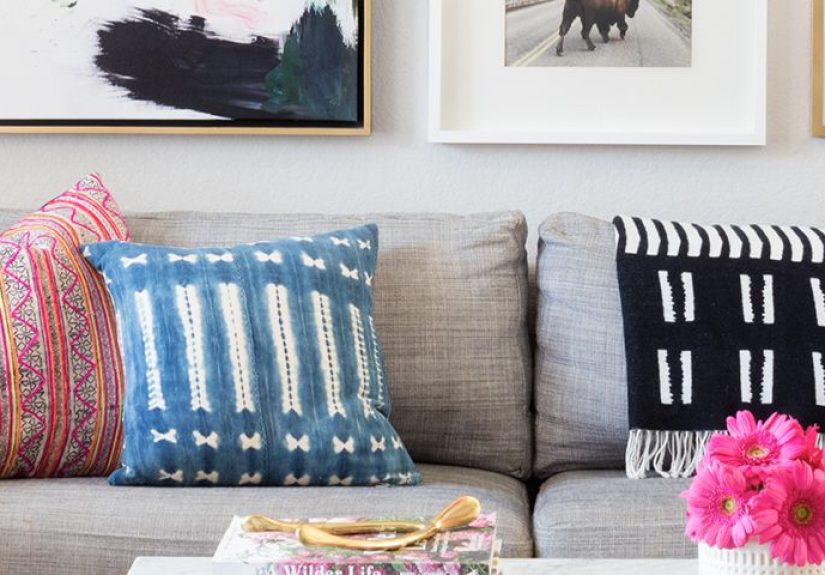
Homes are getting braver with pattern, especially when anchored by solids and neutrals. The trick is scale: combine a large pattern with
a medium one and a small one so they don’t compete.Try it: Pair a striped rug with floral pillows and a small-scale geometric throwthen repeat one color across all three.
-
Stripes Everywhere
Stripes are having a moment beyond traditional “preppy.” They’re showing up on wallpaper, rugs, upholstery, and even painted ceilings.
Stripes add structure, movement, and a sense of tailored style.Try it: Use a striped runner in a hallway or on stairs for a high-impact upgrade that doesn’t require new furniture.
-
Checkerboard and Graphic Floors
Checkerboard patternstile, vinyl, painted woodadd instant personality and a hint of vintage flair. Done in softer tones, it feels playful
without looking like a diner.Try it: A small bathroom floor is the perfect place for a checkerboard tile moment.
-
Vintage and Antique Revival
People are mixing in older piecesantiques, vintage lighting, inherited furniturebecause they add soul. A room with at least one “found”
piece feels more personal than a full matching set.Try it: Swap one mass-market side table for a vintage chest or small console. The “collected” vibe arrives immediately.
-
Grandmillennial Style (Traditional, But Fun)
Think classic silhouettes, needlepoint, skirted furniture, florals, and tailored stripesupdated with fresher color palettes and less
formality. It’s traditional design with a wink.Try it: Add a pleated lampshade or a classic floral print in one spot, then keep the rest of the room clean-lined.
-
Neo Deco (Art Deco, Modernized)
Geometric shapes, curved corners, rich materials, and glamorous metals are creeping back in. The updated version is less “Great Gatsby set”
and more “sleek cocktail lounge at home.”Try it: Add a scalloped mirror, fluted cabinet, or geometric lighting fixture to bring in the vibe without overcommitting.
-
Mixed Metals (The Matchy-Matchy Era Is Over)
Rooms look more layered when metals don’t perfectly match. Warm brass, aged bronze, blackened steel, and nickel can coexist if there’s a plan.
Repetition is what makes mixing look intentional.Try it: Pick one “dominant” metal (like brass), one “supporting” metal (like black), and repeat each at least twice.
-
Oversized Statement Lighting
Lighting is becoming sculpture: oversized pendants, dramatic chandeliers, and interesting shapes. A great light fixture can anchor a room
and make basic furniture look elevated.Try it: Put a statement pendant over a dining table or in an entrywaytwo places where you’ll get maximum impact.
-
Textured Walls: Plaster, Limewash, and Soft Tactility
Flat walls are getting a glow-up. Textured finishes add depth, warmth, and a handmade feel. They also help a monochrome palette look rich instead of boring.
Try it: Use a limewash-style paint effect on one feature wall, or add plaster texture in a niche or behind a bed.
-
“Quiet Luxury” (Understated, Not Underwhelming)
Quiet luxury is about quality materials, thoughtful shapes, and restraintwithout looking sparse. You’ll see tailored upholstery, clean lines,
and timeless pieces that don’t shout for attention.Try it: Invest in one high-quality item (a rug, sofa, or dining table) and keep the surrounding decor simple and intentional.
-
Natural Stone That Acts Like Artwork
Stone is becoming a focal point: dramatic veining, thicker edges, and larger slabs on counters, backsplashes, and fireplace surrounds.
Even “quieter” stones feel luxurious when used boldly.Try it: If a full slab backsplash is too much, bring the trend in with a stone tray, tabletop, or side table.
-
Richer, Darker Wood Tones
The pale-wood era is cooling off in favor of walnut, mahogany, and deeper stains. Darker woods add contrast and look especially good with
creamy walls and warm metals.Try it: Add a walnut coffee table or a vintage dark-wood dresser. It grounds a space instantly.
-
Washed Linen and Relaxed Textiles
People are prioritizing comfort and tactilityfabrics that look better when they’re lived in. Washed linen, nubby cotton, and soft wool blends
bring warmth without fussiness.Try it: Linen curtains, a rumpled linen duvet cover, or a textured throw gives a room a soft, effortless finish.
-
Natural Fibers (But Less “Overdone”)
Rattan, cane, jute, seagrass, and woven textures are still popularjust used more carefully. Instead of filling a room with woven everything,
designers are using these materials as accents.Try it: Pick one woven piece (a basket, pendant, or chair) and mix it with other textures like wood and linen.
-
Biophilic Design (Bring the Outdoors In)
Biophilic design isn’t just “add plants.” It’s using natural light, organic shapes, natural materials, and views of greenery to create a calmer
home environment. It’s the decor version of a deep breath.Try it: Add a tall plant near a window, use wood and stone materials, and choose nature-inspired colors like greens and earthy browns.
-
Wellness-First Homes
Wellness design is rising: better lighting, improved air quality, calming color choices, and spaces designed for rest. Think of it as decorating
with your nervous system in mind.Try it: Add layered lighting (ambient + task + accent), choose low-VOC paints, and create one “unplug zone” with soft seating and no screens.
-
Flexible Rooms and Multifunctional Spaces
Homes are working harderguest room + office, dining room + homework zone, living room + workout corner. The trend is about flexibility without
turning every room into a storage closet.Try it: Use a wall-mounted desk, a sleeper sofa, or a storage bench to add function while keeping the room attractive.
-
Cozy Nooks, Alcoves, and Small Architectural Moments
Built-in reading nooks, book alcoves, window seats, and small millwork details are popular because they make homes feel custom. Even a tiny nook
can make a space feel more “designed.”Try it: Create a nook with a chair, a small table, a lamp, and a dedicated shelf. It’s a vibeeven in a studio apartment.
-
Gallery Walls and Collected Art
Personal art collections are replacing generic prints. Gallery walls are back, but with more intentionmixing sizes, frames, and mediums in a way
that looks curated rather than chaotic.Try it: Start with 5–7 pieces in a consistent color palette. Lay them out on the floor first so you don’t play “nail roulette.”
-
Statement Staircases (Runners, Refinishing, and Pattern)
Stairs are getting attention: patterned runners, updated railings, and color moments. Since staircases are visual “connectors” between floors,
upgrading them can change the whole home’s feel.Try it: Add a striped or patterned runner for impact and softness underfootespecially in homes with echo-prone hallways.
-
Outdoor Living Rooms (Real Furniture, Real Comfort)
Outdoor spaces are being treated like true rooms: comfy seating, layered lighting, rugs made for weather, and dining areas built for actual use.
The goal is to make outside feel as livable as inside.Try it: Add outdoor curtains, lantern-style lighting, and a “living room” layout (sofa + chairs + table) instead of scattered pieces.
-
Subtle Smart Home Integration
Smart home tech is moving from “look at my gadgets!” to “why does everything just work?” Smart lighting, hidden charging, and clean cable management
help homes feel calmer and more functional.Try it: Install smart bulbs with warm presets and use cord covers or furniture with built-in cable routing for a cleaner look.
Quick Room-by-Room Cheat Sheet
- Living room: Curved furniture + layered textures + oversized lighting = instant update.
- Bedroom: Washed linen bedding + warm neutrals + a cozy reading nook feel restful, not sterile.
- Kitchen: Mix metals, add richer wood tones, and consider a statement stone moment (even if it’s just a tray or cutting board).
- Bathroom: Try color drenching or graphic tile in a small space for maximum drama with minimal commitment.
- Entryway: A bold light fixture and a patterned runner make the first impression feel intentional.
Common Mistakes to Avoid
- Over-trending: If every item is a “moment,” nothing is a moment. Mix trend pieces with classics.
- Ignoring lighting: Even the best color looks sad under harsh bulbs. Layer your lighting.
- Buying sets: Matching furniture sets often look flat. Collected rooms feel more real.
- Skipping texture: If your palette is neutral, texture is your best friend.
Real-Home Experiences: What These Trends Feel Like Day to Day
Trends look amazing in photos, but living with them is the real test. In everyday homes, the biggest “wow” factor usually comes from changes that
affect mood and functionnot just aesthetics. For example, people who switch from cool gray rooms to warmer neutrals often describe the space as
feeling softer and more relaxing, especially at night. It’s less about being trendy and more about your home finally feeling like it’s on your side.
Color drenching is another trend that surprises peoplein a good way. Many homeowners worry it’ll feel too intense, but in smaller spaces like
powder rooms or hallways, the effect can feel cozy and confident. The “experience” is immersive: you walk in and the room has a clear personality.
The most common lesson is to test the color under different lighting. Morning sun and evening lamps can make the same paint shade behave like two
different roommates.
Curated maximalism tends to be the most rewardingand the most emotionally satisfyingbecause it’s rooted in personal stories. Real homes with
layered art, books, and collected objects often feel more welcoming to guests (and more comforting to the people who live there). The practical
takeaway: display what you love, but edit what you don’t. The best “maximalist” rooms usually have hidden storage doing quiet hero work behind the scenes.
When it comes to texture trends (linen, plaster finishes, natural fibers), the day-to-day experience is mostly about comfort and visual warmth.
Linen curtains diffuse light beautifully, but they also move with airflow and make a room feel alive. Textured walls hide minor imperfections
better than flat paint, which can be a relief in high-traffic homes. The biggest surprise? Texture often reads as “expensive” even when the items
aren’tbecause it adds depth your eye recognizes as intentional design.
Wellness-driven design might be the most practical trend of all. Homes that add layered lighting (instead of one overhead “interrogation light”)
tend to feel calmer immediately. People often notice they use rooms differently when lighting is flexible: a living room becomes a real place to
unwind, not just a place to watch TV. Small upgradeslike warm bulbs, a bedside lamp you actually like, or a reading cornercan shift routines and
make home feel more restorative.
Finally, the “flex space” trend is the one most households end up adapting over time. Real life changes fast: work-from-home schedules shift,
kids grow, hobbies appear, and suddenly the dining table is doing three jobs. The best experience comes from setting up rooms with gentle boundaries:
a beautiful basket for cables, a cabinet for work supplies, a room divider for visual separation, or a storage bench that hides clutter in seconds.
Flexibility isn’t about making your home perfectit’s about making it forgiving.
Conclusion
The best home decor trends aren’t rulesthey’re tools. Use warm neutrals and rich textures to create comfort, add color and pattern to express
personality, and choose flexible layouts that support your real life. If you take one idea from this list, let it be this: a stylish home isn’t
the one that follows every trend. It’s the one that feels like it belongs to you.