Table of Contents >> Show >> Hide
- Before You Start: When Peroxide Is a Bad Idea
- How Peroxide Works in the Ear
- Way #1: Use Peroxide Drops Alone to Soften Earwax
- Way #2: Use Peroxide First, Then a Gentle Warm-Water Rinse
- Way #3: Use an Over-the-Counter Peroxide Earwax Removal Product
- What Not to Do
- Signs the Problem May Be Earwax
- When to See a Doctor Instead of DIY-ing It
- Common Questions About Cleaning Ears with Peroxide
- Real-World Experiences with Cleaning Ears Using Peroxide
- Final Thoughts
Quick note: Earwax is not your enemy. It is more like your ear’s weird but hardworking security guard. It traps dust, helps protect the skin in the ear canal, and usually moves out on its own. The trouble starts when wax builds up, hardens, or gets shoved deeper by cotton swabs, earbuds, or determined fingers that should really find a different hobby.
If your ears feel plugged, your hearing seems muffled, or you keep getting that “there is definitely something in there” sensation, hydrogen peroxide may help soften and loosen earwax. That is the key idea here: peroxide is usually used for wax buildup, not for routine everyday ear cleaning. And while it can be helpful, it is not a free-for-all science experiment. Used the right way, it can make wax easier to drain or remove. Used the wrong way, it can irritate the ear canal or make an existing problem worse.
This guide covers three practical ways to clean ears with peroxide, plus the important safety rules, common mistakes, and real-world experiences people often have when they try it. If you want the short version, here it is: use peroxide gently, use it briefly, never poke anything into your ear, and stop if your ear hurts or drains.
Before You Start: When Peroxide Is a Bad Idea
Do not use peroxide in your ear if you have:
- Ear pain that is significant or getting worse
- Fluid, pus, blood, or ongoing drainage from the ear
- A known or suspected ruptured eardrum
- Ear tubes
- Recent ear surgery
- Severe dizziness, marked hearing loss, or balance problems
- A history of repeated ear infections unless a clinician has told you this method is safe for you
If you are not sure whether your problem is wax, that matters. Ear fullness, ringing, pain, and muffled hearing can also happen with infection, fluid behind the eardrum, or other ear conditions. In other words, not every clogged-feeling ear is just being dramatic.
How Peroxide Works in the Ear
Hydrogen peroxide helps soften and break up earwax. You may also see carbamide peroxide in over-the-counter ear drops. It is a peroxide-based ingredient commonly used for earwax removal. When peroxide touches wax, it often bubbles or fizzes. That sound can be strangely satisfying, like your ear is quietly opening a can of soda. The bubbling does not mean “better” or “stronger,” though. It just means oxygen is being released.
Peroxide works best for minor to moderate wax buildup. It may be less helpful for a very hard blockage, a very narrow ear canal, or wax that has been packed in by cotton swabs. In those cases, a clinician may need to remove the wax with irrigation, suction, or special instruments.
Way #1: Use Peroxide Drops Alone to Soften Earwax
This is the simplest method and often the best place to start if your ear feels mildly plugged but you do not have severe symptoms.
What You Need
- Hydrogen peroxide 3% or a peroxide-based earwax removal drop
- An eyedropper or the dropper that came with the product
- A towel
How to Do It
- Wash your hands.
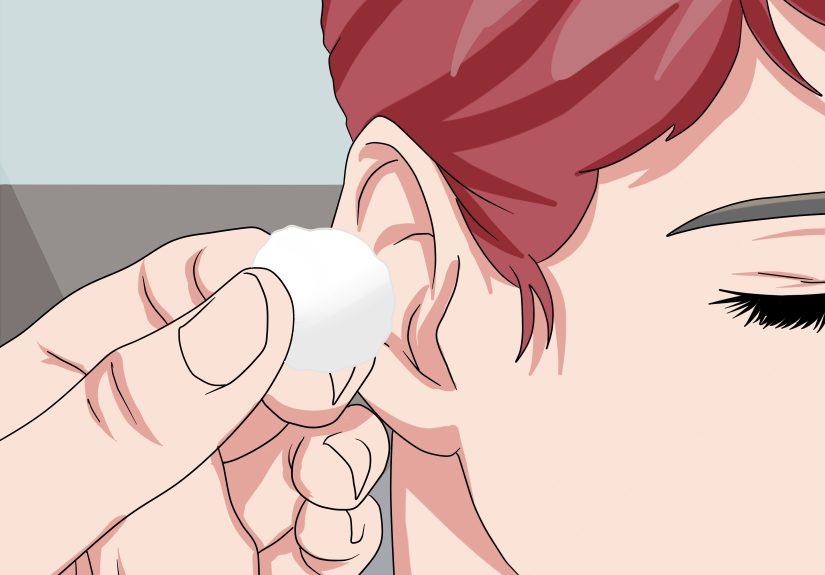
- Lie on your side or tilt your head so the affected ear faces up.
- Place a few drops into the ear canal. Do not jam the dropper into the ear.
- Stay in that position for several minutes so the liquid can work through the wax.
- Sit up and tilt your head the other way to let the liquid drain onto a towel.
- Wipe only the outer ear with a clean cloth. Do not insert cotton swabs.
Why This Method Works
Peroxide drops alone can soften wax enough that it drains out naturally over time. This approach is gentle, simple, and less messy than full irrigation. It is often a good choice for people who suspect mild wax buildup but do not want to go full bathroom-lab mode on day one.
Best For
- Mild earwax buildup
- That “my ear feels weirdly full” feeling
- People who want to start with the least aggressive option
Watch Out For
A temporary fizzing sound, mild tickling, or a little fullness can happen. Stop if you feel pain, burning, dizziness, or worsening pressure. Peroxide can also be drying, so it is not something to use as a daily habit just because you enjoy the bubbles.
Way #2: Use Peroxide First, Then a Gentle Warm-Water Rinse
If drops alone do not do the trick, the next step is often to soften the wax with peroxide and then flush gently with body-temperature water. This can help move loosened wax out of the canal.
What You Need
- Hydrogen peroxide 3% or peroxide-based wax-softening drops
- A bulb syringe or ear irrigation bulb
- Clean, body-temperature water
- A towel or sink
How to Do It
- Use peroxide drops first and let them sit in the ear for several minutes.
- Drain the ear onto a towel.
- Fill a bulb syringe with body-temperature water. Not cold. Not hot. Your ear is not a tea kettle.
- Tilt your head over a sink and gently pull the outer ear up and back to help straighten the canal.
- Direct a gentle stream of water toward the ear canal wall, not forcefully straight inward.
- Let the water and loosened wax drain out.
- Dry the outer ear with a towel.
Why This Method Works
Peroxide softens the wax; water helps wash it out. This combination is often more effective than drops alone for wax that is a little more stubborn. If the blockage is soft enough, you may see small pieces of wax come out or notice that hearing improves soon after.
Important Safety Tip
Use gentle pressure only. Forceful irrigation can injure the ear canal or eardrum. Also, skip this method completely if you may have a hole in the eardrum, ear tubes, recent ear surgery, or active drainage.
Best For
- Moderate wax buildup
- Wax that did not budge with drops alone
- People using a standard bulb syringe, not a high-pressure device
Way #3: Use an Over-the-Counter Peroxide Earwax Removal Product
If you want the easiest option, a store-bought peroxide-based earwax remover can be convenient. These products commonly contain carbamide peroxide and come with instructions and a dropper, which is handy if your bathroom cabinet is not exactly stocked like a small clinic.
How to Use It Safely
- Read the package directions carefully.
- Use only the recommended number of drops and the recommended frequency.
- Keep your head tilted or lie on your side for the time suggested on the label.
- Let the ear drain.
- If the instructions include a gentle rinse, follow them exactly.
Why This Method Works
Peroxide-based products are designed specifically to soften earwax and are usually the most straightforward way to try peroxide at home. The formula, dropper, and directions are already set up for the job, which takes some of the guesswork out of the process.
Best For
- People who want a ready-made product
- Short-term treatment of obvious wax buildup
- Those who prefer to follow labeled instructions rather than DIY measurements
What Not to Do
Do Not Use Cotton Swabs
Cotton swabs usually push wax deeper. They are less “cleaning tool” and more “tiny wax ramrod.” They can also scratch the ear canal or injure the eardrum.
Do Not Try Ear Candling
Ear candling is not a smart shortcut. It is not proven to remove wax effectively, and it can cause burns and other injuries. Your ears do not need a scented spa ritual involving fire.
Do Not Use Peroxide All the Time
Repeated or long-term use may irritate or dry the skin in the ear canal. Peroxide is a tool for occasional wax management, not part of a daily skin care routine for your ears.
Do Not Keep Going If It Hurts
Mild fizzing is normal. Pain is not. If you feel pain, sharp discomfort, worsening pressure, or dizziness, stop and get medical advice.
Signs the Problem May Be Earwax
- Muffled hearing
- A full or plugged sensation
- Mild itching
- Ringing in the ear
- A feeling that something is stuck
These symptoms can happen with earwax, but they are not exclusive to earwax. If symptoms are strong, sudden, or come with pain, fever, drainage, or balance trouble, get checked instead of guessing.
When to See a Doctor Instead of DIY-ing It
See a healthcare professional if:
- Your hearing suddenly drops
- Your ear hurts
- You have drainage, bleeding, or fever
- You tried peroxide and the ear still feels blocked after a short course
- You wear hearing aids and keep getting wax problems
- You have diabetes, a weakened immune system, or a history of ear surgery
- You are caring for a child and are not sure whether the issue is wax or infection
Professional earwax removal is often quick and much less dramatic than people imagine. A clinician may use suction, curettage, or irrigation depending on the situation. Sometimes the fastest path is simply letting someone with a light and actual training take over.
Common Questions About Cleaning Ears with Peroxide
Can peroxide damage your ears?
It can irritate the ear canal if overused or if the ear is already inflamed. It can also be unsafe if there is a perforated eardrum, drainage, or recent ear surgery. Used appropriately for short-term wax softening, it is commonly recommended for some people.
How often can you use peroxide in your ears?
Think short-term, not forever. If you need frequent wax management, repeated peroxide use is not the best long-game strategy. Talk with a clinician about safer prevention or regular professional cleaning.
Should you clean your ears routinely?
Usually, no. Most ears are self-cleaning. If you are not having symptoms, the best ear-cleaning plan is often to leave the ear canal alone and wash only the outer ear.
Real-World Experiences with Cleaning Ears Using Peroxide
People often expect peroxide ear cleaning to feel dramatic, and honestly, sometimes it does. One of the most common experiences is hearing fizzing, crackling, or bubbling right after the drops go in. For many people, that sensation feels oddly productive, like something important is happening in there. Usually, it just means the peroxide is reacting and releasing oxygen while it softens the wax. It can sound louder than expected because, well, it is happening inside your ear.
Another common experience is a temporary feeling of fullness. That can be frustrating because many people try peroxide because their ear already feels clogged. After the drops go in, the ear may briefly feel even more blocked before it starts draining. That does not always mean something is wrong. Sometimes the wax softens first, swells a bit, and then loosens enough to come out. The key is what happens next. If the ear gradually feels better, that is a good sign. If the pressure gets painful or your hearing drops more, it is time to stop.
Some people notice that small flecks or thin brown liquid come out after draining or gentle rinsing. Others get a surprisingly satisfying result: a larger piece of softened wax comes out, and their hearing seems clearer almost immediately. That kind of before-and-after moment can feel magical. Suddenly the room sounds brighter, your own voice no longer echoes in your head, and you realize your ear had basically been wearing a wax sweater.
Not every experience is a success story on the first try. A lot of people find that peroxide helps a little but does not completely solve the problem. That is especially true when the wax is very hard, has been packed deep by cotton swabs, or keeps building up because of hearing aids, earbuds, or naturally narrow ear canals. In those cases, peroxide may soften the blockage without fully removing it. That does not mean you failed. It usually means the wax needs a different method or a professional cleaning.
Dryness is another experience worth mentioning. Some people feel mild itchiness or dryness in the ear canal after using peroxide more than once. That is one reason experts do not recommend using it like a weekly ritual. Your ears are not cast-iron pans. They do not need frequent stripping and reseasoning.
Then there are the red-flag experiences: pain, burning, dizziness, worsening hearing, or drainage. Those are not “push through it” moments. Those are stop-right-now moments. They may mean the ear canal is irritated, the eardrum is not intact, or the problem was never simple wax in the first place.
The most useful takeaway from real-world experience is this: peroxide can be helpful for the right problem, in the right ear, for a short time. When it works, it works quietly and simply. When it does not, your ear usually tells you pretty quickly.
Final Thoughts
If you are dealing with earwax buildup, peroxide can be a practical option when used carefully. The three main approaches are simple: peroxide drops alone, peroxide followed by gentle warm-water irrigation, and an over-the-counter peroxide-based earwax remover. All three aim to soften wax so it can drain or be removed more easily.
The most important part is not the peroxide itself. It is knowing when to use it, when to stop, and when to let a clinician step in. If there is pain, drainage, a possible eardrum problem, or symptoms that do not improve, skip the home experiment and get your ear checked. Your future hearing will appreciate the restraint.