Table of Contents >> Show >> Hide
- Before Anything Else: Safety + A Quick Damage Check
- Way #1: Temporary Repair (Secure + Weatherproof Fast)
- Way #2: Replace a Single-Pane Window Glass (Classic Putty-and-Points Repair)
- Way #3: Replace the IGU or Sash in a Double-Pane Window (Modern Window Fix)
- Choosing the Right Fix: A Simple Decision Guide
- Conclusion: Fix the Window, Keep the Comfort (and Your Sanity)
- Real-World Experiences: of Lessons People Learn the Hard Way
A broken window has a special talent: it can turn a calm Tuesday into a drafty, crunchy, “why is my living room whistling?” situation in about three seconds. Whether it’s a stray baseball, a storm-thrown branch, or that one stubborn sash you “gently encouraged” open (and it gently encouraged itself to crack), the game plan is the same: make it safe, keep weather and critters out, and choose the right repair so you don’t throw money (or heat/AC) straight out the hole.
Below are three practical, homeowner-friendly optionsranging from “right now” temporary fixes to more permanent repairs for single-pane and double-pane windows. You’ll also find decision tips, cost realities, and the kind of hard-earned lessons people only learn after taping plastic to a window at midnight while it’s raining sideways.
Before Anything Else: Safety + A Quick Damage Check
Let’s start with the unglamorous truth: broken glass doesn’t care about your weekend plans. If the pane is shattered or cracked, treat the area like it’s covered in invisible thumbtacks. Your first job is to make the scene safeespecially if kids, pets, or distracted adults (hi) are nearby.
5-minute safety checklist
- Protect yourself: wear cut-resistant or sturdy work gloves and eye protection.
- Control the zone: keep kids/pets out, and put a drop cloth or old sheet under the window to catch crumbs.
- Remove loose glass carefully: pick up big pieces first, then smaller fragments (a shop vac helps, but be gentle).
- Don’t force the sash: if the frame is bent or the sash is jammed, forcing it can crack more glass.
- Look for the “type” of window problem: single pane vs. double pane (IGU), cracked glass vs. fog between panes, frame damage, hardware damage.
Quick diagnosis: what kind of “broken” are we dealing with?
- Single-pane glass (often older wood windows): one sheet of glass held with glazing putty and tiny metal points. If the glass is cracked or missing, you can often replace just the pane.
- Double-pane window (common in modern homes): two panes sealed as an insulated glass unit (IGU). If one side breaks, you typically replace the IGU (or sometimes the whole sash), not just one thin pane.
- Fog or condensation between panes: usually a failed seal. It’s not something you can wipe away or “re-seal” for a true fix. Plan on IGU or sash replacement (and check the warranty).
- Frame damage or rot: if the sash/frame is cracked, warped, or rotted, repairing glass alone may be a short-term bandage.
Once you know what you’re dealing with, pick a repair route. And yesyou can combine them: do a temporary weatherproof cover tonight, then do a permanent pane/IGU replacement when stores are open and your patience has respawned.
Way #1: Temporary Repair (Secure + Weatherproof Fast)
This is the “stop the bleeding” option. It’s perfect when the glass is shattered, the weather is rude, or you need time to order the correct replacement. A good temporary fix does three things: keeps water out, reduces drafts, and discourages easy entry.
Best for
- Shattered panes, storm damage, break-ins
- Waiting on custom glass/IGU orders
- Any situation where you need an immediate barrier
Materials that work (in real life)
- Heavy-duty plastic sheeting (or a tarp) + painter’s tape/duct tape (short term, weather barrier)
- Rigid plastic panel (like polycarbonate) + screws/washers (better durability, still “temporary”)
- Plywood/OSB board + exterior screws (best for security and storms, less cute for curb appeal)
How to do it without making it worse
- Clear loose shards. Remove broken pieces that could fall later. If shards are stuck in glazing/trim, don’t pry aggressivelystabilize first.
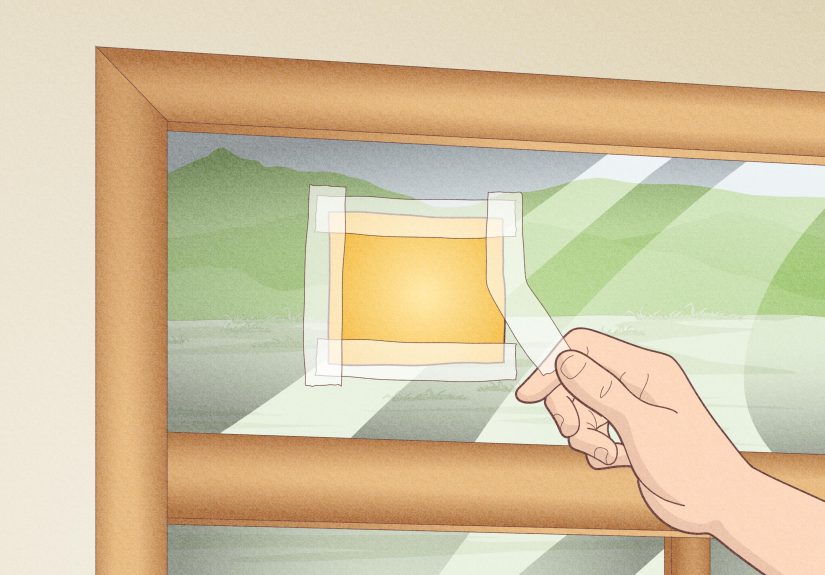
- Cover the opening. For plastic: cut a sheet larger than the opening and tape it to the frame (not to loose glass). For plywood: cut to overlap the frame and fasten into solid framing, not just flimsy trim.
- Seal the edges. Tape seams to reduce drafts and water intrusion. Think “wind tunnel prevention,” not “arts and crafts.”
- Plan your permanent fix. Temporary is not a personality traitset a date to replace the glass/IGU before the next storm reminds you.
Common mistakes (aka: how people end up redoing this twice)
- Cardboard “repairs” that melt into a soggy regret the first time it rains.
- Taping directly over cracked glass and assuming it’s stable. Tape can help hold cracks together, but it doesn’t restore strength.
- Screwing plywood into only trim (it may rip out in wind). Aim for sturdy framing whenever possible.
Temporary fixes are unsexy but powerful: they buy time, protect interiors, and prevent a small repair from becoming a mold-and-drywall saga.
Way #2: Replace a Single-Pane Window Glass (Classic Putty-and-Points Repair)
If you have an older wood window (or certain storm windows), you may be able to replace just the glass pane. This is the most satisfying DIY option because it’s a true repairnot a full window replacementand it can restore the window’s original look.
Best for
- Older wood windows with glazing putty
- One broken pane where the sash/frame is still solid
- Homeowners comfortable working carefully and patiently
Tools + supplies (typical list)
- Work gloves, eye protection
- Putty knife (or glazing tool)
- Glazing points (small metal tabs that hold glass)
- Window glazing compound (glazing putty)
- Replacement glass cut to size (many hardware stores can cut it)
- Optional: primer/paint for bare wood; a heat tool can help soften old putty (use cautiously)
Step-by-step overview (the calm version)
- Remove the sash if possible. Working on a stable surface is easier than balancing on a ladder while negotiating with gravity.
- Take out old putty and glazing points. Scrape out brittle compound and pull old points. Go slowrushing here is how trim gets damaged.
- Prep the rabbet (the groove where glass sits). Clean out debris. If wood is bare, a light prime can help new glazing adhere and last.
- Set the new glass. Bed it into a thin layer of glazing compound so it seals evenly and doesn’t rattle.
- Install glazing points. Space them so the pane is secure (often every several inches depending on pane size).
- Apply the final glazing bead. Smooth the putty at an angle for a clean line. Let it cure as directed before painting.
Pro tips that keep this from turning into a “why is it wavy?” situation
- Measure twice, order once. Glass should fit with a tiny bit of wiggle roomtoo tight invites stress cracks.
- Fix the cause, not just the symptom. If the sash is loose or racking, it can keep breaking glass.
- Paint protects. Once glazing cures, paint helps seal it against water and UV, extending the life of the repair.
This repair can be surprisingly budget-friendly when the sash is in good shape, especially compared with full window replacement. It’s also a win for historic homes where matching profiles matters.
Way #3: Replace the IGU or Sash in a Double-Pane Window (Modern Window Fix)
Most newer windows are double-pane for energy efficiency. That means you’re usually not replacing a single sheet of glassyou’re replacing an insulated glass unit (IGU) or, in some cases, the entire window sash. The good news: replacing an IGU can be far less expensive than replacing the full window frame, especially if the frame is still in great condition.
Best for
- Cracked/broken glass on modern double-pane windows
- Fogging or condensation trapped between panes (seal failure)
- Homeowners who want to keep the existing frame and trim intact
How to decide: IGU vs. full window replacement
- Replace the IGU or sash if the frame is solid, the window operates well, and the issue is limited to the glass/seal.
- Consider full window replacement if you have major frame rot, repeated leaks, chronic operation problems, or you want a significant energy-efficiency upgrade across the home.
What “failed seal” really means
If you see fog or moisture between the panes that doesn’t wipe off, the seal around the IGU has likely failed. That seal helps keep moisture out and insulating gas in. Once it’s compromised, the window’s performance drops and the view gets… moody. The most reliable fix is replacing the IGU (or sash), not trying to reseal the edges with a miracle tube of something.
High-level steps (what happens in a typical repair)
- Identify the window brand and model if possible. Labels may be on the sash, spacer bar, or frame.
- Measure the IGU precisely. Thickness matters, not just height/width.
- Order the correct replacement unit. Matching low-e coatings, tempered glass needs, and patterns (if any) can matter.
- Remove stops or disassemble the sash (varies by window type). Some snap-in stops are DIY-friendly; others are finicky.
- Install the new IGU with proper setting blocks and seal method. Then reinstall stops and confirm operation.
When you should call a pro (no shame, only wisdom)
- Large panes, upper-story windows, or awkward access
- Tempered or laminated glass requirements (common near doors, bathrooms, and certain locations)
- Structural frame damage or water intrusion into the wall
- You’re not sure what you’re ordering (wrong IGU sizes are expensive “decorative mistakes”)
If you’re comparing costs: glass repair or replacement might range widely depending on size and window type, while full window replacement is typically a bigger project. The sweet spot for many homeowners is replacing the IGU or sash when the frame is still goodespecially if the damage is isolated to one window.
Bonus: Use this moment to upgrade smartly
If you’re already replacing glass, consider whether you want upgrades like low-e glass, improved U-factor performance (often shown on NFRC labels), or laminated glass for added durability. Not every situation needs an upgrade, but if the window gets brutal sun or weather exposure, better glass can pay you back in comfort.
Choosing the Right Fix: A Simple Decision Guide
Pick Way #1 (Temporary Repair) if:
- There’s an active opening to weather or security risk.
- You need time to order the correct glass/IGU.
- You’re dealing with storm damage, break-in damage, or after-hours chaos.
Pick Way #2 (Single-Pane Replacement) if:
- Your window is a traditional glazed sash (often wood) with putty/points.
- The frame is solid and you want a true repair without replacing the whole unit.
- You’re comfortable working carefully with old glazing and trim.
Pick Way #3 (IGU/Sash Replacement) if:
- Your window is double-pane and the glass is cracked, shattered, or fogged between panes.
- You want to keep the existing frame and avoid a full replacement project.
- Energy efficiency matters and you want to restore performance quickly.
If you’re still torn, a good rule is: temporary cover now, correct replacement next. It’s the home-repair equivalent of putting on a jacket before you decide which coat to buy.
Conclusion: Fix the Window, Keep the Comfort (and Your Sanity)
A broken window is annoying, but it’s also one of those repairs where a smart approach saves money and prevents bigger problems. Start with safety, secure the opening fast, then choose the right permanent fix:
- Temporary repair to keep weather and intruders out (plastic, rigid panel, or plywood).
- Single-pane glass replacement for classic wood windowsrepairable, affordable, and satisfying.
- IGU or sash replacement for double-pane windowsoften the best path for fogging, seal failure, or cracked modern glass.
And remember: a window repair is never just about glass. It’s about keeping your home dry, secure, and energy-efficientso your HVAC isn’t working overtime trying to heat the neighborhood.
Real-World Experiences: of Lessons People Learn the Hard Way
The first time you deal with a broken window, you think it’s a simple “replace the glass” situation. The second time, you realize it’s actually a “replace the glass and prevent the next disaster” situation. Here are a few real-life-style lessons that show up again and again.
1) The “midnight plastic sheet” rite of passage
Someone always waits too long to secure the opening. It’s fine at 6 p.m. (“I’ll handle it after dinner”), still fine at 9 p.m. (“I just need one more episode”), and then at 1 a.m. the wind starts pushing rain through the frame like it’s trying to pressure-wash your curtains. That’s when people learn the difference between flimsy kitchen plastic wrap and heavy-duty plastic sheeting. The heavy-duty kind actually stays put, especially when you tape it to a clean, dry frame. The flimsy kind flaps like a sad sail and usually falls off at the exact moment you finally fall asleep.
2) Measuring is either a skill… or a comedy genre
If you’ve ever ordered replacement glass and thought, “Close enough,” you may have later met the terrifying sound of glass under stress. Too tight in the opening and it can crack from pressure, temperature changes, or a sash that racks slightly when you lock it. Many homeowners learn to measure carefully, note thickness, and double-check whether they’re dealing with single-pane glass or a double-pane IGU. The most common “oops” is assuming a double-pane window can be fixed by replacing just one pane. In most modern windows, the IGU is a sealed unitordering the wrong thing turns your repair into a collection of expensive rectangles that don’t fit.
3) The fog-between-panes heartbreak
A cracked pane is obvious. Fog between panes is sneaky. People try everything: wiping, dehumidifiers, even DIY “reseal” ideas. Then someone points out that moisture between panes usually means the seal failedand the insulating gas isn’t doing its job anymore. The lesson is simple: the reliable fix is replacing the IGU (or the sash), and it’s worth checking your window warranty before you pay out of pocket. Homeowners who do this early often save money. Homeowners who don’t… become experts in regret.
4) Temporary fixes aren’t just for weatherthey’re for security
After a break-in attempt or storm damage, a window opening isn’t just drafty; it’s an invitation. People discover quickly that cardboard looks like a solution until you realize it can be moved with one determined finger. Plywood is not glamorous, but it’s the “serious adult” option that discourages opportunistic trouble and buys time until proper repairs happen. Some homeowners even keep a small sheet of plywood and a few exterior screws on hand after the first incidentbecause nobody wants to shop for building supplies while stressed and sleep-deprived.
5) The best repairs include prevention
The most satisfying window fix is the one you don’t have to repeat. People add simple prevention steps afterward: trim nearby branches, fix a sticky latch that makes you slam the sash, install better locks, or upgrade to glass options that better fit their home (especially in high-impact areas). The real win isn’t just “the window looks normal again.” It’s “the house stays comfortable, secure, and drywithout surprise sequels.”