Table of Contents >> Show >> Hide
- Before You Start: What Pantry Moths Look Like and Why They Show Up
- Way #1: Find the Source and Throw Out the Infested Food
- Way #2: Deep Clean the Pantry and Break the Life Cycle
- Way #3: Use Traps and Airtight Storage to Stop the Comeback Tour
- Mistakes People Make When Fighting Pantry Moths
- How Long Does It Take to Get Rid of Pantry Moths?
- Final Thoughts: The Best Pantry Moth Strategy Is a Combo, Not a Shortcut
- Experiences and Lessons From Real Pantry Moth Battles
- SEO Tags
Pantry moths are the uninvited dinner guests nobody remembers inviting. One day your kitchen is peaceful and civilized. The next day, a tiny moth flutters out of the cereal box like it pays rent. If that sounds familiar, you are probably dealing with pantry moths, often called Indian meal moths, one of the most common stored-food pests in American homes.
The good news is that getting rid of pantry moths is absolutely doable. The bad news is that it takes more than swatting the occasional flyer and declaring victory. Adult moths are just the visible part of the problem. The real chaos agents are the larvae, which feed on dry goods and leave behind webbing, shed skins, and enough disgust to make you suddenly distrust every bag of flour in the house.
This guide breaks the process into 3 smart ways to get rid of pantry moths, plus prevention tips, common mistakes to avoid, and real-life lessons from people who have gone toe-to-wing with these kitchen freeloaders. If you want a clean pantry, fewer flying surprises, and the confidence to open a bag of rice without emotional preparation, start here.
Before You Start: What Pantry Moths Look Like and Why They Show Up
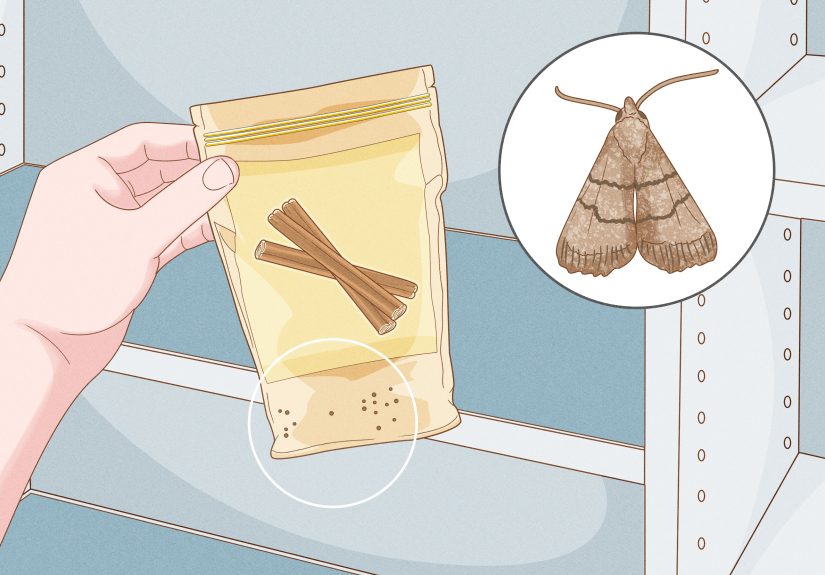
Pantry moths usually arrive by hitchhiking inside food packages you brought home from the store. That means the infestation may begin long before you ever notice a moth flying near your lights. They love dry goods such as flour, cereal, rice, pasta, crackers, nuts, seeds, dried fruit, spices, baking mixes, birdseed, and pet food.
Common signs of pantry moths
If you are not sure whether you have pantry moths, watch for these classic clues:
- Small moths fluttering around the kitchen, especially at night or near lights
- Silky webbing inside food packages or along shelf corners
- Tiny larvae crawling on walls, ceilings, or inside cupboards
- Clumps in flour, grains, or dry mixes that should not be clumping unless they got together for emotional support
- Tiny holes or suspicious damage in thin cardboard or plastic packaging
Once you know what you are seeing, it is time to stop admiring your detective skills and start the cleanup.
Way #1: Find the Source and Throw Out the Infested Food
The first and most important way to get rid of pantry moths is brutally simple: find what they are feeding on and remove it. No source, no buffet. No buffet, no moth nursery.
Inspect everything, not just the obvious stuff
Do not stop at the open cereal box and call it a day. Pantry moths are equal-opportunity snackers. Check:
- Flour, cornmeal, oats, rice, pasta, and grains
- Granola, crackers, chips, baking mixes, pancake mix, and protein powders
- Nuts, dried fruit, candy, chocolate, and spices
- Pet food, birdseed, and rodent food
- Holiday baking supplies and forgotten “backup” ingredients shoved to the back of a shelf
Look carefully for webbing, larvae, clumping, odd dust, or movement. If you see any of that, the food is done. This is not the moment for optimism. Seal the infested item in a bag and take it outside to the trash right away.
Should you save mildly affected food?
Sometimes people try to salvage food that seems only lightly affected. In some cases, dry goods can be treated with cold or heat. But if you can clearly see webbing, larvae, or multiple life stages, tossing it is usually the faster, cleaner, less soul-draining choice. Pantry moths contaminate more food than they actually eat, which is rude and, frankly, impressive in the worst possible way.
Check nearby items too
Even if only one package looks infested, inspect nearby items. Pantry moths spread fast, and by the time you see adults flying around, the problem has often moved beyond a single box. Think like a suspicious roommate. If it sat near the troublemaker, it gets checked.
This first step is the foundation of pantry moth control. Without it, nothing else will work for long.
Way #2: Deep Clean the Pantry and Break the Life Cycle
Once the infested food is gone, the second way to eliminate pantry moths is to remove the eggs, larvae, and stray crumbs they can live on. This is where your vacuum becomes a tiny hero.
Empty the pantry completely
Take everything out. Yes, everything. Pantry moths love hidden corners, shelf-pin holes, cracks, and the little ledges where flour dust settles and nobody notices until it has apparently become a daycare center for insects.
Vacuum first, then wash
Use a vacuum with a crevice attachment to clean:
- Shelf corners and seams
- Cracks and crevices
- Cabinet joints and hinge areas
- The underside of shelf lips
- Any gap where crumbs or spilled grain may have collected
After vacuuming, wash shelves and the inside of the pantry with warm soapy water. Some people like to follow with a wipe-down using vinegar, but soap and water do the heavy lifting. The point is not creating a gourmet spa treatment for cabinets. The point is removing food residue and hiding places.
Do not forget the vacuum itself
When you finish, empty the vacuum canister or dispose of the bag outside. Otherwise, congratulations, you may have just relocated the problem into a machine with wheels.
Use temperature treatment when it makes sense
If you want to keep certain dry goods that appear uninfested or only questionably suspicious, temperature can help. Freezing vulnerable items for several days can kill pantry moth life stages, and heat treatment can also work for suitable foods. This is especially useful for things like flour, grains, or specialty ingredients you do not use often.
A smart habit is to freeze newly purchased flour, grains, nuts, seeds, or pet food for a few days before long-term storage if you have the freezer space. It is a little extra work up front, but it beats discovering a moth convention three weeks later.
Why cleaning matters so much
Here is the part people often underestimate: pantry moths can keep going on tiny amounts of spilled food. A tablespoon of old grain dust hidden in a cabinet seam can support the next round. That is why deep cleaning is not “extra.” It is part of the cure.
Way #3: Use Traps and Airtight Storage to Stop the Comeback Tour
The third way to get rid of pantry moths is really about ending the repeat performance. You want to catch any remaining adults, monitor activity, and make your pantry a terrible place to start a new generation.
Set pheromone traps the smart way
Pheromone traps are helpful, but they are often misunderstood. They attract adult male moths, which makes them great for monitoring and reducing breeding pressure. What they do not do is solve an infestation by themselves. If infested food remains in the pantry, the traps will catch some males while the larvae continue living their best worst lives in the pasta.
Place traps near the pantry or where you have seen moth activity. Check them weekly. If you keep catching moths after cleaning, it is a sign you may have missed a source. In other words, the trap is not just a control tool. It is also a tattletale.
Move all dry goods into hard, sealed containers
This step matters more than decorative labels, although we support beautiful labels emotionally. Use glass, metal, or thick plastic containers with tight-fitting lids. Thin bags and flimsy boxes are not enough. Pantry moth larvae can get through weak packaging, and eggs may already be on the outside of products when you bring them home.
Best foods to seal tightly include:
- Flour and baking mixes
- Rice, oats, cereal, and pasta
- Nuts, seeds, dried fruit, and chocolate
- Protein powders and snack mixes
- Pet food and birdseed
Practice pantry rotation
Use older products first and avoid letting half-open bags linger for months. A “first in, first out” system is not just for restaurant kitchens. It works beautifully in homes too. Pantry moths adore forgotten food, especially the kind you bought for a single recipe in 2024 and have been politely ignoring ever since.
Mistakes People Make When Fighting Pantry Moths
Only killing the flying moths
Swatting adults feels productive, but it is not the main fix. The larvae in food packages are the real problem.
Keeping questionable food out of guilt
If you are staring at a suspicious bag of oatmeal and trying to negotiate with reality, that is your sign. Toss it.
Using pantry sprays near food
Insecticide sprays are generally not the preferred solution for pantry moth infestations, especially around food storage areas. Source removal, sanitation, and storage upgrades are the smarter play.
Forgetting pet food and birdseed
Some of the worst infestations start outside the obvious baking aisle. Always check pet supplies and bulk foods.
Stopping too early
Even after the pantry looks clean, keep traps out for a while and stay alert. Pantry moth control often takes persistence for several weeks.
How Long Does It Take to Get Rid of Pantry Moths?
If you remove the source quickly and clean thoroughly, you may see a big improvement within days. But complete control can take several weeks because eggs, larvae, and pupae may still be maturing when you begin. The timeline depends on how early you caught the infestation and how aggressively you handled storage and sanitation.
Think of pantry moth removal as less of a dramatic one-night breakup and more of a firm, well-documented eviction process.
Final Thoughts: The Best Pantry Moth Strategy Is a Combo, Not a Shortcut
If you want the simple version, here it is: throw out infested food, deep clean the pantry, and seal everything going back in. That three-part approach is the most reliable way to get rid of pantry moths and keep them from coming back.
There is no glamorous shortcut, no magic herbal sachet, and no single trap that turns your pantry into a moth-free kingdom overnight. But if you are thorough, pantry moths are beatable. Annoying? Absolutely. Invincible? Not even close.
And once you have survived one infestation, you will never again look at a forgotten bag of almonds with blind trust. Personal growth comes in many forms. Sometimes it comes in airtight containers.
Experiences and Lessons From Real Pantry Moth Battles
People who deal with pantry moths tend to remember the moment they realized what was happening. It is rarely dramatic in a movie sense, but it is extremely dramatic in a “why is there a caterpillar on my ceiling above the toaster” sense. One common experience is assuming the moths came in through an open window, only to discover later that the real source was an old bag of flour, a forgotten box of crackers, or a giant sack of dog food tucked into a laundry room corner.
Another familiar story goes like this: someone throws out the visibly infested cereal, wipes the shelf, and assumes the crisis is over. Then, about a week later, more moths appear. This is usually the turning point when people realize pantry moths are not a single-box problem. They are a systems problem. The infestation may have spread to multiple products, and tiny crumbs or spills may still be supporting larvae in hidden areas.
Many homeowners also mention how surprising it is to find larvae wandering far from the pantry itself. They show up on walls, ceilings, and around light fixtures, which makes the infestation feel bigger and more mysterious than it really is. In reality, mature larvae often crawl away from the food source to pupate. So if you spot them near the ceiling, it does not mean the moths have learned advanced tactics. It just means their life cycle has moved into a new phase.
One of the most useful lessons people learn is that pantry moth traps are great indicators but poor miracle workers. Traps can be emotionally satisfying because they catch actual moths, which feels like visible progress. But experienced sufferers quickly learn that if the trap keeps filling up, there is still a food source somewhere nearby. The trap is reporting the crime, not solving it.
Another repeated lesson is that airtight storage changes everything. People who switch from paper, cardboard, and soft plastic to sealed containers often say it is the first time they feel in control. It also makes future inspections much easier. Instead of wondering whether that half-open box of cereal is suspicious, you can see what is going on right through the container. Transparency, it turns out, is good for both relationships and pantry management.
There is also a strong emotional arc in most pantry moth stories. At first: denial. Then disgust. Then deep-cleaning energy that could power a small city. Finally: calm, vigilance, and a new tendency to freeze flour “just in case.” After one infestation, many people become much more careful about rotating food, checking pet supplies, and not letting obscure baking ingredients age into archaeological specimens.
The most reassuring takeaway is that pantry moth problems usually end when people get methodical. Not frantic. Not fancy. Methodical. They inspect every dry good, remove the source, vacuum every crack, wash shelves, set traps, and store replacements properly. That is the winning formula. So if you are in the middle of a pantry moth mess right now, know this: you are not gross, your kitchen is not cursed, and the moths are not smarter than you. They are persistent little opportunists. Be more persistent.