Table of Contents >> Show >> Hide
- Before You DIY: A Quick Reality Check (So Your Washer Doesn’t Start a Rebellion)
- Method 1: Classic Powder Laundry Detergent (The “Mix, Scoop, Done” Option)
- Method 2: Easy Liquid Laundry Detergent Concentrate (For the “I Want Pourable” Crowd)
- Method 3: Borax-Free Sensitive-Skin Powder (Plus an Oxygen Boost Option)
- Pro Tips for Cleaner Clothes (And a Less Dramatic Laundry Life)
- Safety & Storage (The Unsexy Part That Saves the Day)
- FAQ
- Conclusion
- Laundry Room Field Notes: of Real-World DIY Detergent Experiences
If you’ve ever stared at a bottle of detergent in the grocery aisle and thought, “How is this suddenly the price of a nice brunch?”
you’re not alone. Learning how to make your own laundry detergent can feel like a small act of rebellioncheaper, simpler,
and sometimes less fragranced than the stuff that smells like “Ocean Breeze Mountain Thunder.”
But before we start grating soap like we’re auditioning for a very niche cooking show, let’s get one thing straight:
most “homemade laundry detergent” recipes are actually laundry soap (soap + water-softening builders),
not the same enzyme-packed, surfactant-heavy detergent you buy in stores. That’s not automatically badbut it does change expectations.
Think “solid weeknight pasta” instead of “five-course tasting menu.”
Before You DIY: A Quick Reality Check (So Your Washer Doesn’t Start a Rebellion)
1) Soap vs. detergent mattersespecially in HE washers
Traditional DIY recipes lean on bar soap (or castile soap) plus washing soda/borax to boost cleaning. In modern
high-efficiency (HE) machines that use less water, soap-based mixtures can be more prone to leaving residueespecially
in hard water. That residue can show up as dingy whites, stiff towels, or the mysterious “why does my gym shirt still smell like regret?”
situation.
2) DIY is usually best for everyday soilnot heavy stains
Many homemade blends don’t include active enzymes (the stain-fighting heroes that break down proteins, fats, and starches).
Translation: they’re fine for daily wear, but for grass stains, baby blowouts, or spaghetti night… you’ll want a separate stain strategy.
3) Safety isn’t optional
Washing soda and borax are effective, but they’re also powders you don’t want in your eyes, lungs, or toddler’s snack rotation.
Label your container, keep it away from kids and pets, and consider gloves if your skin is sensitive.
4) Check your washer manual
Some manufacturers caution that non-standard cleaners can cause issues or even affect warranty coverage. You don’t need to panic
just don’t pour mystery goo into a $900 machine and hope for the best.
Method 1: Classic Powder Laundry Detergent (The “Mix, Scoop, Done” Option)
This is the most popular DIY laundry detergent approach for a reason: it’s quick, shelf-stable, and easy to adjust.
It’s also the least messy, which means you’re less likely to find yourself scraping gelled soap off a spoon at midnight.
Ingredients
- 2 cups washing soda (sodium carbonate) cleaning “builder” that boosts performance, especially in hard water
- 2 cups borax booster that helps with odor and soil
- 1 cup finely grated pure bar soap (laundry soap bar or plain castile-style bar)
Optional add-ins (useful, not required)
- 1–2 cups baking soda for extra deodorizing and a gentler boost
- 1–2 cups oxygen bleach (sodium percarbonate) for whites, towels, and “why is this shirt gray now?” loads
- Essential oils (very small amount) if you enjoy scented laundryskip if sensitive
How to make it
- Grate the soap into fine flakes (finer dissolves betterchannel your inner parmesan enthusiast).
- In a large container, combine borax + washing soda + soap flakes.
- Stir thoroughly and seal in an airtight container.
- Label it with the recipe and the dose. Future-you will thank present-you.
How much to use (dosage that actually makes sense)
- HE / front-load washers: 1–2 tablespoons per load (up to 3 for large loads)
- Standard top-load washers: 2–3 tablespoons for most loads (up to 1/4 cup for very large loads)
How to add it to the washer
Add powder directly to the drum before clothes. Many soap-flake recipes can clump in automatic dispensers
(and nobody wants to play “dispenser plumber” on a Saturday).
Best for
- Everyday laundry: tees, jeans, pajamas, linens
- Homes that want lower fragrance or ingredient control
- People who like simple routines (scoop, wash, victory)
Not ideal for
- Very hard water without adjustments (see “Pro Tips” below)
- Heavy staining unless you pretreat
- Silk/wool or anything labeled “special care” (use a specialty product)
Method 2: Easy Liquid Laundry Detergent Concentrate (For the “I Want Pourable” Crowd)
Liquid DIY detergent feels familiar if you’re used to store-bought jugs. The catch: soap-based liquids can gel, separate,
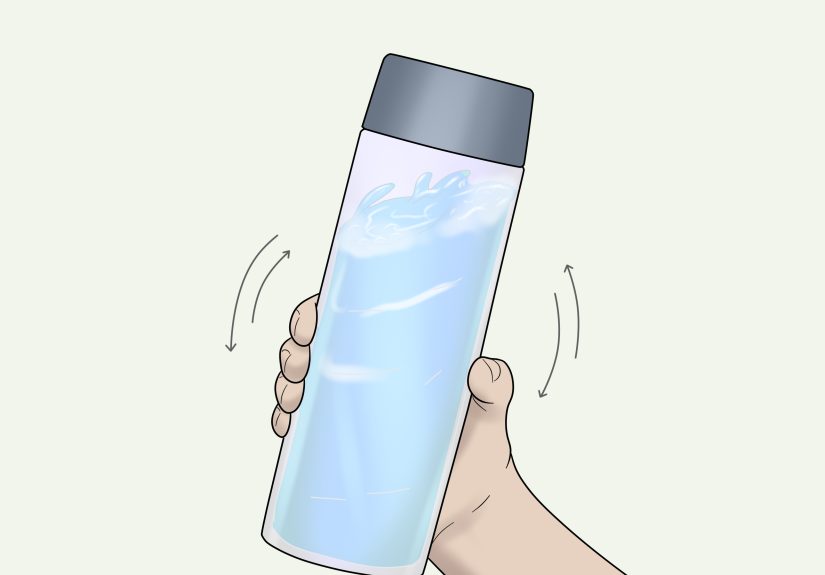
or thicken over time. The fix is simple: shake before use and don’t store it somewhere that turns into a sauna.
Ingredients
- 1 cup borax
- 1 cup washing soda
- 1 cup liquid castile soap (unscented or lightly scented)
- Water (hot + cool)
How to make it
- Bring about 6 cups of water close to a boil (hot enough to dissolve powders well).
- Stir in borax and washing soda until dissolved.
- Add 9 cups of room-temperature water to cool it down a bit.
- Stir in the liquid castile soap gently (avoid whipping in bubbles like a cappuccino).
- Let cool completely, then pour into a clean gallon container. Label it.
How much to use
- HE / front-load: 1–2 tablespoons
- Standard washer: 1/8 to 1/4 cup (start small; more isn’t always better)
Troubleshooting
- It turned into gel: Shake vigorously. If it’s still stubborn, thin with a little warm water.
- Clothes feel coated: Use less per load and add an extra rinse occasionally.
- Hard water dullness: Add a water softening strategy (see tips below).
Method 3: Borax-Free Sensitive-Skin Powder (Plus an Oxygen Boost Option)
If you want a borax-free laundry detergent approach, you can still build a solid cleaner using washing soda + baking soda,
then lean on oxygen bleach (optional) for stain and odor support. This method is also a great “starter” recipe if you’re
experimenting and want fewer ingredients.
Ingredients
- 2 cups washing soda
- 2 cups baking soda
- 1 cup grated pure soap (optional, but helps with body oils)
- 1–2 cups oxygen bleach (optional; skip for delicate colors if you’re unsure)
How to make it
- Combine washing soda + baking soda in an airtight container.
- If using soap, grate it finely and mix in thoroughly.
- If using oxygen bleach, stir it in last and store airtight to reduce clumping.
- Label clearly, especially if you have guests who might mistake it for “artisan pancake mix.”
How much to use
- HE: 1–2 tablespoons
- Standard washer: 2–3 tablespoons
Why this works well
Baking soda helps neutralize odors, washing soda boosts cleaning power, and oxygen bleach (when used) supports brightening and stain lifting.
This recipe is also easier to rinse clean than some heavier soap-forward blendsespecially if you keep the dose modest.
Pro Tips for Cleaner Clothes (And a Less Dramatic Laundry Life)
Use less detergent than you think
Overdosing detergentDIY or commercialcan cause residue, trapped odors, and stiff fabrics. Start with the low end of the dosage range.
If your clothes aren’t clean, adjust up slowly.
Pretreat like you mean it
For stains, don’t rely on a DIY base alone. Keep a dedicated stain remover or use oxygen bleach for whites and sturdy fabrics.
For oily stains (makeup, sunscreen, cooking grease), pretreat before washing.
Hard water needs a plan
Hard water can reduce cleaning power and increase buildup. If your towels feel crunchy or whites look dull, consider:
- Using washing soda consistently as a “builder”
- Running an extra rinse occasionally
- Using a commercial water softener additive when needed
Don’t use dish soap in your washer
Some online recipes suggest dish soap. That’s a “no thank you” for most machines because it can oversuds and create a mess
that looks like a foam party nobody asked for.
Clean your washing machine (yes, even if it’s “self-cleaning”)
Any detergentespecially soap-based DIY blendsbenefits from regular washer maintenance. Run the cleaning cycle as recommended
by your manufacturer and keep the door gasket and detergent drawer clean and dry.
Safety & Storage (The Unsexy Part That Saves the Day)
- Store airtight to prevent clumping and moisture absorption.
- Label everything with contents + dosing instructions.
- Keep away from kids and petsthese are cleaning products, not science-fair snacks.
- Avoid breathing dust when mixing powders; go slow and consider a mask if you’re sensitive.
- Don’t mix with random chemicals. If you’re also using bleach or other cleaners, follow product directions carefully.
FAQ
Will homemade laundry detergent save money?
Often, yesespecially once you’re buying ingredients in larger quantities and you’re using correct (small) doses per load.
But the biggest savings come from not overusing product and from washing smarter (full loads, correct cycles, pretreating stains).
Can I use these recipes in an HE washer?
Many people do, but results vary based on water hardness and machine design. Use a small dose, add to the drum (not the dispenser),
and watch for residue. If you notice buildup or odors, switch to a commercial HE detergent or adjust your routine.
Can I add essential oils?
You can, but keep it minimal. Oils don’t always disperse evenly, and heavy fragrance can irritate sensitive skin. If scent is important,
consider choosing a lightly scented soap bar instead of adding extra oils.
What’s the best option for sensitive skin?
The borax-free powder (Method 3) is a solid starting point, especially paired with fragrance-free soap (or no soap, depending on your needs).
Always patch-test on a few loads and consider an extra rinse if your skin is easily irritated.
Conclusion
Making your own laundry detergent can be simple, budget-friendly, and oddly satisfyinglike organizing a junk drawer and finding a pen that works.
The key is choosing the right method for your household:
- Method 1 (Powder) for the easiest, most stable DIY routine
- Method 2 (Liquid) if you prefer a pourable concentrate (shake well!)
- Method 3 (Borax-free) if you want a gentler approach with flexible boosting
Start small, keep your doses modest, pretreat stains, and pay attention to how your laundry and washer respond.
If it’s working, amazing. If it’s not, you haven’t “failed”you’ve just discovered that laundry is a science,
and your washing machine has opinions.
Laundry Room Field Notes: of Real-World DIY Detergent Experiences
People usually try DIY laundry detergent for one of three reasons: saving money, avoiding strong fragrance, or reducing plastic.
The funny part is that the first “experience” almost everyone has is the same: they make a giant batch, feel wildly accomplished,
and then immediately wonder if they’ve created a cleaning product or a homemade sandcastle mix.
The most common win? Everyday laundry gets noticeably “clean enough” with powder recipesespecially if you’re not dealing with heavy stains.
T-shirts, socks, sheets, and towels often come out fresh, and many people love being able to control scent by choosing an unscented soap.
It’s also strangely empowering to know what’s in your scoop. There’s a “tiny pioneer on the prairie” vibeminus the dysentery.
The most common surprise? Less is more. New DIYers tend to scoop like they’re feeding a horse.
Then they discover that too much powder can leave clothes feeling stiff or slightly “filmy,” especially in cooler water.
The fix is almost always to cut the dose in half, add the powder directly to the drum, and run an extra rinse on loads like towels or athletic wear.
This is the laundry equivalent of realizing you don’t need to shout into your phone for the other person to hear you.
Another frequent lesson: hard water is the villain in this story. In softer-water homes, DIY blends can feel like a cheat code.
In harder-water areas, people often report dull whites, grayer darks, and towels that feel like they’re training to become exfoliating tools.
The experience here is educational: once you address water hardness (better dosing, washing soda as a builder, occasional boosters),
results usually improve dramatically. In other words, the detergent wasn’t “bad”it was fighting a water chemistry boss battle with a wooden sword.
Liquid recipes generate their own set of adventures. The first time a DIY liquid concentrate turns into a wobbly gel, many people think they messed up.
They didn’t. Soap and minerals can do that. The experienced DIY crowd simply shrugs, shakes the bottle like it owes them money, and continues.
If that feels annoying, that’s not a character flawit’s a preference. Powder might be your soulmate.
The final, very real experience: pretreating becomes your superpower. DIY detergent can handle daily dirt,
but stains still need attention. People who love DIY long-term tend to keep oxygen bleach around, pretreat oily spots,
and accept that “one scoop fixes all” is a myth invented by detergent commercials.
Once you stop expecting miracles and start treating DIY like a solid base system, it becomes a practical routinenot a laundry fairy tale.