Table of Contents >> Show >> Hide
- Why Small Upgrades Work So Well
- 30 Budget-Friendly Home Improvement Ideas That Deliver Big Results
- 1. Paint the front door a confident color
- 2. Replace dated house numbers
- 3. Upgrade the porch light
- 4. Pressure-wash the exterior
- 5. Refresh mulch and edge the beds
- 6. Add planters by the entry
- 7. Paint a room that feels flat
- 8. Repaint trim and baseboards
- 9. Swap out old switch plates and outlet covers
- 10. Replace outdated cabinet hardware
- 11. Install peel-and-stick backsplash
- 12. Add under-cabinet lighting
- 13. Update the faucet in the kitchen
- 14. Paint or refinish the bathroom vanity
- 15. Frame a plain bathroom mirror
- 16. Re-caulk the tub, shower, and sink
- 17. Regrout or refresh dingy grout lines
- 18. Install a WaterSense showerhead
- 19. Add a faucet aerator in the bathroom
- 20. Weatherstrip doors and caulk window gaps
- 21. Add LED bulbs in the most-used fixtures
- 22. Install dimmer switches
- 23. Replace tired window treatments
- 24. Create a better entryway drop zone
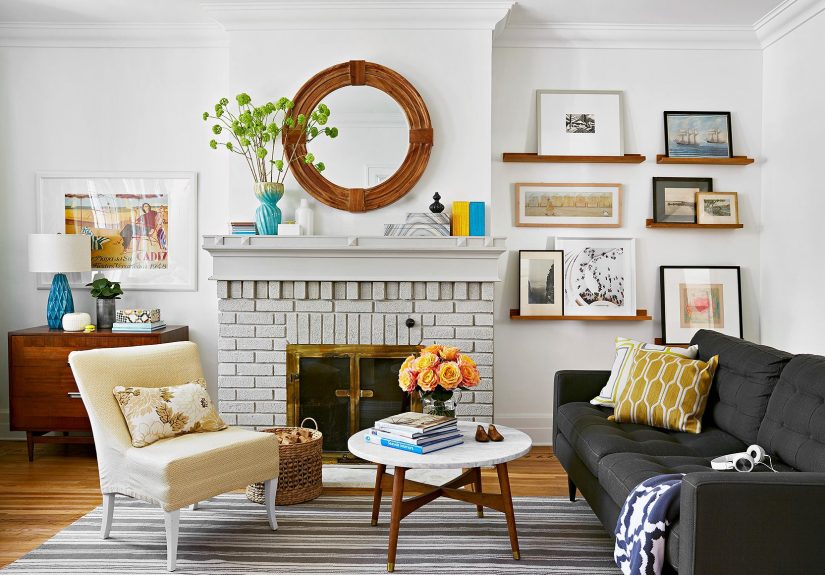
- 25. Add open shelving where storage is weak
- 26. Organize one closet with a low-cost system
- 27. Refinish hardwood floors instead of replacing them
- 28. Remove worn carpet in a high-traffic area
- 29. Paint built-ins, shelves, or an accent nook
- 30. Tackle one “annoying little repair” in every room
- How to Choose the Right Projects First
- What Delivers the Biggest Value for the Money?
- Real-Life Experience: What These Small Upgrades Actually Feel Like
- Conclusion
Big home upgrades are fun in theory. In reality, they often begin with a dreamy Pinterest board and end with you whispering, “Why does trim cost this much?” while holding a paint swatch and a receipt. The good news is that you do not need a massive renovation budget to make your home look better, work better, and feel better.
Many of the smartest home improvement ideas are surprisingly simple: paint, lighting, hardware, storage, sealing drafts, and small curb appeal fixes. In fact, national remodeling and resale data consistently show that modest, practical improvements often punch above their weight. Translation: the projects that make you feel like a genius are often the same ones that do not require selling a kidney.
This guide rounds up 30 high-impact, low-cost home improvement ideas that can help you refresh your space, improve comfort, save energy, and make your home more attractive to future buyers. Some are cosmetic. Some are functional. Some are the kind of fixes guests notice immediately, and others are the kind your utility bill notices before anyone else does.
Why Small Upgrades Work So Well
Low-cost improvements succeed because they target the details people actually see and use every day. Fresh paint changes the mood of a room in an afternoon. Better lighting makes a dated kitchen feel newer. Weatherstripping can make a drafty house feel less cranky in winter. Minor exterior improvements can also sharpen curb appeal, which matters whether you are staying put or thinking about selling.
The smartest approach is not to chase every trend. It is to focus on upgrades that improve one or more of these four things: appearance, comfort, storage, or efficiency. When one small project checks two or three of those boxes, that is the sweet spot.
30 Budget-Friendly Home Improvement Ideas That Deliver Big Results
1. Paint the front door a confident color
A front door is a small surface with an unfair amount of responsibility. It sets the tone before anyone steps inside. A fresh coat of paint in a classic black, deep blue, muted green, or warm red can instantly make your home look more cared for and more current.
2. Replace dated house numbers
Old house numbers can make a home look tired even when everything else is fine. Swapping them for larger, modern numbers is inexpensive, fast, and weirdly satisfying. It is like giving your house a cleaner signature.
3. Upgrade the porch light
One new exterior light fixture can change the entire first impression of a home. Choose a style that matches your architecture instead of fighting it. Bonus points if it improves visibility and safety at the same time.
4. Pressure-wash the exterior
Siding, brick, porches, walkways, and fences collect grime slowly enough that you stop noticing it. Then you pressure-wash a section and suddenly the rest of the house looks like it has been through a long emotional winter. Cleaning exterior surfaces is one of the cheapest ways to create instant visual improvement.
5. Refresh mulch and edge the beds
Fresh mulch is the home improvement version of a good haircut. It is not dramatic, but everything looks sharper afterward. Clean bed lines, trimmed shrubs, and a little color near the entry can make the whole property feel intentional.
6. Add planters by the entry
You do not need a full landscaping overhaul. Two planters flanking the front door can add symmetry, color, and warmth. Choose sturdy pots and simple plants that will not collapse into botanical despair after one hot week.
7. Paint a room that feels flat
Interior paint remains one of the highest-impact updates for the money. A fresh coat can brighten a dark room, calm a loud room, or make a tired room feel clean again. Warm white, soft greige, muted sage, and dusty blue are safe favorites when you want broad appeal.
8. Repaint trim and baseboards
If wall paint is the star, trim paint is the editor. Crisp baseboards, door casings, and window trim make a room look more finished, even if the furniture is doing absolutely nothing helpful.
9. Swap out old switch plates and outlet covers
This is tiny, cheap, and surprisingly effective. Yellowed plastic covers can age a room fast. Clean white, black, or screwless plates look sharper and make everything around them feel more updated.
10. Replace outdated cabinet hardware
New knobs and pulls can transform kitchen and bathroom cabinets without replacing the cabinets themselves. Matte black, brushed nickel, and warm brass are common go-to finishes because they look modern without being too loud.
11. Install peel-and-stick backsplash
If your kitchen needs more personality, a simple backsplash can go a long way. Peel-and-stick versions have improved a lot, and they are ideal for renters, budget remodelers, or anyone not emotionally prepared for tile saws.
12. Add under-cabinet lighting
Kitchens often suffer from shadowy counters and gloomy corners. Under-cabinet lighting fixes both the function and the mood. Battery-powered or plug-in options can make prep areas brighter and the entire kitchen more polished.
13. Update the faucet in the kitchen
A new faucet gives the sink area a focal point and improves daily use. You do not need the fanciest commercial-style model on Earth. A well-proportioned, reliable faucet with a pull-down sprayer is often enough to make the sink feel upgraded.
14. Paint or refinish the bathroom vanity
If your vanity is structurally solid but visually stuck in another decade, paint can rescue it. New hardware plus a fresh color can make the whole bathroom look cleaner and more current for a fraction of replacement cost.
15. Frame a plain bathroom mirror
That builder-grade sheet mirror over the sink has done its best. Reward it with a frame. A simple wood or composite frame can make the bathroom look custom without requiring a full renovation.
16. Re-caulk the tub, shower, and sink
Fresh caulk is not glamorous, but it makes a bathroom look cleaner almost instantly. Old, cracked, or moldy caulk sends the message that maintenance has left the chat. New caulk says, “This room is under competent management.”
17. Regrout or refresh dingy grout lines
Tile can look great while grout makes everything feel tired. Cleaning, recoloring, or regrouting can dramatically improve the look of a bathroom or backsplash without replacing a single tile.
18. Install a WaterSense showerhead
This is one of those upgrades that feels small but works hard. A newer showerhead can improve the shower experience while reducing water use. That is the kind of efficiency upgrade people actually appreciate because they notice it every morning.
19. Add a faucet aerator in the bathroom
Few upgrades cost less than this. A faucet aerator helps reduce water flow without making the sink feel useless. It is tiny, practical, and exactly the kind of quiet improvement that adds up over time.
20. Weatherstrip doors and caulk window gaps
If your house gets drafty, start here. Air leaks make rooms less comfortable and force your heating and cooling system to work harder. A weekend spent sealing gaps is not flashy, but it can make a home feel noticeably more comfortable.
21. Add LED bulbs in the most-used fixtures
Lighting upgrades are one of the easiest ways to improve both efficiency and atmosphere. LEDs last longer, use less energy, and can give rooms a cleaner, more flattering glow. Choose a consistent color temperature so your home does not feel like five different planets.
22. Install dimmer switches
Dimmers are an underrated luxury. They help dining rooms feel warmer, bedrooms feel calmer, and living rooms feel less like interrogation chambers. For a relatively small cost, they create a more flexible, layered lighting scheme.
23. Replace tired window treatments
Heavy, dated curtains can drag down an otherwise decent room. Swapping them for simple panels, bamboo shades, or cleaner blinds can brighten the space and make windows look larger. Hang curtains higher and wider than the frame for extra effect.
24. Create a better entryway drop zone
A bench, a few hooks, and a small shelf can turn an awkward entry into a useful landing area for shoes, keys, bags, and coats. This does not just improve function. It makes the entire home feel more organized within seconds of walking in.
25. Add open shelving where storage is weak
Floating shelves in a bathroom, laundry room, kitchen, or home office can add storage and display space without a full built-in project. Keep styling simple. The goal is “collected and functional,” not “gift shop shelf after a wind event.”
26. Organize one closet with a low-cost system
Closet upgrades do not have to be custom to be effective. Basic shelves, bins, double-hang rods, and labeled baskets can make a closet far more useful. Better storage also makes the rest of the house easier to keep tidy.
27. Refinish hardwood floors instead of replacing them
If you already have wood floors hiding under scratches, dullness, or old finish, refinishing may deliver a much bigger payoff than replacing them. It can restore warmth, improve the look of the entire home, and often costs far less than people fear.
28. Remove worn carpet in a high-traffic area
Old carpet can make a clean room feel dirty. If there is hardwood underneath, great. If not, consider a budget-friendly flooring update in only the area that looks the worst. Even a partial improvement can make the house feel fresher.
29. Paint built-ins, shelves, or an accent nook
You do not need to paint every wall in sight to make a space feel new. A bookshelf, mudroom nook, fireplace surround, or breakfast corner can become a focal point with one strategic color change.
30. Tackle one “annoying little repair” in every room
Loose handles, squeaky hinges, scuffed doors, sticking drawers, missing doorstops, and wobbly towel bars do not sound exciting. But together, these tiny fixes change how a home feels. A house with fewer little irritations feels more finished, more functional, and honestly more expensive.
How to Choose the Right Projects First
If you are overwhelmed, do not start with the most dramatic idea. Start with the most visible problem. That may be the peeling front door, the cave-like kitchen lighting, the bathroom caulk that has seen things, or the draft coming through the back door like it pays rent.
A simple priority system helps. First, handle anything that affects safety, water damage, or energy loss. Next, tackle the upgrades people see immediately, such as paint, lighting, hardware, and curb appeal. Then move on to storage and style upgrades. This order keeps your spending focused and prevents you from buying cute baskets while ignoring the window that whistles all winter.
If your home was built before 1978, use extra caution before sanding or disturbing old paint, since older homes may contain lead-based paint. And before you do any electrical or plumbing work beyond a basic swap, be honest about your skill level. DIY pride is nice. Functional wiring is nicer.
What Delivers the Biggest Value for the Money?
Not every low-cost project has the same payoff, but a few categories consistently stand out. Fresh paint is a classic because it is relatively affordable and changes the feel of a room immediately. Lighting upgrades are another smart bet because they improve both appearance and usability. Small kitchen and bathroom refreshes also go a long way, especially when you improve focal points like hardware, faucets, mirrors, and vanities instead of gutting the whole room.
Energy efficiency deserves a spot on the list too. Sealing air leaks, using LED lighting, and installing better water fixtures can lower operating costs while improving day-to-day comfort. These are not just resale ideas. They are quality-of-life upgrades you get to enjoy yourself.
Real-Life Experience: What These Small Upgrades Actually Feel Like
The best part about low-cost home improvement ideas is not just the money you save. It is the momentum. When people talk about remodeling, they usually picture giant, messy projects with dumpsters, delays, and at least one moment of staring at a budget spreadsheet like it personally betrayed them. Small projects feel different. They are manageable. They are motivating. And they remind you that improving a home does not always require chaos.
For many homeowners, the first win is visual. You paint one room, change one light fixture, or replace a handful of cabinet pulls, and suddenly the house looks more cared for. That one success often leads to another. The hallway gets fresh paint. The entry gets hooks and a bench. The bathroom mirror gets a frame. Before long, your home starts feeling less like a list of unfinished chores and more like a place that reflects how you actually want to live.
There is also something deeply satisfying about solving a daily annoyance. A drafty door that finally seals properly. A dark kitchen counter that becomes bright enough to cook on comfortably. A cluttered entry that stops eating your keys every morning. These are not glamorous before-and-after TV moments, but they matter because they improve routine life. They make mornings easier, evenings calmer, and the whole house more cooperative.
Small upgrades also teach you how your home works. Once you caulk windows, swap hardware, install shelves, or change a showerhead, the house becomes less mysterious. You stop feeling intimidated by every repair. You start noticing what matters most. Maybe it turns out that pretty decor was never the real issue; maybe the room just needed better lighting. Maybe the bathroom did not need a full renovation; maybe it needed cleaner lines, fresh caulk, and a vanity color that was not giving “old motel sadness.”
And then there is the emotional side. A home that looks cleaner, brighter, and more intentional tends to feel calmer. That is especially true when improvements are tied to function. Storage reduces stress. Better lighting improves mood. Cleaner finishes make maintenance easier. These are small changes, but they can create the feeling that your house is finally working with you instead of against you.
Even if you plan to sell, the experience is still valuable. Budget-friendly upgrades help you present the home better, photograph it better, and maintain it better in the meantime. If you plan to stay, the benefit is even clearer: you get a better daily experience without diving into a giant renovation budget. In other words, low-cost improvement is not the boring version of remodeling. It is often the smarter version.
Conclusion
You do not need an expensive remodel to make your home more stylish, more efficient, or more enjoyable to live in. The biggest wins often come from the simplest moves: fresh paint, better lighting, sharper curb appeal, smarter storage, tighter seals, and small fixture upgrades that improve everyday life.
When in doubt, focus on projects that solve visible problems first. Fix what looks worn, what feels inconvenient, and what quietly wastes energy or space. Those are the upgrades that make a home feel noticeably better without blowing up your budget. And that, frankly, is the kind of home improvement math everyone can get behind.