Table of Contents >> Show >> Hide
- First, a quick “why”: what causes varicose veins?
- Can home remedies get rid of varicose veins?
- Tip #1: Use compressioncorrectly (it matters more than you think)
- Tip #2: Move oftenand recruit your calf muscles as tiny “heart assistants”
- Tip #3: Elevate your legs to drain the “traffic jam”
- Tip #4: Lifestyle tweaks that reduce pressure on veins (no perfection required)
- When to see a doctor (and what treatments look like today)
- A simple 7-day starter plan (no heroics required)
- Common experiences with varicose veins (and what people wish they’d known)
- Bottom line
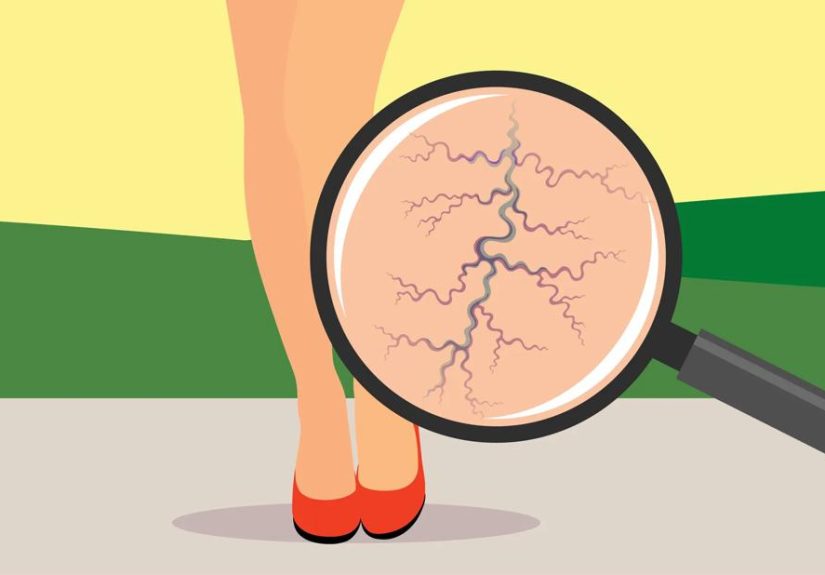
Varicose veins are the overachievers of the vein world: they work hard, get a little worn out, and then start showing off in a way nobody asked for. If you’ve noticed ropey, bulging veins on your legsor you feel heaviness, aching, itching, or swelling by the end of the dayyou’re not alone. Varicose veins are extremely common, especially as we get older, during pregnancy, or if our jobs keep us sitting or standing for long stretches.
Here’s the practical truth: most at-home strategies won’t erase varicose veins that are already there. But the right remedies can absolutely reduce symptoms, slow progression, and make your legs feel less like they’re carrying groceries for the entire neighborhood. This guide walks you through four evidence-based, doctor-recommended tipsplus how to tell when it’s time to level up to medical care.
First, a quick “why”: what causes varicose veins?
Veins in your legs push blood upward against gravity. They rely on one-way valves that open and close like little doors. If those valves weaken, blood can fall backward and pool, raising pressure in the vein. Over time, the vein stretches, twists, and becomes visibly enlargedhello, varicose veins.
Risk factors include family history, pregnancy, aging, carrying extra weight, and spending lots of time sitting or standing. Sometimes, varicose veins are mainly cosmetic. Other times they come with symptoms (pain, cramping, swelling) or skin changes that deserve attention.
Can home remedies get rid of varicose veins?
Home remedies generally help with symptoms and prevention, not with permanently removing existing veins. If a vein is significantly enlarged, closing or removing it usually requires a medical procedure (often minimally invasive). Still, conservative care is the best first step for many people and it’s often recommended even if you eventually choose a procedure.
Tip #1: Use compressioncorrectly (it matters more than you think)
Compression stockings (or socks) gently squeeze your legs to support circulation and reduce pooling. Think of them as “training wheels” for tired vein valves. When they fit properly, many people notice less heaviness, less swelling, and fewer end-of-day “my legs are made of wet sand” vibes.
How to make compression actually work
- Put them on early: Many clinicians recommend putting them on in the morning before swelling builds, and wearing them during the day when you’re upright.
- Get the right level: Over-the-counter options are common, but some people need prescription-strength compression. If you’re not sure, ask a clinicianespecially if symptoms are significant.
- Fit is everything: Too loose won’t help. Too tight can be uncomfortable or unsafe. Measure your ankle/calf (and sometimes thigh) per the brand’s directions.
- Make them wearable: If you dread them, you won’t wear them. Try open-toe styles, knee-highs, or lighter fabrics for warm weather. Comfort boosts consistency.
Who should be cautious with compression?
Compression is generally safe for many people, but it’s not “one-size-fits-all.” If you have significant peripheral artery disease, severe numbness, non-healing wounds, or you’re unsure about circulation issues, consult a healthcare professional before using stronger compression. When in doubt, get guidanceyour legs should feel supported, not strangled.
Tip #2: Move oftenand recruit your calf muscles as tiny “heart assistants”
Your calf muscles are sometimes called a “second heart” because they help pump blood upward when you walk. The more you move, the more you help your veins fight gravity. You don’t need marathon trainingjust frequent, low-impact motion that keeps blood flowing.
Simple movement strategies that add up
- Walk in snack-size portions: A 10-minute walk after lunch and another after dinner can be easier than one long walkand still very effective.
- Use the “30–60 rule” at work: If you sit or stand for long periods, change position at least every 30–60 minutes. Stand, walk to refill water, or do quick calf raises.
- Try calf raises: Stand tall, rise onto your toes, hold for a second, and lower slowly. Do a set while your coffee brews. Your calves will complain briefly; your veins will quietly thank you.
- Ankle circles and “gas-pedal” pumps: While seated, rotate ankles and flex/point toes. It looks subtle, but it helps circulationlike fidgeting with a purpose.
Exercise ideas if you have symptoms
If varicose veins ache, choose low-impact activities: walking, swimming, cycling, and gentle strength training. If you’re starting from zero, begin with short sessions and build gradually. Consistency beats intensity here.
Tip #3: Elevate your legs to drain the “traffic jam”
Elevation helps reduce pressure in leg veins by letting gravity work for you for a change. Many people find that elevating their legs eases swelling and sorenessespecially after long days on their feet.
A practical elevation routine
- Get above heart level: Aim to raise your feet above your heart when possible.
- Use short “leg breaks”: Try 10–15 minutes once or twice daily (or more if recommended), especially after work or after travel.
- Make it easy: A couch + pillows works. Some people raise the foot of the bed slightly for nighttime support, but comfort and safety come first.
If your swelling is dramatic, one leg suddenly swells, or you have new redness/warmth/pain, don’t treat it as a “just elevate more” situationthose can be warning signs that need medical attention.
Tip #4: Lifestyle tweaks that reduce pressure on veins (no perfection required)
Lifestyle changes won’t magically shrink a bulging vein overnightbut they can reduce strain on your venous system and make flare-ups less frequent. Think of these as the “supporting cast” that helps your big three (compression, movement, elevation) perform better.
Choose habits that lower vein pressure
- Manage weight gently: If weight loss is relevant for you, even modest progress can reduce pressure on leg veins and improve symptoms. Skip crash diets; aim for sustainable routines.
- Dial back salty swelling: High sodium can contribute to fluid retention. If your ankles puff up easily, try reducing ultra-processed foods and balancing meals with potassium-rich produce (as appropriate for your health needs).
- Prevent constipation and straining: Straining increases pressure in abdominal and pelvic veins. More fiber (beans, berries, whole grains) and adequate fluids can help.
- Wear comfortable shoes more often: Very high heels can limit the natural calf pump motion. You don’t have to ban heels foreverjust don’t make them your veins’ full-time job.
- Avoid overly tight clothing: Tight waistbands or garments that constrict groin/legs can worsen blood flow for some people.
- Be mindful with heat: Hot baths, saunas, and very hot weather may temporarily worsen swelling for some people. If heat makes symptoms flare, use cool showers, hydration, and elevation.
What about creams, massage, and supplements?
Over-the-counter creams may soothe dry, itchy skin, but they typically don’t fix the underlying valve problem. Gentle massage can feel nice, but avoid aggressive pressure over tender veins or areas with skin changes.
Some “phlebotonic” supplements (like standardized horse chestnut seed extract) have been studied for symptoms related to chronic venous insufficiency, but results vary and supplements can interact with medications or be unsafe in certain conditions (including pregnancy). If you’re considering supplements, talk with a clinician or pharmacist firstespecially if you take blood thinners or have liver/kidney conditions. And please don’t consume raw horse chestnut parts; they can be toxic.
When to see a doctor (and what treatments look like today)
It’s time to get medical advice if your varicose veins are painful, swelling is persistent, symptoms are worsening despite self-care, or you notice skin changes (darkening, thickening), sores/ulcers, or bleeding. Also seek urgent care for sudden leg swelling, redness/warmth, chest pain, or shortness of breath.
A clinician may evaluate your legs and use ultrasound to check blood flow and valve function. If a procedure is appropriate, modern options are often outpatient and minimally invasive. Common treatments may include:
- Sclerotherapy: An injected solution causes targeted veins to close, and blood reroutes to healthier veins.
- Endovenous ablation (laser or radiofrequency): Heat is used to seal a problem vein, typically through a small catheter.
- Microphlebectomy: Small incisions allow removal of bulging surface veins.
- Other closure approaches: Some practices use medical adhesives or specialized foam therapies depending on the vein pattern.
Many people combine procedures with conservative care afterward (yes, compression makes a comeback). The goal is symptom relief, preventing complications, and improving appearancewithout a long, dramatic recovery.
A simple 7-day starter plan (no heroics required)
- Day 1: Measure for compression socks and test a comfortable pair.
- Day 2: Add two 10-minute walks (or one 15-minute walk if that’s easier).
- Day 3: Do calf raises while brushing your teeth (two sets of 10).
- Day 4: Elevate legs for 10–15 minutes after your busiest part of the day.
- Day 5: Set a phone reminder to change position every 45 minutes.
- Day 6: Swap one salty processed snack for fruit + nuts or yogurt.
- Day 7: Review symptoms. If pain/swelling persists or skin changes exist, schedule a check-in.
Common experiences with varicose veins (and what people wish they’d known)
The following stories are based on common patient experiences and patterns clinicians hear every day. They’re not a substitute for medical advicejust a realistic look at what varicose veins can feel like in real life, and how small changes can make a big difference.
Experience #1: “My desk job gave me ‘chair legs’ by 5 p.m.”
A common scenario: someone with a mostly seated job notices their calves feel tight and their ankles look puffier at the end of the day. The veins aren’t always dramatic at firstsometimes it’s the heaviness that shows up before the visuals. After a few months, they realize they’re unconsciously rubbing one leg at night because it feels itchy or restless.
What tends to help: setting a timer to stand up every 45 minutes, adding ankle pumps during meetings, and doing a short walk after lunch. Many people say compression socks felt “weird” for two days and then became the thing they refuse to travel without. The biggest surprise? The symptoms improved even before the veins looked any differentbecause less pooling often means less pressure and irritation.
Experience #2: “Pregnancy made them pop up, and I thought they’d vanish instantly afterward”
During pregnancy, hormone changes and increased blood volume can make veins more visible. Many people report new varicose veins appearing in the second or third trimester, along with aching after standing or a “full” sensation in the legs. After delivery, some veins improve, but not always completelyand it can take months.
What tends to help: supportive compression (with clinician guidance), frequent gentle movement, and elevation whenever possible. People often wish they’d known that “rest” doesn’t have to mean “flat on the couch”even short walks can help circulation. Another common lesson: if you’re considering supplements, pregnancy is a time to be extra cautious. “Natural” isn’t automatically safe.
Experience #3: “I stand all day and my legs feel like they’re buzzing at night”
Retail workers, nurses, teachers, and anyone who stands for long shifts often describe nighttime symptoms: throbbing, mild cramping, and that restless “I can’t get comfortable” feeling. Visually, the veins may look worse after work and slightly better in the morning.
What tends to help: compression during shifts, supportive shoes that allow the calf to work naturally, and a 10-minute leg elevation routine after work (before collapsing into scroll-mode). Many people also find that alternating standing positions, taking micro-walk breaks, and doing calf raises during downtime reduce end-of-day swelling. The humor they discover: they didn’t need a fancy gadgetjust permission to sit with their feet up like a Victorian aristocrat for 15 minutes.
Experience #4: “I ignored the skin changes until I couldn’t”
Some people don’t feel much pain at first, so they assume varicose veins are purely cosmetic. Over time, the skin around the ankle may become itchy, darker, or firmer. In more advanced cases, small sores can develop and heal slowly. This is the point where self-care alone may not be enough.
What tends to help: getting evaluated sooner rather than later. Many people are relieved to learn that minimally invasive treatments exist and that ultrasound can identify which veins are causing the problem. They also often wish they’d started conservative care earliercompression, movement, and elevation can reduce symptoms and may help protect the skin while a treatment plan is made.
Bottom line
If your varicose veins are mostly annoying, the “big four” can make a real difference: compression, movement, elevation, and smart lifestyle tweaks. You’re aiming to reduce pooling and pressureso your legs feel lighter, swelling is less dramatic, and symptoms are more predictable.
And if symptoms are escalating or you’re seeing skin changes, sores, or bleeding, don’t push through it. Modern vein care is often outpatient and minimally invasive, and a quick evaluation can clarify what’s going on and what options fit your goals.