Table of Contents >> Show >> Hide
- Why Some Teens Avoid Showering in the First Place
- 1. Make Showering Easier, Not Louder
- 2. Replace Nagging With Teamwork and a Clear System
- 3. Look for the Hidden Reason Behind the Resistance
- 4. Teach Hygiene as a Life Skill, Not a Power Struggle
- Common Mistakes That Backfire
- A Practical Weekly Plan
- Real-Life Experiences Parents Often Recognize
- Conclusion
Getting a teen to shower regularly can feel less like parenting and more like hostage negotiation with a hoodie. One minute your child is a sweet kid who used to splash happily in the tub. The next, they seem deeply committed to proving that dry shampoo, body spray, and wishful thinking count as a hygiene routine.
If this sounds familiar, take a breath. You are not raising the only teenager on Earth who acts like stepping into warm water is a violation of civil liberties. This struggle is common, especially during puberty, when body odor, oil production, busy schedules, sleepiness, sports, screen time, embarrassment, and a fierce desire for independence all collide in one messy cloud.
The good news is that the solution usually is not more nagging. In fact, the more a parent turns showering into a daily showdown, the more some teens dig in their heels. What works better is a smart mix of routine, respect, practicality, and curiosity. In other words, less “Go shower right now!” and more “What is making this hard, and how can we fix it?”
This guide breaks down four practical ways to get a teen to shower regularly without turning your home into a Broadway production called Les Misérables: The Bathroom Edition. You will also find examples, common mistakes to avoid, and a longer section on real-life experiences that many parents quietly recognize.
Why Some Teens Avoid Showering in the First Place
Before you solve the problem, it helps to understand it. Teens do not usually skip showers just to annoy you, even if their timing makes that theory feel emotionally satisfying.
Sometimes the reason is simple: they are tired, distracted, or in a rush. Some teens genuinely do not notice their own body odor as quickly as everyone else does. Others hate how long showering takes when they are already juggling school, sports, homework, texting, gaming, and trying to recover from waking up too early for first period.
In other cases, shower avoidance points to something deeper. A teen may feel overwhelmed by all the steps involved: finding clean clothes, washing hair, dealing with acne, shaving, managing a period, or choosing products that do not irritate their skin. Some have sensory issues and dislike the sound of the fan, the sting of water on the face, strong scents, or the feeling of wet hair on the neck. Others may be struggling with low mood, anxiety, executive dysfunction, or stress and have let self-care slide.
That is why the best approach is not shame. It is strategy.
1. Make Showering Easier, Not Louder
If you want a teen to shower regularly, reduce the friction. Not the soap friction. The life friction.
Adults sometimes assume hygiene is one task. For many teens, it feels like fifteen tasks glued together: stop what they are doing, find a towel, pick clean clothes, wait for the bathroom, choose shampoo, wash hair, dry off, deal with skin care, and somehow emerge looking human. When the process feels annoying, teens delay it. Then they delay it again. Then suddenly it has been three days and the whole bedroom smells like gym socks and mystery.
Lower the barriers
Start by making the bathroom setup teen-friendly:
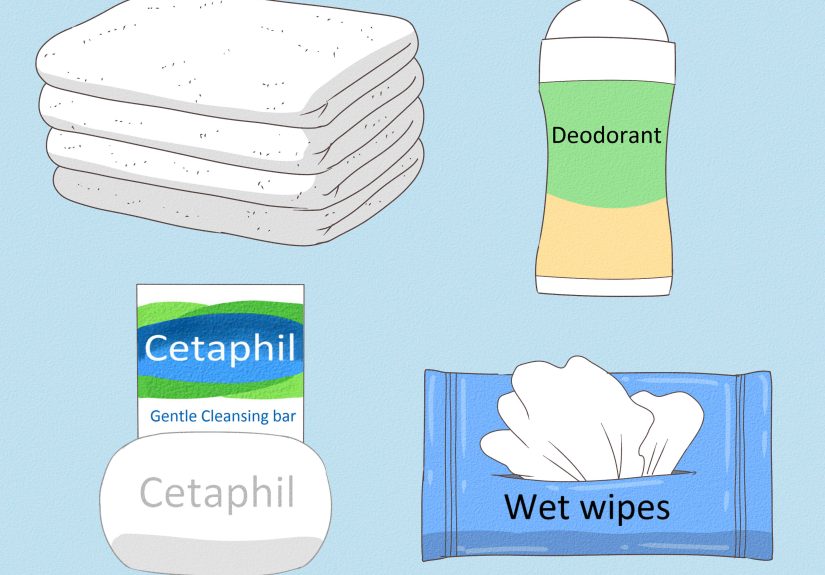
- Keep clean towels in reach.
- Stock mild, unscented, or lightly scented products if your teen hates strong smells.
- Put deodorant where they will actually use it.
- Make sure clean underwear, socks, and clothes are easy to find.
- Use a shower caddy or basket so essentials stay in one place.
If your teen complains that showering takes forever, help them create a quick version. Not every shower needs to be a spa retreat with seventeen hair products and a full emotional rebirth. On busy weekdays, a simple five-to-seven-minute “body shower” may be enough, with hair washing on scheduled days.
Build a realistic routine
Some teens do better showering at night because mornings are pure chaos. Others need a morning shower to wake up and stop looking like they were raised by raccoons. Choose the time that matches your teen’s real life, not your ideal fantasy of who they would be if they woke up cheerful at 6:15 a.m.
For athletes, the rule can be simple: shower after practice, games, or workouts. For teens who get oily hair quickly, sweaty feet, or noticeable body odor, daily showering may make the most sense. For others, a consistent every-other-day pattern plus spot-cleaning and deodorant may be easier to maintain at first while habits improve.
What to say
Try: “I want to make this easier, not bossier. What would help you shower more consistently: a better time, different products, or a shorter routine on school nights?”
That sentence does two important things. It reduces defensiveness, and it treats your teen like someone who can help solve the problem.
2. Replace Nagging With Teamwork and a Clear System
If you remind your teen to shower fifteen times a week and they still “forget,” the problem is not memory alone. The problem is that reminders have become background wallpaper.
Teens respond better when hygiene is built into a system rather than launched as a random parental announcement from across the house.
Use a routine, not a lecture
Pick a predictable trigger. Showering should follow something that already happens regularly, such as:
- after soccer practice
- before bed
- after getting home from school
- before screen time at night
- before going out with friends on weekends
When a task always happens after another task, it feels less negotiable and more automatic. That is what you want. Hygiene should become part of the rhythm of the day, not a debate topic.
Try visual reminders
Some teens do surprisingly well with low-drama visual cues. A simple checklist on the bathroom mirror can help:
- Shower
- Wash armpits, groin, feet, and face
- Shampoo if it is a hair-wash day
- Dry off
- Put on clean clothes
- Deodorant
This may sound basic, but basic is often what works. Teens dealing with distraction, executive functioning challenges, or sensory overload may benefit from seeing the steps instead of holding them all in their head.
Agree on expectations in advance
Do not wait until your teen smells like a middle school locker room and then explode. Sit down during a calm moment and agree on the plan together.
For example:
“Let’s set a simple standard: shower every night after practice, every other night on non-practice days, deodorant every morning, and clean clothes daily. Does that feel doable?”
When expectations are clear, you can refer back to the plan instead of sounding like you invented the rule out of thin air five seconds ago.
Keep consequences natural
Not every missed shower needs a dramatic punishment. Natural consequences tend to work better. If your teen wants to go out, attend an event, or have friends over, basic hygiene can be part of the expectation. That is not cruel. That is life. The real world is not always kind about body odor, and teaching hygiene is part of preparing a teen for social independence.
3. Look for the Hidden Reason Behind the Resistance
If your teen keeps avoiding showers despite reminders, routines, and logical expectations, pause and ask a better question: What is making this hard?
This step matters because the answer changes the solution.
Sensory issues
Some teens hate the sensation of water hitting their face, the smell of products, the bathroom fan, the temperature change, or the sticky feeling of lotions and hair products afterward. If that sounds like your teen, do not dismiss it as drama. It may be very real discomfort.
Possible fixes include:
- using unscented products
- switching to a handheld showerhead
- letting them use a cup to rinse hair
- warming the bathroom first
- using softer towels
- separating hair-wash days from body-wash days
Embarrassment or body changes
Puberty can make teens feel awkward in their own skin. Acne, body hair, sweat, breast development, erections, periods, shaving, and changing body shape can all make bathroom routines feel emotionally loaded. A teen who seems “lazy” may actually feel overwhelmed or embarrassed.
That is why matter-of-fact conversations help. Keep it calm and practical. Explain that changing bodies need changing hygiene habits. Showering is not a punishment for puberty. It is just body maintenance, like charging a phone that somehow always dies at 14%.
Low mood, anxiety, or overwhelm
If your teen has suddenly stopped caring about showering, changing clothes, brushing teeth, or getting ready in general, pay attention. A drop in hygiene can sometimes happen when a teen is depressed, anxious, burned out, or emotionally struggling.
Watch for other signs too, such as irritability, isolation, loss of interest in favorite activities, sleep changes, falling grades, or a major shift in energy. In that case, the issue is bigger than soap. Talk with your pediatrician or a mental health professional.
What to ask
Try these questions without sarcasm:
- “Do showers feel annoying, uncomfortable, or like too much work?”
- “Are the products bothering your skin or scalp?”
- “Do you feel too tired or down to deal with it?”
- “Would it help if we simplified the routine?”
A teen who feels understood is much more likely to cooperate than one who feels mocked.
4. Teach Hygiene as a Life Skill, Not a Power Struggle
At the end of the day, the goal is not to win the argument. The goal is to help your teen build a habit they can carry into adulthood.
That means teaching hygiene the same way you teach laundry, time management, and making something edible when left alone for more than six hours. It is a life skill.
Be direct, not shaming
There is a big difference between saying:
“You smell awful. Go shower.”
and saying:
“Your body is changing, and regular showering matters for health, comfort, and social situations. Let’s make sure you have a routine that works.”
One invites humiliation. The other teaches responsibility.
Connect hygiene to independence
Most teens care deeply about being treated as more grown-up. Use that. Explain that regular showering, deodorant, clean clothes, skin care, and period hygiene are part of looking after themselves. The more they can manage their routine, the less you have to remind them.
That is often a powerful motivator because teens generally want fewer parental reminders, not more. Strange but true.
Know when to call the doctor
Sometimes the problem is not just a habit issue. Reach out to a healthcare provider if your teen has:
- a sudden major change in hygiene or self-care
- strong body odor that does not improve with regular bathing
- skin irritation, rashes, itching, scalp problems, or pain
- concerns about depression, anxiety, sensory challenges, or extreme withdrawal
- unusual genital odor, discomfort, or irritation
This is especially important if you suspect something medical, emotional, or sensory is interfering with normal routines.
Common Mistakes That Backfire
1. Public embarrassment
Calling out your teen’s smell in front of siblings, friends, or extended family may get a fast reaction, but it usually damages trust. Shame is not a long-term hygiene plan.
2. Turning every reminder into a fight
If every conversation sounds irritated, your teen may focus more on resisting you than on fixing the issue.
3. Making the routine too complicated
If your teen needs a forty-minute ritual and twelve products just to get clean, they may avoid starting. Simpler is better.
4. Ignoring the emotional side
When a teen stops showering, parents often assume laziness. Sometimes that is part of it. But sometimes the real story is stress, sadness, embarrassment, or sensory discomfort.
A Practical Weekly Plan
Here is one simple example you can adapt:
- Daily: deodorant, clean underwear, clean socks, change clothes as needed
- After sports or workouts: full shower
- Every evening or every other evening: quick body shower
- Two to four times a week: wash hair, depending on hair type and oiliness
- Weekly: replace towels, wash bedding, clean gym clothes
The exact routine can vary, but consistency matters more than perfection.
Real-Life Experiences Parents Often Recognize
Many parents describe the shower battle in almost identical ways, which is oddly comforting once you realize you are not alone.
One common experience is the teen who insists they showered “basically yesterday,” even though everyone in the family knows that “basically” is doing some heroic lifting in that sentence. Usually, this teen is not trying to be deceitful in some grand criminal-mastermind way. They just honestly do not rank showering as high on their priority list as gaming, texting, sleeping, snacks, and the deep philosophical work of staring into the refrigerator.
Another familiar scenario is the athlete who somehow believes that a cloud of body spray counts as hygiene after practice. Parents often discover that the real issue is not refusal but haste. The teen is tired, hungry, rushing to homework, or heading straight to bed. Once the family sets a nonnegotiable “practice means shower” routine and keeps clean clothes ready, the resistance often drops fast.
Some families deal with a more emotional version of the problem. A teen may start middle school or high school, become more self-conscious, and suddenly hate dealing with hair, skin, periods, shaving, or a changing body. Parents sometimes misread that as defiance when it is actually discomfort and embarrassment. In these cases, a calm conversation works better than a lecture. A parent who says, “Puberty is awkward, but I can help you make this easier,” usually gets farther than one who opens with, “You stink.”
Then there is the teen who is not oppositional so much as overloaded. These are the kids who seem frozen by small routines because every step feels like effort. Showering may slip along with brushing teeth, cleaning their room, answering texts, or turning in homework. Parents often notice that the hygiene issue is just one part of a larger pattern. When that happens, stepping back is important. The right answer may be more support, a simpler routine, a visual checklist, or even a visit to the pediatrician or therapist if mood and functioning have clearly changed.
Families of teens with sensory sensitivities often report an entirely different challenge. The teen may hate the noise of the bathroom fan, the sting of certain shampoos, the smell of scented soap, or the feel of wet hair on the neck and shoulders. Once parents swap products, adjust water pressure, separate hair-wash days, or use unscented items, showering becomes much less of a battle. In other words, the problem was never “won’t.” It was “this feels awful.”
And finally, many parents say the breakthrough comes when they stop treating hygiene like a moral issue. Showering is not proof of being a good kid. It is a basic skill. Once the conversation shifts from blame to coaching, teens often respond with less resistance. They may still roll their eyes, of course. They are teenagers. But an eye roll is manageable. A nightly hygiene war is not.
Conclusion
If you want to get a teen to shower regularly, the most effective approach is usually a combination of structure, empathy, and consistency. Make the routine easier. Replace repeated nagging with a system. Look for hidden barriers like sensory discomfort or low mood. And teach hygiene as a normal life skill, not a character test.
Your teen may never leap joyfully into the shower while thanking you for your wise leadership. Let us stay realistic. But with the right strategy, they can absolutely build better hygiene habits, smell fresher, feel more comfortable, and become more independent. And that, frankly, is a beautiful outcome for everyone sharing the same air.