Table of Contents >> Show >> Hide
- Way #1: Make breathing easier (so you’re not “sleeping” with your mouth open like a goldfish)
- Way #2: Calm the cough and soothe the throat (nighttime is not the time for bonus coughing)
- Way #3: Time your comfort plan (fever, aches, and “why do my elbows hurt?” energy)
- Way #4: Use “sick-day sleep hygiene” (lower the bar, keep the basics)
- When you should get medical advice (don’t tough it out unnecessarily)
- A simple “Tonight Plan” (so you’re not improvising at 2 a.m.)
- Experiences and relatable scenarios (about )
- Conclusion
Being sick has a special talent: it makes you tired all day… and wide awake the moment your head hits the pillow.
Suddenly your nose is auditioning to be a concrete wall, your throat feels like you swallowed sandpaper, and your cough
picks the quietest moment of the night to become a one-person drumline.
The good news: you don’t need a “perfect” night of sleep to feel better. You just need enough rest to help your
body do its repair work. The best strategy is to reduce whatever is waking you up (congestion, coughing, aches, overheating)
and make your sleep environment do more of the heavy lifting.
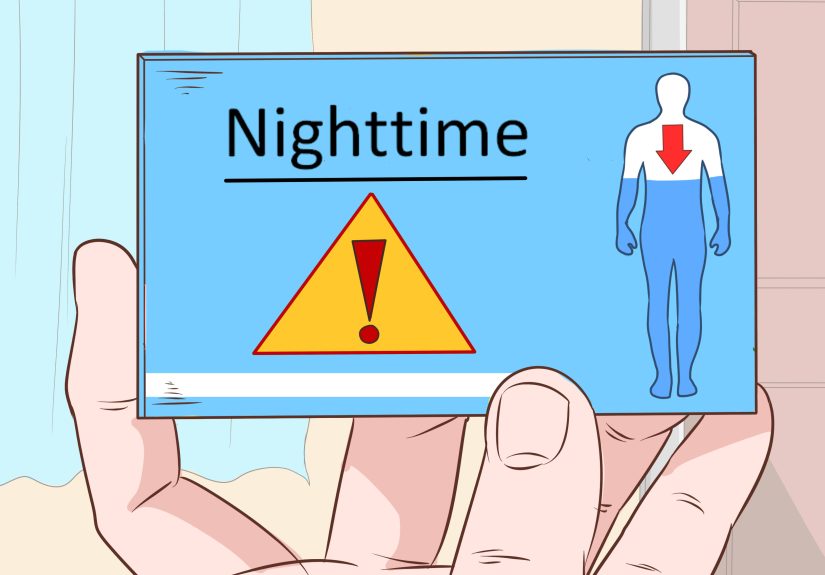
Quick safety note (because future-you will thank you): if you’re taking over-the-counter cold/flu meds, always read labels,
avoid doubling up on the same ingredient, and don’t use anything that makes you dizzy or wired if you’re trying to sleep.
And if you’re caring for a child, check age limitsespecially for cough medicines and home remedies like honey.
Way #1: Make breathing easier (so you’re not “sleeping” with your mouth open like a goldfish)
Congestion is one of the biggest sleep thieves when you’re sick. The goal isn’t to “cure” your cold at 10:42 p.m.it’s to
help air move, mucus drain, and irritation calm down long enough for you to get a solid stretch of rest.
1) Elevate your headyes, it actually helps
If lying flat makes your nose clog up instantly, try sleeping with your head and upper body slightly elevated. You can do
this by propping up the head of the bed a little, using a wedge pillow, or stacking pillows (carefullyno collapsing pillow
skyscrapers at 2 a.m.). Elevation can encourage drainage and reduce that “pressure cooker” feeling in your sinuses.
2) Add moisture the smart way
Dry air can make congestion and coughing worse, especially in winter or in rooms with forced-air heat. A cool-mist
humidifier can help keep nasal passages and the throat from feeling like they’ve been left out in the sun.
- Keep humidity comfortable, not tropical. If your room starts feeling swampy, scale it back.
- Clean the humidifier. A dirty tank can blow out irritants you don’t want in your lungs.
- Use fresh water. Replace water daily and follow the device instructions.
3) Use saline to “unstick” the situation
Saline nasal spray or a saline rinse can moisturize nasal passages and help loosen mucus. It’s not a stimulant; it’s more
like giving your nose a gentle rinse so it can do its job without staging a protest.
If you use a nasal rinse device (like a squeeze bottle or neti pot), be picky about water: use distilled, sterile, filtered,
or previously boiled-and-cooled water for safety.
4) Do a 5-minute steam reset
If your nose is fully blocked right before bed, try a warm shower or just sitting in a steamy bathroom for a few minutes.
You’re aiming for “my breathing is less awful” rather than “I am now a brand-new person.”
Mini example: If you’re waking up at 1 a.m. congested, keep a saline spray and a glass of water on your
nightstand. A quick spray + sip can be enough to settle things without fully waking you up.
Way #2: Calm the cough and soothe the throat (nighttime is not the time for bonus coughing)
Coughing often gets worse at night because you’re lying down, mucus drips backward, and your throat dries out.
Your plan: coat, hydrate, and reduce irritation.
1) Try warm liquids before bed
Warm tea, broth, or warm water with lemon can feel soothing and may help loosen stuffiness. It’s also a simple way to
hydrate without chugging cold water that makes you shiver like a cartoon character.
2) Honey: small spoon, big comfort (but not for babies)
A spoonful of honey (or honey in warm tea) can coat an irritated throat and may help reduce nighttime coughing for some
people. Important: honey is not recommended for children under 1 year old.
3) Gargle, then glide into bed
A warm saltwater gargle can temporarily ease a sore throat and help clear mucus from the back of the throat. Think of it as
“resetting the surface” so the next hour isn’t just you swallowing sharp air.
4) Consider a targeted OTC optioncarefully
If your cough is keeping you from resting, some people use an over-the-counter cough suppressant at night. If you go this
route, keep it simple:
- Choose the symptom you want to treat. Don’t take a “kitchen sink” combo if you don’t need it.
- Avoid double-dosing. Many multi-symptom products share ingredients.
- Skip stimulants before bed. Some decongestants can make you feel jittery.
Mini example: If your throat feels raw but you’re not that congested, you might do warm tea + honey,
a saltwater gargle, then a lozenge right as you turn off the light. That combo often buys a calmer first sleep stretch.
Way #3: Time your comfort plan (fever, aches, and “why do my elbows hurt?” energy)
Pain and fever can sabotage sleep fast. The trick is timing: you want peak relief during your first few hours asleep
(when your body is most likely to finally power down).
1) Treat aches/fever safely
Many adults use acetaminophen or ibuprofen for fever and body aches. Follow package directions and consider your personal
health conditions (like liver disease, kidney disease, ulcers, or blood thinners). If you’re unsure, ask a clinician or
pharmacistespecially if you’re mixing medications.
Very common mistake: accidentally taking too much acetaminophen because it’s included in multiple cold/flu
products. Always check the “Drug Facts” label so you don’t stack the same ingredient.
2) Don’t go to bed dehydrated (but also don’t chug a gallon)
Hydration matters when you’re sick, but you don’t want to wake up every hour to pee. Aim for steady fluids in the evening,
then taper the last 60–90 minutes before sleep. If your throat is dry, keep water nearby for small sips.
3) Eat a small, boring snack if nausea or meds bother you
If an empty stomach makes you queasyor you’re taking medication that feels rough without foodtry something simple:
crackers, toast, applesauce, or a small bowl of oatmeal. The goal is “settled,” not “Thanksgiving dinner.”
4) Watch the decongestant trap
Some decongestants can be helpful for daytime functioning, but they may keep certain people awake at night. If you notice
a racing heart, jitters, or “I could alphabetize my spice rack at midnight” vibes, switch to non-stimulating options
in the evening (like saline, steam, elevation, and humidified air).
Mini example: If body aches wake you at 3 a.m., your bedtime plan may need adjusting: take your fever/ache
medicine at the time recommended on the label so it covers your early sleep window, not right after you’ve already been
tossing for two hours.
Way #4: Use “sick-day sleep hygiene” (lower the bar, keep the basics)
Classic sleep hygiene is built for healthy days. Sick days need a version that’s realistic: you’re allowed to be a little
messier, but your environment should still nudge you toward sleepnot stimulate you into an accidental late-night
documentary marathon about shipwrecks.
1) Keep the room cool, dark, and quiet
A cooler room and minimal light/noise help your brain stay in sleep mode. If you’re sensitive to sound, a white-noise
machine (or even a fan) can mask random nighttime noises that feel 10x louder when you’re sick and grumpy.
2) Make your bed a “recovery zone”
Set up your nightstand like a tiny wellness station: tissues, water, lip balm, saline spray, and any meds you’ll need
(stored safely and taken only as directed). The fewer times you have to get up, the less likely you are to fully wake.
3) Try a short wind-down routine (even if it’s basic)
You don’t need a 12-step spa ritual. Try this:
- Warm shower or face steam (5–10 minutes).
- Warm drink (decaf) or a few sips of broth.
- Saline spray + tissues + lip balm.
- Lights down, screens away, “we’re done for the day” energy.
4) Nap strategically, not endlessly
Naps can help you recover, but a long late-afternoon nap can steal sleep from the night. If you need one, try keeping it
earlier in the day and shorterenough to take the edge off, not enough to make nighttime feel optional.
Mini example: If you fell asleep on the couch from 6–8 p.m., don’t be shocked if you’re wide awake at
midnight. When you’re sick, even small schedule shifts can snowball. The fix is usually gentle: keep the room dark, do
a quick symptom reset (saline, water sip), and return to bed without turning it into a full “awake time.”
When you should get medical advice (don’t tough it out unnecessarily)
Most colds and many mild flu cases can be managed at home, but certain situations call for medical guidance. Seek care
promptly if:
- You have trouble breathing, chest pain, confusion, or bluish lips/face.
- Your fever is very high, persistent, or returns after improving.
- You’re dehydrated (minimal urination, dizziness, inability to keep fluids down).
- You’re at higher risk of complications (older adults, pregnancy, infants, or people with chronic conditions or weakened immunity).
- Symptoms are worsening instead of gradually improving.
A simple “Tonight Plan” (so you’re not improvising at 2 a.m.)
If decision-making feels impossible when you’re sick (relatable), follow this checklist about 45–60 minutes before bed:
- Air: humidifier on (clean), room slightly cool.
- Nose: saline spray or rinse; tissues ready.
- Throat: warm drink; honey if appropriate; lozenge nearby.
- Body: fever/ache relief as directed (no ingredient stacking).
- Setup: head elevation; water at bedside; lights low; screens off.
Then give yourself permission to sleep in “chunks.” If you get two solid blocks of sleep tonight, that’s progress.
Recovery is not an all-or-nothing sport.
Experiences and relatable scenarios (about )
You don’t need superhuman willpower to sleep when you’re sickyou need a plan that matches what sickness actually feels
like. Here are a few common, real-life patterns people describe, plus what tends to help. (These are composite scenarios,
not individual medical stories.)
Scenario 1: “I fall asleep… then wake up congested every hour.”
This usually happens when congestion worsens lying flat. People often say the first 30–60 minutes in bed feel fine, and
then they wake up with a fully blocked nose and dry mouth. The most helpful shift is structural: elevating the head and
keeping the air comfortably humid. Many find that saline spray right before bed (and again if they wake up) prevents the
nose from drying out and getting stickier. The psychological win is huge too: when the tools are on the nightstand, you
can fix the problem quickly without turning on bright lights or doomscrolling.
Scenario 2: “My cough is polite all day and unhinged at night.”
Night cough often feels unfair because you’re finally trying to rest and your throat decides it’s time to perform. People
commonly report that a warm drink right before bed helps, especially if the cough is triggered by dryness. Others swear by
a simple routine: warm shower → honey tea → lozenge → lights out. The sequence matters because it layers hydration and
throat-soothing effects. Some also find that sleeping slightly on their side (instead of flat on the back) reduces that
tickly drip feeling that sets off coughing.
Scenario 3: “I’m exhausted, but my body aches make me restless.”
This is the “I can’t get comfortable in any position” night. People describe tossing, flipping pillows, and feeling like
their joints are auditioning for a creaky door sound effect. What helps most is timing pain/fever relief so it covers the
first sleep window. A small snack can prevent nausea, and a slightly cooler room can reduce that overheated, clammy feeling
that comes with fever. Many also find comfort in making the bed a recovery zoneextra pillow support, a soft blanket that
doesn’t feel heavy, and everything needed close by. The less you have to get up and think, the more likely you are to drift
back off.
Scenario 4: “I’m sleeping too much during the day and then I can’t sleep at night.”
When you’re sick, naps can happen accidentally: one minute you’re “resting your eyes,” the next it’s two hours later and
you’re holding a remote you don’t remember picking up. People often notice that long late naps push bedtime back and make
them feel wired at night. A realistic fix isn’t “no naps” (you’re sick!), but “earlier, shorter naps.” Even a 20–40 minute
nap earlier in the afternoon can take the edge off without stealing the night. And if you did nap late? The move is gentle
wind-down, dim lights, and symptom reliefrather than trying to force sleep with frustration.
The theme across all these experiences is simple: when you’re sick, the best sleep strategy is comfort + fewer
interruptions. You don’t need perfection. You need enough calm, clear breathing, and symptom control to stay asleep
longer than your next cough.
Conclusion
If you remember nothing else, remember this: sleeping while sick is mostly about removing the “wake triggers.”
Elevate your head and humidify the air to breathe easier, soothe your throat and calm cough triggers, time your fever/ache
relief responsibly, and keep your environment cool, dark, and low-drama. Do that, and you’ll give your body the best shot
at the thing it wants most right now: recovery.