Table of Contents >> Show >> Hide
- Before You Start: 5 Rules That Make Stain Removal Easier
- Way #1: Use an Enzyme Detergent for the Fastest, Most Reliable Cleanup
- Way #2: Try a Vinegar and Dish Soap Soak for Stains That Also Smell Awful
- Way #3: Use Oxygen Bleach for Set-In Stains and Lingering Odor
- Way #4: Use Bleach-Safe Whitening for White Clothes That Need a Full Reset
- What If the Vomit Stain Is Old?
- Common Mistakes That Make Vomit Stains Worse
- When to Call a Dry Cleaner Instead
- Real-Life Experiences: What Vomit Stain Removal Looks Like Outside the Laundry Room Fantasy World
- Final Thoughts
Let’s be honest: no one wakes up hoping to research vomit stains. This is not a hobby. This is a “something terrible happened in the car / nursery / guest room / airport hoodie” kind of moment. The good news is that vomit stains on clothing are usually removable if you move quickly, use the right stain-fighting method, and avoid turning a gross mess into a permanent fabric souvenir.
Vomit is a messy combo of protein, acids, oils, food particles, and odor. That means a single “just toss it in the wash” approach often falls flat. You usually need a smarter plan: remove solids, flush the stain, pretreat it, then wash it the right way. In some cases, you also need a second round for odor because fabric has an annoying tendency to remember everything.
Below are four practical ways to remove vomit stains from clothing, plus the common mistakes that make the stain harder to remove. Whether you are rescuing a child’s pajamas, your favorite sweatshirt, or that shirt you definitely wanted to wear again someday, these methods can help.
Before You Start: 5 Rules That Make Stain Removal Easier
1. Remove the solids first
Use a spoon, dull knife, or paper towel to gently lift off any chunky bits. Glamorous? No. Necessary? Absolutely. The less material left on the fabric, the less you have to fight later.
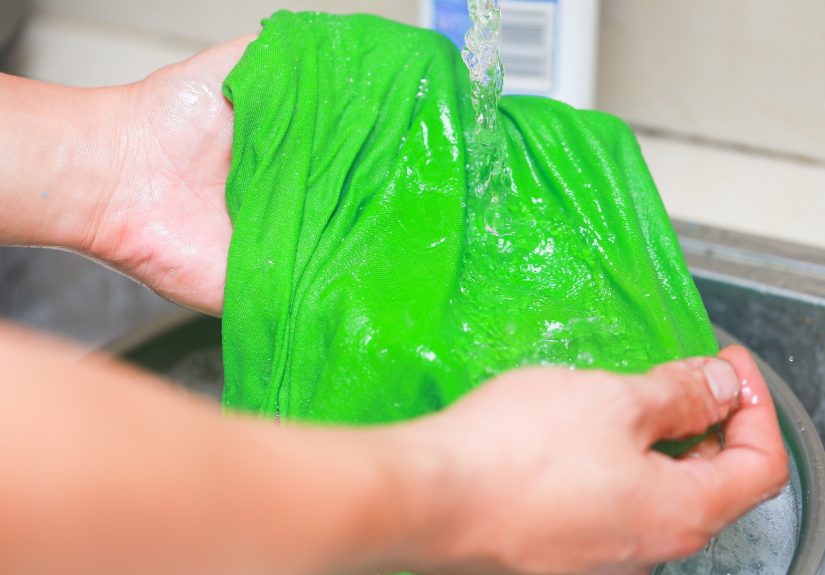
2. Rinse from the back of the stain with cold water
Cold water helps push the mess out of the fibers instead of driving it deeper. Hold the fabric with the wrong side facing the faucet so the stain is flushed back out the way it came in. Not poetic, but effective.
3. Check the care label
Cotton, polyester, denim, and many blends can usually handle stronger treatment than silk, wool, rayon, or anything labeled dry-clean-only. If the garment is delicate, start gently and do not freestyle with every product under the sink.
4. Wear gloves if the clothing is heavily soiled
This is especially smart if the vomit came from someone who may have a stomach bug. Handle the laundry carefully, avoid shaking it, and wash your hands after. No stain is worth turning your laundry room into a science experiment.
5. Do not put the item in the dryer until the stain is gone
Heat can set whatever remains. If the stain or smell is still hanging on after washing, air-dry the garment and repeat the treatment instead of baking the problem into the fabric forever.
Way #1: Use an Enzyme Detergent for the Fastest, Most Reliable Cleanup
If you want the best all-around method for a fresh vomit stain, start here. Enzyme detergents are especially useful because vomit is partly a protein stain. Enzymes help break down that gunky organic material so it can wash out more easily.
How to do it
After scraping off solids and rinsing with cold water, apply a small amount of liquid enzyme detergent or stain remover directly to the stained area. Work it in gently with your fingers or a soft brush. Let it sit for about 10 to 15 minutes.
Then wash the item in the warmest water safe for the fabric. For sturdy everyday clothing, that usually means warm or hot according to the care label. For delicate fabrics, stay conservative. If the item was contaminated during a stomach illness, a thorough wash cycle and complete drying are especially important.
Why this method works
This is the closest thing to the “grown-up, efficient, least dramatic” solution. It tackles the protein side of the stain, helps loosen food residue, and usually works well on fresh messes before they settle in and make themselves comfortable.
Best for
T-shirts, pajamas, sheets, sweatshirts, kids’ clothing, and most washable everyday fabrics.
Pro tip
If the stain is larger than a silver dollar or has already started drying, let the item soak in cool water with a little detergent before washing. A short presoak often gives the detergent time to do the heavy lifting.
Way #2: Try a Vinegar and Dish Soap Soak for Stains That Also Smell Awful
Sometimes the visible stain is only half the battle. The other half is the smell that lingers like a rude guest who missed the cue to leave. In those cases, a vinegar and dish soap soak can be surprisingly helpful.
How to do it
Mix cool water with a splash of white vinegar and a few drops of liquid dish soap. Soak the stained section for 10 to 15 minutes, then gently rub the fabric together or blot the area with a clean cloth. Rinse well, then wash with laundry detergent as usual.
Why this method works
White vinegar can help neutralize odor, while dish soap helps break down greasy or food-based residue. Since vomit can contain oils and acidic food remnants, this combo can be useful when the mark is faint but the smell is still trying to run the show.
Best for
Light-colored casual clothing, washable blends, and garments that still smell unpleasant after an initial rinse.
Important caution
Do not jump from a vinegar soak straight into chlorine bleach. Rinse thoroughly first, and never mix random cleaning products like you are auditioning for a chemistry disaster. Keep it simple and fabric-safe.
Way #3: Use Oxygen Bleach for Set-In Stains and Lingering Odor
If you washed the garment once and the stain laughed in your face, it is time for method three. Oxygen bleach, often labeled color-safe bleach, is one of the best options for stubborn organic stains and lingering odor on washable fabrics.
How to do it
Fill a sink, tub, or bucket with water according to the product instructions and dissolve the oxygen bleach fully. Submerge the garment and let it soak. Depending on the stain, that might be anywhere from 30 minutes to several hours. After soaking, wash the garment with detergent.
Why this method works
Oxygen bleach is great for lifting stain residue and freshening fabric without being as harsh as chlorine bleach. It is often a smart choice when vomit has dried, when the stain has left a shadow, or when the odor remains after a normal wash.
Best for
Colored clothing, towels, sheets, cotton, polyester, and many durable blends.
When to skip it
Do not use oxygen bleach on every fabric without checking the label first. Some materials, including certain delicate fibers, do not love soaking sessions. If the garment is wool, silk, suede, or dry-clean-only, stop and take the hint from the tag.
Extra tip for dried stains
If the vomit stain has already dried, soak first, then pretreat the area with detergent before washing again. Dried stains usually need a two-step approach. Unfortunately, dried stains have the confidence of someone who has overstayed their welcome.
Way #4: Use Bleach-Safe Whitening for White Clothes That Need a Full Reset
White clothing is both a blessing and a trap. On the bright side, you can use stronger whitening methods if the fabric allows it. On the dark side, every stain shows up like it paid rent.
For white, bleach-safe fabrics, a bleach-based wash can help remove remaining discoloration and deal with odor after you have already rinsed and pretreated the stain. For white fabrics that are not chlorine-bleach safe, stick with oxygen bleach instead.
How to do it
First pretreat the stain. Then wash using a suitable bleach product only if the care label allows it. Use the correct amount, follow the product directions, and run a complete wash cycle. Dry thoroughly once the stain is fully gone.
Why this method works
On sturdy whites, bleach can help remove the faint yellowish or dingy cast that sometimes remains after organic stains. It is more of a “finish the job” method than a first-response method.
Best for
White cotton underwear, white sheets, white towels, and durable white basics that can tolerate bleach.
Do not use this on
Silk, wool, spandex-heavy fabrics, or anything that specifically says no bleach. Also, if your idea of checking the care label is “I glanced at it emotionally,” now is the time to actually read it.
What If the Vomit Stain Is Old?
Old vomit stains are annoying, but not always permanent. Start by soaking the garment in cool or lukewarm water with detergent or oxygen bleach, depending on the fabric. Then pretreat the stain and wash again. Air-dry it and inspect carefully. If you still see a mark, repeat the process instead of tossing it in the dryer.
Patience matters here. Old stains often fade in layers. The first wash may remove the smell, the second may fade the discoloration, and the third may finally get you to victory. Not every laundry story needs a dramatic third act, but some do.
Common Mistakes That Make Vomit Stains Worse
Using hot water right away
Hot water can make certain protein-based stain elements cling more stubbornly in the early stage. Start with a cold rinse. After pretreating, wash in the warmest or hottest water the fabric can safely handle.
Scrubbing too aggressively
Hard scrubbing can spread the stain and rough up the fibers. Blot, squeeze, or gently work in the cleaner instead.
Skipping pretreatment
A regular wash cycle alone may not fully remove vomit stains because you are dealing with more than one kind of residue. Pretreatment gives you a much better shot at full removal.
Using the dryer too soon
This is the classic laundry plot twist. The shirt looks “probably fine,” then the dryer locks in a faint yellow shadow and the problem becomes your future self’s problem. Air-dry first, inspect second, celebrate third.
When to Call a Dry Cleaner Instead
If the garment is labeled dry-clean-only, or made from silk, wool, tailored blends, structured formalwear, or anything expensive enough to make you nervous, do not improvise with ten household products. Blot what you can, keep the stain damp if the cleaner recommends it, and take it to a professional as soon as possible.
Tell them exactly what the stain is. Yes, it is awkward. No, they are not shocked. Dry cleaners have seen things. Things far worse than your brunch disaster.
Real-Life Experiences: What Vomit Stain Removal Looks Like Outside the Laundry Room Fantasy World
The biggest difference between a stain-removal article and real life is that real life does not happen in calm lighting with matching white towels. Real life happens at 2 a.m., in a moving car, at the pediatrician, after a stomach bug, or five minutes before you are supposed to leave the house. That is why practical expectations matter.
Take the classic toddler pajama emergency. The stain is fresh, the fabric is cotton, and there is no time for drama. In that case, the fastest win is usually to remove the solids, rinse the pajamas from the back with cold water, rub in enzyme detergent, and wash immediately. Parents who do this quickly often save the fabric completely. Parents who set the pajamas aside “for later” tend to discover that later is much less cooperative.
Then there is the car-sick hoodie scenario, which is almost always worse because the mess sits longer. By the time you get home, the stain has dried, the smell has settled in, and the hoodie has entered its villain era. This is where an oxygen bleach soak really earns its paycheck. One wash may remove the visible mess, but a soak followed by rewashing is often what finally gets rid of the odor.
A third common experience is the white sheet problem during a stomach bug. This is less about fashion and more about getting things genuinely clean. White cotton sheets can often be rescued with a rinse, pretreatment, and a bleach-safe wash if the label allows it. The lesson here is not just stain removal; it is also careful handling. Gloves, no shaking, and a full wash-and-dry cycle matter more than people think when illness is involved.
And then there is the “I washed it once and it still smells weird” mystery. This is so common that it barely counts as a mystery. Fabric can hold onto odor even when the stain looks gone. In those cases, people often assume the garment is ruined, when the better move is simply a second treatment: vinegar soak for smell, oxygen bleach for stubborn residue, and air-drying before deciding whether the item is truly clean.
The emotional side of this is real too. When the stained item is a favorite baby blanket, a team uniform, a work blouse, or your one comfortable travel sweatshirt, people do not just want cleaning advice. They want reassurance that the item is not doomed. Usually, it is not. Most washable fabrics bounce back surprisingly well when they are treated quickly and not overheated.
The biggest real-world lesson is this: speed beats intensity. You do not need the world’s harshest cleaner. You usually need fast action, the right method, and enough patience to repeat the process once if needed. Stain removal is less about brute force and more about sequence. Scrape. Rinse. Pretreat. Wash. Check. Repeat if needed. It is not glamorous, but it works.
Final Thoughts
Removing vomit stains from clothing is not fun, but it is usually manageable. If you remember only three things, make them these: rinse with cold water first, pretreat before washing, and do not machine-dry the garment until the stain is completely gone. From there, choose the method that fits the situation: enzyme detergent for fresh stains, vinegar and dish soap for odor-heavy messes, oxygen bleach for stubborn set-in stains, and bleach-safe whitening for durable whites.
In other words, your clothing does not have to lose the battle just because your stomach did. Move fast, treat the fabric kindly, and let the laundry products do the heroic work.