Table of Contents >> Show >> Hide
- Quick Valley Fever basics (so the rest makes sense)
- Way #1: Build a “recovery menu” with anti-inflammatory, high-value nutrition
- Way #2: Support the gut to support the immune system (probiotics + gentle digestion strategies)
- Way #3: Make breathing easier with smart environment control (dust down, air quality up)
- Way #4: Use natural comfort care for pain, inflammation, and stress (safely)
- What to monitor at home (and when to call the vet)
- FAQ: “Can my dog recover from Valley Fever?”
- Conclusion
- 500+ Words of Real-World Experience: What Owners Learn the Hard Way (So You Don’t Have To)
Valley Fever (the tongue-twister known as coccidioidomycosis) is what happens when a dog inhales fungal spores from dusty desert soil and the fungus decides to throw a house party in the lungsand sometimes, unfortunately, beyond. It’s most common in parts of the Southwestern United States, and it can range from “my dog seems a little off” to “why is my dog limping and coughing like an old cowboy?”
Before we get cozy: if your dog has Valley Fever (or you strongly suspect it), this is not a DIY-only situation. Most dogs who are sick enough to see a veterinarian need prescription antifungal medication for months, sometimes longer. Natural care is best used as supportive carethe stuff that helps your dog feel better, eat better, breathe easier, and heal stronger while the medical treatment does the heavy lifting.
Think of it like this: the antifungal is the bouncer removing the fungus from the club. Natural support is the friend who brings water, snacks, and a ride homeso recovery doesn’t feel like a cross-country road trip with no AC.
Quick Valley Fever basics (so the rest makes sense)
What it is
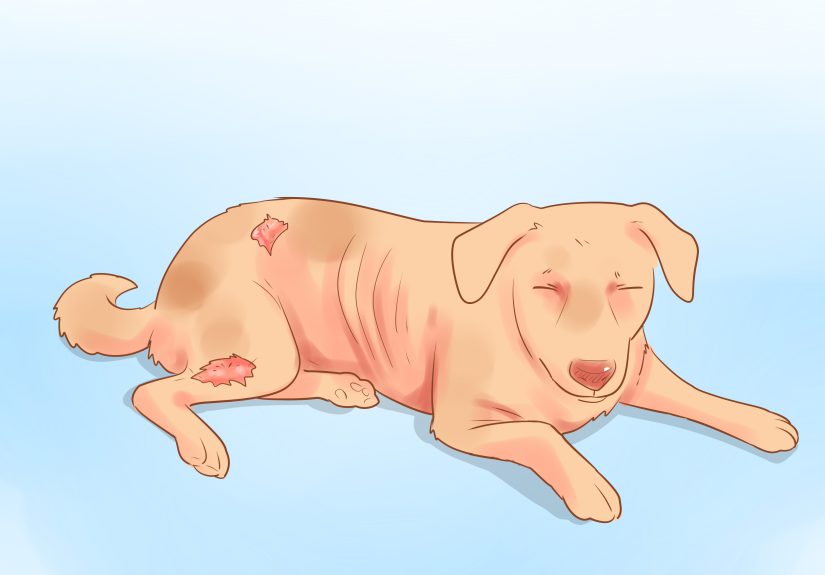
Valley Fever is caused by Coccidioides fungi. Dogs usually get infected by inhaling spores, which commonly settle in the lungs. Some dogs fight it off quietly. Others develop illness, and in some cases the infection can disseminate (spread) to bones, skin, eyes, or the nervous system.
Common symptoms in dogs
- Dry, persistent cough
- Low energy, “not my usual self” vibes
- Fever, decreased appetite, weight loss
- Lameness or bone/joint pain (if it spreads)
- Skin lesions or draining tracts (in some cases)
- Eye inflammation or neurologic signs (more serious)
Why “natural-only” treatment is risky
Valley Fever is a systemic fungal infection. When dogs develop clinical disease, veterinary sources consistently describe the standard of care as long-term antifungal therapy (often 6–12 months, sometimes lifelong depending on where the infection goes). Supportive care can be incredibly helpful, but it doesn’t replace antifungal medication.
Way #1: Build a “recovery menu” with anti-inflammatory, high-value nutrition
When a dog is dealing with Valley Fever, the body burns through calories and muscle like it’s training for a marathon no one signed up for. Appetite often drops. Coughing and fatigue can make eating feel like work. Your mission: make food easy, enticing, and useful.
What to aim for
- High-quality protein to support immune function and muscle maintenance
- Digestible calories to prevent weight loss
- Anti-inflammatory fats to help with systemic inflammation
- Hydration support (especially if appetite is low)
Practical, dog-realistic examples
- Warm the food slightly (not hot) to boost aromasmell is the appetizer.
- Add a spoonful of plain cooked chicken or lean ground turkey to a balanced commercial diet (or vet-approved therapeutic diet).
- Offer small meals 3–4 times per day instead of one big “please eat this” bowl.
- Try a vet-approved recovery canned diet if your dog is losing weight or refusing food.
- Use bone broth made for dogs (low sodium, onion/garlic-free) to add moisture and flavor.
Omega-3s: the simplest “natural add-on” with real upside
Fish oil (EPA/DHA) is commonly used in dogs for inflammation support. If Valley Fever has your dog achy, stiff, or losing condition, omega-3s can be a helpful adjunct. The key is doing it safely:
- Choose a pet-specific fish oil or a high-quality brand with purity testing.
- Start low to avoid diarrhea and work up gradually.
- Ask your veterinarian about a dose that fits your dog’s weight, diet, and any other meds.
Important cautions (aka: the “don’t accidentally make this harder” section)
- Some antifungals can affect the liver; avoid “kitchen-sink supplement stacks” without vet guidance.
- Never add ingredients toxic to dogs (onion, garlic, xylitol, grapes/raisins, macadamia nuts).
- If your dog is on a prescription diet or has kidney/liver issues, discuss food changes first.
Bottom line: Nutrition won’t kill the fungusbut it can keep your dog strong enough to recover while the medication does.
Way #2: Support the gut to support the immune system (probiotics + gentle digestion strategies)
Valley Fever treatment often lasts a long time. Long time = more chances for tummy drama. Some dogs get nausea, loose stools, or appetite changes. And when digestion is cranky, everything feels harderespecially healing.
Why gut support matters
The gut isn’t just a food tube; it’s a major immune organ. When digestion is stable, dogs tend to eat better, absorb nutrients better, and tolerate meds better. That’s a win you can feel in your bones (and so can your dog, who would prefer not to be betrayed by his own intestines).
Natural gut support options
- Probiotics (dog-specific strains, reputable brands)
- Prebiotic fiber from vet-approved sources (some diets include this already)
- Bland “reset” meals short-term if your vet recommends it (then transition back to balanced nutrition)
How to do probiotics without chaos
- Pick one probiotic product, not a rotating buffet.
- Start with a half dose for 3–5 days if your dog is sensitive.
- Watch stool quality and appetite like a hawk with a clipboard.
- Keep your vet in the loopespecially if diarrhea lasts more than 24–48 hours.
Bonus: nausea-friendly tactics
- Feed meds with a small meal (if allowed) to reduce stomach upset.
- Use lickable options (vet-approved) to make dosing less of a wrestling match.
- Ask your vet about anti-nausea meds if appetite is tankingdon’t just “wait it out.”
Bottom line: A calm gut makes it easier for your dog to stay consistent on treatment, and consistency is a big deal in long-term fungal infections.
Way #3: Make breathing easier with smart environment control (dust down, air quality up)
Valley Fever starts with inhaled spores, and dusty air can irritate already-inflamed lungs. While you can’t vacuum the entire desert (tragic), you can absolutely improve your dog’s day-to-day breathing conditions at home.
Dust-control upgrades that actually help
- Limit digging and dust play (yes, even if your dog thinks digging is his calling).
- Avoid windy days for outdoor time; choose calmer hours.
- Stick to leashed walks on paved paths until your vet clears more activity.
- Wipe paws and coat after walks to reduce tracked-in dust.
- If you have a yard, consider lightly wetting a small potty area before your dog goes out (don’t create mudthe goal is less dust, not a swamp).
Indoor air support
- Use a HEPA air purifier in the room where your dog rests most.
- Replace HVAC filters regularly (and choose higher filtration if your system supports it).
- Vacuum with a HEPA-filter vacuum if possible.
- Avoid smoke, strong fragrances, and aerosols.
Humidity: helpful, with boundaries
Dry indoor air can irritate airways. A humidifier may help some dogs feel more comfortableespecially with cough. Keep it clean (daily rinse, regular disinfecting) to avoid adding mold or bacteria to the air. If your dog worsens with humidity or has other respiratory conditions, ask your vet before turning your living room into a rainforest.
Rest is not “doing nothing”it’s treatment support
Dogs with Valley Fever often need restricted exercise, especially if they’re coughing or have bone involvement. Short, calm walks for potty breaks may be fine, but “weekend warrior” play can backfire. Think: gentle recovery mode, not CrossFit.
Bottom line: Cleaner air and less dust can reduce respiratory irritation and help your dog conserve energy for healing.
Way #4: Use natural comfort care for pain, inflammation, and stress (safely)
Valley Fever can make dogs feel lousyfatigue, achiness, and sometimes significant pain if the infection spreads to bones or joints. While you should never give human pain meds (many are toxic to dogs), there are natural comfort strategies that can make recovery less miserable.
Comfort care strategies that are low-risk and high-reward
- Orthopedic bedding to reduce joint pressure
- Warm compresses (not hot) for sore areas if your vet approves
- Gentle massage to ease muscle tension (avoid painful areas)
- Ramps instead of stairs for dogs with lameness or weakness
- Calm routine: predictable feeding, potty, and rest times
Natural anti-inflammatory add-ons (discuss first with your vet)
Some owners ask about supplements like turmeric/curcumin, CBD, or medicinal mushrooms. Here’s the truth in plain English: evidence in dogs is mixed, quality control varies, and interactions can happenespecially with long-term antifungals and any liver-sensitive medications.
If you want to explore these, do it like a pro:
- Ask your veterinarian whether it’s appropriate for your dog’s case (especially if liver values are being monitored).
- Use one product at a time so you can tell what helpsor what causes issues.
- Choose reputable brands with clear testing and dosing guidance for dogs.
- Stop immediately if appetite drops, vomiting occurs, or behavior changes.
Stress reduction is a medical strategy (no, really)
Stress makes sleep worse. Bad sleep makes healing worse. Healing worse makes everyone crankier. You see where this is going.
Support calm with:
- Quiet rest spaces away from household traffic
- Low-energy enrichment: snuffle mats, lick mats, easy puzzle toys
- Short training sessions (sit, touch, “go to mat”) for confidence without exertion
- Vet-approved calming options if anxiety is high
Bottom line: Comfort care won’t cure Valley Fever, but it can dramatically improve quality of life during treatmentand that matters.
What to monitor at home (and when to call the vet)
With Valley Fever, the timeline is often measured in months. That means your superpower is consistency and observation.
Keep a simple weekly checklist
- Appetite (better, worse, unchanged)
- Energy level
- Cough frequency
- Body weight (even once weekly helps)
- Lameness or pain signs
- Medication tolerance (vomiting, diarrhea, refusal)
Call your vet promptly if you notice
- Worsening cough or labored breathing
- New lameness, swelling, or severe pain
- Seizures, disorientation, or extreme weakness
- Persistent vomiting/diarrhea or refusal to eat
- Yellowing of gums/eyes (possible liver issue)
And yes, follow-up testing matters. Your vet may monitor bloodwork and antibody titers over time and adjust treatment length based on clinical response.
FAQ: “Can my dog recover from Valley Fever?”
Many dogs do well with appropriate treatment, especially when the infection is limited to the respiratory system and caught early. More severe or disseminated cases can still improve, but they may require longer therapy and closer monitoring. The key is pairing veterinary treatment with practical supportive care at home.
Conclusion
If your dog has Valley Fever, you’re not powerlessand you don’t have to choose between “medicine” and “natural.” The smartest approach is a partnership: veterinary antifungal therapy to control the fungus, plus natural supportive care to help your dog feel better, eat better, breathe easier, and stay steady through a long recovery.
Start with the big four:
- Recovery-focused nutrition with anti-inflammatory support
- Gut support to improve appetite and medication tolerance
- Environmental control to reduce dust and respiratory irritation
- Comfort care to manage pain, inflammation, and stress safely
And remember: Valley Fever recovery is a marathon, not a sprint. But with the right plan, plenty of dogs cross the finish linetail up, appetite back, and ready to forgive you for the pill pockets.
500+ Words of Real-World Experience: What Owners Learn the Hard Way (So You Don’t Have To)
People rarely forget the moment they first hear “Valley Fever.” It’s like being handed a pamphlet titled Welcome to the Desert: Enjoy Your New Fungal Roommate. Most owners I’ve seen talk about the same emotional whiplash: one day your dog is mostly fine (maybe a little tired), and the next day you’re counting coughs, researching antifungals, and learning what “titer” means like it’s going to be on the final exam.
Experience lesson #1: Appetite is information. Owners often think, “He’s just being picky.” Then they realize picky is sometimes nausea, fatigue, or simply not feeling like themselves. The biggest practical win is making meals easy: smaller portions, warmed food, extra moisture, and a calm feeding spot where your dog isn’t competing with the vacuum cleaner, the doorbell, or the cat doing parkour. A lot of dogs eat better when meals feel low-pressurebecause apparently they, too, hate being watched while they eat.
Experience lesson #2: Don’t treat “rest” like a punishment. Dogs recovering from Valley Fever can look “okay enough” and still be fighting a real internal battle. Many owners report the same pattern: a dog has a good day, plays too hard, coughs more that night, and wakes up exhausted. Rest isn’t giving upit’s strategy. Enrichment becomes your new best friend: snuffle mats, lick mats, gentle training, and “find it” games that work the brain without stressing the body.
Experience lesson #3: The environment matters more than people expect. Owners in dusty areas start noticing what they never noticed before: windy afternoons, construction down the street, dry dirt patches in the yard. Some families shift walk times to early morning, pick paved routes, and keep a small potty zone lightly dampened to reduce dust clouds. Indoor air stepslike a HEPA purifier near the dog’s bedoften show up as “small change, surprisingly big impact,” especially for coughy dogs.
Experience lesson #4: Supplements are temptinggo slow. When you love your dog, you want to throw every “immune booster” at the problem. But experienced owners learn to be cautious: antifungals can be long-term, and your vet may be monitoring liver values. Adding multiple supplements at once can muddy the waters if something goes wrong. Many owners who have been through it recommend a simple rule: change one thing at a time, track it for a couple weeks, and don’t be afraid to stop if it doesn’t help.
Experience lesson #5: Tracking brings peace. The most confident owners aren’t the ones with the most internet tabs openthey’re the ones with a simple notebook (or phone note) tracking appetite, energy, cough, weight, and meds. It turns vague anxiety into useful data. It also helps your veterinarian make smarter decisions faster. And on the tough days, it reminds you that progress often comes in small steps: a better breakfast, a shorter cough, a longer nap, a brighter look in the eyes.
Above all, experienced owners say the same thing: Valley Fever can be scary, but it’s manageable when you treat it like a team sportyour vet handling the medical strategy and you running the daily support that helps your dog stay strong through the long haul.