Table of Contents >> Show >> Hide
- Why upgrading an IKEA sofa is such a smart move
- Before you buy anything: the 5-minute IKEA sofa upgrade checklist
- The 5 companies that make IKEA sofa upgrades easy
- 1) Bemz
- 2) Comfort Works
- 3) Soferia
- 4) CoverCouch
- 5) Prettypegs
- How to pick the right upgrade path for your IKEA sofa
- Common mistakes that make upgrades look cheaper than they should
- Conclusion: your IKEA sofa doesn’t need to be replacedjust reintroduced
- Real-World Experiences: What Upgrading an IKEA Sofa Is Actually Like (and Why People Keep Doing It)
Your IKEA sofa is basically the denim jacket of furniture: affordable, reliable, and somehow always invited to the party.
The only downside? After a few years (or one enthusiastic dog, one sticky toddler, or one “I’ll totally be careful with this red wine” night),
it can start looking a little… lived-in.
The good news: you don’t have to replace the whole couch to get that “brand-new living room” feeling.
Remodelista spotlighted five companies that specialize in IKEA-friendly upgradescustom slipcovers and stylish replacement legsso you can
refresh your setup without hauling a giant box through your hallway again.
Why upgrading an IKEA sofa is such a smart move
Replacing a sofa is expensive, time-consuming, and usually involves at least one awkward moment on the stairs.
Upgrading, on the other hand, is the furniture equivalent of a glow-up: same bones, better outfit.
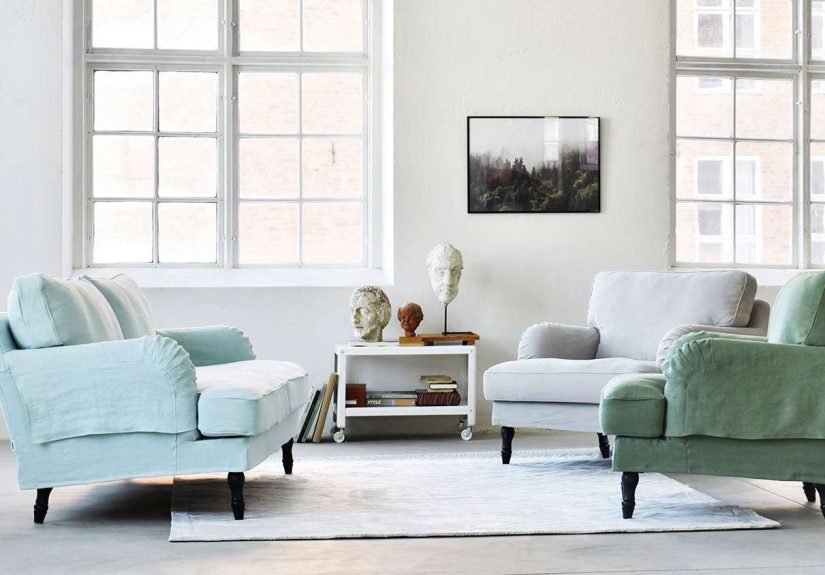
With the right cover or new legs, you can change the entire vibe of your spacecozy and casual, tailored and modern, or “I swear this isn’t IKEA.”
Upgrade wins you’ll actually notice
- A fresh look without the fresh price tag: Slipcovers and legs cost far less than a full sofa replacement.
- Washability: Many covers are designed to be removable and easier to clean than traditional upholstery.
- Style control: Linen for relaxed, velvet for drama, performance fabric for real life.
- Extended sofa lifespan: A new cover can hide wear, protect cushions, and delay “we need a new couch” conversations.
Before you buy anything: the 5-minute IKEA sofa upgrade checklist
The easiest way to waste money is ordering the right thing for the wrong sofa.
Before you fall in love with a fabric swatch named “Fog Whisper Oatmeal,” do these quick checks.
1) Identify your exact IKEA series and configuration
“Söderhamn” isn’t one sofait’s a whole modular family. Same goes for KIVIK, EKTORP/UPPLAND, FÄRLÖV, KLIPPAN, and friends.
Note whether you have a sofa, loveseat, sectional, corner, chaise (left or right), or sofa bed.
2) Measure what matters (and what gets stuck in doorways)
Measure the sofa length, depth, and height, but also measure access: doorways, hall turns, stair angles.
Even if you’re “just” upgrading, you might add legs (changing height) or add bulkier fabrics.
3) Choose your fabric based on your real lifestyle
- Kids/pets: Consider stain resistance, washability, and durable weaves.
- Sunny rooms: Consider colorfast fabrics and darker tones that don’t show fading as easily.
- Texture lovers: Linen and cotton look great but can read more casual; velvet looks luxe but shows nap marks.
- Allergy-conscious households: Removable, washable covers can be a practical advantage.
The 5 companies that make IKEA sofa upgrades easy
These are the five brands Remodelista highlighted for turning standard IKEA seating into something more personaleither through tailored slipcovers,
stylish legs, or both. Consider this your “upgrade menu,” with practical tips so you choose the right path the first time.
At-a-glance comparison
| Company | Best For | Upgrade Type | What Makes It Easy |
|---|---|---|---|
| Bemz | Designer-looking, made-to-order covers | Slipcovers (and some legs) | Large IKEA model coverage; made-to-order approach |
| Comfort Works | Performance fabrics, family-proof options | Slipcovers | Custom-fit by IKEA model; warranty-driven confidence |
| Soferia | Fast-ish custom covers and practical shipping | Slipcovers | Clear lead times; straightforward ordering by series |
| CoverCouch | Lots of fabric choices and tailored fits | Slipcovers | Search by IKEA series; sample-friendly shopping |
| Prettypegs | Instant style upgrade with minimal effort | Replacement legs (plus knobs/fronts) | Hardware built for IKEA fit; easy DIY installation |
1) Bemz
Bemz is the “tailored blazer” option for IKEA seating. If you want your couch to look less like a big-box buy and more like a considered design choice,
Bemz is where a lot of style-minded shoppers start. Their sweet spot is made-to-order slipcovers for a wide range of IKEA sofa familiesboth current
and discontinuedso you can keep a beloved frame and still get a fresh look.
Why people choose Bemz
- Made-to-order approach: Covers are produced per order, which can help reduce overproduction and lets you customize deeply.
- Big model library: Great if you have a classic IKEA series that’s no longer sold but still structurally solid.
- Fabric variety: Think linen, cotton, velvet, textured weaveslots of ways to change the mood of a room.
Pro tip
If you want a “high-end sofa” illusion, pick a fabric that looks substantial at a distance: heavy linen, textured cotton, or a velvet that doesn’t read shiny.
Then commit to one elevated detaillike a warm neutral, a deep ink color, or a subtle stripeand keep the rest of the room calm.
Your couch becomes the anchor instead of the apology.
2) Comfort Works
Comfort Works is the practical realist of the group (said with affection). If your sofa has to survive movie nights, pets, snack spills, and the occasional
“we’re eating on the couch because the table is covered in mail,” Comfort Works is worth a serious look.
They’re known for performance-minded fabrics and IKEA-specific fits, which means you get a cleaner silhouette than generic “one-size” covers.
Why people choose Comfort Works
- Designed for real homes: Performance fabrics and easy-care options are central to their value.
- Confidence features: Warranty and satisfaction-style policies help reduce the risk of “this doesn’t fit” regret.
- Broader brand coverage: Helpful if your home is a mix of IKEA and other popular sofa brands.
Pro tip
If you’re upgrading an IKEA sectional, prioritize the seams and closures.
A fitted cover looks best when cushion edges are crisp and sections align cleanly.
If your inserts are tired, consider replacing or refreshing the cushion fill before you order a new cover
the fanciest fabric in the world won’t hide a pancake cushion.
3) Soferia
Soferia’s appeal is simple: custom covers with clear logistics.
When you’re already juggling work, life, and that one cabinet door that never closes correctly,
“Wait, how long will this take?” is a fair question.
Soferia is known for providing straightforward information on timing, washing guidance, and shippingespecially helpful if you’re trying to plan a refresh
before guests arrive or before a seasonal reset.
Why people choose Soferia
- Clear lead-time expectations: Useful for planning and less guesswork.
- Wash and care guidance: Practical details are easy to find, which matters if you’re choosing light colors.
- Wide selection by IKEA series: Makes ordering less of a scavenger hunt.
Pro tip
If you’re nervous about committing to a bold color, start with a “quiet upgrade” fabric:
oatmeal, warm gray, sand, or soft white in a textured weave.
You’ll get the fresh, tailored look without feeling like your living room suddenly joined a circus.
Then add color with pillows you can swap in five seconds.
4) CoverCouch
CoverCouch is for the indecisive in the best waypeople who want a lot of fabric options and the ability to tailor the vibe.
They’re known for carrying a large range of fabrics and producing covers on an order basis.
If you love the idea of customizing your IKEA sofa but want more choice than whatever is available in the IKEA aisle that day,
CoverCouch gives you a wider style sandbox to play in.
Why people choose CoverCouch
- Many fabric options: Great if you’re chasing a specific look (like a wool-like texture) without full reupholstery.
- Tailored fit by model: Better lines than stretch “universal” covers.
- Made-to-order production: Typically tied to a predictable production window.
Pro tip
If your goal is “expensive-looking,” think about light and shadow.
Matte fabrics read calmer and more designer; shiny fabrics can look more synthetic under overhead lighting.
If you’re stuck between two options, choose the one with richer texturetexture looks intentional even in neutral tones.
5) Prettypegs
Prettypegs is the shortcut upgrade. If slipcovers are a wardrobe change, Prettypegs is the haircut and great shoes:
fast, noticeable, and shockingly effective.
Replace sofa legs and the whole silhouette changesmore midcentury, more airy, more modern, or more “I finally grew up.”
The brand also offers knobs and front layers for other IKEA pieces, but sofa legs are the star for seating upgrades.
Why people choose Prettypegs
- Quick visual impact: Leg swaps can modernize a sofa instantlyespecially on bulkier IKEA frames.
- IKEA-friendly hardware: Many IKEA sofas use standardized fittings; Prettypegs designs around that reality.
- Style flexibility: Wood, metal, different heightssmall changes that can dramatically shift the look.
Pro tip
Choose leg height strategically. Higher legs can make a room feel lighter and can help with cleaning access (hello, vacuum).
But don’t go too tall if you love lounge comfortraising a sofa can subtly change how your body sits and how the cushions feel.
It’s a style move, but it’s also a comfort decision.
How to pick the right upgrade path for your IKEA sofa
If your sofa looks tired but feels great
Go slipcover first. A fitted cover hides fading, small stains, and that “why is this armrest slightly shinier than the rest?” mystery.
A good cover also protects your original upholstery so the couch stays in better shape longer.
If your sofa looks fine but your room feels flat
Start with legs. New legs add architectural interest and create negative space under the sofa, which can make a room feel larger and more intentional.
Pair it with one elevated textile choicelike a wool throw or textured pillowsand you’ve essentially redesigned the living room without rearranging.
If you want a full “new sofa” transformation
Do both: tailored cover plus upgraded legs. This is the combination that most convincingly changes the identity of the sofa.
It’s also the moment when visitors start asking, “Where did you get that couch?” and you get to decide whether to say “IKEA” immediatelyor enjoy a beat
of suspense first.
Common mistakes that make upgrades look cheaper than they should
- Ordering without confirming chaise direction: Left and right chaise covers are not interchangeable, and chaos will ensue.
- Ignoring cushion condition: New covers won’t fix sagging insertsrefresh cushions first if needed.
- Choosing the wrong fabric weight: Too thin can look wrinkly; too stiff can look boxy. Aim for a balanced hand-feel.
- Not following wash instructions: Shrinkage and fading are real; cold water and gentle cycles are your friends.
- Forgetting the room’s lighting: Some fabrics look different in daylight vs. warm lamps. Swatches save heartbreak.
Conclusion: your IKEA sofa doesn’t need to be replacedjust reintroduced
IKEA sofas are popular for a reason: the frames and modular shapes can be genuinely useful, especially in real homes with real budgets.
But “popular” doesn’t have to mean “plain.”
With the right slipcover, the right legs, and a little strategy about fabric and fit, your couch can look more custom, feel more current,
and survive daily life with less stress.
Start with your goalwashability, a more elevated style, or a total transformationthen pick one of these five companies accordingly.
Upgrade the parts that show wear, keep what still works, and let your living room look like you meant it all along.
Real-World Experiences: What Upgrading an IKEA Sofa Is Actually Like (and Why People Keep Doing It)
On paper, upgrading an IKEA sofa sounds straightforward: pick a company, pick a fabric, swap the cover, maybe add new legs, and voilàdesigner vibes.
In real homes, the experience is usually a little messier, a lot more satisfying, and occasionally funny in a “why is this cushion fighting me?” way.
Here’s what people commonly learn (and what tends to make the difference between an upgrade that looks custom and one that looks like a loose bedsheet
is having a bad day).
The “new sofa” illusion is realespecially when you change texture
Many upgrades feel dramatic not because the color changes, but because the texture does.
A nubby linen or a matte velvet shifts how light hits the sofa, which makes the whole piece read more expensive.
That’s why “safe” colorsoatmeal, warm gray, creamoften look more premium after an upgrade than loud colors in a generic, shiny fabric.
The sofa starts behaving like a design element instead of a background object that collects laundry.
Fitted covers feel like a small miracleuntil laundry day
One of the biggest lifestyle wins people report with slipcovers is psychological: spills stop feeling like emergencies.
If the cover is removable and washable, you worry less. But there’s a learning curve.
The first time you wash and re-install a fitted cover, you realize why “two-person job” is a phrase that exists.
The best experiences usually come from treating re-covering like assembling IKEA furniture: clear the space, work methodically,
and don’t do it five minutes before guests arrive.
Pets reveal what you actually need from fabric
If you live with pets, the upgrade becomes less about “style” and more about “survival.”
People often discover that what matters most isn’t whether a fabric is trendyit’s whether hair releases easily, whether claws snag,
and whether the fabric can handle frequent cleaning without looking tired.
Performance fabrics and tightly woven textiles tend to win here.
Light colors can work beautifully in pet homes too, but only if you’re realistic about maintenance and follow care instructions closely.
Replacing legs is the quickest way to change the room’s energy
Leg swaps are the underrated hero of IKEA sofa upgrades.
Many people are surprised at how much “visual weight” a sofa loses when it’s lifted slightly, especially in small spaces.
More air under the couch can make the room feel less cramped, and it can improve cleaning access (including robot vacuums that previously got stuck
like determined little turtles).
The most successful leg upgrades usually keep the overall style consistent: midcentury legs pair well with simple, tailored covers; chunky modern legs
work better with minimalist rooms. When the leg style and cover style “speak the same language,” the sofa looks intentional.
The best upgrades are planned around how people actually live
The most “worth it” transformations aren’t always the boldestthey’re the ones that make daily life easier.
Families often choose fabrics that clean well. Apartment dwellers prioritize covers that help a used sofa look fresh.
People who entertain go for a polished, tailored look that photographs well and hides wear.
And plenty of folks do upgrades in stages: legs first for a quick refresh, then a slipcover later when budget allows.
That staged approach is practical and keeps the process from feeling overwhelming.
In the end, upgrading an IKEA sofa is popular because it’s empowering: you get to keep what works, fix what doesn’t, and design around your life
instead of designing your life around your furniture.
And if someone asks where you got your “new” couch, you can smile and say, “Oh, it’s an IKEA framejust upgraded.”
That’s not a confession. That’s a flex.