Table of Contents >> Show >> Hide
- Back surgery basics (so the questions make sense)
- Question 1: “Do I truly need surgeryand what happens if I wait?”
- Question 2: “What exactly is my diagnosis, and what procedure are you recommendingstep by step?”
- Question 3: “What benefits should I realistically expectand how will we measure success?”
- Question 4: “What are the risks and complications for someone like meand how will we reduce them?”
- Question 5: “How experienced is my surgical teamand what will recovery actually look like?”
- One-page cheat sheet you can bring to your consultation
- Final thoughts: the goal is confidence, not courage
- Patient experiences: what it often feels like in real life (about )
Back pain has a special talent: it can make you Google at 2 a.m., bargain with your mattress, and suddenly become
an expert in spinal anatomy you never asked to learn. If surgery is on the table, you deserve something better than
“Well, we’ll see what we find in there.”
This guide walks you through five smart, must-ask questions before back surgeryso you can understand your
diagnosis, weigh your options, and walk into a spine surgery consultation feeling informed (not hypnotized by a
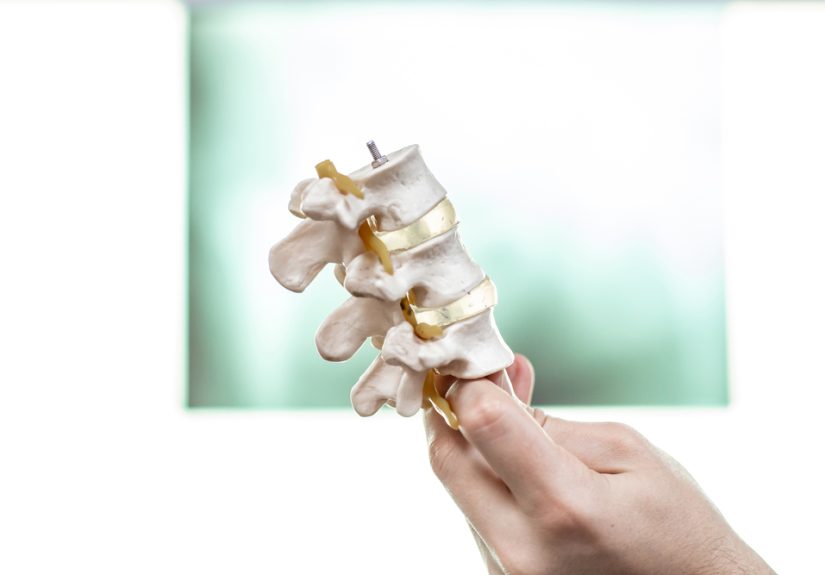
fancy model of the lumbar spine).
Quick note: This is general education, not personal medical advice. Your spine is not a “one size fits all”
itemdespite how many people swear their cousin’s chiropractor “fixed everything.”
Back surgery basics (so the questions make sense)
“Back surgery” can mean very different procedures, and the right questions help you confirm you’re choosing the
right one for the right reason.
-
Discectomy / Microdiscectomy: Removes part of a herniated disc pressing on a nerveoften used for leg pain
(sciatica) more than “just back pain.” -
Laminectomy / Decompression: Removes bone/ligament to create more space when nerves are crowded (like in spinal
stenosis). -
Spinal fusion: Joins two (or more) vertebrae to stabilize the spine. Helpful for certain instability problems
but it’s a bigger commitment with a longer recovery. - Disc replacement (select cases): Replaces a damaged disc with an artificial one for carefully chosen patients.
-
Minimally invasive approaches: Sometimes the same goal through smaller incisions. That can mean less tissue trauma,
but it’s not automatically “better” for every condition.
Your goal is to connect three dots: your symptoms + your imaging and exam + the specific procedure. If those
dots don’t line up, it’s time for more questions (and often, a second opinion).
Question 1: “Do I truly need surgeryand what happens if I wait?”
Why this matters
Surgery can be life-changing when it’s treating the right problem. But many common back pain episodes improve with
time and conservative careso the decision isn’t “surgery vs. suffering,” it’s often “surgery now vs. structured
non-surgical treatment first.”
What a good answer sounds like
-
Your surgeon explains the exact reason surgery is being recommended (for example, nerve compression causing
persistent leg symptoms, progressive weakness, or instability confirmed by imaging). -
You hear a realistic timeline: “If we don’t operate today, the earth won’t explodebut here’s what we’re watching
for, and here’s when waiting becomes risky.” -
They describe what “success” means for your case (pain relief, walking tolerance, nerve function, daily activities),
not just “the MRI will look prettier.”
Follow-up prompts (use these if the answer feels fuzzy)
- “What specific findings on my exam or imaging make surgery the best next step?”
- “Which symptoms should make me call you urgently?”
- “What are the non-surgical options I haven’t tried yetphysical therapy, targeted injections, medications, or activity changes?”
- “If I try conservative care for 6–12 weeks, what’s the downside?”
Example
If your main complaint is intermittent low back soreness with no nerve symptoms, your plan may prioritize strength,
mobility, and pain strategies. But if you have persistent leg pain with clear disc herniation matching your symptoms,
a procedure like microdiscectomy may be more appropriate. The key is matching the treatment to the problemnot the
loudest symptom on your worst day.
Question 2: “What exactly is my diagnosis, and what procedure are you recommendingstep by step?”
Why this matters
“We’ll do back surgery” is like saying “we’ll fix your car.” Cool. Are we changing a tire, replacing a transmission,
or simply removing the raccoon that moved into the engine bay?
You need clarity on two things:
(1) the diagnosis (what’s happening anatomically), and
(2) the procedure (what you’re actually having done).
What a good answer includes
- The label (for example: herniated disc at L4-L5, lumbar spinal stenosis, spondylolisthesis, degenerative disc disease with instability).
- The level(s) involved (which vertebrae/discs/nerve roots are affected).
- The mechanism: what’s pressing on what, what’s unstable, what’s inflamed, and why that creates your symptoms.
- The exact procedure name and what it removes/repairs/stabilizes.
- Alternatives (including different surgical approaches, or a different operation entirely).
Follow-up prompts that protect you from surprises
- “Is this decompression only, or decompression plus fusion? Why?”
- “Will you use hardware (screws/rods/cages)? If yes, what’s the benefit in my case?”
- “Is a minimally invasive approach appropriate for me? What are the trade-offs?”
- “What are the chances I’ll need another surgery later?”
Example
Two people may both be told they have “stenosis,” but one might do well with decompression alone, while another may
need fusion because of instability. The words sound similar. The plan can be very different.
Question 3: “What benefits should I realistically expectand how will we measure success?”
Why this matters
The most disappointed surgical patients are often the ones who expected the wrong outcome. If you’re hoping for
“I will never feel my back again,” the surgeon should gently reintroduce you to reality.
Different procedures are better at different goals:
- Some surgeries aim to relieve nerve symptoms (leg pain, numbness, walking limitation).
- Some aim to stabilize a painful unstable segment.
- Some aim to prevent worsening neurologic problems in specific conditions.
What to ask for, specifically
- “What’s the main goal: pain reduction, function, nerve recovery, stability, or preventing progression?”
- “What improvement is typical at 2 weeks, 6 weeks, 3 months, and 1 year?”
- “What symptoms might improve a lotand what symptoms might not change?”
- “How do you define success for this surgery: pain score, walking distance, neurologic function, imaging, return to work, or daily activity?”
Green flags vs. red flags
Green flag: Your surgeon talks about your goals (walking the dog, standing to cook, sleeping through the night) and
connects them to expected outcomes.
Red flag: You hear a guarantee. In medicine, “guarantee” is usually a marketing word, not a science word.
Example
If your main issue is leg pain from nerve compression, decompression can often help significantly. But if your main
issue is long-term generalized low back pain without a clear structural cause, outcomes can be more variable.
That’s exactly why success should be defined before the operationnot debated after.
Question 4: “What are the risks and complications for someone like meand how will we reduce them?”
Why this matters
Every surgery has risk. Spine surgery adds a unique twist: the spinal cord and nerve roots are nearby, and some
procedures involve hardware and bone healing. You don’t need to be terrifiedyou need to be informed.
Common risk categories to discuss
- General surgical risks: infection, bleeding, blood clots, anesthesia complications, wound healing problems.
- Nerve-related risks: numbness/weakness changes, persistent pain, nerve irritation.
- Procedure-specific issues: spinal fluid leak, hardware problems, or (in fusion) nonunion (bones not fusing as expected).
- Longer-term considerations: adjacent segments may experience increased stress after fusion, potentially contributing to future problems.
Risk factors that often matter (and you can influence some of them)
- Smoking: associated with poorer healing and worse outcomes in many orthopedic procedures, especially fusion-related bone healing.
- Diabetes and weight: may increase complication rates and affect wound healing.
- Bone health: osteoporosis can affect hardware stability and fusion success.
- Overall medical complexity: heart/lung issues, sleep apnea, medication interactions.
Follow-up prompts that turn “risks” into a plan
- “What is my personal complication risk based on my health history?”
- “What are we doing to reduce infection risk and blood clot risk?”
- “If we’re doing a fusion, what improves the chance the bones fuse successfully?”
- “How will pain be managed after surgery, and what’s the plan to avoid long-term problems with pain medications?”
- “What supplements, vitamins, or herbs should I stop before surgery?”
Example
If you’re having a fusion and you smoke, a strong surgeon won’t just say “don’t smoke.” They’ll talk about a quit plan,
timing, and why nicotine affects bone healing. If you have diabetes, they may emphasize glucose control as part of
complication prevention. “Risk” isn’t just a warning labelit’s a checklist.
Question 5: “How experienced is my surgical teamand what will recovery actually look like?”
Why this matters
Spine surgery isn’t only about the operation. It’s also about the system: the surgeon’s experience with your specific
procedure, the hospital’s processes, anesthesia planning, physical therapy, wound care, and follow-up.
Questions that (politely) get you real information
- “How many of this exact procedure do you perform each year?”
- “Are you board-certified, and do you have fellowship training in spine surgery?”
- “Will a resident, fellow, or assistant surgeon be involved? What parts will they do?”
- “What should I expect the first day, first week, and first six weeks after surgery?”
- “What restrictions will I have (bending, lifting, twisting), and for how long?”
- “What is the follow-up schedule, and what signs should make me call you right away?”
What recovery discussions should include
- Hospital stay: same-day discharge vs. overnight vs. several days (depends on procedure and health status).
- Mobility plan: when you’ll walk, stairs, home safety setup, and whether you’ll need a brace.
- Pain plan: what medications are used, what side effects to watch for, and how the plan changes week to week.
- Rehab plan: when physical therapy starts and what milestones matter.
- Wound care: dressing changes, showering guidance, and infection signs.
- Work/activities: driving, sitting tolerance, lifting limits, and return-to-work expectations (which vary a lot).
Second opinions: normal, not offensive
A second opinion can confirm the diagnosis, offer a different surgical plan, or sometimes recommend non-surgical
care. Good surgeons don’t panic when you askthey help you do it thoughtfully.
Example
A strong recovery explanation sounds like: “Expect soreness, we’ll get you moving safely, we’ll manage pain to a
tolerable level so you can participate in rehab, and here are the practical rules at home.” A weak explanation sounds
like: “You’ll be fine.” (Because… what does that even mean?)
One-page cheat sheet you can bring to your consultation
- Diagnosis: What is it? Where is it? Why does it cause my symptoms?
- Need for surgery: Why now? What if I wait? What should I watch for?
- Procedure: What exactly will you do? Any hardware? Why this approach?
- Outcomes: What improves, what may not, and how do we measure success?
- Risks: My personal risk factors and what we’re doing to reduce them.
- Recovery: Hospital stay, movement plan, rehab, restrictions, follow-up, warning signs.
- Logistics: Insurance coverage, time off work, home setup, transportation, support person.
Final thoughts: the goal is confidence, not courage
You don’t need to “be brave” in the movie-trailer sense. You need clear answers, aligned expectations, and a plan.
If your surgeon can connect your symptoms to your imaging, explain why surgery is the best next step, outline
realistic results, and walk you through risks and recovery without rushing youyou’re in the right room.
And if you leave the appointment thinking, “I’m still not sure what we’re doing,” that’s not a personal failure.
That’s simply your cue to ask again, slow it down, or get a second opinion. Your spine will appreciate the extra
diligence. It’s a fan of thoughtful decision-making.
Patient experiences: what it often feels like in real life (about )
Here’s the part people don’t always tell you: deciding on back surgery can be more emotionally exhausting than the
surgery itself. Many patients describe the “consultation carousel”multiple appointments, imaging reviews, physical
therapy attempts, and a lot of “Maybe this will be the thing.” By the time surgery is suggested, it’s common to feel
equal parts hopeful and skeptical. Hopeful because you want your life back. Skeptical because you’ve already tried
five things that “should have worked.”
In pre-op visits, patients often say the most helpful moments are surprisingly practical: learning how they’ll get out
of bed safely, what “no bending/lifting/twisting” really means in daily life (spoiler: laundry becomes an Olympic
sport), and how to set up the house so recovery is smoother. People commonly appreciate being told to plan for
a “support system” even if they’re independentbecause post-op fatigue can make normal tasks feel like you’re doing
them while wearing a backpack full of bricks.
Right after surgery, many patients report a mix of relief and confusion: relief that the operation is over and the
intense nerve pain may be improved, and confusion because the body feels “different” in ways that are hard to name.
Soreness around the incision is expected, and it’s common to feel stiff, tired, and a bit foggy from anesthesia and
pain medications. Patients often say their biggest early win isn’t “no pain”it’s being able to get up, take a short
walk, and feel like they’re moving forward again.
The first two weeks at home frequently revolve around routines: walking a little more each day, managing medications
safely, sleeping in whatever position doesn’t feel like a betrayal, and protecting the surgical site. People often
find it reassuring to have clear “call us if…” instructionsespecially about signs of infection, unexpected swelling,
fever, or worsening symptoms. Small rules (like avoiding soaking an incision or following specific wound-care steps)
can feel annoying, but patients regularly describe them as “worth it” once they understand the why.
Weeks three through six are where patience gets tested. Many patients say they feel better in some ways but get
frustrated by restrictionsespecially if they’re used to being active. Sitting for long periods can feel uncomfortable,
and it’s common to need frequent position changes. Progress often comes in tiny milestones: walking farther, needing
fewer pain meds, or finally putting on socks without staging a full production. People also mention the mental game:
learning to treat recovery like training, not punishment.
The most positive experiences tend to share a pattern: patients felt heard, the plan made sense, expectations were
realistic, and rehab was treated as part of the treatmentnot an optional accessory. If you want a “realistic success
story,” it’s usually not a dramatic overnight transformation. It’s a steady return to normal life, one careful step at a time.