Table of Contents >> Show >> Hide
- 1. Stark All-White Kitchens With Zero Contrast
- 2. Open Shelving Everywhere
- 3. Overdone Modern Farmhouse Decor
- 4. Busy Granite Countertops Paired With Mosaic Backsplashes
- 5. Cold Gray Cabinets and Ultra-Glossy Finishes
- 6. Styling-Heavy Cabinetry: Glass Fronts, Distressed Doors, and Faux-Antique Details
- What Kitchen Decor Looks Better in 2026
- Real-Life Experiences With These Outdated Kitchen Decor Choices
- Conclusion
The kitchen is where style meets real life. It is also where trends go to get humbled by spaghetti sauce, greasy fingerprints, and the mysterious drawer full of takeout menus nobody admits to saving. That is why kitchen decor choices age faster than almost anything else in the house. A look that feels polished on social media can feel fussy, impractical, or strangely exhausting once you actually cook in it.
Right now, designers are not saying every older kitchen idea should be ripped out by the weekend. They are saying the room is moving away from cold perfection and toward warmth, texture, personality, and function. In other words, the kitchen is no longer trying to look like a showroom that has never seen a cutting board. It is trying to look lived-in in the best possible way.
If your space still leans on a few once-popular moves, do not panic. “Outdated” does not mean doomed. It usually means a choice has been copied so often, or styled so aggressively, that it no longer feels fresh. Here are six kitchen decor choices designers say have officially slipped past their prime, plus what looks better now.
1. Stark All-White Kitchens With Zero Contrast
Why this look feels dated now
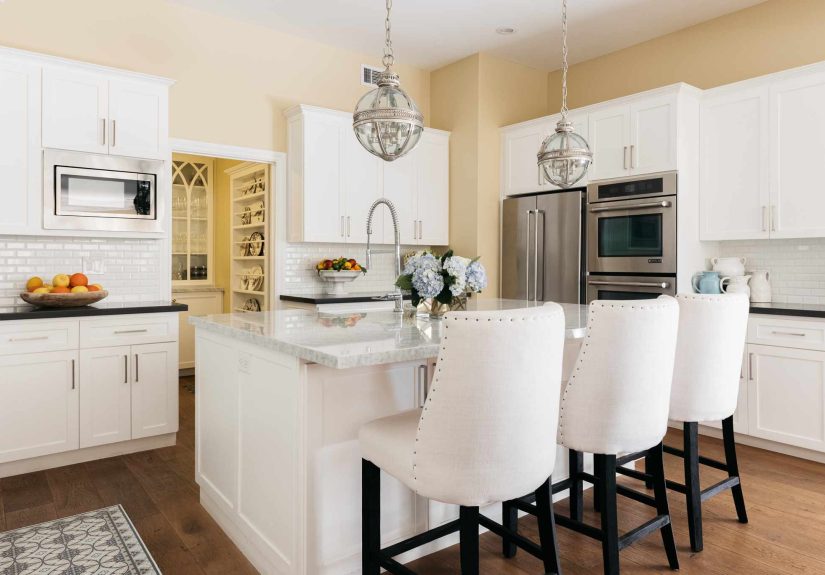
There was a long stretch when all-white kitchens ruled everything. White cabinets, white walls, white counters, white backsplash, and maybe a white island if the homeowner was feeling particularly committed to the cause. The appeal was obvious: the room looked clean, bright, and expensive in photos. The problem is that many of these kitchens ended up feeling more like a dental spa than the heart of a home.
Designers now tend to see stark all-white kitchens as a little too safe and a little too sterile. Without contrast, the room can feel flat. Without texture, it can feel cold. And without some visual grounding, it starts to look like it is trying very hard not to have a personality. That is a lot of pressure to put on a space that is also supposed to survive coffee spills and Tuesday-night tacos.
What to do instead
Warmer neutrals are taking over for bright white-on-white schemes. Think creamy paint, mushroom tones, soft taupe, natural wood, or a mix of painted and stained cabinetry. If you still love white, keep itbut break it up. Add wood stools, a darker island, a veined stone surface, or aged metal hardware. The goal is not to ban white. It is to stop pretending contrast is rude.
2. Open Shelving Everywhere
Why designers are over it
Open shelving had a spectacular run. It promised an airy kitchen, a more relaxed look, and the chance to display pretty bowls as though your house were casually auditioning for a lifestyle magazine. In practice, however, wall-to-wall open shelving often turns into a daily test of discipline. Every mug becomes part of the decor. Every cereal bowl joins the performance. And every surface somehow attracts a fine layer of dust and cooking grease that nobody invited.
A little open shelving can still work, especially in a small section for cookbooks, ceramics, or glassware you use often. But designers increasingly dislike the all-or-nothing approach. When upper cabinets disappear completely, storage gets harder, clutter becomes visible, and the kitchen starts demanding constant styling. Most people do not want to “curate” their salad plates before breakfast.
What to do instead
Use open shelving sparingly and strategically. One short run of shelves can keep a kitchen from feeling boxy, but closed storage is what makes the room functional day after day. If you want a lighter look, try slimmer upper cabinets, mixed materials, or a single shelf paired with a proper vent hood. The most current kitchens feel edited, not exposed.
3. Overdone Modern Farmhouse Decor
Why the charm wore off
Modern farmhouse style was wildly influential for a reason. It made kitchens feel friendly, familiar, and approachable. But once the look was copied into oblivion, its greatest hits started to feel a little too rehearsed: black-and-white contrast, shiplap accents, distressed wood, barn-style touches, decorative signs, industrial pendants, and enough rustic references to make the room seem one chicken away from becoming a set piece.
The issue is not that farmhouse elements are automatically bad. It is that too many kitchens leaned so hard into the theme that they stopped feeling personal. When every room uses the same apron-front sink, reclaimed beam, and black hardware combo, the result can feel less timeless and more template-driven. A kitchen should not look like it was assembled from a starter pack called “Fresh Eggs, But Make It Designer.”
What to do instead
Today’s designers prefer a blended approach. Warm wood tones, traditional cabinet profiles, and vintage-inspired details still work, but they are being mixed with sleeker finishes, richer color, and less literal country styling. If your kitchen has farmhouse bones, soften the theme. Swap obvious rustic accents for more tailored lighting, quieter hardware, or a more layered palette. The room will feel collected instead of costume-y.
4. Busy Granite Countertops Paired With Mosaic Backsplashes
Why this combo dates a kitchen fast
Some trends age quietly. This one walks into the room wearing a megaphone. Busy granite with heavy movement, especially when paired with a mosaic glass backsplash, can make a kitchen feel visually noisy in seconds. Each surface competes for attention. The countertop shouts. The backsplash shouts back. The cabinets are just trying to survive the argument.
Designers keep calling out this pairing because it often overwhelms everything around it. Instead of making a kitchen feel rich and layered, it can make the space feel chopped up and older than it is. The issue is not stone itself. It is the combination of strong pattern, strong shine, and too many small visual breaks. When every surface is making a speech, the kitchen loses its sense of calm.
What to do instead
Look for simpler surfaces with more restraint. Slabs with softer veining, honed finishes, soapstone-inspired looks, and backsplashes with larger, quieter tile formats all create a cleaner visual flow. You do not need a bland kitchen. You need one focal point at a time. Let the countertop be interesting, or let the backsplash be interesting, but stop making them battle for custody of the room.
5. Cold Gray Cabinets and Ultra-Glossy Finishes
Why this trend has cooled off
For years, gray was the easiest answer in home design. It felt modern, easy to match, and just edgy enough to seem sophisticated. Then it spread everywhere. Eventually, entire neighborhoods of kitchens looked like they had all agreed to wear the same expressionless outfit. Add a glossy laminate finish, and the room can start to feel slick in a way that is more showroom than sanctuary.
Designers are now gravitating toward cabinet colors and finishes that feel softer, warmer, and more tactile. Cream, putty, mushroom, earth tones, muted greens, and natural wood all bring more depth than chilly gray. Matte and satin finishes also tend to age more gracefully than ultra-gloss, which can highlight fingerprints, glare, and every little imperfection. Nobody needs their pantry door reflecting their stress.
What to do instead
If you like neutral cabinetry, choose a shade with warmth in it. Greige can work if it leans cozy rather than icy. Soft painted finishes also pair better with natural materials, layered lighting, and lived-in decor. If a full cabinet replacement is not in the cards, even a repaint and new hardware can shift the entire tone of the kitchen from “2017 rental luxury” to “thoughtfully updated.”
6. Styling-Heavy Cabinetry: Glass Fronts, Distressed Doors, and Faux-Antique Details
Why designers are pulling back
There was a time when kitchens loved a little theatrical flourish. Distressed cabinet finishes suggested old-world charm. Glass-front uppers let you display dishes like museum pieces. Decorative glazes and carved details tried very hard to prove the room had “character.” Sometimes they succeeded. Often they just made the kitchen look busier, fussier, and harder to maintain.
Glass-front cabinets are a perfect example. In theory, they add openness and let you show off beautiful dishes. In reality, they can expose the random plastic cups, mismatched bowls, and holiday platters you forgot you owned. Distressed finishes have a similar problem. When wear is built in on purpose, it can read less like authentic patina and more like a theme restaurant trying to convince you the soup is artisanal.
What to do instead
Designers today are leaning toward quieter storage and more intentional display. Solid cabinet fronts keep the eye calm. Cleaner lines let materials do the talking. And if you want a bit of age or depth, choose it through real wood grain, unlacquered metals, handmade tile, or vintage pieces that actually earned their charm. Kitchens look best when they have stories, not special effects.
What Kitchen Decor Looks Better in 2026
So what is replacing these outdated kitchen decor choices? In one word: warmth. Designers are favoring kitchens that feel layered, practical, and a little less eager to perform. That means more wood tones, more closed storage, more tactile finishes, and more thoughtful contrast. It also means a shift away from one-note design. The most appealing kitchens right now mix materials, blend eras, and leave room for actual life to happen.
Lighting is also playing a bigger role. Instead of relying on one overhead fixture and hoping for the best, updated kitchens often use layered light: pendants, sconces, under-cabinet lighting, and softer ambient sources. Hardware and metal finishes are getting more understated, too. Rather than using one shiny finish everywhere, designers are embracing darker metals, weathered textures, and combinations that feel less rigidly matched.
Most of all, the current mood is less about impressing the internet and more about making the room enjoyable. If a design choice forces you to dust it, polish it, style it, explain it, and defend it every single day, it may not be the timeless classic you hoped for.
Real-Life Experiences With These Outdated Kitchen Decor Choices
Ask homeowners what happens after the renovation glow fades, and you start hearing the same stories again and again. The all-white kitchen looked gorgeous for exactly four minutes, then the espresso machine sneezed, the dog shook near the island, and suddenly every surface became a crime scene for smudges. What felt “clean and crisp” in the showroom started feeling demanding at home. People often realize they do not hate whitethey just hate being judged by it before noon.
Open shelving tends to create a different kind of regret. At first, it feels airy and Pinterest-worthy. Then real life arrives with bulk paper towels, snack containers, oddly shaped serving bowls, and a partner who puts the mugs back wherever their heart leads them. Homeowners often discover that open shelves are not really storage; they are display space with anxiety attached. If everything has to look pretty all the time, the kitchen starts to feel like a stage instead of a tool.
Farmhouse-heavy kitchens tell another familiar story. What once felt charming can eventually feel oddly specific, like the room is committed to a costume long after the party ended. People start removing “rustic” signs first. Then the faux-distressed stools. Then the barn-style light fixture. Before long, the kitchen is in witness protection, trying to become simply “classic” again. The lesson is not that cozy details are bad. It is that theme-driven decorating ages faster than subtle design.
The busy granite and mosaic backsplash combination creates its own kind of fatigue. Homeowners often say they did not mind either element separately, but together they made the room feel crowded no matter how clean it was. It becomes harder to add a fruit bowl, a vase, or even a toaster without the counter area looking visually hectic. A kitchen can absolutely have personality, but if the permanent finishes are already doing cartwheels, the rest of the room never gets a moment to breathe.
Cold gray cabinetry also sneaks up on people. At first it reads polished and current. Over time, especially in homes with limited natural light, it can start to feel flat and joyless. Many homeowners report that once they added wood accents, warmer paint, or softer metals, the whole room immediately felt more welcoming. That reaction says a lot. Sometimes a kitchen is not “wrong”; it is just emotionally chilly.
And then there are the styling-heavy cabinets: glass fronts, faux-aged finishes, decorative details meant to deliver character on demand. These choices often seem exciting until daily life begins. Suddenly the cabinet fronts require tidier storage, the distressed finish starts looking accidental instead of intentional, and the ornate touches feel like they are shouting over the simpler parts of the room. Homeowners often end up craving the same thing designers now recommend from the start: calmer lines, quieter materials, and fewer decorative decisions they have to manage forever.
That may be the biggest takeaway from all six trends. The kitchen is not just a photo backdrop. It is a hardworking room that should still feel good when the groceries are piled on the counter, the dishwasher is half-open, and somebody is asking where the spatula went. The best kitchens do not merely survive real life; they make it feel a little easier and a lot nicer to look at.
Conclusion
Kitchen trends will always change, but the smartest updates usually move in the same direction: less gimmick, more substance. Designers may disagree on the exact shade of paint or the best stone for counters, but they are broadly aligned on one thing. Kitchens look better when they balance beauty with practicality.
If your space still has a few of these outdated kitchen decor choices, you do not need a dramatic demolition montage. Often, the most effective refresh comes from editing rather than overhauling. Add warmth. Reduce visual clutter. Let storage do its job. Keep the details that genuinely work for your life, and retire the ones that only worked for a trend cycle. Your kitchen will thank youand so will anyone trying to find a clean cereal bowl without participating in a display installation.