Table of Contents >> Show >> Hide
- 1. Stark All-White and All-Gray Living Rooms
- 2. Matching Furniture Sets That Look Bought in One Afternoon
- 3. Huge Overbearing Sectionals and Cloud-Like Couches
- 4. Bouclé Everywhere
- 5. Accent Walls That Feel Like a Half-Commitment
- 6. Fast Furniture and Generic Decor That Could Be in Anyone’s House
- What Designers Want to See Instead in 2026
- Final Thoughts
- Real-Life Decorating Experiences: What These Trends Actually Feel Like at Home
The living room has always been the show-off space of the house. It is where guests land, where family movie nights unfold, where snacks mysteriously disappear, and where one decorative pillow somehow multiplies into nine. But in 2026, designers are making one thing very clear: the era of the overly polished, painfully safe, copy-and-paste living room is winding down.
That does not mean your home needs a dramatic identity crisis. It simply means the design mood is shifting. Sterile minimalism is giving way to comfort. Matchy sets are losing to collected character. Massive furniture that dominates a room is being replaced by layouts that actually let people talk to each other like civilized adults. In other words, living rooms are becoming warmer, more layered, and a lot more human.
If you are wondering which looks are starting to feel dated, this guide breaks down the six living room trends designers say are heading out of style in 2026, plus what to try instead if you want your space to feel current, comfortable, and timeless.
1. Stark All-White and All-Gray Living Rooms
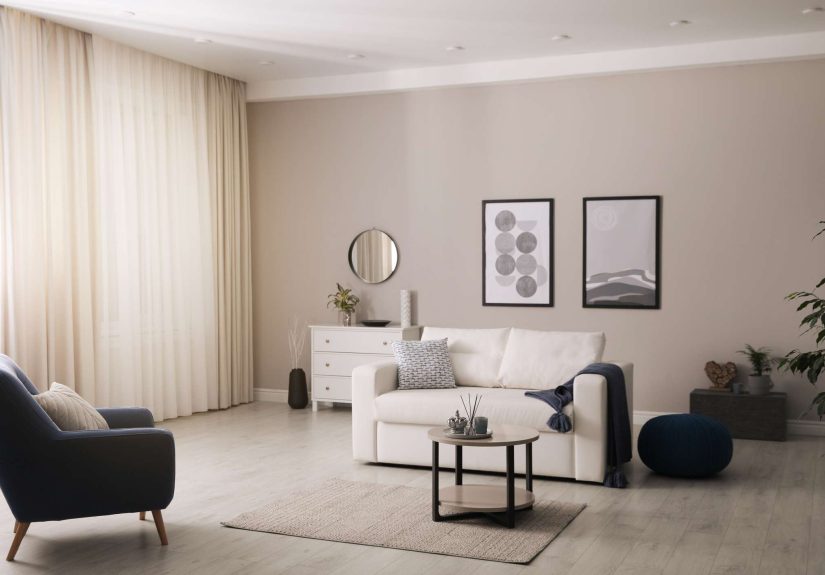
For years, the formula seemed simple: paint everything white, add a gray sofa, toss in a black metal coffee table, and call it sophisticated. It photographed beautifully, sure. But in real life? These rooms often felt chilly, flat, and about as inviting as a dentist’s waiting area with better throw blankets.
Designers are moving away from stark white walls, cool gray palettes, and living rooms that feel too clean to sit in. The big complaint is not that white or gray are inherently bad. It is that when they take over every surface, the room loses depth, personality, and emotional warmth. A living room should feel like it belongs to a person, not a showroom trying to sell you a sectional and a candle called Winter Fog.
What to do instead
Keep the lightness if you love it, but warm it up. Think creamy whites, soft taupes, mushroom tones, tobacco, olive, burgundy accents, and richer wood finishes. Add contrast through texture: linen drapes, a wool rug, antique brass lighting, a velvet pillow, or a walnut side table. The new look is layered, not clinical.
2. Matching Furniture Sets That Look Bought in One Afternoon
Nothing dates a living room faster than the “everything came from page 14 of the same catalog” effect. The matching sofa, matching loveseat, matching armchair, matching coffee table, and matching end tables may have once felt coordinated, but now they often read as flat and formulaic.
Designers in 2026 are strongly favoring mixed furniture over perfectly coordinated sets. The reason is simple: rooms with varied shapes, finishes, and eras feel more natural and more expensive, even when they are not. A collected room tells a story. A matched set tells us you got tired halfway through decision-making and just clicked “buy all.”
What to do instead
Mix, but do it with intention. Pair a streamlined sofa with vintage wood chairs. Use a round coffee table with a rectangular rug. Combine different finishes, like aged brass, dark wood, and matte ceramic, so the room feels curated rather than chaotic. The goal is not randomness. The goal is a room that feels assembled over time, with pieces that complement one another instead of looking like siblings in matching outfits.
3. Huge Overbearing Sectionals and Cloud-Like Couches
Yes, giant sectionals are comfortable. Yes, a cloud couch can make you feel like you are being hugged by an expensive marshmallow. But designers say the oversized, room-swallowing sofa trend is starting to lose steam in 2026, especially in living rooms where scale and conversation matter.
The problem is not comfort. It is proportion. Extra-large sectionals can flatten a room, block circulation, and make every other piece feel like an afterthought. In some spaces, they also create that dreaded “showroom island” effect, where one giant sofa sits in the middle and everything else just nervously exists around it.
Designers are leaning toward more sculptural sofas, multiple seating pieces, and layouts that support conversation instead of one massive lounging blob. People still want comfort, but they also want flexibility and visual breathing room.
What to do instead
Try a sofa paired with two swivel chairs, or two smaller sofas facing each other. If you love sectionals, choose one with a cleaner footprint and better proportions for the room. Think plush, but not overpowering. Cozy, but not “this couch has eaten my floor lamp.”
4. Bouclé Everywhere
Bouclé had a serious run. For a while, it was impossible to browse furniture online without seeing a bouclé chair, bouclé ottoman, bouclé bench, bouclé headboard, and probably a bouclé dog bed somewhere nearby. The texture felt fresh, tactile, and high-end. Then it became absolutely everywhere.
Designers are not saying bouclé is banned forever. They are saying the overuse of it is making living rooms feel overly trend-driven and less practical. On large, frequently used furniture, it can be hard to clean and harder to keep looking crisp over time. When every piece in the room has the same nubby texture, the effect stops feeling special.
What to do instead
Use bouclé sparingly if you still love it. One accent chair? Fine. A pillow or small bench? Also fine. But for the main seating pieces, designers are gravitating toward mohair, velvet, linen blends, cotton performance fabrics, and upholstery with richer color or subtle pattern. In 2026, texture is still in; monotony is not.
5. Accent Walls That Feel Like a Half-Commitment
Accent walls had their moment because they felt like a low-risk way to try color or wallpaper. One bold wall, three safe walls, and everyone could sleep at night. But in 2026, designers are increasingly moving beyond the timid accent-wall mindset.
The issue is that a lonely statement wall can sometimes look disconnected from the rest of the room, especially when the other walls do nothing to support it. Instead of feeling bold, it can feel like the room started a personality and then got cold feet. Designers are now embracing fuller, more immersive approaches to color and pattern, whether that means color drenching, wallpapering more than one wall, or carrying tones throughout the room for a more cohesive look.
What to do instead
If you are using color, commit more confidently. Paint the walls, trim, and even built-ins in coordinated tones. If wallpaper is your thing, consider using it throughout a small living room or in a nook that feels intentionally defined. The updated look is more enveloping, more edited, and less “I panicked after wall number one.”
6. Fast Furniture and Generic Decor That Could Be in Anyone’s House
One of the clearest shifts in 2026 is the move away from fast furniture, overly trendy big-box pieces, and generic decor that makes a living room look assembled by algorithm. Designers are increasingly critical of cheap curved sofas, bland accent chairs purchased for “filler,” abstract wall art with no point of view, and those cookie-cutter accessories that make every room look vaguely familiar and instantly forgettable.
This is partly about style, but it is also about longevity. When a room is built from fast, trend-chasing pieces, it dates quickly. It can also wear out quickly. And nothing ruins the romance of a “designer look” faster than a coffee table that starts wobbling before the season changes.
What to do instead
Invest where it counts, especially in seating, rugs, lighting, and tables you use every day. Add personality through vintage finds, inherited pieces, handcrafted objects, books, art, and finishes with patina. You do not need a living room full of antiques, but you do want a few things that feel chosen rather than generated. A single interesting lamp or thrifted side chair can do more for a room than six generic accessories trying very hard to be tasteful.
What Designers Want to See Instead in 2026
So what is replacing all these outgoing living room trends? In a phrase: refined personality. Designers are favoring rooms that feel layered, warm, expressive, and actually livable. That means richer woods instead of washed-out finishes. Conversation-friendly layouts instead of furniture traffic jams. Pattern and color used with confidence. Vintage pieces mixed with newer ones. Statement lighting that doubles as art. And most of all, spaces that feel collected instead of copied.
The best 2026 living rooms are not trying to look perfect. They are trying to feel good. They balance comfort with intention. They invite people to sit down, stay awhile, and maybe stop asking whether they are “allowed” to use the decorative throw. That is a much better design goal, honestly.
Final Thoughts
If your living room includes one or two of these trends, do not panic and start listing furniture online at midnight. Trends evolve, but good design is rarely about throwing everything out and starting over. It is about noticing what feels tired, keeping what still works, and making thoughtful updates that bring the room back to life.
Start small. Swap out overly matching accessories. Warm up a gray palette with wood and textiles. Replace a tiny side chair with something more sculptural and comfortable. Trade generic decor for art, books, and objects with real meaning. The most stylish living rooms in 2026 will not be the ones that follow every trend. They will be the ones that feel welcoming, personal, and impossible to confuse with anybody else’s house.
Real-Life Decorating Experiences: What These Trends Actually Feel Like at Home
One reason so many of these living room trends are fading is that real life has a way of exposing what glossy photos hide. A stark all-white room might look gorgeous in a perfectly lit image, but at home it can start to feel tense. People become afraid to put down a coffee mug, kids become accidental design threats, and even the family dog starts looking like a liability. The room may be beautiful, but it is hard to relax in a space that always feels one cracker crumb away from disaster.
The same thing happens with matching furniture sets. At first, they feel easy and pulled together. Later, the room can start to feel oddly flat, like it has no rhythm. There is nothing for the eye to discover. No contrast. No little surprise that makes the space memorable. Homeowners often realize that what looked “finished” at first now feels more like a waiting room with better upholstery.
Oversized sectionals create a different kind of regret. Many people buy them thinking more seating equals more comfort, and sometimes that is true. But once the sofa arrives, it can dominate the room so completely that everything else becomes awkward. Walking paths shrink. Side tables no longer fit. Lamps end up in strange corners. Conversations happen with people sitting too far apart, like they are participating in a polite but emotionally distant summit. The room may seat eight, but somehow it feels less social.
Bouclé and other ultra-trendy finishes tend to create a slower, sneakier kind of disappointment. They look amazing on day one. Then everyday use kicks in. Fabric pills. Texture traps dust. Light upholstery starts looking tired sooner than expected. Suddenly the “designer chair” feels more high-maintenance than high-style. It is not that textured fabrics are bad. It is that living rooms work hardest when beauty and practicality are on speaking terms.
Accent walls can create another common experience: the room never quite feels done. People paint one wall deep green or install wallpaper behind the sofa, then step back and realize the rest of the room still looks disconnected. The statement wall is trying to tell a dramatic story while the other three walls are whispering, “We were not informed.” That visual mismatch is exactly why designers are embracing more cohesive treatments in 2026.
And then there is fast furniture, which often teaches the most expensive lesson of all. A room filled with generic, trendy pieces can come together quickly, but it rarely gets better with time. The furniture wears out. The style dates itself. The space never develops the richness that comes from pieces with age, memory, or craftsmanship. By contrast, a living room with a few well-made anchors and a handful of meaningful finds usually becomes more interesting every year.
That is really the heart of the 2026 shift. People are tired of rooms that only perform for photos. They want spaces that hold up to movie nights, messy weekends, surprise guests, and ordinary Tuesday evenings. They want beauty, yes, but also comfort, ease, and character. And that is why these outgoing trends are being left behind: not because they are unforgivable, but because real living has finally won the argument.