Table of Contents >> Show >> Hide
- Why Fall Is a Smart Time to Plant Fruit Trees
- What to Check Before You Plant Anything
- 1. Apple Trees
- 2. Pear Trees
- 3. Peach Trees
- 4. Plum Trees
- 5. Fig Trees
- 6. Cherry Trees
- 7. Nectarine Trees
- Quick Planting Tips for Better Results
- What Gardeners Commonly Experience After Planting Fruit Trees in Fall
- Conclusion
- SEO Tags
If your backyard has been looking a little too… decorative and not nearly snackable enough, fall is a great time to fix that. Planting fruit trees in autumn gives many trees a chance to settle in while the soil is still warm, the air is cooler, and the stress of summer has finally stopped acting like a drama queen. By the time spring rolls around, those roots can be ready to get moving.
Now, let’s clear up one very important detail before anyone starts naming their future apple tree: planting this fall does not mean you’ll be picking baskets of fruit by next Tuesday. Fruit trees are wonderful, generous, productive plants, but they are not vending machines. The real reward is that fall planting can help them establish more smoothly, which sets you up for better growth and better harvests in the seasons ahead.
The trick is choosing the right tree for your climate, your space, and your patience level. Some fruit trees are self-fertile and easygoing. Some demand a pollination partner like they’re casting a romantic comedy. Some love heat. Some sulk in wet soil. Some will reward you with juicy fruit in early summer, while others lean into late summer or early fall depending on your region and cultivar.
Below are seven fruit trees worth planting this fall, plus the practical advice that helps turn “future orchard dreams” into “I just ate fruit in my pajamas from my own yard.” That is, scientifically speaking, the dream.
Why Fall Is a Smart Time to Plant Fruit Trees
For many home gardeners, fall planting works best when trees are heading into dormancy. At that point, they are not spending energy on new leaves and tender top growth, so they can focus more on root establishment. Warm soil helps roots keep developing even after the air has cooled, which gives young trees a head start before spring.
Fall planting also tends to be easier on both the tree and the gardener. Cooler temperatures mean less heat stress, less frantic watering than in midsummer, and fewer moments where you stand outside asking a sapling if it’s “doing okay” like it’s a stressed intern.
That said, fall is not perfect everywhere. In very cold climates with brutal winters or poorly drained soils, spring planting may still be the safer option. If your ground turns into soup after rain or freezes hard for long stretches, do not force a tree into a situation it clearly did not audition for. Local timing matters.
What to Check Before You Plant Anything
1. Sunlight
Fruit trees are not shade-loving introverts. Most need full sun for strong growth, good fruit color, better sugar development, and fewer disease problems. A site with at least 6 to 8 hours of direct sun is the bare minimum, and 8 or more is even better.
2. Drainage
If there is one message nearly every fruit-growing guide repeats, it is this: fruit trees hate wet feet. Poor drainage can lead to root rot, weak growth, and very expensive regret. If your site stays soggy after rain, consider planting on a berm, improving drainage, or choosing another location entirely.
3. Chill Hours
Many fruit trees need a certain number of winter chill hours to flower and fruit properly. If you plant a high-chill peach in a low-chill climate, the tree may leaf out poorly, bloom unevenly, or produce disappointing fruit. Match the tree to your winter conditions, not to your daydreams.
4. Pollination
This is where many new gardeners get ambushed. Apples often need a different apple variety nearby. Many pears do too. Japanese plums usually want a compatible partner. Peaches, nectarines, and many figs are much more independent. Always check the variety label before planting, because “fruit tree” is not a pollination plan.
1. Apple Trees
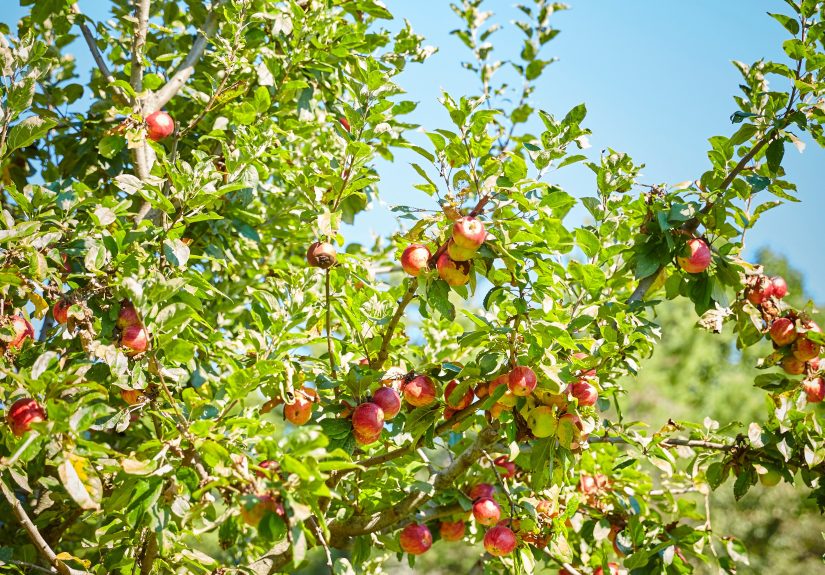
Apple trees are a classic fall planting choice for a reason. They are versatile, widely adapted, and available in standard, semi-dwarf, and dwarf forms that make them workable for large yards and smaller suburban spaces. If you want the home-orchard experience with the fewest explanations to houseguests, apples are hard to beat.
Many apple varieties ripen from mid- to late summer into fall, depending on your climate and cultivar. That means planting in fall can set you up for future harvests that start when summer is still flexing and continue right into cooler weather.
The main catch is pollination. Most apples produce better when planted near a different compatible variety with a similar bloom time. So if you only have room for one tree, choose carefully or look for a self-fruitful type. Also pay attention to disease resistance, especially if you live in a humid area where apple scab, fire blight, and cedar apple rust like to throw parties.
Why plant it this fall: Apples establish well as dormant stock, and fall gives the roots time to settle before spring growth begins.
2. Pear Trees
Pear trees are one of the most underrated choices for a home orchard. They can be productive, beautiful, and in some regions a little more forgiving than fussier stone fruits. European pears offer buttery, dessert-style fruit, while Asian pears bring a crisp, juicy crunch that feels halfway between an apple and a very confident pear.
Many pear varieties ripen in late summer or early fall, making them a strong fit for gardeners who want sweet fruit after the earliest summer crops wind down. Pears are also a good option for gardeners who want a tree with ornamental value, because spring bloom on a pear tree can look downright showy.
Most pears need a second compatible variety for pollination, so this is not the time for stubborn independence. Fire blight can also be a serious issue, especially in warm, humid regions, so disease-resistant cultivars deserve a long look.
Why plant it this fall: Pears benefit from the same root-establishment advantage as apples, and a good start matters when you want strong future crops.
3. Peach Trees
If you want the full cinematic backyard-fruit moment, peaches are the star. Nothing says “summer was worth it” quite like a sun-warm peach that drips down your wrist while you pretend you are still going to eat it neatly.
Peaches are usually self-fertile, which makes them easier for small-space gardeners. One tree can often do the job, though choosing the right chill-hour requirement is crucial. In some climates, low-chill peaches bloom too early and get zapped by late frosts. In others, high-chill peaches never get the winter they need. Climate matching is everything.
Peaches also dislike poorly drained soil with theatrical intensity. Plant them in a well-drained spot, avoid low frost pockets, and plan on yearly pruning and fruit thinning. They are productive, but they need management. Think of peaches as talented but high-maintenance houseguests who also happen to bring dessert.
Why plant it this fall: In suitable climates, fall planting helps peach roots establish before spring. Just do not plant where winter conditions are extreme or drainage is poor.
4. Plum Trees
Plum trees are a fantastic way to add variety to the home orchard. They often bear earlier than some other fruit trees, and the fruit can range from sweet and juicy to rich and jammy depending on the type. Some plums are ideal for fresh eating; others are excellent for baking, drying, or turning into preserves that make toast feel fancy.
European plums and Japanese plums behave differently, and this matters. Some European types, including a few prune-style plums, can be self-fruitful or at least more accommodating. Japanese plums often need a pollination partner. So before planting, do not just ask, “Do I like plums?” Ask, “Which plum is this, and who is it friends with?”
Plums typically reward good sun exposure, annual pruning, and reasonable airflow through the canopy. They also offer that magical summer payoff where the fruit goes from “not yet” to “right now” with very little warning. If you miss the window, congratulations, the squirrels noticed first.
Why plant it this fall: Dormant plum trees often settle in nicely during the cool season, which can support strong spring growth and faster establishment.
5. Fig Trees
Figs feel a little luxurious, like a fruit tree that read poetry once and never looked back. But in the right climate, they are surprisingly practical. Many figs are self-fruitful, productive, and easier to manage than gardeners expect.
Figs love full sun and well-drained soil. In warm regions, they can become reliable backyard favorites and may produce fruit in summer and again later depending on the variety and climate. In colder regions, they may need a protected site, winter wrapping, or container growing if winter lows are rough enough to damage wood.
Their shallow roots mean regular watering helps when the tree is young, but once established, figs can be quite resilient. They also tend to bring a more Mediterranean vibe to the yard, which is nice if your landscaping goals include “casual abundance with snacks.”
Why plant it this fall: In mild winter regions, fall planting lets figs get comfortable before the heat returns. In colder zones, plant only if the timing and site protection make sense.
6. Cherry Trees
Cherry trees are gorgeous, productive, and occasionally dramatic. The fruit is excellent, but the tree choice matters a lot. Sweet cherries are often more demanding, while tart or sour cherries are usually easier, more cold-hardy, and often self-fertile. If you want pies, preserves, or a very respectable excuse to make clafoutis, tart cherries are a strong bet.
Many sweet cherries require cross-pollination, though some newer cultivars are self-fruitful. Sour cherries are usually simpler for home gardeners because one tree can often set fruit on its own. Cherries also bloom early, which means spring frosts can interfere with crops in some areas. Good site selection is essential.
If you live where sweet cherries are difficult, do not take it personally. They are just picky. But if your climate suits them, their early summer fruit is hard to beat.
Why plant it this fall: Cherries benefit from cool-season root establishment, but they need an excellent site with sun, drainage, and frost awareness.
7. Nectarine Trees
Nectarines are basically peaches without the fuzz and with just enough confidence to mention it. They offer the same lush summer appeal, often with intense flavor and beautiful color, and they fit especially well in gardens where one self-fertile stone fruit is all the space allows.
Like peaches, nectarines need careful cultivar selection based on chill hours and climate. They also need good airflow, smart pruning, and attention to disease pressure. Because the fruit skin is smooth, people often think nectarines are easier or somehow less peach-like. They are not. They are delicious, slightly demanding stone fruits that reward the gardener who actually reads the tag before planting.
Choose a sunny site, avoid soggy ground, and expect the same kind of care peaches require. The payoff is worth it if your idea of success includes eating fruit over the sink because waiting for a plate feels unreasonable.
Why plant it this fall: Nectarines can take advantage of fall root establishment in suitable regions, setting the stage for vigorous spring growth and future summer fruit.
Quick Planting Tips for Better Results
- Plant when trees are dormant and the weather has cooled, not during a random heat wave pretending to be October.
- Soak bare-root trees before planting if recommended by the nursery.
- Set the tree at the proper depth and keep the graft union above the soil line when applicable.
- Water deeply after planting, then keep moisture consistent while the tree establishes.
- Mulch around the root zone, but keep mulch away from the trunk.
- Use trunk guards if rabbits, deer, or voles treat your yard like a buffet.
- Prune for structure early, because future you does not want to fix a bad framework with a ladder and regret.
What Gardeners Commonly Experience After Planting Fruit Trees in Fall
Talk to enough backyard growers, and the same stories come up again and again. The first is surprise. A lot of people plant a fruit tree thinking the hard part is buying it, digging a hole, and standing back proudly with muddy shoes. Then spring arrives, and they realize fruit growing is less like owning patio furniture and more like joining a long-term relationship that involves pruning tools.
One common experience is how much easier young trees seem to handle fall planting than summer planting. Gardeners often notice that a tree planted in cool weather looks calm and steady rather than stressed and wilted. It may not do much above ground at first, which can make beginners nervous, but that quiet period is often a good sign. The tree is settling in, not auditioning for a talent show.
Another very real experience is discovering that site selection matters more than enthusiasm. Plenty of people have planted a peach or pear in the prettiest corner of the yard, only to learn that “pretty” does not mean “full sun” and “near the fence” does not mean “good airflow.” A tree can survive in a mediocre location, but it usually will not thrive there. Gardeners often say the second tree they plant performs better simply because they stop guessing and start choosing the site more carefully.
Pollination confusion is another classic chapter in the home-orchard story. Many gardeners buy a single apple tree, wait patiently, and then discover that patience is not the same thing as compatible pollen. That lesson tends to stick. After that, people become surprisingly interested in bloom groups, pollenizers, and what the neighbors are growing across the fence.
There is also the humbling experience of fruit thinning. New growers hate removing baby peaches or plums because it feels cruel, almost petty. Then the tree tries to produce a ridiculous number of tiny fruits, branches bend, and the gardener suddenly understands why thinning matters. The next year, they thin earlier and brag about it like they invented self-control.
And then there is the joy part, which is the reason people keep doing this. The first real harvest from a tree you planted yourself feels different from buying fruit at a store. Even one bowl of figs, a handful of cherries, or three decent peaches can feel absurdly satisfying. Gardeners remember where they were standing, who they shared the fruit with, and whether they ate the first one immediately or washed it like a responsible adult for at least six seconds before giving up.
In the end, the shared experience of planting fruit trees in fall is not perfection. It is learning. It is noticing. It is making a small bet on future abundance. Some years are better than others, some trees are easier than others, and every gardener eventually has a story involving late frost, squirrels, or a mislabeled variety. But when the fruit finally comes in, all that trial and error starts to look less like trouble and more like tradition.
Conclusion
If you want a sweeter backyard and a smarter start on future harvests, fall is one of the best times to plant fruit trees. Apples and pears bring classic reliability. Peaches and nectarines deliver juicy summer drama. Plums offer versatility. Figs add easygoing sweetness in the right climates. Cherries bring beauty and early-season excitement.
The biggest lesson is simple: the best fruit tree is not the one with the prettiest catalog photo. It is the one that matches your climate, your space, your chill hours, your soil drainage, and your willingness to meet its pollination needs. Get those basics right, and your future self may spend summer standing in the yard eating homegrown fruit and feeling insufferably accomplished. As well you should.