Table of Contents >> Show >> Hide
- What Is Yerba Mate, Exactly?
- 1. It’s Loaded with Antioxidants and Anti-Inflammatory Compounds
- 2. It Provides a Smooth Energy Boost and May Improve Alertness
- 3. It May Support Metabolism and Weight Management
- 4. It May Help Improve Blood Sugar Control
- 5. It May Support Heart and Blood Vessel Health
- 6. It May Help Tame Inflammation and Support Gut Health
- 7. It May Have Neuroprotective and Anti-Aging Potential
- Risks, Side Effects, and How to Drink Yerba Mate Safely
- How to Enjoy Yerba Mate (Without Overdoing It)
- Real-Life Experiences with Yerba Mate: How People Actually Use It
- Bottom Line
If coffee makes you jittery and green juice makes you sad, yerba mate might be your new favorite mug buddy.
This traditional South American drink has quietly slipped into health-food stores, TikTok feeds, and office
desks around the world. But beyond the trendy gourd and metal straw, there’s a legit question:
Is yerba mate actually good for you, or is it just another overhyped “wellness” drink?
The short answer: there is science behind the hype with a few important caveats. Yerba mate is rich
in antioxidants, contains bioactive compounds that may support metabolic and cardiovascular health, and can
give you a smoother energy boost than your standard cup of coffee.
Below, we’ll walk through seven science-backed health benefits of yerba mate, what the research actually says,
and how to enjoy it safely (without turning your esophagus into a toasted marshmallow).
What Is Yerba Mate, Exactly?
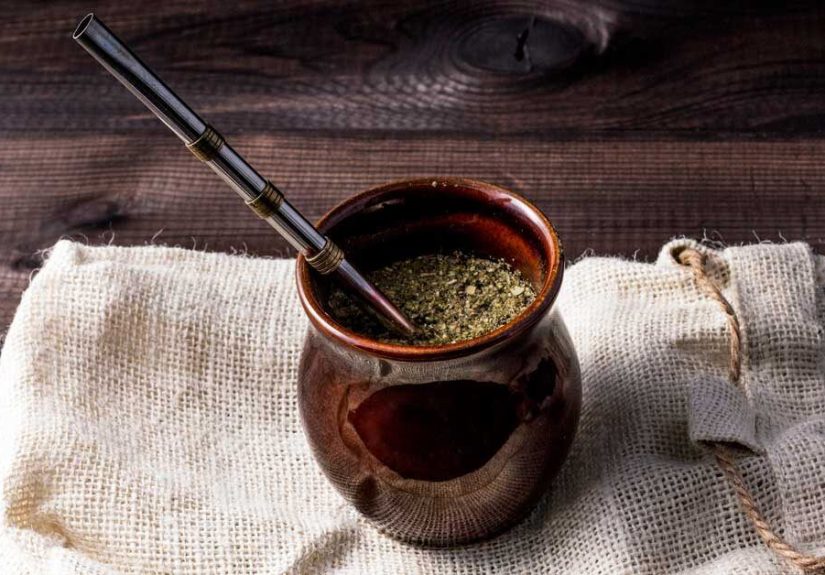
Yerba mate comes from the leaves and stems of the Ilex paraguariensis plant, a holly species
native to South America. Traditionally, the dried leaves are steeped in hot water and sipped from a hollow
gourd (mate) through a metal straw (bombilla). Today, you’ll also find yerba mate in tea bags, bottled drinks,
and energy beverages.
Yerba mate naturally contains:
- Caffeine and other stimulants (like theobromine and theophylline)
- Polyphenols (especially chlorogenic acids and flavonoids)
- Saponins, which have anti-inflammatory and cholesterol-lowering potential
- Trace vitamins and minerals such as potassium and magnesium
This combination of compounds gives yerba mate its unique mix of energizing, antioxidant, and metabolic effects.
1. It’s Loaded with Antioxidants and Anti-Inflammatory Compounds
One of the most consistent findings about yerba mate is its impressive antioxidant content. Studies show
that mate infusions are rich in polyphenols including various chlorogenic acids that help neutralize
free radicals, potentially protecting cells from oxidative damage.
Why does this matter? Chronic oxidative stress and low-grade inflammation are linked to conditions such as:
- Cardiovascular disease
- Type 2 diabetes
- Certain neurodegenerative diseases
- Some cancers
In lab and animal studies, yerba mate extracts have shown:
- Reduced markers of oxidative damage
- Improved antioxidant defense (like increased glutathione in people with diabetes)
- Lower inflammatory markers in certain experimental models
That doesn’t mean a cup of mate cancels out a fast-food diet, but it does suggest that regularly drinking it
can contribute to your overall antioxidant and anti-inflammatory “budget.”
2. It Provides a Smooth Energy Boost and May Improve Alertness
Yerba mate contains caffeine, typically a bit less than coffee per cup, but more than most teas. It also includes
theobromine (found in chocolate) and theophylline, which may tweak how that caffeine feels in your body.
People often describe mate’s effect as “calm focus” instead of the spike-and-crash pattern some experience with
coffee. Small human studies comparing yerba mate and other caffeinated drinks show stimulant effects on mood
and cardiovascular activity, even if changes in cognitive performance aren’t always dramatic.
In practical terms, that might look like:
- Better ability to stay awake during long study or work sessions
- Less “wired and tired” feeling than strong coffee for some people
- A slightly more prolonged energy curve thanks to multiple xanthines (caffeine relatives)
If coffee makes you feel like you’re on a rollercoaster, yerba mate might feel more like a steady escalator.
3. It May Support Metabolism and Weight Management
Yerba mate has been studied for potential anti-obesity effects, mostly in animal models and small human trials.
Research suggests that extracts from yerba mate may:
- Increase fat oxidation (fat burning) during exercise
- Reduce weight gain and visceral fat accumulation in high-fat diet animal models
- Influence hormones and signaling pathways involved in appetite and fat storage
One small human study found that yerba mate ingestion prior to exercise improved some metabolic and satiety-related
responses, hinting at possible benefits for weight management when combined with movement and an overall healthy diet.
To be clear: yerba mate is not a magic fat-burning potion. But as part of a larger lifestyle that includes
balanced eating and regular activity, it may give a gentle nudge in the right metabolic direction.
4. It May Help Improve Blood Sugar Control
One of the most promising areas of research on yerba mate is its potential role in blood sugar management.
A recent systematic review and meta-analysis found that yerba mate consumption was associated with improved
glycemic outcomes, including lower post-meal glucose levels, reduced HbA1c, and improved insulin resistance
markers.
Other human studies in people with type 2 diabetes have shown that regular intake of mate tea helped:
- Lower fasting blood glucose
- Improve longer-term measures of glucose control (like HbA1c)
- Enhance antioxidant defenses in people with diabetes and prediabetes
Scientists think these effects may be largely due to mate’s polyphenols (like chlorogenic acids), which can
influence glucose absorption and insulin signaling.
If you’re living with diabetes or prediabetes, yerba mate is not a substitute for prescribed
medication or medical advice but it may be a helpful complementary habit under your healthcare provider’s
guidance.
5. It May Support Heart and Blood Vessel Health
Yerba mate’s combination of antioxidants, saponins, and stimulants has sparked interest in cardiovascular
research. Some human and observational studies suggest that regular yerba mate consumption is associated with:
- Lower LDL (“bad”) cholesterol and total cholesterol in certain groups
- Improved blood pressure in some individuals
- Protection against LDL oxidation, which plays a role in atherosclerosis
One of yerba mate’s strengths seems to be its polyphenol content, which may help support healthier blood
vessels and endothelial function (the inner lining of your arteries).
However, the evidence isn’t uniform or large-scale yet, and some studies show more modest or inconsistent
results. Yerba mate is best thought of as one supportive piece in a heart-healthy lifestyle that also includes:
- A diet rich in plants, fiber, and healthy fats
- Regular movement
- Not smoking
- Stress management and adequate sleep
6. It May Help Tame Inflammation and Support Gut Health
Inflammation isn’t just about swollen joints it’s deeply connected to gut health, immune balance, and
long-term disease risk. Yerba mate’s bioactive compounds appear to influence inflammatory pathways and even
the gut microbiome.
Research suggests that mate:
- Contains chlorogenic acid and other compounds with clear anti-inflammatory actions
- May help rebalance gut bacteria, increasing beneficial species while reducing potentially inflammatory ones
- Could help mitigate symptoms linked with gut dysbiosis in experimental models
While gut microbiome science is still evolving, these findings hint that yerba mate might play a small
supporting role in maintaining a healthier gut environment when combined with a fiber-rich diet and healthy
lifestyle.
7. It May Have Neuroprotective and Anti-Aging Potential
Early research mostly in the lab and in animals suggests that yerba mate’s polyphenols could help protect
nerve cells and reduce processes associated with neurodegeneration. Some reviews mention potential benefits
for conditions like Parkinson’s or Alzheimer’s disease, largely based on antioxidant and anti-inflammatory
mechanisms, as well as effects on blood lipids and vascular health.
To be clear, this is still a “hint, not a headline.” We don’t have large, high-quality human trials showing
that drinking yerba mate prevents dementia. But the idea that it may be one of many lifestyle factors that
support brain and vascular health as you age is scientifically reasonable.
Think of yerba mate as a team player in a brain-healthy lifestyle that includes:
- Regular physical activity
- Mediterranean-style or plant-forward eating
- Cognitive stimulation and social connection
- Good sleep and blood pressure control
Risks, Side Effects, and How to Drink Yerba Mate Safely
1. The “Very Hot Beverage” Cancer Question
You may have seen headlines linking yerba mate to cancer. The nuance here is crucial.
Studies from parts of South America where people traditionally drink large amounts of very hot mate
(often all day long) show an increased risk of esophageal cancer. International cancer research agencies now
classify drinking very hot beverages above about 65°C (149°F) including coffee and tea as
“probably carcinogenic,” not because of what’s in the drink but because the high temperature can repeatedly
damage the esophageal lining.
Key point: the risk seems tied to temperature and heavy lifetime exposure, not to moderate
yerba mate drinking at comfortable, warm temperatures. To play it safe:
- Let your mate (or any hot drink) cool a bit before sipping.
- Aim for “warm to hot,” not “lava straight from the volcano.”
- Avoid scalding your mouth or throat your esophagus does not enjoy spa-level heat treatments.
2. Caffeine-Related Side Effects
Yerba mate contains caffeine, so heavy intake can cause:
- Jitters or anxiety in sensitive individuals
- Sleep problems when consumed late in the day
- Racing heart or palpitations in some people
- Digestive upset at high doses
If you’re sensitive to caffeine, start small (for example, one moderate-strength cup) and avoid late-night
mate marathons.
3. Long-Term, Heavy Use Questions
Some case-control studies from high mate–consuming regions have reported associations between heavy yerba
mate intake and certain cancers, though it’s hard to separate the effects of temperature, tobacco, alcohol,
and other lifestyle factors.
If you enjoy mate, current evidence suggests that moderate consumption at non-burning temperatures,
alongside an overall healthy lifestyle, is a reasonable approach for most adults. If you have a history of
esophageal issues, cancer, or other complex medical conditions, check in with your healthcare provider first.
4. Who Should Be Cautious?
Extra caution is warranted if you:
- Are pregnant or breastfeeding (high caffeine intake is generally discouraged)
- Have uncontrolled high blood pressure or heart rhythm problems
- Have severe anxiety disorders worsened by stimulants
- Take medications affected by caffeine metabolism
In these cases, discuss yerba mate with a healthcare professional before adding it to your daily routine.
How to Enjoy Yerba Mate (Without Overdoing It)
You don’t have to drink yerba mate the traditional way to get its benefits unless you want the full gourd-and-metal-straw
experience, which is pretty fun.
Practical tips:
- Start with 1 cup per day. See how your body responds before increasing your intake.
- Watch the brewing temperature. Aim for warm to moderately hot, not “instant regret” hot.
-
Skip the sugar overload. Many bottled or canned mate drinks are loaded with added sugar. Brew your own
or choose unsweetened options when possible. - Time it wisely. Because of the caffeine, yerba mate is usually better in the morning or early afternoon.
From an everyday health perspective, yerba mate works best as a consistent, moderate habit: think 1–3 cups a day, not
2 liters of scalding-hot mate every hour.
Real-Life Experiences with Yerba Mate: How People Actually Use It
Beyond the statistics, lab assays, and hazard ratios, yerba mate is a drink people build rituals around. Spend time
in Argentina, Uruguay, Paraguay, or southern Brazil and you’ll see thermoses and gourds everywhere in parks, at
bus stops, in office corridors. The social side of mate is part of its magic.
In many households, mornings begin with someone heating water, packing a gourd with loose leaves, and sharing the
first round of mate with family members. The caffeine and warm liquid wake everyone up, but so does the small ritual
of passing the gourd from person to person. Workdays, road trips, and long study sessions are often punctuated by
refilling the gourd and topping up the thermos. The drink isn’t just fuel; it’s a signal: “We’re in this together.”
Outside South America, yerba mate has found new roles. Some people swap their mid-morning second coffee for a mate
because they feel less jittery and more focused. Office workers describe it as “strong tea with extra brains,” while
students use it as a study companion that doesn’t tank their sleep the way energy drinks sometimes do. Athletes and
weekend warriors may sip mate before a workout for a moderate performance lift and mental focus without feeling
overcaffeinated.
People trying to manage blood sugar or weight sometimes use mate strategically for example, drinking a cup before a
carb-heavy meal or as a mid-afternoon snack replacement. While the research shows that yerba mate isn’t a standalone
treatment or a miracle for weight loss or diabetes, many individuals report that it helps them feel more satisfied and
less likely to raid the snack drawer between meals. This subjective sense of satiety can be a practical benefit on
top of the metabolic effects seen in studies.
There’s also the experience of transitioning away from very sugary or highly processed drinks. Someone used to sweet
iced coffees or soda might initially find unsweetened mate a bit bitter. But over a few weeks, taste buds adapt. That
“green,” toasty flavor starts to feel comforting, like the herbal cousin of coffee. People often experiment with
different blends some smokier, some fresher and greener and slip in citrus peels, mint, or other herbs to create
a signature combination.
Of course, not every experience is positive. Some people discover that even moderate amounts of yerba mate make them
feel too wired, especially if they’re very caffeine-sensitive. Others notice sleep disruption if they drink it late in
the day. A few learn the hard way that gulping boiling-hot mate is a bad idea when their throat feels raw afterwards.
These experiences highlight why listening to your own body and not just to health claims is essential.
Overall, for many people, yerba mate ends up being more than just “another healthy beverage”: it becomes a daily ritual
that bridges culture, social connection, and self-care. They aren’t drinking it just because of chlorogenic acids and
saponins; they’re drinking it because it makes them feel awake, grounded, and connected and the science-backed benefits
are a pretty nice bonus.
Bottom Line
Yerba mate is more than a trendy green drink with a cool cup. It’s a traditional beverage backed by a growing body of
scientific research suggesting benefits for antioxidant status, metabolic health, cardiovascular function, inflammation,
and possibly brain health especially when consumed in moderation and at reasonable temperatures.
It’s not a cure-all, and it doesn’t replace medication or lifestyle changes recommended by your healthcare provider.
But if you enjoy the taste and tolerate caffeine well, incorporating yerba mate into your routine can be a flavorful,
evidence-informed way to support your overall health one warm, non-scorching sip at a time.