Table of Contents >> Show >> Hide
If your garden is looking a little tired by October, congratulations: it is behaving exactly like a garden in October. Leaves are flopping, flower stalks are leaning, and at least one plant has expanded like it pays property taxes on the whole bed. That is your cue. Fall is one of the best times to divide many perennials, which means you can refresh overcrowded clumps, improve next year’s bloom show, and score free plants without buying a single tray at the garden center. That is what we call a win, a bargain, and a personality trait.
For many spring- and summer-blooming perennials, October hits the sweet spot. The weather is cooler, evaporation slows down, and plants are shifting energy below ground instead of trying to bloom their hearts out. In practical terms, that means newly divided roots can settle in before winter and wake up ready to grow when spring arrives. The trick is simple: divide only while the soil is still workable and before the ground freezes hard. If your area usually freezes early, do this a little sooner. If autumn lingers where you live, October is often perfect.
Why October Is Such a Smart Month for Dividing Perennials
Dividing perennials in October is less about following a cute gardening tradition and more about working with the plant’s natural rhythm. By early to mid-fall, many perennials are done blooming and ready to direct their energy into roots. That makes recovery easier and transplant shock less dramatic. You are not asking a plant to flower, seed, and regrow roots all at once. You are asking it to do one job. Plants, like people, tend to perform better when the assignment is clear.
Division also solves several common garden problems at once. It helps overcrowded clumps breathe again. It reduces competition for water and nutrients. It can improve air circulation, which matters a lot for mildew-prone plants. And it gives you more plants to spread around your beds, fill bare spots, line a path, or hand to neighbors in the kind of suspiciously generous way gardeners love.
That said, not every perennial wants an October split. Some prefer spring, and some really just want to be left alone. The seven below are the usual good candidates when your timing is right and your soil still has warmth left in it.
7 Perennials to Divide in October for a Bigger, Better Garden Next Year
1. Daylilies
Daylilies are the overachievers of the perennial border. They bloom generously, tolerate a lot, and then eventually turn into a crowded clump with fewer flowers and a tired center. When that happens, October division is a smart reset. Once the bloom season is over and the weather cools, daylilies usually handle division beautifully.
Look for reduced flowering, congested fans, or a clump that is clearly trying to annex nearby territory. Lift the plant, shake or wash off some soil, and separate it into smaller sections. Each division should have a healthy root system and at least a couple of fans. Trim the foliage down to about 6 to 8 inches if it is long and floppy. Replant promptly, water well, and mulch lightly after the soil cools.
The payoff is excellent. Dividing daylilies not only gives you more plants for next year, but it often improves bloom performance too. In other words, your garden gets more flowers and fewer drama queens.
2. Hostas
If you have ever had a hosta go from “nice shade accent” to “small leafy continent,” you already know why division matters. Hostas do not always need to be divided for health, but they divide well in fall and are ideal when your goal is making more plants. October is especially handy because the heat is gone, moisture is usually more reliable, and the plant is easing toward dormancy.
The best clumps to divide are the ones with crowded crowns, thinning centers, or a size that makes nearby plants look like they need legal representation. Dig wide, lift the clump, and use a sharp spade or knife to split it into sections, making sure each piece includes roots and at least one visible eye or growing point. Smaller divisions will grow, but larger chunks establish faster and look better sooner.
Plant hostas at the same depth they were growing before, water them in thoroughly, and add mulch later in fall to protect against winter heaving. By next spring, those new divisions often emerge looking like they have been there all along.
3. Peonies
Peonies are a little different from the rest of the list because they do not need frequent division. In fact, mature peonies are famous for wanting to stay put. But if you want more plants, need to move one, or notice poor bloom production from an old, crowded clump, early to mid-fall is the right window. October is often ideal in many U.S. climates.
Cut the stems back, dig carefully, and wash or brush off enough soil to see the eyes, which are the pink or white buds on the crown. Divide with a clean, sharp knife so each piece has several healthy eyes and a substantial section of root. Replant shallowly. This part matters. Peonies planted too deep often produce lots of leaves and very few flowers, which is a cruel plot twist after all that work.
If you do it right, the divisions will settle in through winter and begin building toward future bloom seasons. Peonies may not reward you instantly, but they do reward you impressively.
4. Garden Phlox
Garden phlox is beloved for its big summer color and much less beloved for its talent for getting powdery mildew when air circulation is poor. Division helps on both fronts. An overcrowded clump blooms less vigorously and is more likely to stay damp and congested. October division can open the plant up, improve spacing, and create new starts for other sunny spots in the yard.
Lift the whole clump and cut it into sections with strong shoots and roots. Replant them with enough room for airflow, and avoid cramming them back together like nothing happened. Water deeply after planting and add mulch later in fall to protect the new divisions through winter.
This is one of those perennials where division is not just about multiplication. It is also about maintenance. A cleaner, healthier phlox clump next year means better blooms and fewer sad, mildew-coated leaves by midsummer.
5. Shasta Daisy
Shasta daisies are cheerful, classic, and not at all subtle. They also tend to decline when the clump gets too dense, especially in the center. If yours bloomed less this year or looks like a doughnut of foliage with a weak middle, October is a great time to step in.
Dig up the clump and pull or cut it into vigorous outer sections, discarding any worn-out center growth. That outer ring is where the best energy usually is. Replant divisions in full sun with good drainage and enough space for air movement. Shasta daisies dislike soggy winter feet, so avoid sites that stay wet.
What you get in return is a tidier plant, better flowering next year, and several bonus daisies for free. This is the kind of garden math everyone can support.
6. Black-Eyed Susan
Black-eyed Susans are generous bloomers, but after a few seasons they can become crowded, coarse, and less impressive in the center. If you want more plants and better vigor, fall division is a practical move in many gardens, especially while soil temperatures still support root growth.
Lift the clump, split it into sturdy sections, and replant in sunny, well-drained soil. Choose pieces with healthy roots and solid crown growth. Because these plants are often used in large drifts and pollinator beds, division is an easy way to expand a planting without spending more money. That makes black-eyed Susan one of the best candidates for gardeners who like big impact on a realistic budget.
The main thing to avoid is waiting until the weather turns brutal. Divide too late, and the plant has less time to settle in before winter. Divide at the right time, and it usually takes off happily next season.
7. Yarrow
Yarrow is durable, drought-tolerant, and a favorite in sunny borders, cottage gardens, and pollinator plantings. It is also prone to getting woody, sparse, or floppy if it grows untouched for too long. Division every few years keeps it vigorous and helps maintain better form.
By October, yarrow is usually done showing off for the season and ready for a reset. Dig up the clump, separate it into smaller rooted pieces, and keep the youngest, healthiest sections. Toss any tired, exhausted-looking center material that seems like it already retired mentally in August.
Replant divisions in full sun and well-drained soil. Do not pamper them with heavy, soggy conditions. Yarrow likes a slightly leaner life. Treated that way, it often returns stronger, fuller, and much better behaved.
How to Divide Perennials in October Without Wrecking Them
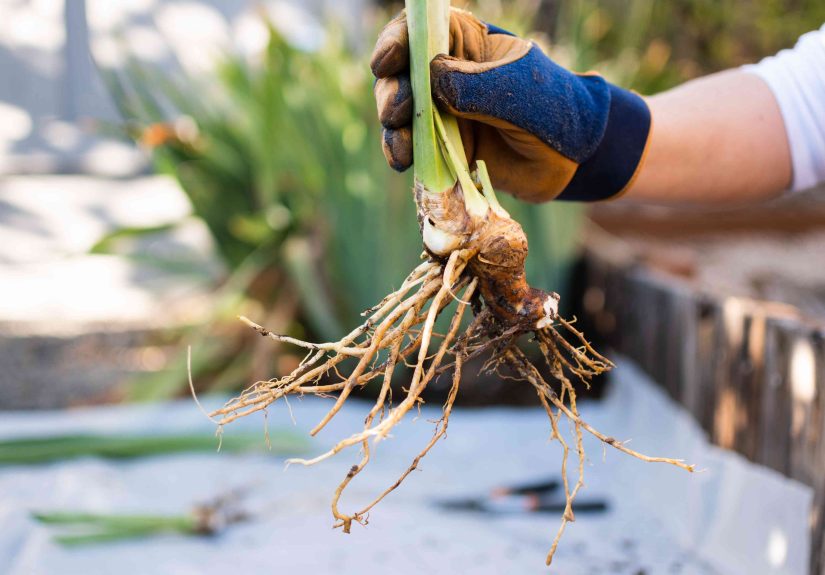
The process is simple, but details matter. Start by watering the plant a day before dividing if the soil is dry. Choose a cool, cloudy day if possible. Dig around the clump rather than stabbing straight into the crown like you are settling an old score. Lift the root ball, then either pull it apart by hand or cut it cleanly with a knife, hori-hori, or sharp spade, depending on how dense the roots are.
Each division should have healthy roots and some crown or growing points. Replant promptly at the same depth as the original plant unless you are working with peonies, which should be kept shallow. Water thoroughly to settle the soil, then keep the area evenly moist until the ground begins to freeze. Finish with mulch later in fall, after the soil cools, to help prevent freeze-thaw cycles from pushing new divisions out of the ground.
Common October Division Mistakes
The biggest mistake is dividing too late. If winter is knocking loudly at the door, wait and divide in spring instead. Another mistake is dividing plants that are still actively blooming or pushing fresh growth. That uses up energy the plant needs for root recovery. Planting too deep is another classic problem, especially with peonies. And finally, do not forget spacing. If you divide a crowded clump only to cram the pieces back together, you have basically created a sequel nobody asked for.
Experience: What Dividing Perennials in October Taught Me
The first time I divided perennials in October, I made two important discoveries. First, it is wildly satisfying to turn one mature plant into three or four healthy new ones. Second, root systems are never as cute as the top growth leads you to believe. A hosta may look calm and civilized above ground, but below ground it is basically a determined suitcase of roots that does not want to negotiate.
What I learned pretty quickly is that October division rewards patience more than brute force. When I rushed, I tore roots, planted too shallowly or too deeply, and ended up with a bed that looked like it had been reorganized by raccoons. When I slowed down, watered first, and worked on a cool day, everything went better. The plants settled in faster, and I spent less time apologizing to them in my head.
Daylilies were the gateway plant for me. They divided so easily that I started feeling bold, almost cocky. “I am a natural at this,” I thought, moments before wrestling with a mature hosta that weighed as much as a reluctant ottoman. But even that experience was useful. It taught me to bring the right tools, cut cleanly instead of hacking, and accept that some garden jobs are less about elegance and more about strategy.
Peonies taught me humility. They are not hard to divide, exactly, but they do insist that you pay attention. You cannot just jam them back in the ground and hope for the best. You have to check the eyes, plant them at the proper depth, and resist the urge to bury them too deep “just to be safe.” The first time I handled peony divisions carefully and planted them correctly, I understood why experienced gardeners speak about fall peony work with almost ceremonial seriousness.
Garden phlox and bee balm taught me another lesson: division is not only about getting more plants. It is also about improving plant health. After opening up crowded clumps and cleaning up problem growth, the following year’s plants looked stronger and had noticeably better airflow. That mattered. The bed looked less congested, and disease pressure seemed lower. Suddenly, division felt less like a bonus project and more like preventive maintenance with flowers as the reward.
The best part, though, has always been what comes next. A few divisions go into bare spots where something failed in summer. A few get repeated down a path for a more intentional look. A few get tucked into pots or nursery rows. And a few inevitably get handed to a neighbor with the classic gardener line: “I had extras.” That sentence, of course, is only half true. There are always extras in October, but there is also joy in turning one established perennial into a fuller, more generous garden the next year.
If you have never divided perennials before, October is a great month to start. It feels practical, thrifty, and quietly optimistic. You are working with fading plants, but you are really planning spring. And honestly, that may be the most gardener thing of all.
Final Takeaway
If you want more plants next year without spending more money, dividing the right perennials in October is one of the smartest jobs on the fall garden checklist. Daylilies, hostas, peonies, garden phlox, Shasta daisies, black-eyed Susans, and yarrow all respond well when divided at the proper time and replanted with care. Do it while the soil is still workable, give roots time to establish before hard freeze, and next spring your garden will look fuller, healthier, and a whole lot more intentional.