Table of Contents >> Show >> Hide
- Why Ulcerative Colitis Causes Cramps
- 7 Tips to Find Relief for Ulcerative Colitis Cramps
- 1. Work with your doctor to optimize your treatment plan
- 2. Use gentle heat for quick comfort
- 3. Adjust what and how you eat during flares
- 4. Stay hydrated and eat smaller, more frequent meals
- 5. Try gentle movement (the key word is gentle)
- 6. Manage stress and protect your sleep
- 7. Know your personal red flags and when to seek urgent care
- Putting it all together: building your own UC cramp relief plan
- Experience-based tips: what living with UC cramps looks like day to day
If you live with ulcerative colitis (UC), you get very familiar with the phrase “my stomach hurts” and not in the
cute, I-ate-too-much-pizza way. UC cramps can be sharp, deep, twisting, and downright exhausting. They may show up
before a bowel movement, during a flare, or seemingly out of nowhere when you’re just trying to live your life.
The good news: while you can’t completely control ulcerative colitis, there are practical ways to
dial down those cramps and get a little more control back. The tips below are meant to support (not replace) the
treatment plan you create with your gastroenterologist. Think of them as a toolkit you can personalize with your
care team’s guidance.
Let’s break down why UC cramps happen and seven realistic strategies to ease them plus some real-life
experience-based ideas at the end.
Why Ulcerative Colitis Causes Cramps
Ulcerative colitis is a type of inflammatory bowel disease (IBD) that affects the colon and rectum. When the lining
of your colon is inflamed and ulcerated, it becomes:
- Extra sensitive to stretching, gas, and stool
- Prone to spasms as it pushes stool along
- Less efficient at absorbing water, leading to diarrhea
Those muscle spasms and the inflammation itself can cause cramping often in the lower abdomen, but sometimes more
diffusely across your belly. Cramps may worsen during flares, when inflammation ramps up, and ease off during
remission. Triggers like certain foods, stress, infections, or missed medications can make symptoms worse.
Because cramps can sometimes signal serious complications (like severe inflammation or toxic megacolon), it’s
important to treat them with respect: use home strategies for mild, familiar pain, but get urgent care if symptoms
change suddenly or dramatically.
7 Tips to Find Relief for Ulcerative Colitis Cramps
1. Work with your doctor to optimize your treatment plan
This might not sound as cozy as a heating pad, but it’s the most powerful way to reduce UC cramps long term.
Cramps are often a sign that inflammation isn’t fully under control. When the underlying inflammation improves,
the spasms and pain usually calm down too.
Common parts of a UC treatment plan can include:
- Anti-inflammatory medications such as 5-ASA drugs, corticosteroids (short term), or rectal therapies
- Immune-modulating medications or biologics that target specific parts of the immune response
- Antispasmodic medications or other pain-targeted prescriptions in selected cases
If your cramps are new, worse than usual, or not improving with your current regimen, let your gastroenterologist
know. Adjusting the medication dose, type, or route (for example, adding rectal foam or suppositories) can
significantly reduce cramping for some people.
One more important point: avoid starting or stopping pain medicines on your own, especially
nonsteroidal anti-inflammatory drugs (NSAIDs) like ibuprofen, which can sometimes worsen IBD for some people. Always
check first with your care team.
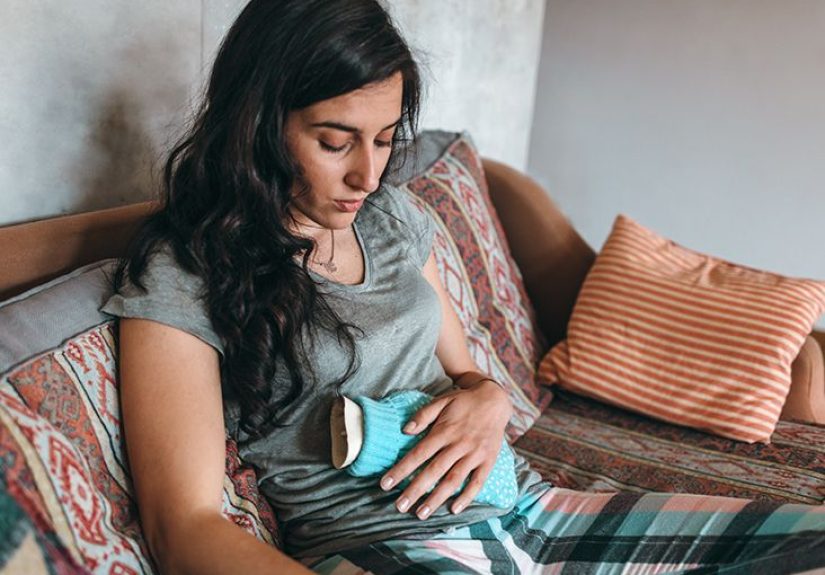
2. Use gentle heat for quick comfort
Heat is one of the simplest, time-tested ways to calm UC cramps. A warm belly can help:
- Relax tight intestinal muscles
- Improve local blood flow
- Distract your brain from pain signals (hello, cozy comfort)
Try:
- An electric heating pad with an automatic shut-off timer
- A hot water bottle wrapped in a towel
- A microwavable heat pack placed over the lower abdomen
- A warm bath if you have time and energy
Use a low to medium setting and protect your skin with a layer of clothing or a towel. Short sessions (about
15–20 minutes at a time) can be enough for many people. If heat ever worsens your pain, stop and contact your
doctor severe pain that doesn’t improve with your usual measures can be a red flag.
3. Adjust what and how you eat during flares
There’s no single “ulcerative colitis diet” that works for everyone, but certain eating patterns can make cramps
better or worse. During a flare, your gut is already irritated, so the goal is to keep things as gentle as
possible while still getting enough nutrients.
With your gastroenterologist or a registered dietitian’s guidance, you might try:
-
Lower-fiber or low-residue foods during bad flares, such as white rice, white toast, plain
pasta, smooth nut butters, ripe bananas, eggs, and tender, well-cooked vegetables without skins. -
Avoiding rough, insoluble fiber when cramps are intense things like raw salad greens, popcorn,
nuts, seeds, and fruit with skins can be hard on an inflamed colon. -
Limiting gas-producing foods, including certain beans, cabbage, onions, carbonated drinks,
and sugar alcohols (often in “sugar-free” candies and gums). -
Experimenting with a short-term low FODMAP approach under professional supervision. This
structured plan reduces certain fermentable carbohydrates that can worsen bloating and gas for some people. -
Reducing trigger foods that are common culprits: heavy fried foods, high-fat fast food, spicy
dishes, alcohol, and sometimes dairy or caffeine.
The key is personalization. Keeping a simple food-and-symptom journal for a few weeks can help you spot patterns:
“Every time I drink a large iced coffee, I have cramps within an hour,” or “Soft scrambled eggs are usually safe.”
4. Stay hydrated and eat smaller, more frequent meals
When you have diarrhea and cramping, your body loses water and electrolytes faster than usual. Dehydration can
make cramps feel sharper and can cause headaches, fatigue, and dizziness on top of everything else not exactly
the vibe you’re going for.
Helpful strategies include:
-
Sipping fluids throughout the day instead of chugging large amounts at once (which can trigger
more urgency). -
Choosing gentle fluids like water, oral rehydration solutions, diluted juice, or broths. Very
sugary soda or energy drinks can sometimes worsen diarrhea. -
Eating smaller, more frequent meals (for example, 5–6 light meals instead of 2–3 large ones) to
reduce the “stretch” on your inflamed colon at any one time. -
Being cautious with large, late-night meals, which can set you up for cramping right when you’d
prefer to sleep.
If you’re having trouble keeping fluids down, or if your urine is very dark and you feel lightheaded, that’s a
reason to call your healthcare team promptly.
5. Try gentle movement (the key word is gentle)
When your belly hurts, the last thing you might want to do is move but carefully chosen activity can sometimes
help cramps settle, especially outside of severe flares. Physical activity may:
- Reduce stress hormones that can aggravate the gut
- Improve overall digestion and motility
- Boost mood, energy, and sleep quality
You don’t need an intense workout. In fact, high-impact or very strenuous exercise can worsen symptoms for some
people. Instead, consider:
- A short walk around the block or indoors on a flat surface
- Gentle stretching or restorative yoga poses focused on relaxation
- Light strength exercises on “good” days to help maintain muscle mass
Always listen to your body: if movement makes cramps worse, back off and rest. If pain is severe, sudden, or
different than usual, seek medical advice before trying to “walk it off.”
6. Manage stress and protect your sleep
Stress doesn’t cause ulcerative colitis, but it can absolutely make symptoms more noticeable. The gut and brain
communicate constantly. When your stress response is in overdrive, your bowels can become more sensitive and
crampy.
Helpful stress-management tools include:
- Breathing exercises for example, inhaling for 4 counts, exhaling for 6–8 counts
- Short guided meditations or body-scan apps
- Progressive muscle relaxation, tensing and then relaxing each muscle group from head to toe
- Talking with a therapist, especially one experienced in chronic illness or GI-focused CBT
Sleep also matters. Poor sleep can heighten pain perception so cramps that might have been a “4” on your pain
scale become a “7” after a few sleepless nights.
To help your UC cramps at night:
- Use a heating pad on a timer before bed (not all night long)
- Avoid heavy meals or large amounts of caffeine late in the day
- Keep a night-time bathroom path clear and well lit to reduce anxiety about getting there quickly
7. Know your personal red flags and when to seek urgent care
While many UC cramps are part of your “usual” pattern, some symptoms are signs that you need urgent medical
attention. It’s helpful to have a plan with your doctor about what should send you to the clinic, an urgent care
center, or even the emergency department.
Call your doctor or seek immediate care if you notice, for example:
- Severe, worsening abdominal pain or cramps that don’t improve with your usual measures
- A rigid, very swollen (distended) abdomen
- High fever, chills, or feeling unwell overall
- Frequent bloody stools, or sudden heavy bleeding
- Signs of dehydration: dizziness, racing heart, very little or dark urine
- Persistent vomiting or inability to keep fluids down
These can signal serious complications, and fast evaluation can literally be life-saving. When in doubt, it is
safer to call than to wait.
Putting it all together: building your own UC cramp relief plan
Real relief usually comes from combining several strategies rather than relying on just one. For example, your
personal plan might look like:
- Taking prescribed medications exactly as directed
- Using a heating pad and deep-breathing exercises during mild cramps
- Shifting to lower-fiber, low-fat, easy-to-digest foods during flares
- Walking gently on good days and resting on tough ones
- Keeping a symptom diary to share with your GI specialist
- Following clear instructions on when to call your doctor or go to urgent care
Over time, you’ll get a better sense of what your body responds to. The goal is not perfection it’s progress and
a bit more predictability in a condition that can often feel unpredictable.
Experience-based tips: what living with UC cramps looks like day to day
Medical guidelines are essential, but day-to-day life with ulcerative colitis is full of little experiments and
personal hacks. Here are some experience-based insights that many people with UC find helpful when dealing with
cramps. These are not medical orders more like a menu of ideas to discuss with your care team and adapt to your
life.
Create a “flare kit” you can grab quickly
When cramps hit, you might not want to hunt through the house for supplies. Some people keep a small basket or bag
stocked with:
- A heating pad or microwavable heat pack
- Comfortable, loose-fitting clothes or soft pajama bottoms
- Electrolyte drink packets or a favorite gentle tea
- Bathroom essentials (wipes, skin protectant cream, spare underwear)
- A notepad or phone note app to jot down what you ate and how the flare started
Having this ready can reduce stress and help you feel more in control when cramps show up unexpectedly.
Use “micro-adjustments” at work or school
Many people with UC become pros at tiny adjustments that make cramps more manageable during the day. For example:
- Sitting near the aisle or exit in meetings or classes so you can leave quickly if needed
- Keeping a small, discreet heat wrap under your clothing during milder cramps
- Planning slightly earlier bathroom breaks when you know your usual pattern
- Scheduling high-focus tasks at times of day when you’re less likely to cramp
These may sound small, but together they can lower your stress level and less stress can mean fewer cramps.
Find your “safe starter meals” for rough days
Many people with ulcerative colitis have a mental list of “safe-ish” meals they reach for when cramps are active
and appetite is low. These are usually:
- Low in fat
- Gentle on the stomach
- Not overloaded with fiber or spices
Examples might include plain oatmeal made with water, a banana and white toast, soft scrambled eggs, or chicken and
white rice. Your list might look different the key is to notice which meals tend to calm things down rather than
stir them up and keep those ingredients on hand.
Use your symptom diary as a communication tool, not a guilt log
Tracking symptoms can be incredibly helpful, but it’s easy to slip into self-blame: “I ate one french fry and now
everything is my fault!” Instead, think of your diary as detective work. You’re gathering clues to share with your
gastroenterologist and dietitian so they can fine-tune your treatment.
Useful things to record might include:
- What you ate and drank
- Timing and severity of cramps and bowel movements
- Stressful events that day
- Any changes in medication or sleep
Over time, patterns may emerge and your care team can help you interpret them, so you don’t have to guess alone.
Give yourself permission to rest when cramps are bad
Living with a chronic condition can come with a lot of pressure to “push through.” But sometimes the most
productive thing you can do for your health is to slow down. If cramps are intense, it’s reasonable to:
- Lie on your side or back in a comfortable position
- Use heat and breathing exercises
- Reschedule a non-urgent task or social event
- Let a trusted person know you’re having a tough symptom day
Rest is not laziness; it’s part of chronic illness management. When you honor what your body is telling you, you
may find that flares resolve a bit more smoothly.
Build a support system that understands UC
Cramps can be isolating it’s hard to explain to someone who has never experienced that combination of pain,
urgency, and anxiety. Many people find it helpful to:
- Join an IBD or UC support group (in person or online)
- Share a basic explanation of UC with close friends or family
- Create a “code word” with loved ones that means “I need a bathroom break now” without embarrassing details
Having people who “get it” can make a huge emotional difference, which in turn may make cramps feel less
overwhelming.
Ultimately, finding relief from ulcerative colitis cramps is a long-term project, not a one-time fix. But with the
right combination of medical treatment, lifestyle adjustments, and self-compassion, it is possible to reduce the
intensity and frequency of cramps and reclaim more of your day from UC.