Table of Contents >> Show >> Hide
- What to Look for in a Great Apple Cider Vinegar
- Quick Comparison: Best Apple Cider Vinegar Brands at a Glance
- The 8 Best Apple Cider Vinegar Brands
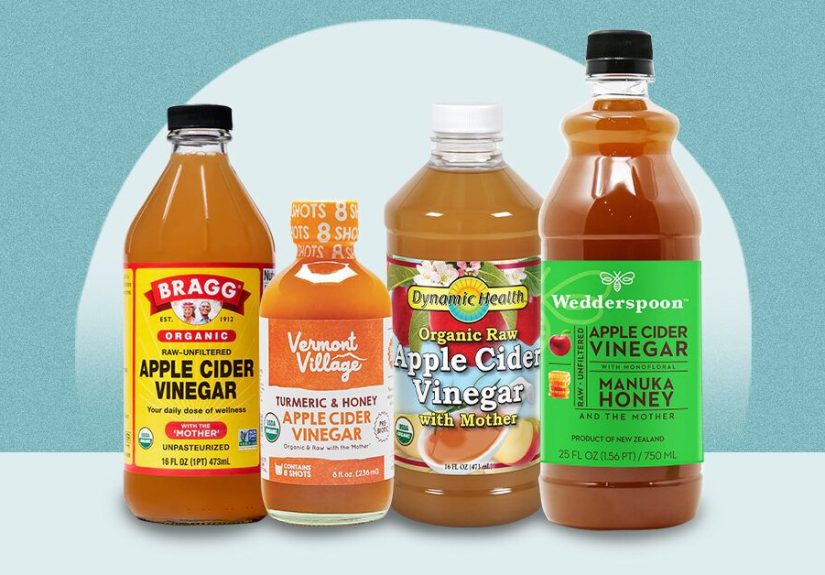
- 1) Bragg Organic Apple Cider Vinegar
- 2) White House Organic Raw Unfiltered Apple Cider Vinegar
- 3) Spectrum Organic Apple Cider Vinegar
- 4) Eden Foods Organic Apple Cider Vinegar
- 5) Heinz Apple Cider Vinegar (5% Acidity)
- 6) Dynamic Health Apple Cider Vinegar
- 7) Kevala Organic Raw Apple Cider Vinegar
- 8) Trader Joe’s Organic Raw Apple Cider Vinegar
- How to Use Apple Cider Vinegar Without Regretting It
- FAQs People Google at 1:00 a.m. While Staring at a Vinegar Bottle
- Real-World Experiences: What It’s Actually Like to Live With Apple Cider Vinegar
- Conclusion
Apple cider vinegar has two main personalities: it’s either a humble kitchen acid that quietly saves your salad dressing, or it’s
the bottle in the pantry that stares at you like, “So… are we doing the wellness thing today, or are we making pickles?”
Either way, choosing the right brand matters more than most people realize. Some bottles are bright and apple-forward, some are
clean and “chef neutral,” and some come with the famous cloudy swirl known as “the mother.”
This guide breaks down the 8 best apple cider vinegar brands you can buy in the U.S., what makes each one different, and
which bottle fits your goalcooking, sipping (carefully), pickling, or just leveling up your pantry.
What to Look for in a Great Apple Cider Vinegar
1) “Raw & Unfiltered” vs. Filtered
Raw, unfiltered ACV is typically cloudy, sometimes with sediment, and often marketed as containing “the mother” (the culture formed
during fermentation). Many people prefer it for flavor complexity and the classic ACV vibe. Filtered ACV is clear and consistentexcellent
for everyday cooking when you want clean acidity without any cloudiness.
2) Acidity: The 5% Sweet Spot
Most grocery-store apple cider vinegars are diluted to about 5% acidity, which is a practical standard for kitchen use (especially
for pickling recipes that assume that strength). If you’re pickling or canning, using a vinegar with known acidity is a safety must.
3) Ingredients & Sourcing
The simplest labels are usually the best: apple cider vinegar + water (if diluted to strength). Organic certifications can matter
if you want apples grown without synthetic pesticides. Some brands also specify “not from concentrate” or U.S.-grown apples, which may matter
if provenance is part of your decision.
4) Bottle Material (Glass vs. Plastic)
Vinegar is acidic. Glass is inert and tends to feel more “premium pantry,” while plastic is lighter and often cheaper. Both can be fine.
If you’re buying a big jug for frequent cooking or cleaning, plastic is convenient. If you’re buying a daily driver for dressings, glass is nice.
Quick Comparison: Best Apple Cider Vinegar Brands at a Glance
| Brand | Best For | Style | Why People Buy It |
|---|---|---|---|
| Bragg | All-purpose “with the mother” classic | Raw & unfiltered | Iconic, bold flavor, widely recognized |
| White House (Organic) | Everyday raw/unfiltered value | Raw & unfiltered | Family-brand heritage, practical pricing |
| Spectrum (Organic) | Reliable cooking + pantry staple | Filtered or unfiltered options | Consistency, broad availability |
| Eden Foods (Organic) | Balanced flavor for dressings | Organic cider vinegar | Clean ingredient list, dependable |
| Heinz | Cooking, baking, big-batch pickling | Filtered | Budget-friendly, consistent acidity |
| Dynamic Health | Simple raw ACV (often sold in glass) | Marketed as raw/unfiltered | No-fuss label, “wellness pantry” feel |
| Kevala | USA-grown apples, small-batch vibe | Raw & unfiltered | Transparency on sourcing, strong value |
| Trader Joe’s (Organic Raw) | Great raw/unfiltered on a budget | Raw & unfiltered | Easy to find, great for dressings & marinades |
The 8 Best Apple Cider Vinegar Brands
1) Bragg Organic Apple Cider Vinegar
If apple cider vinegar had a yearbook, Bragg would be “Most Likely to Be in Everyone’s Pantry.” Bragg’s ACV is widely sold as
raw, unfiltered, and naturally fermented with the “mother”. The flavor is assertivetangy and apple-forwardso it shows up in
vinaigrettes, shrubs, marinades, and that famous “ACV water” people try exactly once before learning about dilution.
- Best for: dressings, wellness-style dilution drinks, quick pickles
- Why it stands out: bold flavor + strong brand trust
- Heads-up: it’s punchy; start small in recipes
2) White House Organic Raw Unfiltered Apple Cider Vinegar
White House is a heritage brand that’s positioned as organic, raw, and unfiltered, and it’s often praised for being
a practical everyday option. The taste tends to be pleasantly sharp without feeling like it’s trying to win a fight with your tongue.
If you want a “with the mother” style vinegar but don’t want to pay “trend tax,” this is a strong pick.
- Best for: daily cooking, vinaigrettes, pantry refills
- Why it stands out: value + classic ACV profile
- Heads-up: natural sediment is normalshake gently
3) Spectrum Organic Apple Cider Vinegar
Spectrum is the “reliable coworker” of vinegars: consistent, widely stocked, and easy to use across recipes. Spectrum lists its ACV
as being diluted to 5% acidity, which is what most home recipes assume. If you cook a lot and want predictable resultsespecially
when balancing sauces or making salad dressing in your sleepSpectrum is a safe bet.
- Best for: cooking, sauces, everyday vinaigrettes
- Why it stands out: consistency + availability
- Heads-up: check the labelSpectrum sells multiple ACV styles
4) Eden Foods Organic Apple Cider Vinegar
Eden Foods’ organic ACV keeps it simple: organic apple cider vinegar diluted to 5% acidity. It’s a solid middle-ground bottleclean,
balanced, and versatile. In practice, that means it’s great for dressings where you want brightness without overpowering your olive oil, and it’s also
a dependable choice for deglazing or adding a quick “pop” to soups and braises.
- Best for: dressings, soups, marinades
- Why it stands out: simple ingredient list, balanced flavor
- Heads-up: if you want a very cloudy “mother” look, compare labels
5) Heinz Apple Cider Vinegar (5% Acidity)
Heinz is the workhorse. It’s typically filtered/ultra-filtered and labeled at 5% acidity, which makes it a go-to
for cooking, baking, and big-batch tasks where clarity and consistency matter. Think: barbecue sauces, quick slaws, or a pot of beans that needs
a bright finish. If you’re buying one bottle strictly as a kitchen tool, Heinz earns its spot.
- Best for: cooking, baking, large-batch pickling prep
- Why it stands out: consistent acidity + budget-friendly
- Heads-up: filtered means less “funk,” more clean tang
6) Dynamic Health Apple Cider Vinegar
Dynamic Health is often chosen by shoppers who want a straightforward, wellness-leaning bottle. Product descriptions commonly emphasize a short
ingredient list (apple cider vinegar + water to strength) and a raw/unfiltered positioning. It’s a good option if you want an ACV that feels
“daily routine friendly”especially for dressings, simple tonics (diluted), or DIY kitchen experiments where you want that classic cloudy look.
- Best for: dressings, diluted drinks, pantry basics
- Why it stands out: “simple label” appeal
- Heads-up: if you’re sensitive, start with food uses first
7) Kevala Organic Raw Apple Cider Vinegar
Kevala highlights freshly pressed organic USA-grown apples and positions its ACV as raw, unfiltered, and diluted to 5% acidity.
Flavor-wise, it lands in that sweet spot where it’s robust enough to taste like “real ACV,” but not so aggressive that it hijacks your vinaigrette.
If sourcing transparency matters to you, Kevala is an easy brand to feel good about.
- Best for: dressings, marinades, quick pickles
- Why it stands out: USA-grown apples emphasis
- Heads-up: raw/unfiltered means natural cloudiness is expected
8) Trader Joe’s Organic Raw Apple Cider Vinegar
Trader Joe’s organic raw ACV is popular for one big reason: it delivers the unpasteurized, unfiltered “with the mother” style at a
very approachable price. It’s a strong “starter bottle” if you’re new to raw ACV and want something easy to find and easy to use. It plays well in
salad dressings, marinades, and even quick refrigerator pickles.
- Best for: budget-friendly raw ACV, everyday recipes
- Why it stands out: value + accessibility
- Heads-up: shake gently; sediment is normal
How to Use Apple Cider Vinegar Without Regretting It
In Cooking (Where ACV Shines)
If you want the benefits of ACV without the “why is my throat angry?” moment, use it in food. Great places to start:
- Vinaigrettes: 1 part vinegar to ~3 parts oil, plus mustard, salt, pepper, and a touch of honey.
- Quick pickled onions: warm ACV with sugar + salt, pour over sliced onions, chill 30 minutes.
- Finishing splash: a teaspoon in soups or braises right before serving brightens flavor like turning on a light.
In Drinks (Dilution Is Non-Negotiable)
Many health sources recommend avoiding straight shots of vinegar because the acidity can irritate the throat and contribute to tooth enamel erosion.
If you drink it, dilute it and keep it modest. A common, sensible approach is mixing a small amount into a large glass of water and
drinking it with a mealthen rinsing your mouth with plain water afterward.
For Pickling & Canning
For home pickling/canning recipes, use food-grade vinegar with known acidity (often 5%). Avoid homemade vinegar for canning because
the acidity can be unpredictable. If a recipe calls for 5% vinegar, don’t swap in a lower-acidity product.
For Hair, Skin, and Cleaning (Proceed Carefully)
ACV has a long folk-history in DIY hair rinses and household cleaning. If you try it topically, dilution matters, and sensitive skin can
react. Think “test first” and “less is more,” not “let’s marinate my face like a cucumber salad.”
FAQs People Google at 1:00 a.m. While Staring at a Vinegar Bottle
Is “with the mother” actually better?
“The mother” refers to the natural culture that can make raw ACV look cloudy. Many people like it for tradition and flavor. If your goal is strictly culinary,
filtered ACV works beautifully too. Choose based on how you’ll use it, not internet peer pressure.
Does apple cider vinegar help with weight loss?
The evidence for dramatic weight loss is limited, and reputable health sources generally describe any effect as modest at best. If you enjoy ACV, it can be a
useful part of a balanced diet (especially in dressings), but it’s not a magic eraser for last weekend’s nachos.
Does apple cider vinegar go bad?
Vinegar is acidic and generally shelf-stable. Over time, unfiltered vinegar may get cloudier or develop more sediment. Store it sealed in a cool, dark place.
Refrigeration is usually unnecessary.
Which brand is best if I only buy one?
If you want a classic raw/unfiltered bottle, Bragg is the recognizable go-to. If you want value with a similar vibe, Trader Joe’s or
White House Organic are strong picks. If you want clean consistency for cooking, Heinz is hard to beat.
Real-World Experiences: What It’s Actually Like to Live With Apple Cider Vinegar
Let’s talk about the part most roundups skip: the “real life” learning curve. Not medical advice, not miracle claimsjust the practical reality of keeping a bottle
of ACV in your kitchen and using it like a normal human who occasionally makes chaotic choices.
First, there’s the smell test moment. Everyone has it. You twist the cap, take one sniff, and your brain immediately files ACV under
“powerful cleaning product” even though you bought it for “wellness.” That’s normal. Vinegar is supposed to smell like vinegar. If you expected apple juice,
your expectations are the problem, not the bottle.
Next comes the “with the mother” confusion. The cloudy stuff? The floaties? The sediment that looks like a tiny jellyfish doing yoga at the bottom?
That’s typical for raw, unfiltered vinegars. People often panic and think it’s spoiled. In most cases, it’s simply the natural culture/sediment from fermentation.
Give it a gentle shake if you want it evenly distributedor leave it alone if you’re team “science experiment chic.”
Then there’s the phase where someone tries to drink ACV straight because the internet dared them. Almost immediately, reality arrives with a tiny
suitcase labeled “Acidity.” The smartest “experience-based” tip is boring but effective: if you’re going to drink it, treat it like a strong ingredient.
Dilute it heavily, take it with food, and don’t swish it around your mouth like mouthwash. Your teeth are not auditioning to be etched glass.
The most satisfying day-to-day use, honestly, is culinary. People who “get” ACV usually start using it as a flavor tool, not a lifestyle identity.
A teaspoon in lentil soup makes it taste like you simmered it all day. A splash on roasted veggies wakes up caramelized flavors. A quick vinaigrette makes “I guess
we’re eating salad” feel less like punishment and more like a decision made by an adult with plans.
If you pickle anything, you’ll probably develop a “vinegar personality.” The first batch of quick-pickled onions is a gateway event. After that, you’ll pickle
jalapeños. Then cucumbers. Then red cabbage. Then you’ll look at a watermelon rind and think, “Don’t tempt me.” Having a reliable 5% acidity vinegar on hand is
practical because many pickling recipes assume it. And yespeople absolutely keep a budget bottle (like Heinz) for volume tasks and a raw/unfiltered bottle for
dressings. That’s not extra. That’s being prepared.
Finally, there’s the reality that apple cider vinegar is not one productit’s a category. Some bottles are bright and delicate, others are bolder and funkier,
and your preference can change depending on the job. The best “experience” advice is to choose based on use:
filtered for consistency, raw/unfiltered for character, organic if you care about how the apples were grown. And if you find a brand you like,
buy the size that matches your habitsbecause the only truly “wrong” apple cider vinegar purchase is the one that sits untouched while you keep ordering takeout.
Conclusion
The best apple cider vinegar brand is the one you’ll actually use. If you want an iconic raw/unfiltered bottle, Bragg is the classic.
If you want everyday value with a similar vibe, White House Organic or Trader Joe’s are easy wins. If you want a clean, consistent cooking workhorse, Heinz is
dependable. And if sourcing transparency matters, Kevala is a compelling option. Pick your “why,” match the bottle to it, and let ACV do what it does best:
make food taste brighter (and your pantry feel suspiciously more capable).