Table of Contents >> Show >> Hide
- Quick checklist before you start
- 1) Winter coats, wool sweaters, scarves, and hats
- 2) Boots, snow shoes, and seasonal footwear
- 3) Holiday decorations (ornaments, tree skirts, garlands, and stockings)
- 4) String lights and extension cords (holiday or patio)
- 5) Patio furniture and outdoor cushions
- 6) Grills, griddles, and smoker accessories
- 7) Humidifiers (and other “water-holding” seasonal appliances)
- 8) Window air conditioners, fans, and seasonal air movers
- Bonus: the “camping and seasonal sports gear” rule
- Common storage mistakes (so you don’t accidentally undo your cleaning)
- Conclusion: clean now, relax later
- Real-world experiences and relatable lessons (extra )
- 1) The sweater that came back with “bonus ventilation”
- 2) The boots that smell like winter regret
- 3) The ornaments that look “mysteriously cloudy”
- 4) The string lights that become a tangled test of character
- 5) Patio cushions that reappear with surprise freckles
- 6) The grill that smells like last summer’s burgers… in a bad way
- 7) The humidifier that starts the season with a funk
- 8) The window AC unit that returns dusty and musty
Storing seasonal stuff is supposed to feel like victory. You made it through winter. You survived grill season.
You packed away the holiday décor without stepping on a rogue ornament like it was a booby trap. And yet… next season
arrives, you open a bin, and a funky smell escapes like it’s been training for that moment all year.
Here’s the truth: storage isn’t just “put it away.” Storage is “put it away clean so future-you doesn’t get ambushed.”
Dirt attracts pests. Oils set into fabric. Moisture breeds mildew. Grease turns into glue. And dustsomehowbecomes permanent.
The good news is you don’t need perfection. You need a repeatable routine.
In this guide, you’ll learn the eight seasonal items you should always clean before storing, plus exactly how to do it
without turning your weekend into a cleaning marathon. We’ll focus on practical steps, common mistakes, and the small details
that make your stuff last longer (and smell like it belongs in your home, not a haunted attic).
Quick checklist before you start
- Dry beats clean. If you have to choose, prioritize getting items fully dry before sealing them up.
- Label what you did. A sticky note like “washed + dried 12/15” saves you guessing next year.
- Don’t trap moisture. Airtight is great for peststerrible for anything stored even slightly damp.
- Follow manufacturer instructions for appliances, filters, and any item that has a “do not bleach” label.
1) Winter coats, wool sweaters, scarves, and hats
Why this one matters
Natural fibers (like wool and cashmere) are magnets for clothes moth larvae, and stains/body oils are basically an invitation.
Even if something looks “fine,” invisible spots (collar oils, perfume residue, food splatter you forgot happened) can oxidize
while the item sits, becoming harder to remove later. Cleaning now protects fibers, prevents odors, and reduces pest risk.
How to clean it without drama
- Read the label first. If it says dry clean only, don’t arguesend it out.
- Spot-treat cuffs, collars, underarms, and any “mystery smudge” areas.
- Wash gentle items gently: cold water, mild detergent, minimal agitation, and no harsh wringing.
- Dry fully. Damp knits stored in a bin are basically a mildew science fair project.
Storage tips that actually work
- Fold knits (don’t hang) to avoid stretching shoulders into sad triangles.
- Use breathable storage when possible (cotton bags/garment bags), unless pests are a major issue.
- For pest-prone closets: consider sealed bins and add cedar/lavender sachets as a deterrent.
- Keep it cool and dry. Humidity is the villain in most storage stories.
2) Boots, snow shoes, and seasonal footwear
Why this one matters
Winter footwear collects salt, road grime, and moisturethree ingredients that can crack leather, cloud suede, and corrode
hardware. Plus, if boots go into storage with damp insides, they can develop a stubborn odor that doesn’t care how expensive
your deodorizing spray is.
How to clean it
- Remove laces and insoles (if possible) so everything can dry faster.
- Brush off debris first. Dirt turns into mud paste if you add water too soon.
- Wipe salt stains with a damp cloth; use a cleaner designed for the material (leather vs. suede vs. rubber).
- Air-dry completely away from direct heat (heat can warp and crack).
Storage tips
- Use boot shapers (or rolled towels) to keep shafts from collapsing and creasing.
- Store upright when you can, especially tall boots.
- Don’t seal damp shoes in plastic. That’s how you get “surprise aroma.”
3) Holiday decorations (ornaments, tree skirts, garlands, and stockings)
Why this one matters
Holiday décor gets handled a lotdust, fingerprints, kitchen fumes, candle soot, and glitter that will still be glittering long
after civilization ends. Cleaning before storage helps prevent yellowing, keeps fabrics fresh, and makes next year’s setup easier.
How to clean it
- Ornaments: dust gently with a soft cloth; avoid soaking delicate finishes. For sturdier items, a lightly damp cloth works well.
- Tree skirts/stockings/soft décor: follow care labels; launder if washable; fully dry before storing.
- Garlands: shake outdoors, then wipe or vacuum (especially around lights and wiring).
Storage tips
- Use divided containers for fragile ornaments (or wrap with tissue/soft padding).
- Soft items belong in breathable bags or clean binsnever stored “slightly damp.”
- Sort as you store. If you’re going to be tired anyway, at least be tired and organized.
4) String lights and extension cords (holiday or patio)
Why this one matters
Lights fail for a few predictable reasons: damaged wiring, moisture corrosion, and tangled storage that stresses the connection
points. Cleaning and inspecting now saves you from the annual “Why does this strand hate me?” ritual.
How to clean and inspect it
- Unplug first. Always.
- Wipe bulbs and cords with a dry or slightly damp microfiber cloth (no soaking).
- Inspect for frayed wires, cracked sockets, and loose bulbs; discard damaged strands.
- Let everything dry before packing.
Storage tips
- Wrap each strand around a reel, cardboard, or a hanger to prevent knots.
- Store in a cool, dry place to reduce corrosion risk.
- Separate by type (indoor vs. outdoor, color, length). Your future self will feel seen.
5) Patio furniture and outdoor cushions
Why this one matters
Outdoor furniture looks tough until you store it with pollen, grime, and moisture. Cushions can develop mildew fast, and metal
frames can rust if you trap water in seams or joints. Cleaning before storage helps prevent staining, odors, and material breakdown.
How to clean it
- Frames (metal/plastic): wash with mild soap and water; rinse; dry thoroughly.
- Wood: use a soft brush; avoid harsh pressure that raises grain; let it dry completely.
- Cushions: vacuum first, then wash per tag (or spot-clean); dry fullyinside and out.
Storage tips
- Don’t cover wet furniture. That’s a mildew greenhouse.
- Store cushions indoors in breathable storage bags; consider space-saving compression only if completely dry.
- Use covers wisely: breathable covers help; airtight plastic wraps can trap moisture.
6) Grills, griddles, and smoker accessories
Why this one matters
Grease left behind doesn’t just smellit hardens, attracts pests, and can cause flare-ups later. Ash and debris can also hold
moisture against metal parts. Cleaning before storage keeps your grill safer, less gross, and ready to cook without a 45-minute
scrape-fest next season.
How to clean it
- Brush grates and scrape buildup from interior surfaces once the grill is cool enough to work on safely.
- Empty grease trays/drip pans (this is the unglamorous step that matters most).
- Wash removable parts with warm, soapy water; rinse; dry completely.
- Wipe exterior to remove grease film and fingerprints that can stain finishes.
Storage tips
- Store tools clean (tongs, brushes, thermometers) in a dry bin so they don’t rust or get funky.
- Cover only when dry. A cover over moisture equals condensation season.
- Keep propane safety in mind and follow local/fire safety guidance for fuel storage.
7) Humidifiers (and other “water-holding” seasonal appliances)
Why this one matters
Anything that holds water can also hold mineral buildup, bacteria, and mold. If a humidifier goes into storage with residue in
the tank, it can harden and become harder to remove. And if it goes in damp, it can grow mold while you’re busy forgetting it
exists.
How to clean it
- Empty and disassemble according to the manual.
- Remove mineral scale with an appropriate cleaner (often diluted vinegar works for deposits, but follow your manufacturer’s instructions).
- Disinfect if recommended using a properly diluted disinfectant method suitable for the unit.
- Rinse well and dry completely. Every part. No shortcuts.
- Replace/discard used filters or cartridges if your unit uses them.
Storage tips
- Store dry in a dry place. Humidifier irony is real.
- Keep the manual with it so you’re not guessing next season.
- Clean again before first use to remove dust that settles during storage.
8) Window air conditioners, fans, and seasonal air movers
Why this one matters
Dust and grime on filters and coils can lead to musty smells, reduced performance, and allergy flare-ups when you bring the unit
back out. Storing a unit damp can also invite mildew. Cleaning before storage sets you up for better airflow and fewer “What is
that smell?” moments.
How to clean it
- Unplug and remove safely. Don’t wrestle a window unit like it owes you money.
- Clean or replace the filter based on the manufacturer’s instructions.
- Vacuum dust from interior surfaces using a soft brush attachment; wipe accessible areas.
- Dry thoroughly before boxing up or covering.
Storage tips
- Store upright in a dry spot to reduce rust risk and protect internal components.
- Cover lightly to keep dust off while still allowing airflow.
- Coil the cord loosely to avoid stressing the connection point.
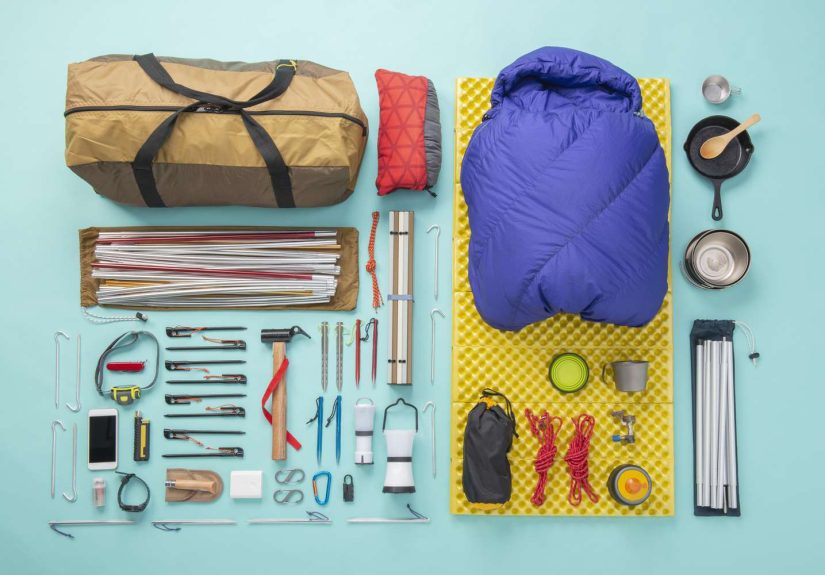
Bonus: the “camping and seasonal sports gear” rule
If your item touched sweat, lake water, snow melt, or marshy campsite air, treat it like it needs a refresh. Sleeping pads,
sleeping bags, tents, skis, snowboards, and similar gear last longer when they’re cleaned and dried before storage. It’s not
about being fancyit’s about preventing mold, corrosion, and funky odors that are wildly confident in their ability to linger.
Common storage mistakes (so you don’t accidentally undo your cleaning)
- Storing “almost dry” items. Almost dry becomes “absolutely mildew” in a sealed bin.
- Using the wrong container. Fragile décor needs structure; fabrics need breathability; pest-prone items may need sealing.
- Skipping inspection. One frayed wire or cracked socket can ruin the next season’s setup.
- Forgetting where you stored it. Label bins with contents + season. Your basement is not a mind palace.
Conclusion: clean now, relax later
Seasonal storage works best when you treat it like a reset button. A quick clean protects your investment, reduces pests and
odors, and makes the next season easierbecause you’re not starting with damage control. If you only remember one rule, make it
this: never store dirt, oils, grease, or moisture. Store clean, store dry, and let future-you enjoy the payoff.
Real-world experiences and relatable lessons (extra )
People don’t usually learn “clean before storing” because a label told them to. They learn because something went wrongand the
mistake was memorable in the way only a bad smell can be. Here are eight common, totally believable scenarios that illustrate
why the cleaning step matters (and why it’s worth doing even when you’re tired).
1) The sweater that came back with “bonus ventilation”
You pack away a favorite wool sweater after one last wear, thinking, “It’s fine. I barely wore it.” Next fall, you unfold it and
discover tiny holes like it auditioned for a distressed fashion line. The lesson: natural fibers plus body oils or food residue
can attract pests. Cleaning isn’t about appearancesit’s about removing what pests want.
2) The boots that smell like winter regret
Boots get stored after a snowy season, and you forget how often they were damp. In storage, trapped moisture turns into a stale,
stubborn odor. Next year, you’re Googling “how to unhaunt boots” and trying every hack under the sun. The lesson: pull insoles,
dry thoroughly, and never store footwear when the inside still feels even slightly cool or clammy.
3) The ornaments that look “mysteriously cloudy”
Some holiday décor is delicate: shiny finishes, glitter details, old family pieces. If it’s stored with dust or greasy fingerprints,
the surface can dull or discolor over time. The lesson: gentle dusting and careful packing protect the finish. Think “museum assistant,”
not “kitchen sponge.”
4) The string lights that become a tangled test of character
You toss lights into a bin in a hurry. Next season, you spend 40 minutes untangling them while negotiating with your own patience.
Even worse, tugging can stress wiring and connections. The lesson: wrapping lights neatly is not extrait’s self-care with a cord.
5) Patio cushions that reappear with surprise freckles
Outdoor cushions stored slightly damp can develop mildew spots that don’t always wash out. Even if they do, you’ll spend time and
money fixing a problem that could’ve been prevented. The lesson: wash, dry, and store cushions somewhere truly dry, not “basement-ish.”
6) The grill that smells like last summer’s burgers… in a bad way
Grease left behind hardens and can attract pests, plus it’s unpleasant to deal with later. When grilling season returns, you start
with scraping instead of cooking. The lesson: cleaning the grease tray and scraping buildup now saves a lot of gross work later.
7) The humidifier that starts the season with a funk
Humidifiers are greatuntil they aren’t. Mineral buildup and leftover moisture can create odors and residue that get blown into the air.
The lesson: clean at the end of the season, dry completely, discard used filters, and clean again before first use so you’re not
recirculating last year’s leftovers.
8) The window AC unit that returns dusty and musty
A stored AC with a dirty filter can blow stale odors and dust when you reinstall it. If it wasn’t dry, mildew is also a risk. The
lesson: clean the filter, vacuum dust, wipe accessible surfaces, and store upright in a dry place. Your first hot day of the year
is not the day you want to discover a musty surprise.
The pattern is simple: most storage headaches come from three thingsresidue, moisture, and
stress (as in, tangled cords and crushed items). Clean the residue, eliminate the moisture, and reduce stress on
items with smart packing. Your future self will thank youand not in the sarcastic way.