Table of Contents >> Show >> Hide
- 1. Start with the right tree, not the right dream
- 2. Respect the tree’s biology before you design the platform
- 3. Keep it lower, lighter, and simpler than your first sketch
- 4. Use support hardware that works with the tree, not against it
- 5. Make access safe enough for daily use, not just opening day
- 6. Treat falls as the main hazard, because they are
- 7. Build for weather, drainage, and the occasional bad decision by Mother Nature
- 8. Plan the maintenance schedule before the first board goes up
- Common Mistakes to Avoid
- Final Thoughts
- What the Experience of Building a Treehouse Really Feels Like
A treehouse sounds like pure magic: a little hideout in the leaves, a backyard headquarters, and the kind of project that makes kids think you are either a genius or at least very handy with a drill. But building one well is not just about nailing boards to a trunk and hoping for the best. A good treehouse has to respect three things at the same time: the tree, the structure, and the people climbing into it with snack crumbs in their pockets and very ambitious imaginations.
That is what makes a treehouse different from a deck, a shed, or a standard playset. Trees grow. Trees sway. Trees get stressed. Kids climb where they should not. Weather shows up uninvited. And gravity, as always, remains deeply committed to its job. So if you want a treehouse that is fun, sturdy, and still standing after a few seasons of wind, rain, and pirate-themed negotiations, you need a smarter plan from the start.
These eight tips will help you build a treehouse that feels whimsical without being reckless. Think of it as the sweet spot between storybook charm and real-world carpentry.
1. Start with the right tree, not the right dream
The first rule of treehouse building is simple: if the tree is wrong, the project is wrong. You do not choose a tree because it looks cinematic at sunset or because your child has already named it Captain Barkbeard. You choose it because it is healthy, mature, structurally sound, and capable of handling the added load.
In general, strong hardwoods are a smart bet. Species like oak, maple, and beech are often favored because they are durable and typically have the kind of strength a treehouse needs. A mature trunk and sturdy branch structure matter more than a dramatic silhouette. If you are building a branch-supported design, look for substantial, well-spaced branches rather than thin limbs that only look sturdy from the ground.
You also need to inspect the tree like a skeptic, not a romantic. Warning signs include obvious lean, large cavities, cracked bark, fungus or mushrooms near the trunk flare, major deadwood, weak branch unions, and dieback in the canopy. Forked trunks with weak connections can also be trouble. A tree may look leafy and green and still be a poor candidate structurally. That is why an arborist is money well spent before the first cut is made.
One more thing: location matters. Avoid trees near utility lines, chimneys, roofs, or busy driveways. A great treehouse tree is not just healthy; it is also in a safe place.
2. Respect the tree’s biology before you design the platform
A treehouse is not a normal backyard structure with a trunk in the middle for decoration. The tree is alive, and alive means changing. It grows in diameter. It moves in the wind. It responds to stress. It depends on roots that often spread much farther than people realize. If your design ignores that, the treehouse may damage the tree, the tree may damage the treehouse, or both may decide to ruin your weekend.
One of the easiest mistakes is focusing only on what is above ground. The root zone matters just as much. Heavy equipment, repeated foot traffic, stored lumber, piled dirt, or careless digging can compact soil and damage roots. That kind of injury may not show up right away, which makes it sneaky and expensive. Keep construction traffic and material storage away from the root area as much as possible, and do not make sudden grade changes around the tree.
It also helps to think small before you think fancy. A compact platform with a roof and railings usually works better than a backyard theme park suspended from one overworked trunk. Designing around the tree’s health leads to better decisions about size, weight, and attachment points. In other words, let the tree set the terms. It was there first, and frankly, it has seniority.
3. Keep it lower, lighter, and simpler than your first sketch
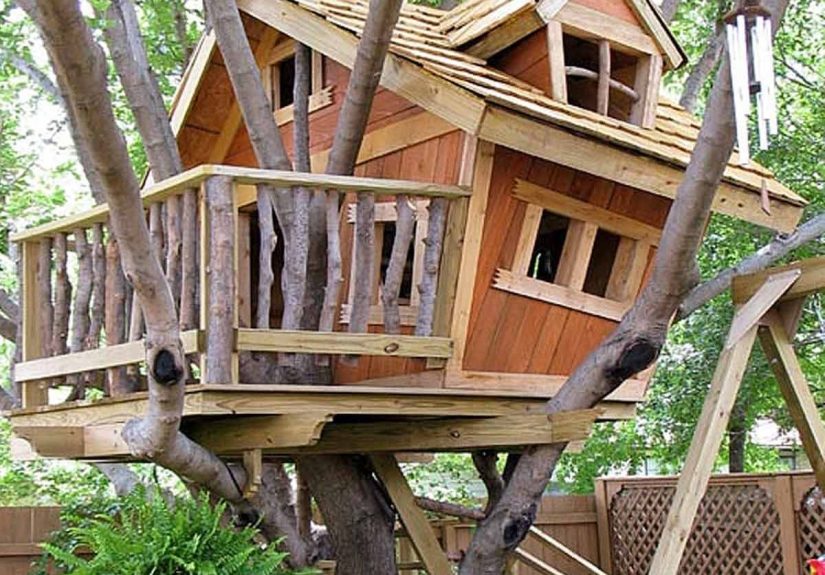
Most people’s first treehouse idea is too big, too high, or too complicated. Sometimes all three. The safer and smarter move is to keep the structure low enough for easy access, modest enough to reduce stress on the tree, and light enough that you are not building a wooden moon base in the canopy.
There is a good reason many experts recommend building in the lower portion of the tree. Lower treehouses are easier to access, easier to inspect, easier to repair, and less frightening when a seven-year-old decides the railing is merely a suggestion. Lower placement also tends to work better with the stronger, more stable lower sections of the trunk and branches.
Simple geometry helps too. A square or rectangular platform is easier to frame, easier to brace, and easier to keep level than a complicated multi-angle design that belongs in an architecture competition. A basic structure also makes it easier to add the things that matter most: railings, safe access, weather protection, and decent drainage.
If you have a double-trunk tree or two suitable trees close together, that can improve stability and distribute weight more effectively. But even then, keep the build lean. A small, well-built treehouse beats a giant, wobbly one every time.
4. Use support hardware that works with the tree, not against it
This is where treehouse projects go from cute idea to real engineering problem. A treehouse is not just a pile of lumber attached to bark. It needs a support system that can hold weight while allowing the tree to move and grow. That is why serious builders often use specialized treehouse hardware rather than treating the project like an ordinary deck.
Specialty fasteners such as treehouse attachment bolts are designed to act more like artificial limbs than random oversized screws. They support structural members while minimizing unnecessary damage. The broader lesson is this: fewer, well-planned, properly sized attachment points are usually better than a chaotic festival of lag bolts and wishful thinking.
The support system also needs room for movement. Trees sway. If your framing is locked rigidly to a moving trunk, something will eventually protest with a crack, split, twist, or groan that sends you into a panic search for a level. Floating brackets, sliding connections, and thoughtful load paths help the structure move independently where needed. That protects both the tree and the treehouse.
If the build is more than a small backyard fort, bring in help. An experienced treehouse builder, structural engineer, or arborist can help determine hardware, spacing, and load distribution. Treehouse confidence is good. Treehouse overconfidence is how adults end up staring at crooked joists while pretending everything is “part of the rustic look.”
5. Make access safe enough for daily use, not just opening day
The access point is where fun and injury tend to negotiate. A treehouse can be beautifully framed and still be annoying or unsafe if getting into it feels like a ninja obstacle course. So think hard about who will use it most and how they will climb in and out.
For younger kids, stairs are often the easiest and safest option if space allows. A solid ladder can also work well, especially if it is self-supporting and securely tied or anchored. What you do not want is a set of ladder rungs nailed straight into the trunk like it is summer camp in 1987. That approach can injure the tree and create an awkward, sometimes slippery climb.
If you use a rope feature, keep it purposeful and safe. Loose, dangling ropes can create entanglement hazards. Rope ladders may look adventurous, but they are not ideal for every age group, especially when kids are carrying toys, snacks, or the emotional weight of pretending to be spies. Add handholds, keep rung spacing comfortable, and make sure the landing at the top feels stable.
Also plan for the less glamorous users: adults. If a grown-up cannot reach the platform safely enough to inspect, clean, or help a nervous child down, the design needs work.
6. Treat falls as the main hazard, because they are
If you remember only one safety principle, remember this one: falls are the big problem. That means your treehouse needs guardrails, barriers, safe openings, and soft ground protection underneath. Charm is optional. Fall protection is not.
Any elevated platform should have appropriate railings or barriers, especially once you get above the kind of height where a tumble stops being funny and starts becoming an emergency room story. Railings should not double as a convenient climbing wall, and gaps should be small enough to avoid entrapment hazards. In other words, build it so kids can enjoy the treehouse without accidentally testing basic physics.
The ground surface below matters too. Do not place a treehouse over concrete, asphalt, brick, or another unforgiving surface. A shock-absorbing landing zone made of materials such as wood chips, mulch, or other suitable protective surfacing is a much better idea. Extend that protection beyond the platform footprint so it covers real-life kid behavior, not perfect textbook behavior.
Then clean up the little hazards that become big ones. Countersink or trim protruding hardware. Eliminate snag points. Avoid random hanging cords, decorative loops, or unnecessary ropes. A safe treehouse is usually the one where you spent time thinking about what could go wrong before anyone shouted, “Watch this!”
7. Build for weather, drainage, and the occasional bad decision by Mother Nature
Outdoor structures do not fail only because of weight. They also fail because water gets where it should not, surfaces stay wet too long, hardware loosens over time, and storms remind everyone that the tree is still part of nature, not a controlled indoor environment.
Start with drainage. A slightly sloped floor can help shed water instead of letting it pool. Leave room for air circulation so damp debris does not collect around the trunk and framing. Small gaps in decking and wall details can help the structure dry out faster after rain. The goal is to keep moisture moving away, not trapped like a science experiment.
Choose materials meant for outdoor use. Exterior-rated fasteners, weather-resistant lumber, and a roof with decent overhangs all help extend the life of the build. If you are cutting or handling treated lumber, follow current safety guidance for that material and work cleanly and carefully. This is not the time for mystery scraps from the back corner of the garage.
Weather planning also includes usage rules. A treehouse is not safe shelter during a thunderstorm. In fact, being under or near a tree during lightning is a terrible idea. If thunder rolls in, everyone heads indoors. Full stop.
After major wind, heavy snow, or intense rain, inspect the structure before reopening it for business. Kids may be ready to resume pirate council immediately. The treehouse may prefer a quick safety audit first.
8. Plan the maintenance schedule before the first board goes up
A treehouse is never really “done.” It is done for now. That is a big difference. Because the tree grows and the weather keeps showing up, maintenance is part of ownership from day one.
Inspect the treehouse regularly, especially during the first year. Check bolts, brackets, railings, steps, deck boards, roofing, and any rope or cable components. Look for movement where there should not be movement, and for rigidity where there should be some flexibility. After storms, inspect both the structure and the tree itself.
Pay attention to signs of tree stress too. Reduced growth, unusual lean, cracks, dead branches, or changes in the crown may signal a tree health problem that affects the whole project. A treehouse is only as safe as the tree holding it up. If the tree changes, the structure may need to change with it.
This is also why modest treehouses age better than overloaded ones. A simple platform with railings and a roof is easier to inspect and repair than a mini-condo with lofts, swings, bridges, trapdoors, and the architectural ambition of a boutique hotel.
Maintenance may not be the glamorous part of treehouse ownership, but it is the reason the glamorous part gets to continue.
Common Mistakes to Avoid
Before you fire up the saw, avoid these classic errors:
- Building too high just because higher feels more dramatic.
- Choosing a tree based on looks instead of structure and health.
- Ignoring the root zone and compacting soil during construction.
- Using standard deck habits for a project that needs tree-specific planning.
- Creating rigid connections that do not allow for growth and movement.
- Skipping railings, soft surfacing, or regular inspections.
- Assuming permits or zoning rules do not apply because it is “just a treehouse.”
Final Thoughts
The best treehouses feel effortless when you are inside them, but they only get that way through careful choices. Pick a healthy tree. Keep the design simple. Use the right hardware. Protect against falls. Respect weather. Inspect often. And whenever the project starts drifting from “smart and fun” toward “backyard engineering fever dream,” scale it back.
A treehouse should feel magical, yes, but the kind of magic you want is laughter, imagination, and a cool place to read comics in the shade. Not the magic trick where a railing wobbles and everyone suddenly discovers religion.
What the Experience of Building a Treehouse Really Feels Like
Building a treehouse is one of those projects that sounds simple when you first say it out loud. “We’re building a treehouse” has a cheerful, movie-trailer quality to it. Then you get outside with a tape measure, stare up at the tree, and realize the tree did not receive your plans, approve your dimensions, or agree to remain perfectly still while you work. That is when the experience becomes memorable in the best possible way.
One of the first lessons people learn is humility. The tree is always in charge. A platform that looked perfect on paper may need to shrink because a branch union is weaker than expected. A ladder angle may need to change because the most natural entry point is not where you imagined. Even the simple task of making something look level can become surprisingly philosophical when the living support beneath it sways in the breeze. You start the project thinking like a builder and end up thinking a little like an editor: cut what does not work, simplify what is too ambitious, and make peace with good decisions that do not look flashy.
There is also a very specific joy in seeing kids react to the first usable version of the structure. It does not need paint, curtains, a telescope, or a snack pulley system to feel magical. The moment there is a platform, a railing, and a way up, the place becomes real. Children do not care that you are still debating trim details. To them, it is already a fort, a ship, a clubhouse, a dragon observatory, or a top-secret headquarters with absolutely no grown-ups allowed except the ones carrying juice boxes.
Adults usually have a different experience. They notice every bolt, every creak, every quarter-inch of movement, and every weather forecast for the next ten days. That is not a bad thing. In fact, it is part of what makes a good treehouse possible. You become more observant. You start looking at bark, roots, branch angles, drainage, and hardware the way gardeners look at tomato leaves in July: with intensity, hope, and a little suspicion.
The project can also become unexpectedly emotional. A treehouse is rarely just a structure. It is often tied to a season of family life when kids are still young enough to believe a backyard platform can change the entire universe. Years later, people may not remember the exact bracket size or how long the decking took, but they will remember carrying boards across the lawn, choosing the first silly name for the place, or sitting up there for the first time while the leaves moved overhead and everything felt a little bigger and a little quieter.
That is why the best treehouse experiences usually come from balanced expectations. Build carefully. Respect the tree. Accept that the process will involve adjustments. And leave room for the human part of it too. Because if you do it right, the project gives you more than a structure. It gives you stories, rituals, and a little patch of elevated backyard history.
Note: This article is for informational purposes and should be adapted to your local codes, site conditions, and the health of the actual tree you plan to use.