Table of Contents >> Show >> Hide
- Hemp Seeds 101: What You’re Actually Eating
- Hemp Seeds Nutrition at a Glance
- The 9 Benefits of Hemp Seeds
- 1) Complete plant protein (yes, all nine essential amino acids)
- 2) More satisfying meals (protein + fat = fewer “snack emergencies”)
- 3) Heart-friendly fats: omega-6 and omega-3 in a balanced mix
- 4) Potential cholesterol support (thanks, unsaturated fats + plant compounds)
- 5) Anti-inflammatory support (a “quiet helper,” not a headline act)
- 6) Skin support (fatty acids may matter more than your 12-step routine)
- 7) Digestive support (especially if you choose whole seeds)
- 8) Mineral boost that supports everyday metabolism (hello, magnesium)
- 9) PMS and hormonal symptom support (promising, but not a guarantee)
- How to Use Hemp Seeds (Without Turning Dinner Into a Science Fair)
- Safety, Side Effects, and “Wait, Will This Show Up on a Test?”
- FAQ: Quick Answers
- Real-World Experiences: What It’s Like to Add Hemp Seeds for 2 Weeks (About )
- Conclusion
Hemp seeds are the kind of pantry upgrade that feels suspiciously like cheating: tiny, mildly nutty,
and somehow capable of making your oatmeal, salad, smoothie, or “I forgot to eat lunch” snack look
like you have your life together. They’re also one of the rare plant foods that can brag about
both protein and healthy fats without turning into a chalky, sad compromise.
But let’s get the obvious question out of the way before your brain whispers it: No, hemp seeds won’t get you high.
They come from Cannabis sativa, but the seeds themselves don’t naturally contain THC or CBD; any trace amounts are typically
picked up during harvesting/processing. Food-grade hemp seed ingredients are used in conventional foods and aren’t capable of making
consumers “high.” (More on that in the safety section.)
Hemp Seeds 101: What You’re Actually Eating
You’ll see a few names in stores:
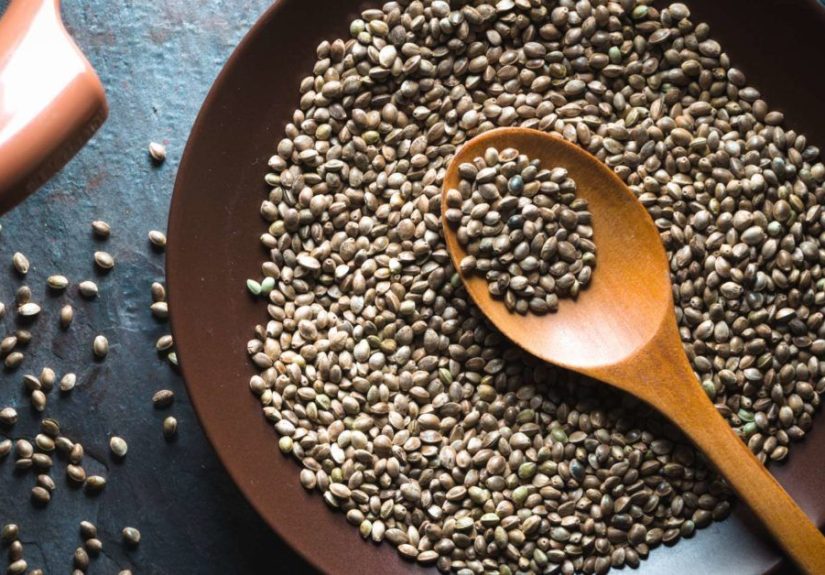
hemp seeds (whole), hemp hearts (hulled/shelled), and hemp seed oil.
Hemp hearts are the tender inside of the seedcream-colored, soft, and easy to sprinkle on anything that sits still long enough.
Whole hemp seeds keep the outer shell, which adds more fiber and crunch (and sometimes more “hello, digestion!” reactions if you jump in too fast).
Hemp Seeds Nutrition at a Glance
One standard serving is 3 tablespoons (about 30 grams). That’s a “sprinkle,” not a “dump the whole bag in the blender” situation.
Here’s what you typically get per serving of hulled hemp seed/hemp hearts:
| Nutrient (per ~3 Tbsp / 30 g) | Why it matters |
|---|---|
| ~166 calories | Energy-dense (great for satiety; easy to overdo if you’re mindlessly snacking). |
| ~9–10 g protein | Helps you feel full; supports muscle repair and overall protein needs. |
| ~14–15 g fat (mostly polyunsaturated) | Provides essential fatty acids (omega-6 and omega-3) your body can’t make. |
| ~2–3 g carbs | Low-carb friendly if that’s your thing. |
| ~1 g fiber (hulled) | Whole seeds have more fiber; hulled hearts are gentler but less fibrous. |
| Magnesium, iron, zinc, potassium, vitamin E | Minerals and antioxidants that support metabolism, muscles, and overall nutrition. |
Translation: hemp seeds are a compact package of complete plant protein + essential fats + minerals.
That combo is why they show up everywhere from smoothie bars to “how do I eat more protein without living on chicken” Reddit threads.
The 9 Benefits of Hemp Seeds
1) Complete plant protein (yes, all nine essential amino acids)
Most plant proteins are missing at least one essential amino acid. Hemp seeds are different: they’re considered a
complete protein. Practically, that means hemp hearts can help round out protein intakeespecially if you eat mostly plant-based
or you’re trying to diversify away from animal proteins without turning meals into a chemistry project.
Example: Add 3 tablespoons to Greek yogurt (or a plant-based yogurt), and you get a protein boost with a pleasant crunch
no blender required and no “protein powder aftertaste.”
2) More satisfying meals (protein + fat = fewer “snack emergencies”)
The protein helps curb hunger, while the healthy fats slow digestion a bit. In plain English:
hemp seeds can make a bowl of oatmeal feel like a real breakfast instead of a warm appetizer.
Example: Sprinkle hemp hearts over oatmeal with berries and cinnamon. Add a spoon of nut butter if you want it to stick with you until lunch.
3) Heart-friendly fats: omega-6 and omega-3 in a balanced mix
Hemp seeds are rich in polyunsaturated fats, including linoleic acid (omega-6) and alpha-linolenic acid (omega-3).
You’ll often hear about “omega balance” because modern diets can skew heavily omega-6. Hemp seeds tend to land in a more reasonable range,
which is part of why they’re frequently mentioned in heart-healthy eating patterns.
Important nuance: hemp seeds are not a magic heart pill. The most consistent benefits come when they replace saturated-fat-heavy snacks
(think chips or pastries) and help you build an overall nutrient-dense diet.
4) Potential cholesterol support (thanks, unsaturated fats + plant compounds)
Seeds generally come with helpful plant compounds, and hemp is no exception. Diets that emphasize unsaturated fats and fiber-rich plant foods
are often associated with improved lipid profiles over time. Hemp seeds also contain bioactive components (like phytosterols and tocopherols)
that are being studied for cardiometabolic effects.
Example: Use hemp hearts as a topper for salads instead of croutons. You get crunch plus nutrition, and you’re not accidentally eating bread confetti.
5) Anti-inflammatory support (a “quiet helper,” not a headline act)
Chronic inflammation is linked with many long-term health conditions, and dietary patterns rich in plant foods, fiber, and healthy fats are generally associated
with better inflammation markers. Hemp seeds contribute omega-3s and antioxidants, and research reviews suggest plausible anti-inflammatory mechanismsthough
human clinical evidence is still developing.
Think of hemp seeds like a good teammate: they don’t dunk from half-court every night, but they show up, do the fundamentals, and make the whole team better.
6) Skin support (fatty acids may matter more than your 12-step routine)
Your skin barrier depends on fats. Hemp seeds and hemp seed oil provide omega-3 and omega-6 fats, and some studies (often focused on oils/supplement forms)
suggest potential benefits for dry skin or eczema-related symptoms. It’s not guaranteedand it’s not a substitute for medical carebut the mechanism makes sense:
fatty acids can influence inflammation and skin barrier function.
Example: Stir a tablespoon of hemp hearts into yogurt with honey. Not a skincare product, but your skin doesn’t care where the fats came from.
7) Digestive support (especially if you choose whole seeds)
If digestion is your priority, know the difference:
whole hemp seeds include the fibrous shell, while hemp hearts are mostly the inner seed with relatively little fiber.
Either way, adding seeds can contribute to daily fiber goalsjust don’t go from “zero” to “entire bag” overnight unless you enjoy dramatic plot twists.
Pro tip: Start with 1 tablespoon a day for a week, then increase if your stomach votes “yes.”
8) Mineral boost that supports everyday metabolism (hello, magnesium)
Hemp hearts are a strong source of mineralsespecially magnesium. Magnesium is involved in hundreds of enzymatic reactions, including those
related to energy metabolism and normal muscle and nerve function. Some nutrition resources also point to magnesium’s role in blood sugar regulation and bone health.
Example: Add hemp hearts to a post-workout smoothie with banana and milk (or a fortified plant milk). It’s a practical way to stack protein + minerals.
9) PMS and hormonal symptom support (promising, but not a guarantee)
Hemp seeds contain gamma-linolenic acid (GLA), an omega-6 fat that’s been discussed in relation to PMS symptom relief and menopause symptom support.
Some evidence suggests GLA may influence prostaglandin pathways, which could help with certain symptoms for some people. Still, this area is not a slam dunk:
studies vary, and individual responses differ.
If you’re curious, the lowest-drama approach is to use hemp seeds as a food first (not megadoses of supplements), track how you feel for two cycles,
and talk to a clinician if symptoms are severe.
How to Use Hemp Seeds (Without Turning Dinner Into a Science Fair)
Hemp hearts are mild and flexiblemore “nutty whisper” than “flavor takeover.” Here are easy, realistic ways to use them:
- Breakfast: oatmeal, overnight oats, yogurt bowls, pancakes, waffles, granola.
- Lunch: salads, grain bowls, soups (add after cooking for texture), avocado toast.
- Dinner: sprinkle on roasted veggies, pasta, chili; stir into pesto; use as a crunchy topping.
- Smoothies: blend 1–3 Tbsp for creaminess and protein.
- Homemade hemp milk: blend hemp hearts + water; strain if you want it extra smooth.
- “Hemp sprinkle” mix: hemp hearts + sesame + a pinch of salt and garlic powder (great on everything).
Safety, Side Effects, and “Wait, Will This Show Up on a Test?”
Hemp seeds aren’t intoxicating, but labels still matter
Food-grade hemp seed ingredients are allowed in conventional foods, and the seeds don’t naturally contain THC or CBD. Trace cannabinoids can occur due to
contact with other parts of the plant during harvesting/processingso buy reputable brands and check quality notes.
If you’re drug tested (athletes, certain jobs), be cautious
While hemp foods are unlikely to intoxicate you, there is documented riskespecially with products that may contain higher-than-expected trace cannabinoids.
Anti-doping guidance warns athletes to be careful with hemp products, and older research showed that consuming some hemp food products could lead to positive
urine screening results in certain contexts. If your livelihood depends on a clean test, treat hemp products like you treat airport security: assume nothing and read everything.
Digestive comfort: ramp up slowly
Too much too fastespecially whole hemp seeds with shellscan cause gas, stomach upset, or diarrhea. Start small and increase gradually.
Medication interactions and allergies
If you take medications (especially blood thinners or certain heart medicines) or you have cannabis-related allergies, talk with a healthcare professional before
making hemp seeds a daily habit. Also note: hemp hearts are naturally gluten-free but can be cross-contaminated if processed in facilities that handle wheatlook for certified gluten-free if needed.
FAQ: Quick Answers
Are hemp hearts the same as hemp seeds?
Hemp hearts are hulled hemp seeds (the soft inside). Whole seeds keep the shell, which adds more fiber and crunch.
Is hemp seed oil the same as CBD oil?
No. Hemp seed oil comes from the seeds and is used as a food oil. CBD oil is extracted from other parts of the plant and follows different regulatory rules.
How much should I eat?
A common serving is 3 tablespoons per day. If you’re new to them, start with 1 tablespoon and work up.
What do hemp seeds taste like?
Mild, slightly sweet, and nuttylike a sunflower seed’s calmer cousin.
Real-World Experiences: What It’s Like to Add Hemp Seeds for 2 Weeks (About )
Let’s make this practical. If you’ve never eaten hemp hearts before, you don’t need a dramatic lifestyle reset. You need a
repeatable, low-effort experiment. Here’s what many people experience when they add hemp seeds regularly for about two weeks
along with the most common “oops” moments and how to avoid them.
Days 1–3: The “Wait, this is easy” phase. Most folks start by sprinkling 1 tablespoon on something familiar: yogurt, oatmeal, or a smoothie.
The first surprise is usually flavor. Hemp hearts are mildno bitterness, no grassy aftertasteso they disappear into meals in a good way.
You might notice your breakfast feels more filling, especially if you’re used to eating mostly carbs in the morning.
Days 4–7: Satiety shows up… and so can digestion. When you bump up to 2–3 tablespoons, the protein + fat combo can noticeably reduce
“snack emergencies,” particularly mid-morning. But if you switch to whole hemp seeds (with shells) too quickly, your gut might file a complaint.
This is where the slow ramp matters. If you feel bloated or gassy, step back to 1 tablespoon, drink more water, and give your digestion a few days to adapt.
(Your microbiome likes consistency, not surprises.)
Days 8–10: The “where have you been all my life” recipes. People tend to get bored with toppings if they only use them one way, so this is the
perfect time to rotate formats. A popular move is a quick “hemp sprinkle” mix: hemp hearts + sesame seeds + garlic powder + a pinch of salt.
It makes roasted vegetables taste like you tried. Another easy upgrade: stir hemp hearts into pesto or blend them into a creamy salad dressing.
The texture is soft-crunchy, which makes salads more satisfying without relying on fried croutons.
Days 11–14: The habit sticks (or it doesn’t) based on convenience. By the second week, the biggest factor isn’t willpowerit’s visibility.
If the bag lives in the back of the pantry, hemp seeds become a “someday” food. If you keep them in the fridge in a clear container (or right next to your coffee),
they become automatic. Many people also learn portion reality here: hemp hearts are nutrient-dense and calorie-dense. A “healthy pour” can quietly turn into
6 tablespoons if you’re not paying attention. The easiest fix is to use a tablespoon measure for a week until your eyes learn the serving size.
What people usually conclude: Hemp seeds are less about a single dramatic benefit and more about being a
high-value nutrition add-onprotein, healthy fats, and minerals in a form that doesn’t fight you. If they make meals more satisfying,
help you hit protein goals, and replace less nutritious toppings, they’re doing their job.
Conclusion
Hemp seeds are a rare nutritional triple threat: complete plant protein, heart-friendly fats, and useful minerals
in a format you can add to almost anything. The smartest way to use them isn’t chasing a miracle claimit’s swapping them in for lower-nutrient toppings,
keeping portions sensible, and building a repeatable habit you’ll actually maintain.