Table of Contents >> Show >> Hide
- What counts as a “high-protein” nut?
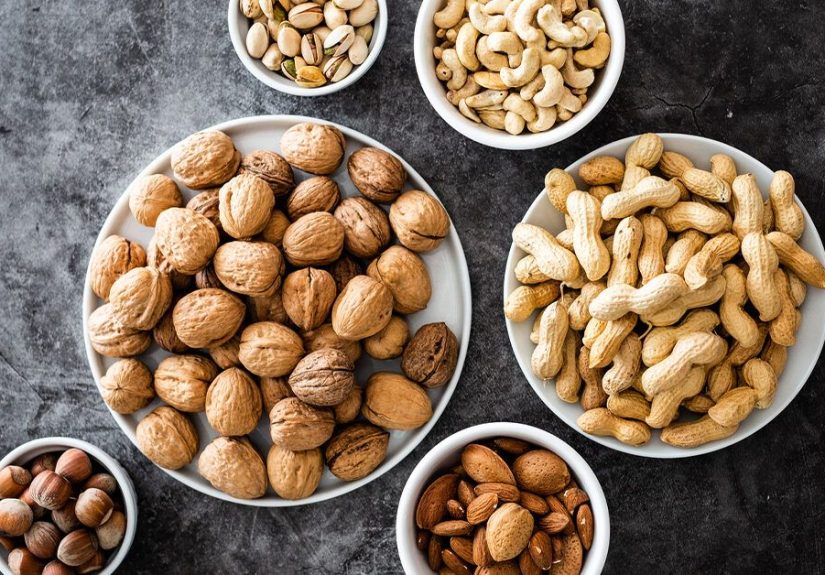
- The 9 high-protein picks (protein per 1 oz / 28 g)
- How to choose nuts for your protein goals
- Smart ways to add nuts without accidentally adding a second lunch
- Nut-by-nut notes (so you know what you’re actually buying)
- Peanuts: the protein bargain
- Almonds: the versatile all-rounder
- Pistachios: the mindful snacker’s favorite
- Cashews: the “how is this dairy-free?” nut
- Walnuts: more than a salad topper
- Hazelnuts: sweet, toasty, and surprisingly useful
- Pine nuts: small serving, big impact
- Brazil nuts: the selenium superstar (tiny portions only)
- Pecans: the “protein-support” nut
- Real-life experiences: what it’s like to actually add high-protein nuts to your routine
- Conclusion
Nuts are the rare food that can be crunchy, convenient, and quietly impressive on the nutrition front.
They bring plant-based protein, fiber, and mostly unsaturated fats to the tableplus minerals and vitamins your body actually uses.
The only catch? Nuts are also calorie-dense, which means they’re easy to love… and easy to over-pour straight from the bag.
This guide spotlights nine of the most protein-forward options (using a standard 1-ounce/28-gram serving),
explains what each one does best, and gives you practical ways to eat them that don’t feel like you’re chewing on “health goals.”
Let’s crack into it.
What counts as a “high-protein” nut?
In the nut universe, “high protein” is relative. Most nuts land in the 3–7 grams of protein per ounce range.
That’s not chicken-breast territorybut it is a meaningful boost for snacks, breakfasts, and plant-forward meals,
especially when you use nuts strategically (think: toppings, mixes, and spreads) instead of treating them like background decoration.
Portion reality check (so your snack doesn’t turn into a “meal accident”)
The American Heart Association notes a typical serving is about 1 ounce of nuts (a small handful) or
2 tablespoons of nut butter. Mayo Clinic similarly emphasizes moderation and suggests choosing unsalted nuts when possible.
Translation: the serving size is friendly; the family-size bag is the chaos agent.
The 9 high-protein picks (protein per 1 oz / 28 g)
Numbers below are for a 1-ounce serving. Protein varies slightly by brand and whether nuts are raw or roasted,
but these are reliable ballpark values.
| Nut | Protein (g) per 1 oz | Why it’s worth it | Easy ways to use it |
|---|---|---|---|
| Peanuts (technically a legume, but nutritionally “honorary nut”) | ~6.9 g | Big protein for the serving size; budget-friendly; pairs with sweet or savory. | Peanut snack packs, peanut sauce, crushed over oatmeal, or a spoon of peanut butter in smoothies. |
| Almonds | ~6 g | Solid protein plus vitamin E; easy to eat whole or turn into flour, butter, or milk. | Almond butter toast, chopped on salads, or almond “croutons” on roasted veggies. |
| Pistachios | ~6 g | Protein + fiber combo; in-shell pistachios can slow snacking (built-in speed limit). | Stir into yogurt, toss into rice bowls, or use as a crunchy topping for fish or tofu. |
| Cashews | ~4 g | Creamy texture makes them a secret weapon for sauces and dairy-free “creaminess.” | Blend into cashew cream, add to stir-fries, or sprinkle on curries for crunch. |
| Walnuts | ~4 g | Notable for plant omega-3 (ALA) and a rich, buttery bite that makes salads feel fancy. | Chop into oatmeal, add to pesto, or mix into lentil bowls for texture. |
| Hazelnuts (filberts) | ~4 g | Sweet, toasty flavor; great for snacks that feel dessert-adjacent without actually being dessert. | Roast and toss into granola, chop into fruit bowls, or blend into homemade nut butter. |
| Pine nuts | ~4 g | Small but mightyadds richness fast (a little goes a long way). | Pesto, sprinkled over roasted vegetables, or tossed into couscous and salad mixes. |
| Brazil nuts | ~4 g | Famous for seleniumhelpful in tiny amounts, but not a “free pour” nut. | Chop 1–2 into oatmeal, trail mix, or yogurt; think “accent,” not “handful.” |
| Pecans | ~3 g | Not the protein champ, but still contributesand brings a buttery crunch people actually crave. | Salads, roasted sweet potatoes, or mixed with spices for a savory snack. |
How to choose nuts for your protein goals
1) Pick the “protein leaders” first
If your main goal is protein, start with peanuts, almonds, and pistachios. They deliver the most protein per ounce in this lineup,
which makes them the easiest to build into high-protein snack routines.
2) Use the “supporting cast” for texture and staying power
Cashews, walnuts, hazelnuts, pine nuts, and Brazil nuts hover around 4 grams per ounce, which is still meaningful
especially when they’re layered into meals. Think of them as the crunchy “upgrade” that makes a bowl or salad feel complete.
3) Watch the salt and sugar (your heart will notice, and so will your thirst)
Many flavored nuts are basically “snack food wearing a gym shirt.” Choose unsalted or lightly salted nuts most of the time,
and treat honey-roasted or candy-coated versions like dessertbecause they are.
Smart ways to add nuts without accidentally adding a second lunch
Pre-portion like a grown-up (even if you don’t feel like one)
Nuts are calorie-dense. The simplest strategy is also the least exciting: portion them into small containers or snack bags.
Make it fun by mixing two nuts together (like peanuts + pistachios) so you feel like you’re getting variety, not deprivation.
Use nuts as a “protein-plus” topping
Nuts shine when they’re part of something bigger:
- Breakfast: Greek yogurt or oatmeal + chopped almonds or pistachios.
- Lunch: Salad + walnuts or pecans instead of croutons.
- Dinner: Stir-fry + cashews; grain bowls + hazelnuts; pasta + pine nuts.
Pair nuts with other protein sources for a bigger total
Nuts are great, but they don’t have to do the whole job alone. A few simple pairings:
- Plant-forward: nuts + beans/lentils + whole grains (hello, complete-meal energy).
- Quick snacks: nut butter + apple, or a small handful of nuts + a cheese stick.
- Post-workout-ish: yogurt + pistachios, or a smoothie with peanut butter.
Nut-by-nut notes (so you know what you’re actually buying)
Peanuts: the protein bargain
Peanuts lead the pack for protein, and they’re often the most affordable.
If you love peanut butter, good news: two tablespoons can deliver a similar protein hit as an ounce of peanuts.
Look for options with minimal added sugar and oils if you’re buying a jar.
Almonds: the versatile all-rounder
Almonds are easy to keep in your bag, desk, or car (just don’t forget them in a hot glove compartment).
They’re also ridiculously flexible: sliced almonds for salads, almond butter for snacks, almond flour for baking.
Pistachios: the mindful snacker’s favorite
Pistachios deliver strong protein and a satisfying crunch. In-shell pistachios also slow you down
which is helpful if you tend to snack like you’re trying to beat a stopwatch.
Cashews: the “how is this dairy-free?” nut
Cashews aren’t the highest in protein compared with almonds or pistachios, but they win the texture game.
Blended cashews can turn into creamy sauces, soups, or dressingsespecially handy for plant-based eating.
Walnuts: more than a salad topper
Walnuts are known for their fatty acid profile (including plant omega-3 ALA) and their rich flavor.
They’re great in savory dishes, not just browniestry them in pesto, roasted veggie bowls, or lentil salads.
Hazelnuts: sweet, toasty, and surprisingly useful
Hazelnuts bring a naturally sweet flavor that plays well with fruit, oats, and chocolate.
Roast them lightly to boost their aroma, then chop and sprinkle like you’re the CEO of “crunch.”
Pine nuts: small serving, big impact
Pine nuts are tiny flavor bombs. Because they’re often pricier, they naturally encourage portion control
(your wallet becomes your nutrition coach).
Brazil nuts: the selenium superstar (tiny portions only)
Brazil nuts are famous for selenium. The NIH notes that Brazil nuts can be very high in selenium,
and routinely eating too many can push you over the tolerable upper limit.
The practical move: treat Brazil nuts as a “one or two a day” nut, not a handful.
Pecans: the “protein-support” nut
Pecans are lower in protein than the leaders here, but they still contributeand they’re one of the easiest nuts
to enjoy consistently. If pecans are the nut that keeps you from buying a cookie the size of your head, they’re doing their job.
Real-life experiences: what it’s like to actually add high-protein nuts to your routine
Reading nutrition facts is one thing. Living with them is another. Here are a few common, very real experiences people run into
when they start adding protein-forward nuts to their dietplus how to make it easier on yourself.
Experience #1: “I thought I ate one serving. Turns out I ate three.”
This is the most universal nut moment. Nuts are small, snackable, and easy to eat while standing over the kitchen counter,
which is basically the Olympic sport of accidental overeating. A simple fix is to pour nuts into a bowl or your hand,
then put the container away before you start eating. If you want to get fancy, portion nuts into snack bags once a week.
It’s not glamorousbut neither is realizing your “quick snack” had the calorie energy of a small brunch.
Experience #2: “I’m less snacky in the afternoon.”
Many people notice that a mid-morning or mid-afternoon snack with nuts feels more “settling” than something crunchy-and-airy
like chips. That’s likely because nuts combine fat, protein, and often a bit of fiberthree things that tend to make a snack feel
like it counts. A practical example: a small handful of pistachios with fruit, or peanut butter on whole-grain toast,
can feel more satisfying than a sweet snack that spikes and disappears.
Experience #3: “I love flavored nuts… but they make me want more flavored nuts.”
Honey-roasted, candy-coated, spicy-sweet blendsdelicious, yes. Also engineered by your taste buds to request an encore.
A compromise that works for a lot of people: buy mostly plain nuts (unsalted or lightly salted), then add your own flavor at home.
Toss almonds with cinnamon, cocoa powder, or chili-lime seasoning. You still get the fun, but you control the sugar and sodium.
Experience #4: “My meals feel more complete with just a sprinkle.”
This is the underrated power move: using nuts as a finishing touch. A tablespoon of chopped walnuts on a salad,
a spoon of cashews on a stir-fry, or a pinch of pine nuts on pasta adds crunch and richness that can make a meal feel restaurant-level.
It’s also a low-effort way to boost protein and healthy fats without changing the entire recipe.
Experience #5: “I discovered the joy of the ‘nut combo’ snack.”
People often find it easier to stick with nuts when they make a simple “combo rule”:
pair nuts with something juicy (fruit), creamy (yogurt), or crunchy (whole-grain crackers).
For example: pistachios + Greek yogurt, peanuts + an apple, almonds + berries in oatmeal.
The combo adds variety, makes the snack feel bigger, and helps prevent the classic “I ate nuts and still want something else” feeling.
Experience #6: “Brazil nuts humbled me.”
Brazil nuts are a great example of why “more” isn’t always “better.” A lot of people learn quickly that Brazil nuts are best in small amounts
because of their selenium content. The experience usually goes like this: you eat a bunch because they taste buttery,
then you read one article and suddenly you’re counting Brazil nuts like they’re rare Pokémon.
The happy middle ground is to chop one or two into a bowl of oats or yogurtstill delicious, still beneficial, no drama.
Experience #7: “Storage matters more than I expected.”
Nuts contain oils that can go rancid, especially in warm or sunny kitchens.
A common “aha” moment is realizing that the weird taste in the last handful isn’t your imagination.
Keeping nuts in an airtight container, and storing larger amounts in the fridge or freezer, can help them stay fresher longer.
The big takeaway from these experiences is simple: adding nuts works best when it’s practical.
Pick two or three favorites, portion them, and use them as ingredientsnot just snacks.
Consistency beats perfection, and crunchy consistency is honestly the easiest kind to keep.
Conclusion
If you want more protein from plant foods, nuts are an easy winespecially peanuts, almonds, and pistachios.
The key is using nuts on purpose: stick to a serving, choose unsalted or lightly salted most of the time,
and add nuts where they make meals better (salads, bowls, oats, yogurt, sauces).
Rotate your favorites so you don’t get bored, and treat Brazil nuts like a “small but mighty” option rather than a mindless handful.
Do that, and you’ll get the protein boost and the satisfactionwithout turning snack time into snack eternity.