Table of Contents >> Show >> Hide
- What Does Pain in the Back of the Knee Feel Like?
- Common Causes of Pain Behind the Knee
- When Should You See a Doctor?
- How Doctors Diagnose Pain Behind the Knee
- Treatment for Pain in the Back of the Knee
- Exercises and Movement Tips
- How to Prevent Pain Behind the Knee
- Real-World Experiences: What Pain Behind the Knee Often Looks Like
- Conclusion
Pain in the back of the knee can feel oddly specific. It is not quite calf pain, not exactly thigh pain, and definitely not the kind of knee ache most people imagine when they think of sore joints. It sits in that mysterious little hollow behind the knee, also called the popliteal area, and it can make walking, bending, climbing stairs, running, or even getting out of a chair feel like a badly choreographed dance move.
The good news is that pain behind the knee is often caused by treatable problems such as muscle strain, overuse, a Baker’s cyst, tendon irritation, arthritis, or a meniscus injury. The less fun news is that some causes, including deep vein thrombosis, need prompt medical attention. In other words, the back of the knee is small real estate, but it has a lot of tenants: muscles, tendons, ligaments, cartilage, blood vessels, nerves, and fluid-filled structures all pass through or around it.
This guide explains the common symptoms, possible causes, treatment options, warning signs, and real-world experiences related to pain in the back of the knee. Think of it as your knee’s politely worded complaint letter, translated into plain English.
What Does Pain in the Back of the Knee Feel Like?
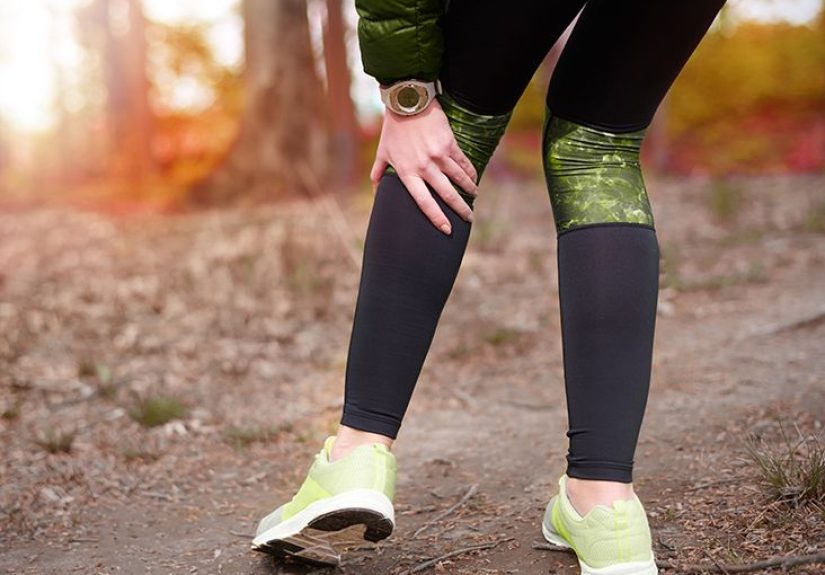
Back-of-knee pain can show up in several ways. Some people feel a dull ache after exercise. Others notice a sharp pulling sensation when bending or straightening the leg. The pain may stay behind the knee, or it may travel into the calf, thigh, or lower leg.
Common Symptoms
Symptoms may include:
- Aching, tightness, or pressure behind the knee
- Sharp pain when bending, squatting, or straightening the leg
- Swelling or a visible lump at the back of the knee
- Stiffness after sitting for a long time
- Pain that worsens with running, jumping, stairs, or kneeling
- Clicking, catching, locking, or weakness in the knee
- Calf tightness or soreness
- Warmth, redness, or one-sided leg swelling
The pattern matters. A sore, tight feeling after a long walk may suggest overuse. A sudden pop during sports may point toward a muscle, tendon, ligament, or cartilage injury. A swollen, warm calf with unexplained pain deserves medical evaluation quickly because it may be related to a blood clot.
Common Causes of Pain Behind the Knee
There is no single cause of posterior knee pain. The most likely explanation depends on your age, activity level, medical history, recent injuries, and whether swelling, stiffness, or instability is present.
1. Baker’s Cyst
A Baker’s cyst, also called a popliteal cyst, is one of the classic causes of pain in the back of the knee. It is a fluid-filled swelling that forms behind the knee, often because the knee joint is producing extra fluid. This extra fluid may be linked to arthritis, cartilage damage, a meniscus tear, or other irritation inside the joint.
A Baker’s cyst may feel like a soft lump or balloon-like swelling behind the knee. It can create tightness, especially when bending or fully straightening the leg. Some people feel more discomfort after activity, while others notice stiffness after sitting. If the cyst leaks or ruptures, it can cause sudden calf pain and swelling that may mimic a blood clot, so it should be checked by a healthcare professional.
2. Hamstring Strain or Tendon Irritation
The hamstring muscles run along the back of the thigh and help bend the knee. A hamstring strain can happen during sprinting, jumping, sudden acceleration, or overstretching. Weekend athletes, runners, dancers, and anyone who suddenly decides to “go full superhero” after not exercising for a while may be at risk.
Hamstring-related pain often appears at the back of the thigh or behind the knee. It may feel sharp during movement and tender when touched. More significant strains can cause swelling, bruising, weakness, or difficulty walking normally. Tendon irritation may feel more gradual, with aching near the back or inner back part of the knee after repeated activity.
3. Calf Strain
The calf muscles attach near the back of the knee and can cause pain in that area when strained. A pulled calf muscle may occur during running, tennis, basketball, jumping, or pushing off suddenly. The pain may begin as a snap, cramp, or tight pull in the upper calf, then spread toward the back of the knee.
Mild calf strains usually improve with rest, ice, compression, and gradual return to movement. Severe pain, trouble bearing weight, major swelling, or symptoms that do not improve should be evaluated.
4. Meniscus Tear
The meniscus is a C-shaped piece of cartilage that cushions the knee between the thigh bone and shin bone. A meniscus tear can happen when the knee twists while the foot is planted, especially during sports. In older adults, degenerative tears may occur more gradually as cartilage becomes worn.
A meniscus tear can cause pain along the joint line, swelling, stiffness, clicking, catching, or a feeling that the knee locks or gives way. Depending on the tear location, discomfort may be felt toward the back of the knee. Treatment may include rest, physical therapy, anti-inflammatory medication when appropriate, and sometimes surgery if the knee is persistently locked or symptoms do not improve.
5. Posterior Cruciate Ligament Injury
The posterior cruciate ligament, or PCL, is one of the major stabilizing ligaments inside the knee. PCL injuries are less common than ACL injuries but can occur from a fall onto a bent knee, a car dashboard-type injury, or sports contact.
PCL pain may be felt deep inside the knee or toward the back. Symptoms can include swelling, stiffness, difficulty walking, or a sense that the knee is unstable. Mild injuries may respond to bracing and physical therapy, while more severe injuries need specialist care.
6. Arthritis
Osteoarthritis and inflammatory arthritis can both contribute to pain behind the knee. Arthritis may cause swelling, stiffness, reduced range of motion, grinding sensations, and pain that worsens after activity or after long periods of rest. When arthritis causes extra joint fluid, it may also contribute to a Baker’s cyst.
Arthritis-related knee pain often benefits from a long-term management plan. This may include strengthening exercises, low-impact activity, weight management when appropriate, supportive footwear, medication, injections, or other treatments recommended by a clinician.
7. Tendonitis and Overuse
Tendons around the knee can become irritated from repeated stress. Runners, cyclists, hikers, and people who climb a lot of stairs may develop tendon-related pain. Pain may start mildly, then become more noticeable if the activity continues without enough recovery.
Overuse pain is the knee’s way of saying, “I filed a complaint three workouts ago.” Early attention helps. Reducing the aggravating activity, improving flexibility and strength, and gradually returning to exercise often work better than ignoring the pain until walking to the refrigerator becomes an Olympic event.
8. Knee Bursitis
Bursae are small fluid-filled sacs that reduce friction around joints. When a bursa becomes irritated or inflamed, it can cause bursitis. Knee bursitis more commonly affects the front or inner side of the knee, but inflammation around the joint can contribute to pain, swelling, and limited movement.
Bursitis may develop from repetitive kneeling, direct pressure, trauma, infection, or inflammatory conditions. Treatment usually includes rest from the irritating activity, ice, medication when appropriate, and medical care if infection is suspected.
9. Deep Vein Thrombosis
Deep vein thrombosis, or DVT, is a blood clot in a deep vein, often in the leg. DVT can cause pain behind the knee or in the calf, especially with one-sided swelling, warmth, redness, or tenderness. This is important because a clot can become dangerous if it travels to the lungs.
Seek urgent medical care if back-of-knee or calf pain appears with unexplained swelling, warmth, redness, shortness of breath, chest pain, coughing blood, fainting, or a racing heartbeat. Not every calf cramp is a clot, but symptoms like these should not be treated like ordinary muscle soreness.
10. Nerve or Referred Pain
Sometimes the knee is not the original troublemaker. Nerve irritation from the lower back, hip, or leg can refer pain toward the back of the knee. This may feel like burning, tingling, numbness, or shooting discomfort. If pain travels down the leg or comes with weakness, a healthcare provider may check the back, hip, and nerve function as well as the knee itself.
When Should You See a Doctor?
Some mild cases of pain in the back of the knee improve with rest and home care. However, medical evaluation is wise if pain is severe, persistent, unexplained, or associated with swelling or instability.
Get Medical Care Promptly If You Have:
- Sudden swelling in one leg
- Warmth, redness, or tenderness in the calf or behind the knee
- Chest pain, shortness of breath, or coughing blood
- Severe pain after an injury
- Inability to bear weight
- A knee that locks, gives way, or looks deformed
- Fever, spreading redness, or signs of infection
- Pain that lasts more than several days despite rest
It is especially important not to massage a swollen, painful calf when DVT is possible. A clinician can determine whether imaging or blood tests are needed.
How Doctors Diagnose Pain Behind the Knee
Diagnosis usually starts with a medical history and physical exam. A clinician may ask when the pain began, whether there was an injury, what movements make it worse, and whether there is swelling, locking, numbness, or calf pain.
During the exam, the provider may check range of motion, tenderness, swelling, stability, walking pattern, and signs of fluid buildup. They may compare both legs and examine the hip, ankle, or lower back if referred pain is possible.
Possible Tests
- Ultrasound: Often used to evaluate a Baker’s cyst or check for a blood clot.
- X-ray: Helps identify arthritis, fractures, or bone changes.
- MRI: Gives detailed images of cartilage, ligaments, tendons, and soft tissues.
- Blood tests: May be used if infection, inflammation, or clotting issues are suspected.
- Joint aspiration: In some cases, fluid may be removed for testing or symptom relief.
Treatment for Pain in the Back of the Knee
Treatment depends on the cause. A strained hamstring needs a different plan than a Baker’s cyst, arthritis, or DVT. That said, many non-emergency causes improve with a combination of rest, controlled movement, strengthening, and reducing inflammation.
Home Care for Mild Pain
For mild pain after activity or a minor strain, the following steps may help:
- Rest: Avoid activities that worsen symptoms, especially running, jumping, deep squats, or heavy lifting.
- Ice: Apply a wrapped ice pack for short sessions to reduce pain and swelling.
- Compression: A soft elastic wrap or knee sleeve may help swelling, if it does not increase pain or numbness.
- Elevation: Raising the leg can help reduce swelling.
- Gentle movement: Completely freezing the knee in “statue mode” for too long can increase stiffness.
Over-the-counter pain relievers such as acetaminophen or nonsteroidal anti-inflammatory drugs may help some people, but they are not appropriate for everyone. People with kidney disease, stomach ulcers, blood thinner use, certain heart conditions, pregnancy, or other medical concerns should ask a healthcare professional before using NSAIDs.
Physical Therapy
Physical therapy is often helpful for back-of-knee pain caused by muscle imbalance, overuse, arthritis, tendon irritation, or recovery after injury. A physical therapist may focus on hamstring flexibility, calf strength, hip stability, quadriceps strength, balance, walking mechanics, and gradual return to activity.
The goal is not just to silence the pain temporarily. It is to help the knee tolerate daily life again without acting like a dramatic door hinge.
Treatment for Baker’s Cyst
A Baker’s cyst may improve when the underlying knee problem is treated. If arthritis or a meniscus tear is causing extra fluid, treatment focuses on that source. Options may include rest, physical therapy, anti-inflammatory medication, corticosteroid injection, aspiration of fluid, or, less commonly, surgery for the underlying joint problem.
Treatment for Muscle Strains
Hamstring and calf strains usually need relative rest at first, followed by gradual stretching and strengthening. Returning to full activity too soon can restart the injury cycle. Mild strains may heal within days to weeks, while more serious strains may take longer and require supervised rehabilitation.
Treatment for Meniscus or Ligament Injuries
Meniscus and ligament injuries may be treated with rest, bracing, physical therapy, and activity modification. Surgery may be considered when there is persistent locking, significant instability, or severe structural damage. The best approach depends on the type of injury, age, activity goals, and overall knee health.
Treatment for DVT
DVT requires medical treatment. This may include blood-thinning medication, compression therapy, monitoring, and in some cases more advanced procedures. Because DVT can be serious, it should not be managed with home remedies alone.
Exercises and Movement Tips
Exercises should match the diagnosis. For a mild overuse issue, gentle mobility and strengthening may help. For a suspected tear, clot, fracture, or severe swelling, get evaluated before exercising.
Generally Helpful Movements After Pain Improves
- Gentle heel slides to improve knee bending
- Calf stretches without forcing the joint
- Hamstring stretches performed slowly and comfortably
- Straight-leg raises for quadriceps strength
- Glute bridges for hip support
- Low-impact cardio such as walking, cycling, or swimming when tolerated
A useful rule: exercise should feel manageable during and after the session. Mild effort is fine. Sharp pain, swelling that increases later, or limping is your knee waving a tiny red flag.
How to Prevent Pain Behind the Knee
Not every knee problem can be prevented, but many overuse and strain-related issues can be reduced with smart habits.
- Warm up before exercise instead of launching into movement cold.
- Increase running distance, speed, or workout intensity gradually.
- Strengthen the hips, thighs, hamstrings, and calves.
- Use supportive footwear suited to your activity.
- Take breaks during long sitting or travel to move your legs.
- Maintain flexibility without forcing aggressive stretches.
- Listen to early pain instead of negotiating with it like a stubborn landlord.
Real-World Experiences: What Pain Behind the Knee Often Looks Like
One common experience begins after exercise. Someone goes for a longer-than-usual walk, run, hike, or gym session and feels fine in the moment. Later that evening, the back of the knee feels tight. The next morning, stairs feel suspicious. There may be no dramatic injury, no fall, no movie-worthy sports moment. Just a quiet ache that says, “Remember yesterday? I do.” This pattern often points toward overuse, tendon irritation, mild calf strain, or hamstring tightness. In many cases, reducing activity for a few days, using ice, and returning gradually can help. But if swelling, locking, or worsening pain appears, it is time to get checked.
Another experience involves a noticeable lump or fullness behind the knee. A person may feel pressure when squatting or bending the leg deeply. The knee may feel stiff after sitting, and straightening the leg may create a pulling sensation. This story often fits a Baker’s cyst, especially when there is arthritis or a previous knee injury. People sometimes worry that the lump itself is the whole problem, but the cyst may be a clue that something inside the knee is irritated. Treating the underlying cause is often the key to long-term relief.
A third scenario happens during sports. The person twists, pivots, or lands awkwardly, then feels pain in or behind the knee. Swelling may show up later. The knee may click, catch, or feel unreliable. This can happen with meniscus injuries, ligament sprains, or muscle-tendon injuries. In these cases, “walking it off” is not always heroic; sometimes it is just a fast route to making the injury grumpier. If the knee locks, gives way, or cannot bear weight, medical evaluation is important.
Desk workers and travelers may describe a different pattern. After sitting for hours, the back of the knee or calf feels sore, heavy, or tight. Usually this is harmless stiffness, especially if it improves quickly with walking. However, one-sided swelling, warmth, redness, or tenderness should not be ignored. DVT is uncommon compared with ordinary muscle pain, but it is serious enough that suspicious symptoms deserve prompt care.
Older adults may notice gradual back-of-knee pain linked with stiffness, swelling, and reduced movement. The knee may feel worse after long activity or after resting too long. Arthritis can create this pattern, and it may also contribute to excess joint fluid and Baker’s cyst formation. The best results often come from steady management: strengthening, low-impact exercise, weight and load management when relevant, and medical guidance when pain limits daily life.
The biggest lesson from these experiences is that location alone does not reveal the diagnosis. Pain behind the knee is a symptom, not a final answer. The timing, triggers, swelling pattern, and associated symptoms tell the real story.
Conclusion
Pain in the back of the knee can come from many sources, including Baker’s cysts, hamstring or calf strains, meniscus tears, ligament injuries, arthritis, bursitis, overuse, nerve irritation, or blood clots. Many causes are manageable with rest, ice, gradual strengthening, physical therapy, and smart activity changes. Others require timely medical care.
If the pain is mild and clearly connected to overuse, a few days of careful self-care may be enough. But if you notice one-sided swelling, warmth, redness, severe pain, inability to walk, chest symptoms, locking, or sudden worsening, do not guess. Knees are useful. They deserve better than mystery troubleshooting from a search bar and a bag of frozen peas.
The safest approach is to pay attention early, treat the cause rather than just the pain, and get professional help when symptoms suggest something more serious.