



Table of Contents >> Show >> Hide
- What “psychiatric boarding” actually means (and why the term is confusing)
- Why the boarding crisis is hitting harder now
- What boarding does to patients, families, and EDs
- Kids and teens: the pediatric boarding surge
- Why boarding is also an equity problem
- How we got here: the root causes (without the finger-pointing Olympics)
- What works: practical fixes hospitals can start now
- What works: community and policy moves that reduce ED boarding
- What to do if your family is facing a mental health crisis
- Experiences from the psychiatric boarding crisis (what it feels like on the ground)
- Conclusion: how we get out of the boarding trap
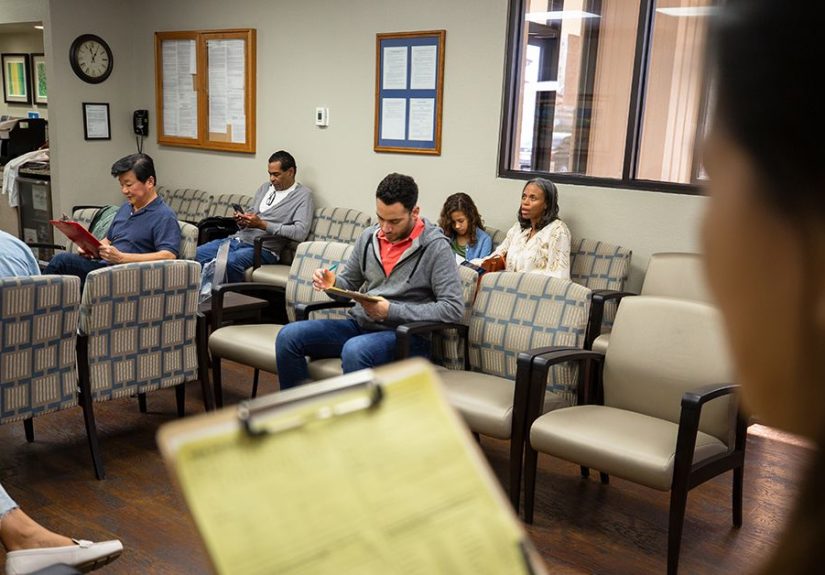
Picture this: an emergency department (ED) is built for heart attacks, broken bones, and “I accidentally stapled my finger” moments. But across the United States, many EDs have quietly become the nation’s default waiting room for people in mental health crisisespecially kids and teensbecause there’s nowhere else to go. That’s the psychiatric boarding crisis: patients who need psychiatric admission or transfer end up waiting in the ED (or another temporary unit) for hours, days, sometimes longer.
It’s a problem that strains everyone: patients who deserve timely, therapeutic care; families who are trying to hold it together on cafeteria coffee; and clinicians who are trying to do the right thing inside a system that keeps handing them “impossible” as a daily assignment.
This article breaks down what psychiatric boarding is, why it’s happening, who it hits hardest, and what actually helpswithout turning into a doom-scrolling session.
What “psychiatric boarding” actually means (and why the term is confusing)
“Boarding” isn’t about skateboards, snowboards, or boarding passes. In health care, boarding generally means holding a patient in the ED (or another temporary location) after the decision to admit or transfer has already been made. In other words: the plan is clear, but the bed (or placement) isn’t available.
The American Academy of Child and Adolescent Psychiatry (AACAP) notes that the Joint Commission defines boarding this way, and that the Joint Commission has recommended boarding times not exceed 4 hoursyet real-world waits can stretch to days to weeks in some cases, particularly for youth with complex needs.
Why the ED is the worst “waiting room” for mental health care
An ED can keep someone physically safe, but it’s rarely designed for the kind of ongoing, structured, therapeutic support that psychiatric crises often require. AACAP describes this as a missed opportunity for stabilization and treatmentand a setup for worsening distress, behavioral escalation, and family strain.
Why the boarding crisis is hitting harder now
Boarding didn’t pop up overnight. It’s the result of multiple pressure points squeezing the mental health system at once:
- Rising demand for emergency mental health evaluationespecially among youth.
- Too few inpatient psychiatric beds and uneven access across regions.
- Workforce shortages (psychiatrists, therapists, inpatient nurses, social workers, behavioral health techs).
- Gaps in the “in-between” levels of care (crisis stabilization, partial hospitalization, intensive outpatient programs, community supports).
- Administrative and insurance barriers that slow placement even when beds exist.
One sobering data point: a recent U.S. analysis of inpatient psychiatric beds in CMS-certified hospitals found that in 2023 there were 28.4 inpatient psychiatric beds per 100,000 people, and fewer than a quarter of short-term acute care hospitals reported having any inpatient psychiatric beds. The study also highlights that availability is not evenly distributedsome communities have far less capacity than others.
What boarding does to patients, families, and EDs
Boarding is not just a scheduling inconvenience. It has real clinical consequences.
For patients
- Delayed treatment: the safest environment isn’t always the most therapeutic one.
- Increased distress: noisy, bright, unpredictable settings can worsen anxiety and agitation.
- Interrupted routines: sleep, hygiene, privacy, and family connection can be hard to maintain.
- Higher risk of errors and safety events: longer stays in a non-psychiatric environment create more opportunities for things to go sideways.
For families
- Emotional whiplash: “We got help!” quickly becomes “We’re still here.”
- Practical strain: missing work, arranging childcare, traveling long distances for placement.
- Information gaps: families may hear, “We’re calling around,” without a clear sense of what’s happening next.
For ED teams and hospitals
- ED crowding gets worse: boarded patients occupy beds that other emergencies need.
- Staff burnout rises: clinicians trained for rapid stabilization end up providing prolonged “holding care.”
- Safety demands increase: constant observation and de-escalation require staffing many EDs don’t have.
Congressional Research Service (CRS) summaries emphasize that behavioral health boarding contributes to ED crowding, creating backlogs that delay care for everyone.
Kids and teens: the pediatric boarding surge
When children and adolescents board, the mismatch between needs and setting can be especially stark. Kids aren’t just “small adults,” and youth crises often involve family systems, school stressors, developmental needs, and safety planning that takes time and specialized expertise.
A national study of pediatric mental health ED visits (ages 5–17) using 2018–2022 survey data estimated that among visits resulting in admission or transfer, about 1 in 3 exceeded 12 hoursand a meaningful share exceeded 24 hours. The authors also found differences by race/ethnicity and insurance type, reflecting inequities in access to definitive psychiatric services.
What pediatric boarding can look like (a typical pattern)
- Arrival in crisis → triage, safety assessment, and medical screening.
- Decision for inpatient care or transfer → “You need a higher level of psychiatric support.”
- No bed available → the child stays in the ED, sometimes in a hallway or non-ideal room.
- Days of waiting → intermittent check-ins, limited therapy, uncertain timing.
- Placement finally opens → transfer (sometimes far from home) or, in some cases, discharge to a lower level of care if stabilization is achieved.
AACAP highlights that even when ED boarding provides physical safety, it often lacks ongoing evidence-based mental health careturning time that could be used for stabilization into time spent waiting.
Why boarding is also an equity problem
Boarding isn’t evenly distributedand the disparities are not subtle.
Among Medicaid-enrolled youth, one analysis found that boarding rates varied widely by state. In some states, boarding occurred in more than 1 in 5 mental health ED visits, while other states had much lower rates. The same study suggests that, overall, more than 1 in 10 mental health–related ED visits for Medicaid-enrolled youths lasted more than 2 days.
Meanwhile, the national pediatric boarding analysis found that prolonged stays differed by race/ethnicity and were less likely among privately insured childrenanother sign that who gets timely access to psychiatric beds and services can depend on factors outside clinical need.
How we got here: the root causes (without the finger-pointing Olympics)
It’s tempting to blame a single villain“insurance!” “hospitals!” “society!”but boarding is more like a traffic jam with five on-ramps merging into one lane.
1) Not enough inpatient psychiatric capacity (and not where it’s needed)
Psychiatric bed supply is limited and uneven. When communities lack local beds, patients may wait longer and travel farthersometimes across county lines or state linesmaking family involvement and continuity harder.
2) A missing “middle” in mental health care
Many crises don’t require long inpatient stays if there’s rapid access to crisis stabilization, partial hospitalization, intensive outpatient care, and follow-up within daysnot weeks. When those services are scarce, people end up in the ED because it’s open, it’s familiar, and it can’t say “Come back in three weeks.”
3) Workforce strain
Even if you build beds, you still need trained staff. Across the continuum, shortages in psychiatry, nursing, social work, and behavioral health staffing slow assessments and placement, and can limit the availability of units that technically exist.
4) Youth mental health need is realand large
Population-level data show high levels of distress among adolescents. For example, the CDC’s 2023 Youth Risk Behavior Survey report found substantial prevalence of persistent sadness/hopelessness and other indicators, underscoring the scale of need for timely supports and crisis pathways.
What works: practical fixes hospitals can start now
Hospitals can’t solve the entire mental health system from inside the ED. But they can reduce harm and shorten waits with targeted changes.
Create a “behavioral health-friendly” care zone
AACAP recommends working with stakeholders to provide a therapeutic, safe environmentsupporting activities of daily living, basic comfort, and structured engagement. Even small adjustments matter: quieter rooms when possible, sensory tools, clear routines, and family-inclusive communication.
Use psychiatric observation and active treatment (not just “holding”)
An American Psychiatric Association resource document emphasizes that for longer stays, EDs should initiate active treatment of the underlying conditionnot only manage agitation. It specifically discusses the value of observation units paired with treatment to help some patients stabilize and safely transition to a lower level of care.
Expand telepsychiatry and embedded behavioral health teams
When onsite psychiatry isn’t available, telepsychiatry can speed evaluations and support ED clinicians. The same APA resource document notes telepsychiatry is increasingly used and can improve access to psychiatric consultation, including 24-hour models in some settings.
Standardize “medical clearance” to reduce delays
Unnecessary testing can slow placement; inconsistent requirements can create confusion. Clear, evidence-informed protocolsaligned with receiving facilitiesreduce back-and-forth and shorten time to transfer.
Track boarding like a safety metric
If you don’t measure it, you can’t improve it. Hospitals that track time-to-psychiatric-evaluation, time-from-decision-to-placement, and outcomes by age and payer can identify bottlenecksand equity gapsfaster.
What works: community and policy moves that reduce ED boarding
ED fixes help, but the biggest wins happen upstreamby building a real crisis system and a true continuum of care.
Build the “3-part crisis system” so the ED isn’t the only door
SAMHSA’s national crisis care guidance describes three foundational elements communities should have access to:
- Someone to contact (like 988 and other crisis lines)
- Someone to respond (mobile crisis teams that can de-escalate and connect to care)
- A safe place for help (crisis stabilization services and facilities)
When those elements are strong, more people can get the right help earlieroften without an ED visit at all.
Expand crisis stabilization capacity (the “pressure-release valve”)
Crisis stabilization units and receiving centers can accept referrals quickly, provide short-term care, and determine next steps. Think of them as the mental health equivalent of an urgent care that actually has the tools and staffing for behavioral health emergencies.
Increase pediatric-appropriate beds and step-down options
Youth boarding often worsens when there are too few pediatric psychiatric beds, too few partial hospitalization programs, and limited intensive outpatient capacity. Expanding these optionsand ensuring they’re geographically accessiblereduces both ED waits and family disruption.
Enforce parity and reduce administrative slowdowns
When coverage barriers delay placement, patients wait longer in the ED. AACAP explicitly calls for mental health parity and equity so patients can access the level of care that fits their needswhether that’s inpatient, partial hospitalization, crisis services, or outpatient supports.
Address geographic inequities
Data show psychiatric bed access varies significantly by county and region. Planning for capacity should be local and data-drivenbecause “we have beds somewhere” is not the same as “we have beds where people live.”
What to do if your family is facing a mental health crisis
Important: This is general information, not medical advice. If you or someone else is in immediate danger, call local emergency services.
- Use crisis resources early: In the U.S., the 988 Lifeline can connect you to support and local options.
- Ask about local alternatives to the ED: Some areas have mobile crisis teams or crisis stabilization centers.
- If you go to the ED, ask clear questions: What is the plan? What criteria determine inpatient vs. outpatient? What supports can be started now while waiting?
- Document needs and preferences: Allergies, current meds, prior helpful treatments, sensory needs, and family contacts can reduce repeated questioning and delays.
- Advocate for basic dignity: Food, sleep, privacy when possible, and appropriate supervision matter during long waits.
And if you’re a teen reading this: you don’t have to carry it alone. A trusted adult (parent/guardian, school counselor, coach, relative) can help you navigate options and advocate for you.
Experiences from the psychiatric boarding crisis (what it feels like on the ground)
The stories below are composite experiences drawn from common themes clinicians, families, and patients describeshared to illustrate the human side of boarding without exposing anyone’s private details.
1) The parent who learns what “waiting” really means
A parent brings their teen to the ED after a scary night of escalating distress. They expect a long visitmaybe a few hours, maybe the whole night. What they don’t expect is the next day… and the next. The parent becomes an expert in tiny survival skills: how to ask for updates without sounding angry, how to coax a few bites of food when anxiety kills appetite, how to nap in a chair without actually sleeping. They also learn the new vocabulary of crisis care: “placement search,” “no beds in-region,” “re-evaluation,” “transport timing.” The hardest part isn’t just the waitit’s the emotional limbo. You’re relieved your child is safe, but you’re also watching them stagnate in a setting that can’t provide the therapy they need. You start to understand that the crisis isn’t only in your family; it’s in the system.
2) The teen who feels like time is stuck
For a teen boarding in the ED, the hours can blur into something weirdly unreallike being grounded, but by reality itself. The lights are bright, the noises are unpredictable, and privacy is limited. Sometimes staff members are kind and try to make the space calmer. Sometimes everyone is simply overwhelmed. The teen may feel shame (“Why can’t I just be normal?”), fear (“What happens next?”), or frustration (“Why did I come if nothing changes?”). Even when people are trying, the environment often doesn’t offer the basics that help a crisis settle: predictable routine, supportive conversation at the right pace, and coping tools that don’t feel like an afterthought. A small momentsomeone explaining the plan clearly, or offering a quiet activitycan feel huge. So can a moment of silence that lasts too long. Boarding turns mental health care into a waiting game, and teens are the ones stuck holding the controller that isn’t plugged in.
3) The nurse who’s juggling safety, compassion, and chaos
ED nurses often describe boarding shifts as two jobs at once: emergency medicine and prolonged behavioral health support. A boarded patient might need continuous observation, de-escalation, and frequent check-inswhile the ED is also treating strokes, sepsis, and trauma. The nurse wants to offer time, patience, and calm. But the hallway is full, alarms are ringing, and staffing is thin. So the nurse becomes a master of micro-care: a grounded voice, a simple choice (“Would you rather sit or walk a bit?”), a brief explanation that reduces fear. The emotional toll can be heavybecause nurses know the patient needs more than the ED can give. Many still show up with compassion anyway, but compassion is not an infinite resource. Boarding consumes it fast.
4) The social worker who keeps calling, and calling, and calling
A social worker or case manager runs the placement process like an air-traffic controller with a broken radar. They call facilities, confirm criteria, fax paperwork, negotiate logistics, and try to keep families informedwhile beds vanish as quickly as they appear. They also have to balance clinical fit: a placement must be safe and appropriate, not just “any open spot.” Sometimes the barrier is distance; sometimes it’s staffing; sometimes it’s that a facility can’t take a patient with certain medical needs. The social worker becomes the face of the wait, which can be unfair: families see them more than they see the invisible shortage behind the scenes. When a bed finally opens, it can feel like winning a raffle you never wanted to enter.
These experiences are why people call it a crisis. Boarding isn’t just a metric; it’s timehuman timespent in a place that was never meant to be the holding zone for psychiatric care.
Conclusion: how we get out of the boarding trap
The psychiatric boarding crisis is what happens when real, urgent mental health needs collide with a care system that has gaps at every level: crisis response, stabilization, inpatient capacity, step-down programs, workforce, and follow-up access. The result is predictable: the ED becomes the overflow valve.
There’s no single fix, but there are proven directions. Hospitals can reduce harm with therapeutic environments, observation options, telepsychiatry, standardized processes, and real-time measurement. Communities can reduce ED dependence by building the full crisis continuumsomeone to contact, someone to respond, and a safe place for helpso the ED is one door, not the only door. And policymakers can improve parity, funding, staffing, and equitable distribution of services so timely psychiatric care is based on need, not luck.
If your takeaway is “Wow, that’s a lot,” you’re right. But the goal is simple: the right care, in the right place, at the right time. The ED will always have a role in mental health emergencies. It just shouldn’t be America’s longest waiting room.