




Table of Contents >> Show >> Hide
- What Exactly Is an Oatmeal Bath?
- How Oatmeal Baths Soothe Skin: The Science (Without the Snooze)
- What Oatmeal Baths Can Help With (And When to Keep Expectations Realistic)
- How to Take an Oatmeal Bath the Right Way
- DIY Colloidal Oatmeal (Yes, You Can Make It)
- Common Mistakes (AKA How to Turn a Soothing Bath Into an Itch Encore)
- Safety, Side Effects, and Who Should Be Cautious
- Choosing a Product: What to Look For
- Putting It All Together: A Simple “Itchy-Skin Rescue” Routine
- Real-World Experiences: What People Notice With Oatmeal Baths (500+ Words)
- Experience #1: “The Itch Volume Turns Down”
- Experience #2: Eczema Flares Feel Less “Angry”
- Experience #3: Parents Use It as a Bedtime Reset
- Experience #4: Chickenpox and “Don’t Scratch” Survival Mode
- Experience #5: Poison IvyRelief, Not a Shortcut
- Experience #6: The Biggest Difference Comes From Doing It Right
- Conclusion
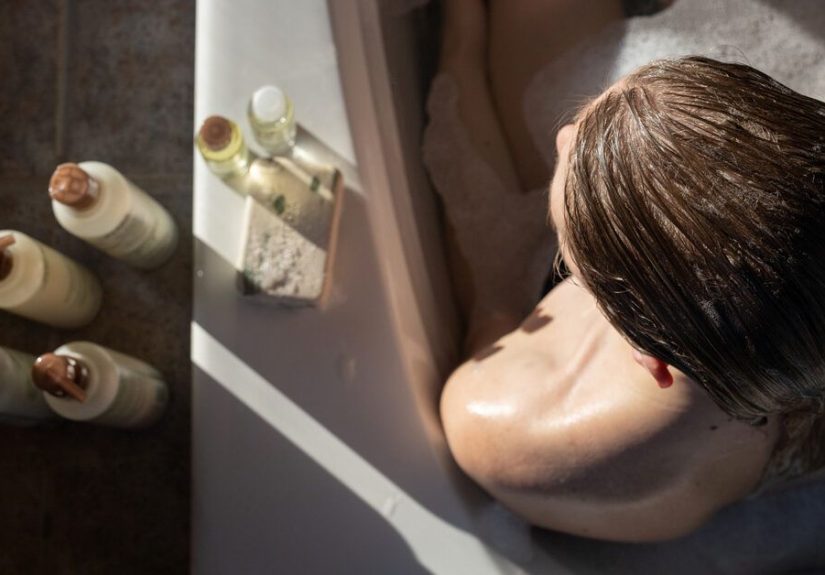
There are two kinds of itchy-skin emergencies: the dramatic kind (you, doing an interpretive dance in front of a fan) and the quiet kind (you, pretending you’re fine while secretly plotting to replace your skin). Either way, when your body feels like it’s been personally offended by pollen, soap, winter air, or that “harmless” new sweater, an oatmeal bath can be one of the gentlest resets you can try.
Not the breakfast-in-the-tub situation, though. We’re talking about colloidal oatmeal: oats ground so finely they disperse in water like a creamy cloud, coating your skin in a soothing film. Used correctly, an oatmeal bath can help calm itch, reduce irritation, and support a healthier skin barrierespecially in conditions like eczema, contact dermatitis, mild rashes, and that classic “why did I touch that plant?” moment.
This guide breaks down why oatmeal baths work, how to do them right, and when they’re worth trying (plus when to skip them and call a pro). Grab your towel. Your skin is about to have a better day.
What Exactly Is an Oatmeal Bath?
An oatmeal bath is a soak where you add oatmealideally colloidal oatmealto lukewarm bathwater so the water turns milky and silky. The goal isn’t exfoliation. It’s comfort. Colloidal oatmeal disperses evenly, letting the helpful parts of oats (starches, beta-glucan, lipids, and plant compounds) interact with your skin during the soak.
Colloidal Oatmeal vs. “Regular” Oats
If you pour normal rolled oats into the tub, they mostly sink, clump, and become a plumbing problem. Colloidal oatmeal is milled into a fine powder that stays suspended in water and can actually coat the skin. Many dermatology-focused recommendations specifically say to use colloidal oatmeal for itch relief rather than tossing in food-grade oats.
How Oatmeal Baths Soothe Skin: The Science (Without the Snooze)
Your skin has a job: keep water in and irritants out. When that job is compromisedby dryness, inflammation, allergies, friction, or harsh productsyour nerve endings start sending “ITCH!” alerts like they’re paid by the notification. Oatmeal baths help in multiple ways at once, which is why they feel so comforting.
1) They Form a Protective, Moisture-Locking Film
Colloidal oatmeal contains starches and beta-glucan that help attract water and create a light barrier on the skin. Think of it as a temporary “soft shell jacket” that reduces water loss and shields irritated areas from more aggravation. This is a big reason oatmeal baths are commonly suggested for dry, itchy skin and eczema-prone skin.
2) They Calm Inflammation (Your Skin’s Overreaction)
Oats contain unique plant compounds called avenanthramides, which have been studied for anti-inflammatory and anti-irritant activity. When your skin is inflamed, it’s not just redit’s chemically activated. Oat compounds may help dial down some of that inflammatory signaling, which can reduce the intensity of itching and irritation.
3) They Support the Skin Barrier (The “Brick Wall” Effect)
Healthy skin barrier function depends on proteins and lipids (including ceramides) arranged like bricks and mortar. When that “mortar” is weak, water escapes and irritants get inhello, tightness and itch. Research on colloidal oatmeal has linked it to improvements in dryness, roughness, scaling, and itch intensity, consistent with better barrier performance over time.
4) They Help With ItchIncluding the “I Can’t Stop Scratching” Loop
Itch triggers scratching. Scratching damages skin. Damaged skin itches more. This is the world’s worst loyalty program. By soothing and moisturizing during a flare, oatmeal baths may help interrupt that cycle. That’s why they’re often mentioned in itch-relief routines for eczema and other rashes.
5) They Feel GoodAnd That Matters
Comfort isn’t “just psychological.” When itch and discomfort drop, people scratch less, sleep better, and heal more smoothly. A lukewarm bath with colloidal oatmeal is a low-stimulation way to give irritated skin a break from friction, heat, and drying air.
What Oatmeal Baths Can Help With (And When to Keep Expectations Realistic)
Eczema and Atopic Dermatitis
Oatmeal baths are commonly used for eczema itch relief and dry, sensitive skin. They’re not a cure, but they can be a useful “support move” alongside a dermatologist-recommended plan (like fragrance-free moisturizers, trigger avoidance, and prescribed treatments when needed).
Contact Dermatitis and Mild Rashes
If your skin is reacting to an irritant (like a harsh soap, detergent, nickel, or certain plants), an oatmeal bath may reduce itching and calm the surface irritation while you remove the trigger and let the skin recover.
Poison Ivy, Oak, or Sumac
For those “I definitely shouldn’t have gone off-trail” moments, oatmeal baths are often listed as a soothing home remedy for poison ivy itch. They won’t neutralize the plant oil already on the skinthat’s why washing exposed areas quickly mattersbut they can help ease the itch while the rash runs its course.
Chickenpox Itch (Kids and Adults)
Oatmeal baths are frequently recommended as a comfort measure for chickenpox itching, often paired with other gentle itch-control steps (like keeping nails short and using calamine as appropriate). The focus here is comfort and reducing scratching to help prevent skin infection.
Hives, Dry Winter Skin, and “Mystery Itch”
When skin is simply dry and reactive (especially in winter), an oatmeal bath can add moisture and reduce itch. For hives, oatmeal can be soothing, but persistent or severe hives should be evaluatedespecially if there’s swelling of lips/face or breathing issues (that’s emergency territory).
How to Take an Oatmeal Bath the Right Way
Here’s the secret: temperature and timing matter as much as the oatmeal.
Step-by-Step (Adult Tub)
- Use lukewarm water. Hot water can worsen dryness and itching.
- Add colloidal oatmeal under running water as the tub fills. This helps it disperse evenly instead of clumping.
- Soak for about 10–15 minutes (a common dermatology guideline for eczema-style soaks). Longer isn’t always betterover-soaking can dry some people out.
- Don’t scrub. Let the water do the work. If you must wash, use a mild, fragrance-free cleanser only where needed.
- Pat dry, don’t rub. Rubbing can re-irritate skin.
- Moisturize immediately (within minutes). This “locks in” hydration and is one of the biggest reasons the bath helps beyond the tub.
Quick Tips for Maximum Relief
- Think “soak + seal.” The bath hydrates; moisturizer seals.
- Choose fragrance-free. Irritated skin often hates perfume with the passion of a thousand suns.
- Keep it gentle afterward. Soft cotton clothing beats scratchy fabrics while you heal.
DIY Colloidal Oatmeal (Yes, You Can Make It)
If you don’t have a store-bought colloidal oatmeal product, you can make a decent DIY version:
- Start with plain, unflavored oats (rolled or quick oats).
- Blend or grind until it becomes a very fine powderfiner than flour.
- Test it: stir a spoonful into warm water. If it turns milky and feels silky (not gritty), you’re close.
- Add the powder to the tub under running water.
Important: DIY oats may not disperse as perfectly as commercial colloidal oatmeal, and some guidance specifically notes that “bathroom-ready” colloidal oatmeal works better than kitchen oats. If you’re dealing with frequent flares, a product designed for bathing is often more consistent (and easier on your drain).
Common Mistakes (AKA How to Turn a Soothing Bath Into an Itch Encore)
Using Hot Water
Hot water can strip oils, increase dryness, and make itch worse. Lukewarm is the sweet spot. Cool is fine too if you’re inflamed.
Skipping Moisturizer Afterward
If you take a perfect oatmeal bath and then air-dry like a rotisserie chicken, you may end up drier than when you started. Pat dry and moisturize promptly.
Adding Bubble Bath, Fragrance, or “Spa Extras”
When skin is angry, it’s not the time for scented bath bombs. Keep it simple: oatmeal + lukewarm water.
Over-Soaking
Long baths can increase water loss afterward for some people. Stick to a reasonable time, especially if you’re eczema-prone.
Safety, Side Effects, and Who Should Be Cautious
Oatmeal baths are generally considered gentle, but “natural” doesn’t automatically mean “for everyone.”
Possible Skin Reactions
- Oat allergy: Rare, but possible. If you react to oats in food or skincare, avoid oatmeal baths.
- Ingredient sensitivity: Some oatmeal bath products contain added fragrance or botanicals. Choose simple, fragrance-free options.
- Slip risk: Oatmeal baths can make tubs slippery. Use a bath mat and move carefully.
Babies and Kids
Oatmeal baths are commonly suggested for children’s itch relief (including chickenpox discomfort) when used appropriately and safely. For infants or children with severe eczema or frequent flares, it’s smart to confirm routines with a pediatricianespecially if there’s broken skin, oozing, or signs of infection.
When to Call a Clinician Instead of Taking Another Bath
- Rash is spreading quickly, painful, or blistering
- Signs of infection: increasing redness, warmth, pus, fever, or crusting that worsens
- Severe swelling, hives with breathing trouble, or facial/lip swelling (emergency)
- Itch and rash persist despite gentle care
- You suspect an allergy trigger you can’t identify
Choosing a Product: What to Look For
When shopping for an oatmeal bath soak or colloidal oatmeal product, prioritize:
- “Colloidal oatmeal” listed clearly (not just “oat extract”)
- Fragrance-free and dye-free
- Simple formulas without lots of extra botanicals if you’re sensitive
- Skin protectant labeling (many colloidal oatmeal products are marketed this way)
Also: if your main problem is persistent eczema, a soak can help, but a daily barrier routine (gentle cleansing + consistent moisturizing + trigger avoidance) usually matters more than any single bath trick.
Putting It All Together: A Simple “Itchy-Skin Rescue” Routine
If your skin is flaring and you want a practical plan that isn’t a 37-step ritual, try this:
- Soak: 10–15 minutes in a lukewarm oatmeal bath.
- Pat dry: Don’t scrub; don’t rub.
- Seal: Apply a fragrance-free moisturizer right away.
- Protect: Wear soft cotton, keep nails short, and avoid the trigger if you know it.
- Escalate if needed: If symptoms are intense or persistent, talk to a healthcare professional.
Real-World Experiences: What People Notice With Oatmeal Baths (500+ Words)
You’ll find oatmeal baths recommended across dermatology clinics, pediatric advice sites, and eczema education groupsbut what does that feel like in real life? Below are common “experience patterns” people report. These are not medical promises, just realistic examples of how oatmeal baths tend to fit into everyday itch management.
Experience #1: “The Itch Volume Turns Down”
Many people describe the first benefit as a simple one: the itch feels less loud. For example, someone with winter-dry legs might notice that the constant low-grade itching eases during the soak and stays calmer for a few hours afterward. The key detail in these stories is what happens after the bath: those who moisturize right away tend to say the relief lasts longer. Those who skip moisturizer often report a reboundskin feels okay in the tub, then tight and itchy again once dry.
Experience #2: Eczema Flares Feel Less “Angry”
People with eczema often describe flares as a combination of itch, heat, tightness, and that sandpapery feeling that makes clothing annoying. In real-world routines, oatmeal baths are rarely the only strategy. Instead, they’re a “support tool” used on tough daysafter exposure to cold wind, after a stressful week, or when a new detergent turns out to be a villain. Many say the bath makes the skin feel less reactive, making it easier to apply moisturizer or prescribed treatments without stinging as much. The bath doesn’t magically erase a flare, but it can make the flare more manageable, which reduces scratching, which helps the skin calm down faster.
Experience #3: Parents Use It as a Bedtime Reset
Parents dealing with itchy kid skin (whether eczema-prone dryness or a temporary rash) often describe oatmeal baths as a bedtime strategy: lukewarm water, short soak, pat dry, then a thick, fragrance-free moisturizer. The “win” here is often sleep. When a child isn’t waking up itchy, the whole household feels the difference. Parents also mention a practical detail: colloidal oatmeal makes the tub slippery, so they use a mat and rinse the tub well afterward. Glamorous? No. Effective? Often, yes.
Experience #4: Chickenpox and “Don’t Scratch” Survival Mode
For chickenpox itch, the big goal is comfort and scratch control. Many caregivers describe using oatmeal baths as part of a multi-step plan: keep nails short, use gentle baths, apply soothing lotions, and keep kids distracted. The bath itself is often described as the one time the itching slows down enough for the child to relax. And because scratching can lead to skin infection, anything that helps reduce scratchingwithout irritating the skin furthergets a gold star from exhausted families.
Experience #5: Poison IvyRelief, Not a Shortcut
With poison ivy, people frequently say oatmeal baths help with the “I can’t focus on anything else” itch. But the more realistic stories include an important nuance: oatmeal baths soothe symptoms; they don’t remove the plant oil (urushiol) once it’s on the skin. That’s why experienced hikers and gardeners emphasize washing exposed skin and clothing quickly, then using soothing strategies like oatmeal baths later for comfort. In other words: oatmeal baths are the calm friend who brings you water and snacksnot the bouncer who kicks poison ivy out of your life.
Experience #6: The Biggest Difference Comes From Doing It Right
Across stories, the biggest “success factors” repeat: lukewarm water (not hot), limited soak time, and immediate moisturizing afterward. People who treat oatmeal baths like a gentle skin-care steprather than a long, steamy spa soaktend to report better results. It’s not dramatic. It’s practical. And honestly, that’s kind of the charm: oatmeal baths are one of the few home remedies that feel low-effort while still being backed by real skin science.
Conclusion
Oatmeal baths are popular for a reason: they’re gentle, accessible, and surprisingly effective at calming itchy, irritated skin when used correctly. Colloidal oatmeal can help by coating the skin, supporting hydration, and reducing the “angry skin” feeling that drives scratching. The best results come from a simple formula: lukewarm soak, pat dry, moisturize immediately. If symptoms are severe, persistent, or show signs of infection, don’t white-knuckle itget medical guidance. Your skin doesn’t need a pep talk. It needs a plan.