


Table of Contents >> Show >> Hide
- What Is Short Sleeper Syndrome (SSS)?
- Causes of Short Sleeper Syndrome
- Symptoms: What Short Sleeper Syndrome Looks Like
- Why Diagnosis Matters (Even If It’s Not a “Disease”)
- Diagnosis: How Clinicians Evaluate Short Sleeper Syndrome
- Is Short Sleeper Syndrome Healthy?
- When to See a Doctor
- Quick FAQ
- Conclusion
- Real-World Experiences: What Short Sleeper Syndrome Can Feel Like (and What It Usually Doesn’t)
Some people treat sleep like a sacred ritual. Others treat it like an app they forgot to update. If you’re regularly clocking 4–6 hours a night and waking up feeling sharp, cheerful, and suspiciously energetic, you might have heard the phrase Short Sleeper Syndrome (SSS). The name makes it sound like a disorder, but the twist is: for true “natural short sleepers,” it’s often more like a built-in feature than a bug.
This article explains what short sleeper syndrome is (and what it isn’t), the likely causes, the most common signs, and how clinicians approach diagnosis. We’ll also cover why most people who sleep 5 hours aren’t “elite sleepers” so much as “regular humans running on fumes,” plus a real-world experiences section at the end that feels like reading your group chat after midnight.
What Is Short Sleeper Syndrome (SSS)?
Short Sleeper Syndrome is commonly used to describe people who naturally need less sleep than averageoften six hours or fewerand still function well without daytime sleepiness or health/attention problems associated with sleep loss. You fall asleep normally, sleep efficiently, wake up on your own, and feel fine. Not “fine for now,” but consistently fine.
You’ll also see related terms like:
- Natural short sleeper (NSS)
- Familial natural short sleep (FNSS), when it runs in families
- Natural short sleep trait (the more accurate vibe)
Important: Natural short sleepers are different from people who sleep less due to insomnia, sleep apnea, stress, parenting, shift work, revenge bedtime procrastination, doomscrolling, or a Netflix autoplay situation that “somehow” turned into sunrise.
Short Sleeper Syndrome vs. Sleep Deprivation: The Big Difference
Here’s the cleanest way to separate the two:
- Natural short sleeper: sleeps less, wakes up refreshed, stays alert, doesn’t “pay it back” on weekends.
- Sleep-deprived person: sleeps less, feels tired or foggy, craves naps/caffeine, mood and performance slip, often tries to catch up later.
If your “superpower” requires three coffees and a lunchtime nap to operate, that’s not short sleeper syndrome. That’s your body filing a complaint.
Causes of Short Sleeper Syndrome
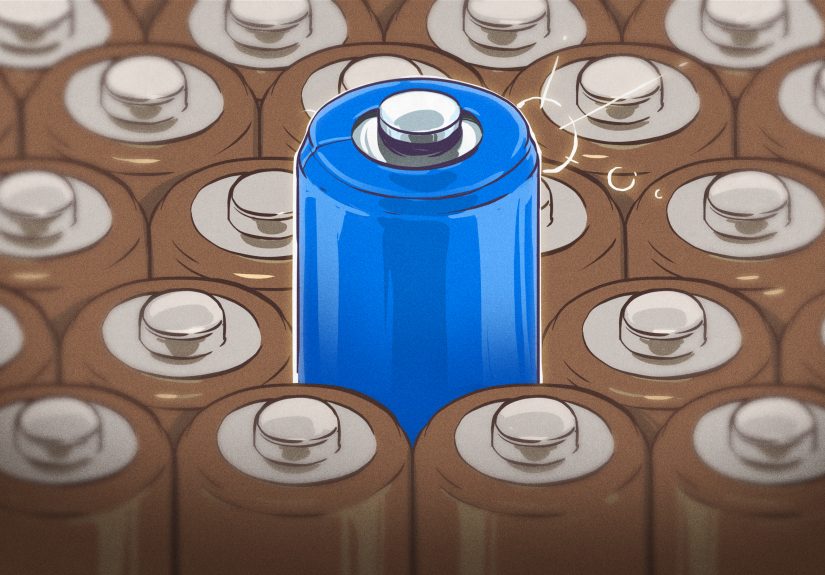
Researchers believe most true short sleepers are wired this way primarily due to genetics. Instead of needing fewer hours because they “trained themselves,” their brains appear to achieve the necessary restorative processes more efficiently.
1) Genetics and the “Short Sleep Gene” Headlines
Several gene variants have been associated with natural short sleep in studied families. You may see these mentioned in scientific and medical summaries:
- BHLHE41 (DEC2) variants
- ADRB1 variants (involved in wakefulness signaling)
- NPSR1 variants (neuropeptide signaling tied to sleep/wake regulation)
- GRM1 and others in ongoing research
One reason the science can feel confusing: sleep duration in the general population is complex and polygenic. That means many genes (plus environment) influence how long we sleep. Some variants have been tied to dramatic effects in specific families, while broader population studies don’t always show the same pattern for everyone who carries those variants. Translation: biology is messy, and sleep is basically biology’s jazz improvisation.
2) Sleep Efficiency: More Recharge per Minute
Think of it like charging a phone:
- Most people are on a standard charger (7–9 hours is the normal full charge).
- Natural short sleepers might be on a fast charger (they hit “fully charged” sooner).
This may involve differences in sleep architecture (how you cycle through non-REM and REM), sleep pressure, and how quickly the brain and body complete overnight maintenance tasks.
3) Lifelong Pattern, Not a New “Phase”
Classic natural short sleep usually appears earlyoften in childhood or adolescenceand stays stable across life. That detail matters because new-onset “I only need 4 hours now!” in adulthood can be a red flag for other issues (more on that in the diagnosis section).
4) Environment Still Matters (Even for Short Sleepers)
Even with a genetic predisposition, lifestyle can shape sleep quality:
- Light exposure (especially morning sunlight)
- Consistent sleep schedule
- Alcohol and late-night heavy meals
- Stress and workload
- Caffeine timing
Natural short sleepers can still feel lousy if their sleep is fragmented or irregular. Being a “short sleeper” doesn’t grant immunity from bad sleep hygieneit just changes how many hours you personally need.
Symptoms: What Short Sleeper Syndrome Looks Like
The hallmark sign is simple: you sleep less and still feel great. But clinicians look for a broader pattern to avoid confusing it with sleep restriction.
Common Signs of a Natural Short Sleeper
- Consistently sleeps about 4–6 hours (sometimes up to ~6.5) even when more time is available
- Wakes up without an alarm and feels refreshed
- No significant daytime sleepiness
- Stable mood and normal cognitive performance
- Little trouble falling asleep or staying asleep
- Doesn’t need “catch-up sleep” on weekends
What You Usually Won’t See in True Short Sleeper Syndrome
- Constant yawning, microsleeps, or nodding off in meetings
- “Second wind” late at night followed by daytime crash
- Memory lapses, irritability, or slower reaction time from chronic sleep loss
- Dependence on stimulants just to feel normal
If those are present, the more likely story is insufficient sleep or another sleep disorder rather than a benign natural short sleep trait.
Why Diagnosis Matters (Even If It’s Not a “Disease”)
You might wonder: if it’s not harmful, why bother diagnosing short sleeper syndrome at all?
Because many people think they’re short sleepers when they’re actually sleep deprivedand chronic insufficient sleep is linked to major health risks for most adults. In the U.S., a large portion of adults report getting less than the recommended amount of sleep, and public health agencies consistently warn about the consequences of too little sleep over time.
So the “diagnosis” is often less about labeling someone as a short sleeper and more about answering a practical question:
Are you genuinely meeting your sleep need, or are you quietly accumulating sleep debt?
Diagnosis: How Clinicians Evaluate Short Sleeper Syndrome
There isn’t one definitive lab test that stamps your chart with “Certified Short Sleeper ✅.” Diagnosis is usually clinicalbased on history, pattern, and ruling out other explanations.
Step 1: A Detailed Sleep History
A provider will typically ask about:
- Typical bedtime/wake time (weekdays vs. weekends)
- How quickly you fall asleep
- Night awakenings
- Daytime energy, focus, mood, and performance
- Napping habits
- Caffeine, alcohol, medications, and substance use
- Work schedule (shift work can mimic unusual sleep patterns)
- Family history of “short sleep”
Step 2: Sleep Diary (Usually 1–2 Weeks)
A sleep diary is low-tech but powerful. You log when you go to bed, when you wake up, awakenings, naps, and how you feel during the day. Natural short sleepers tend to show a stable pattern with good daytime functioning and no rebound sleep.
Step 3: Actigraphy (Wearable Sleep Tracking, Clinician-Grade)
Actigraphy uses a wrist-worn device to estimate sleep/wake patterns over days to weeks. It’s helpful for spotting:
- Hidden naps or fragmented sleep
- Irregular schedules
- Circadian rhythm sleep-wake disorders
Consumer wearables can be a conversation starter, but clinical actigraphy is typically more standardized for evaluation.
Step 4: Rule Out Look-Alikes
This is where clinicians earn their keep. Conditions that can masquerade as “short sleeper syndrome” include:
Insomnia
People with insomnia may sleep 4–6 hours, but they usually want more sleep and feel impaired, worried, or frustrated by sleep. Natural short sleepers usually aren’t lying awake thinking, “Why won’t my brain shut up?”they’re asleep and then… simply awake.
Obstructive Sleep Apnea
Sleep apnea can fragment sleep and reduce restorative quality, leading to daytime fatigue even if time-in-bed seems adequate. Clues include loud snoring, gasping/choking, and morning headaches.
Restless Legs Syndrome / Periodic Limb Movements
These can disrupt sleep quality and cause daytime sleepiness or concentration problems.
Circadian Rhythm Disorders
Some people aren’t short sleepers; they’re just sleeping at a different clock time (like delayed sleep-wake phase). They may sleep “short” on workdays but naturally sleep longer when allowed to follow their own schedule.
Mood Disorders (including mania/hypomania)
A sudden decrease in sleep need paired with racing thoughts, increased risk-taking, or unusually elevated mood can signal a mood episode rather than a benign sleep trait. This is one of the biggest “don’t ignore it” differentials.
Step 5: Sleep Study (Polysomnography), If Needed
There’s no specific polysomnography signature for short sleeper syndrome, but a sleep study may be recommended to check for other disorders (like sleep apnea, parasomnias, narcolepsy, or periodic limb movement disorder) if symptoms suggest them.
Step 6: Genetic Testing (Rarely Necessary)
Genetic testing for natural short sleep variants is not routine. It may be considered in research settings or in unusual clinical scenarios, especially when multiple family members share the same lifelong short sleep pattern. For most people, the practical value is limited because management usually focuses on confirming healthy functioning and excluding other sleep problems.
Is Short Sleeper Syndrome Healthy?
For true natural short sleepers, available medical and research summaries often describe the trait as not associated with the typical negative effects seen in chronic sleep deprivation. The key phrase is “true natural.” For everyone else, sleeping too little can be risky.
If you’re sleeping 5 hours and you feel amazing, consistent, and stablegreat. If you’re sleeping 5 hours and you feel like a haunted Roomba bumping into walls, your body is asking for help.
When to See a Doctor
Consider checking in with a healthcare provider or sleep specialist if you have:
- Daytime sleepiness, fatigue, or brain fog
- Loud snoring, gasping, choking, or witnessed breathing pauses
- Morning headaches or dry mouth
- Mood changes (especially abrupt reduced sleep need with agitation or euphoria)
- New-onset short sleep in adulthood (particularly if it’s sudden)
- Safety concerns (drowsy driving, microsleeps)
Quick FAQ
Can you “train” yourself to have Short Sleeper Syndrome?
Not in the true, biologic sense. You can adapt to less sleep (often poorly), but natural short sleep is typically described as an inherent trait rather than a learned skill.
Do short sleepers live longer?
There’s no simple rule. Many studies about “short sleep duration” and health risks are about people who are sleep deprived, not natural short sleepers. If you’re a natural short sleeper, the usual risk assumptions may not apply the same waybut research is still evolving.
What if I sleep 6 hours and feel fine… most days?
“Most days” is the clue. True natural short sleepers usually feel fine consistently, without needing catch-up sleep, and without performance dips. If you’re borderline, track patterns with a sleep diary and see how you feel during lower-stress weeks vs. high-stress weeks.
Conclusion
Short Sleeper Syndrome sounds like the kind of thing you’d brag about at a partyuntil you realize most people at that party are just chronically sleep deprived and trying to cope with it via espresso and denial.
The real takeaway is this: natural short sleepers exist, and many appear to be genetically wired to need less sleep while staying healthy and sharp. But they’re relatively uncommon. If you’re sleeping 4–6 hours and thriving, you may fit the natural short sleeper profileespecially if it’s lifelong and you don’t experience daytime sleepiness. If you’re sleeping 4–6 hours and struggling, the smarter move isn’t to chase the “short sleeper” label. It’s to look for the real cause and fix it.
Sleep isn’t a moral virtue or a productivity flaw. It’s a biological requirementjust one that comes with a little individual variation. Your goal isn’t to sleep like someone else. It’s to sleep like the best version of you.
Real-World Experiences: What Short Sleeper Syndrome Can Feel Like (and What It Usually Doesn’t)
Let’s talk about the part no chart can capture: the lived experiencewhat people commonly report when they truly are natural short sleepers, and how that experience differs from “I only slept five hours because my brain decided to rehearse every awkward thing I said in 2012.”
The “Wide Awake Before the World” Morning
Many natural short sleepers describe waking up early and automatically, often without an alarm. It’s not a heroic willpower moment. It’s more like their internal system flips the lights on and says, “We’re done here.” They may wake up at 4:45 a.m., feel clearheaded, and start doing normal-life tasksreading, exercising, prepping breakfastwithout resentment.
A common social side effect: everyone else assumes you’re either (a) intensely disciplined, (b) secretly anxious, or (c) auditioning for a motivational poster. Meanwhile you’re just… awake. You might even envy people who can sleep in, the way tall people sometimes envy being able to fit comfortably in airplane seats.
The Weekend Test
One of the most telling real-world “tests” is what happens on weekends or vacations. Natural short sleepers often report that they don’t dramatically extend sleep when they’re free. They may go to bed later for fun, but they still wake up around the same time and don’t feel a strong urge to “catch up.”
Compare that to sleep debt: the first quiet Saturday, you sleep until noon like your mattress is trying to win you back. That rebound sleep is a clue your body needed more than it was getting.
How It Can Affect Relationships
Short sleep can create a “two time zones” household. If your partner needs eight hours and you need five, your evenings might overlap for only a small window. Natural short sleepers often say they become skilled at protecting their partner’s sleepquiet morning routines, separate reading lights, headphones, tiptoeing like a friendly burglar.
There can also be misunderstanding: your partner may worry you’re not getting enough sleep, or assume you’re working too much. A helpful approach is to share patterns (sleep diary data is surprisingly persuasive) and focus on how you feel during the day rather than the number itself.
The Productivity Myth (and the Reality)
Yes, some short sleepers feel like they have “extra hours,” but many report it doesn’t automatically make them superhuman. The extra time can be used for exercise, hobbies, planning, or just enjoying quiet. But it can also create pressurefriends may joke that you should “do more” since you’re awake. Natural short sleepers often learn to set boundaries and not turn their biology into an unpaid internship.
What Natural Short Sleep Usually Doesn’t Feel Like
People who are not natural short sleepers often describe a different set of experiences when they try to live on 4–6 hours:
- Feeling “wired but tired” late at night
- Needing caffeine to reach baseline functioning
- Brain fog, irritability, low patience, or emotional reactivity
- Micro-naps or zoning out during passive tasks
- Sleeping significantly longer when given the chance
If you recognize yourself here, don’t beat yourself up. That’s not failureit’s biology giving honest feedback.
A Practical “Experience-Based” Checklist You Can Try
If you suspect short sleeper syndrome, try this for two weeks:
- Keep a sleep diary (bedtime, wake time, awakenings, naps, daytime energy).
- On at least 2–3 nights per week, give yourself a longer sleep opportunity (earlier bedtime) without forcing it.
- Notice whether you naturally sleep longer, or still wake refreshed at the same short duration.
- Watch for daytime sleepiness, mood shifts, and concentration dips.
This won’t diagnose you officially, but it will give you a clearer narrative to bring to a clinicianespecially if you’re trying to rule out insomnia, circadian issues, or sleep fragmentation from something like sleep apnea.
Bottom line: the “experience” of being a true short sleeper is less about struggling to sleep and more about not needing more. It’s calm, consistent, and remarkably boringwhich, in sleep medicine, is usually a compliment.