Table of Contents >> Show >> Hide
- Telomeres 101: What They Are (and Why Your Cells Are Protective Parents)
- Why Telomeres Shorten Faster in Some People (Hint: It’s Not Just Birthdays)
- Telomere Shortening and Aging: The Cellular “Retirement Plan” You Didn’t Choose
- Telomeres and Cancer: A Two-Act Story with a Plot Twist
- Telomerase: Helpful Enzyme, Dangerous Superpower
- Can You Measure Telomeres (and Should You)?
- How to Avo: Practical Ways to Avoid Accelerating Telomere Shortening
- 1) Don’t smoke (your telomeres are not a fan of bonfires)
- 2) Move your body like it’s part of your job description
- 3) Sleep: the underrated repair window
- 4) Eat for lower inflammation (not for magical telomere pixie dust)
- 5) Manage stress like it’s preventative maintenance, not a luxury
- 6) Be skeptical of “telomere boosters” and “telomerase activators”
- Bottom Line: Telomeres Are a Signal, Not a Single-Button Explanation
- Experiences: What It’s Like to Actually Live “Telomere-Friendly” (and Not Lose Your Mind)
- Conclusion
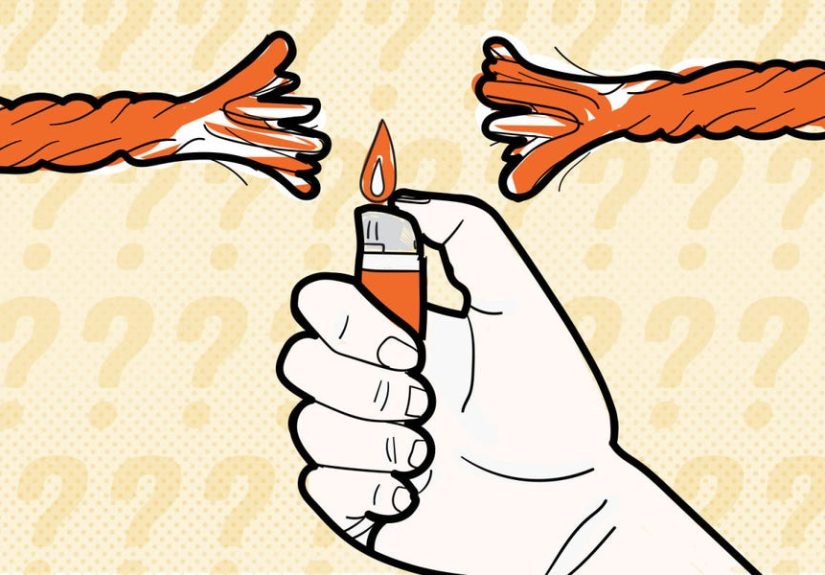
Telomeres are basically the plastic tips on your DNA shoelaces. And just like shoelace tips, they don’t get more charming with age.
Every time a cell divides, those tips fray a little. Eventually, the cell looks at its chromosomes, sees the genetic equivalent of a
mangled hoodie string, and says, “Nope. I’m done.”
Here’s the twist: telomere shortening is tied to two things we all care aboutaging and cancerbut not in a simple “short telomeres = bad”
way. Short telomeres can help stop damaged cells from dividing (good for cancer prevention), yet they can also contribute to tissue wear-and-tear
and inflammation (bad for aging). Meanwhile, many cancer cells “cheat” by turning telomere maintenance back on, so they can keep dividing like
they’re on an unlimited data plan.
This article breaks down what telomeres do, why they shorten, how that connects to aging and cancer, and what you can realistically do to avoid
accelerating telomere losswithout falling for shiny “anti-aging” claims that sound like science but behave like marketing.
Telomeres 101: What They Are (and Why Your Cells Are Protective Parents)
Telomeres are repetitive stretches of DNA that cap the ends of chromosomes. Their job is to protect your important genes from getting damaged
during cell division and to prevent chromosome ends from being mistaken for broken DNA that needs “repair.” In other words, telomeres keep the
genome from turning into a panicked DIY project.
Telomeres aren’t working alone. They’re supported by a set of binding proteins that help form a protective structure at chromosome ends. Think
of this like a hard shell around the tip of a shoelace. The plastic matters, but so does the way it’s attached.
The “End-Replication Problem” (a.k.a. Why Biology Leaves a Little Unfinished Business)
DNA copying is amazing, but it’s not perfect. The machinery that replicates DNA can’t fully copy the very end of a linear chromosome. So with
each division, a tiny bit of telomeric DNA is lost. Over many divisions, telomeres shrink to a critical length.
When telomeres get too short, cells typically enter a state called replicative senescence (a permanent growth arrest) or trigger self-destruct
pathways. This is one of the body’s key quality-control systemsan internal “stop sign” that helps prevent damaged or unstable cells from
multiplying.
Why Telomeres Shorten Faster in Some People (Hint: It’s Not Just Birthdays)
Cell division-driven shortening is the baseline story. But real life adds plot twists. Telomeres also respond to cumulative stressors that
increase DNA damage and inflammation. In many studies, shorter telomeres correlate with higher oxidative stress, chronic inflammation, and
certain long-term exposures.
Key accelerators of telomere wear
- Oxidative stress: Reactive oxygen species can damage DNA, and telomeric regions are especially vulnerable.
- Chronic inflammation: Inflammation increases immune cell turnover and biochemical stress on tissues.
- High cell turnover states: Some tissues naturally divide more often, meaning telomeres face more copying cycles.
- Long-term psychological stress: Often linked to shorter telomeres in observational research, likely through stress-hormone and inflammatory pathways.
- Smoking and metabolic strain: Frequently associated with shorter telomeres in population studies (correlation doesn’t mean destiny, but it’s a consistent pattern).
Important reality check: telomere length varies by tissue, by cell type, and by genetics. Some people start life with longer telomeres; others
inherit shorter ones. Two people can live similarly and still have different measurements.
Telomere Shortening and Aging: The Cellular “Retirement Plan” You Didn’t Choose
Aging isn’t one single mechanism. It’s a stack of interacting processes. Telomere shortening is often described as one “hallmark” because it
can push cells into senescence and limit regenerative capacity. That matters most in tissues that rely on ongoing cell division and repair.
Senescent cells don’t just sit quietly like polite retirees. Many senescent cells produce a cocktail of inflammatory signals and tissue-remodeling
factors. In the short term, this can aid wound healing and tumor suppression. Over the long term, an accumulation of senescent cells may contribute
to chronic inflammation and reduced tissue functionespecially when the immune system becomes less efficient at clearing them.
Short telomere syndromes: a dramatic example
Rare inherited disorders can accelerate telomere shortening from the start, leading to early problems in high-turnover systems such as blood,
lungs, skin, and liver. These conditions help researchers understand how telomere biology can affect aging-like changes and disease riskbecause
biology has a way of making subtle mechanisms painfully obvious when they’re pushed to extremes.
Telomeres and Cancer: A Two-Act Story with a Plot Twist
Telomeres influence cancer risk in a way that can feel almost unfair: the same “shortening” mechanism that helps prevent cancer can also create
conditions that make cancer more likelydepending on timing, context, and whether other safety systems fail.
Act 1: Short telomeres can create genomic chaos
When telomeres become critically short and cells keep dividing anyway (often because tumor-suppressor checkpoints are damaged), chromosome ends can
fuse or break. That promotes chromosomal instabilitya hallmark of early malignant transformation. In this act, telomere dysfunction acts like a
sloppy stapler in a paperwork factory: pages get stuck together, torn apart, and rearranged, and the final “report” is nonsense.
Act 2: Cancer cells “solve” the telomere problem to become effectively immortal
Here’s the part that makes cancer cells annoyingly resourceful: most advanced cancers find a way to maintain telomeres. The most common strategy is
activating telomerase, an enzyme that rebuilds telomeric DNA. A smaller subset uses an alternative pathway called ALT (alternative lengthening of
telomeres), which relies on recombination-based mechanisms rather than telomerase.
This is why telomere biology sits at the center of cancer research: a tumor that can’t maintain telomeres can’t keep dividing indefinitely. So
telomere maintenance becomes both a signature of many cancers and a potential therapeutic target.
Telomerase: Helpful Enzyme, Dangerous Superpower
In many normal adult tissues, telomerase activity is low. That’s not a design flawit’s part of cancer prevention. If most cells could freely
rebuild telomeres forever, a damaged cell would have one less reason to stop dividing.
However, telomerase isn’t “evil.” It’s crucial in certain cell types (like germline cells) and plays roles in stem cell function and tissue
maintenance. The real issue is context: telomerase in a carefully regulated setting supports renewal; telomerase in a genetically unstable cell
supports cancer.
What about telomerase-based therapies?
Researchers have explored strategies such as telomerase inhibitors, telomerase-targeted immunotherapies, and approaches that exploit telomere
dysfunction in tumor cells. The challenge is balance: you want to disrupt cancer’s immortality without wrecking healthy renewal systems.
Translation: this is promising science, but not a DIY project. If you see a supplement promising to “activate telomerase for youth,” that’s a
neon sign screaming, “Please ask hard questions.” Making cells divide longer is not automatically the same thing as making you healthier.
Can You Measure Telomeres (and Should You)?
Telomere testing exists, but interpretation is tricky. Telomere length differs among tissues, and most practical tests use blood cells as a proxy.
Blood is convenient, but your blood’s telomere length can reflect immune turnover, recent illness, stress, sleep, inflammation, and even shifts in
white blood cell populations.
What measurements can (and can’t) tell you
- Can: Provide a rough biomarker associated with aging-related risk in some research contexts.
- Can’t: Predict your exact lifespan, “biological age” with precision, or guarantee disease outcomes.
- Often can’t: Make meaningful year-to-year comparisons unless the method and lab are highly standardized.
Some measurement methods (like certain qPCR approaches) can have reproducibility limitations, and clinical contexts may prefer other validated
techniques for diagnosing true telomere biology disorders. If you’re considering testing, treat it as a conversation starter with a qualified
cliniciannot a verdict from the universe.
How to Avo: Practical Ways to Avoid Accelerating Telomere Shortening
You can’t freeze telomeres in time. And you shouldn’t want tocellular limits help prevent cancer. The smarter goal is to avoid the lifestyle and
metabolic conditions that are consistently linked to faster telomere attrition and chronic inflammation.
1) Don’t smoke (your telomeres are not a fan of bonfires)
Smoking increases oxidative stress and inflammatory burden. If you want a single behavior with broad, evidence-backed benefits for cancer risk,
cardiovascular health, and overall aging trajectories, smoking cessation is one of the biggest levers.
2) Move your body like it’s part of your job description
Large population studies often find that physically active people tend to have longer telomeres on average than sedentary people. Not every trial
shows telomere length increasing (especially over short timeframes), but exercise reliably improves inflammation markers, insulin sensitivity,
vascular function, and stress resiliencethe upstream systems that influence cellular aging.
Aim for a mix of aerobic activity and strength training. If your schedule is chaos, start with consistency over intensity: a daily brisk walk,
two short strength sessions a week, and less sitting time. Think “repeatable,” not “heroic.”
3) Sleep: the underrated repair window
Poor sleep is linked to higher inflammation and metabolic dysregulationconditions associated with accelerated biological aging. You don’t need a
perfect night every night. You need a stable pattern most nights: consistent timing, a dark room, and fewer late-night screens whispering
dopamine into your eyeballs.
4) Eat for lower inflammation (not for magical telomere pixie dust)
Dietary patterns rich in fiber, colorful plants, and healthy fats are consistently associated with better cardiometabolic health and lower
inflammation. The telomere connection is often observational, but the health outcomes aren’t: better blood sugar control, healthier lipids, and
reduced chronic inflammation support healthier aging overall.
Practical approach:
- Build meals around vegetables, legumes, whole grains, nuts, and fruit.
- Choose protein sources that work for you (fish, poultry, beans, tofu, eggs) and keep ultra-processed foods as “sometimes,” not “default.”
- Watch added sugarsnot because sugar is morally bad, but because metabolic strain is biologically expensive.
5) Manage stress like it’s preventative maintenance, not a luxury
Chronic stress is linked in multiple studies to shorter telomeres. The mechanism likely runs through stress hormones, inflammation, sleep disruption,
and health behaviors that get worse when you’re overwhelmed (hello, doom-scrolling dinner).
Stress management doesn’t have to look like incense and a mountaintop. It can be:
- Short daily mindfulness or breathing practices
- Therapy or structured support when life gets heavy
- Regular social connection (your nervous system is a social animal)
- Boundaries with work and devices
6) Be skeptical of “telomere boosters” and “telomerase activators”
Telomere biology is real science. The supplement aisle is… a different ecosystem. There is no mainstream medical consensus that commercially marketed
telomerase-activating supplements safely slow aging or prevent cancer. Because telomerase is a common feature of cancer cells, casually trying to
increase telomerase activity without medical oversight is not a harmless experiment.
Bottom Line: Telomeres Are a Signal, Not a Single-Button Explanation
Telomere shortening is part of normal biology. It contributes to aging by limiting cellular replication and promoting senescence, and it intersects
with cancer risk in a “double-edged sword” waytoo much shortening can promote instability, while too much maintenance can enable malignant cells
to divide indefinitely.
The most evidence-aligned strategy isn’t chasing longer telomeres at any cost. It’s reducing the conditions that accelerate cellular stress:
don’t smoke, move more, sleep better, manage stress, eat in a way that supports metabolic health, and treat chronic disease with appropriate
medical care.
Experiences: What It’s Like to Actually Live “Telomere-Friendly” (and Not Lose Your Mind)
People often come to telomeres the way they come to sunscreen: after they’ve already had a scare, or after a friend sends a terrifying article at
11:47 p.m. The most common experience isn’t “I lengthened my telomeres!” It’s “I realized my daily habits were quietly charging interest on my
health, and I’d like to refinance.”
One pattern shows up again and again: the moment someone stops treating health as a short-term crash course and starts treating it like a system.
For example, a busy professional might try to fix everything with a single dramatic changean intense workout plan, a strict diet, a fancy tracker,
and a schedule so tight it needs its own ZIP code. Two weeks later, life happens, the plan collapses, and the person concludes they’re “bad at
routines.” What actually happened is that the routine was designed for a fictional character with no meetings, no family, and no feelings.
The “telomere-friendly” version of that story looks less glamorous, but it survives contact with reality: a 25-minute walk most days, two short
strength sessions per week, and a bedtime that’s more consistent than your group chat. People report that this approach doesn’t feel like a
transformation at first. It feels boring. Then the boring wins. Energy improves, cravings calm down, mood stabilizes, and the idea of stress
management stops sounding like a joke.
Caregivers often describe a different experience. Their stress isn’t optional, and it isn’t solved by “just relax.” What helps them most tends to
be small, repeatable recovery moments: five minutes of breathing before bed, a weekly support group, or protecting one daily habit that belongs only
to them. Over time, many notice that their sleep becomes less fragile and their immune system seems less reactive (fewer colds, fewer lingering
symptoms). Whether or not telomeres are changing, the upstream biologystress hormones, inflammation, recoveryoften improves in ways they can feel.
Another common experience is the temptation to outsource the whole problem to a pill. Someone sees “telomerase activator” on a label and thinks,
“Perfectscience solved aging.” Then they learn the awkward detail: telomerase is also a favorite tool of cancer cells. The emotional arc is usually
a mix of disappointment and relief. Disappointment because there isn’t a single magic fix. Relief because the real answersmovement, sleep, stress
buffering, nutritionare boring but controllable, and they improve far more than one biomarker.
Some people try telomere testing and describe it as motivating, at least initially. The best outcomes tend to happen when the test is treated like
a rough dashboard reading, not a moral score. If the number is “worse,” it can spark helpful questions: Am I chronically sleep-deprived? Have I been
under intense stress? Did I gain weight or stop moving? If the number is “better,” it can reinforce sustainable habits. The worst outcomes happen
when people interpret a noisy measurement as a prophecyeither spiraling into anxiety or feeling invincible and abandoning healthy routines.
In real life, “telomere-friendly” is usually just “human-friendly.” The experience people describe most often is not a sudden youthfulness. It’s a
quieter shift: fewer days feeling wrecked, more resilience under stress, and a growing trust that small actions repeated over time can actually
change how you age. Not by making you immortaljust by making the ride noticeably less bumpy.
Conclusion
Telomeres are a powerful lens on aging and cancer because they sit at the crossroads of cell division, DNA protection, inflammation, and cellular
“stop” signals. But they aren’t a standalone explanation, and they aren’t a product you can safely “hack” with shortcuts. If you want to “Avo”
accelerating telomere shortening, focus on the fundamentals that reduce chronic stress on your biology: don’t smoke, move consistently, sleep
reliably, eat for metabolic health, and build stress-buffering habits that you can repeat on your worst weeknot just your best.