Table of Contents >> Show >> Hide
- What Are Raised Panel Cabinet Doors, Exactly?
- Raised Panel vs. Other Cabinet Door Styles
- Pros and Cons of Raised Panel Cabinet Doors
- DIY Raised Panel Cabinet Doors, Remodelaholic Style
- Finishing and Painting Raised Panel Cabinet Doors
- Design Ideas with Raised Panel Cabinet Doors
- Maintenance and Care for Raised Panel Doors
- Real-Life Experiences with Raised Panel Cabinet Doors
- Are Raised Panel Cabinet Doors Right for You?
If your kitchen feels a little “meh” but a full gut remodel isn’t in the budget, raised panel cabinet doors might be your new favorite upgrade.
These classic, sculpted doors show up in high-end kitchens, traditional dining rooms, and cozy cottage pantries for a reason: they add depth,
character, and instant “this cost more than it actually did” vibes.
The fun part? You don’t have to buy all-new cabinets to get the look. With a bit of planning and some Remodelaholic-style DIY courage, you can
build or swap in raised panel doors yourself and completely change how your cabinets look and feel.
What Are Raised Panel Cabinet Doors, Exactly?
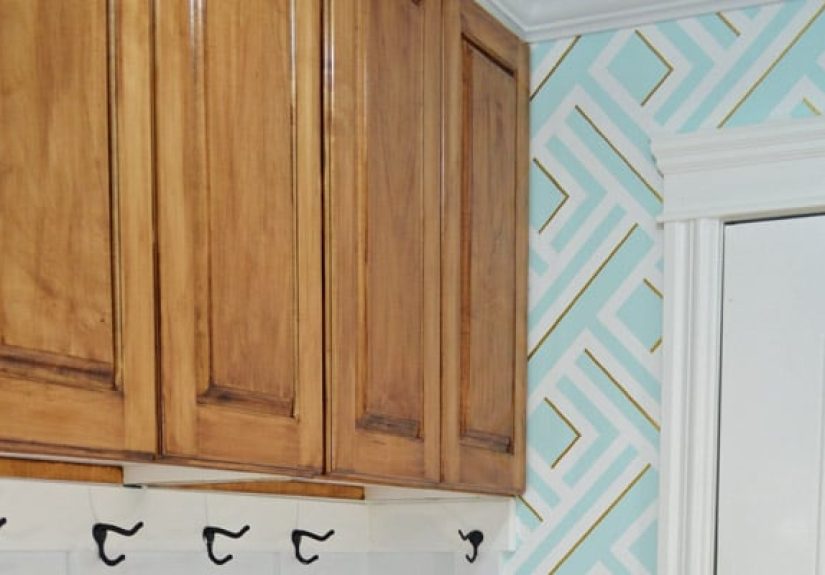
A raised panel cabinet door is usually a five-piece construction: two vertical stiles, two horizontal rails, and a center panel that’s thicker
in the middle and slopes down toward the edges. Instead of a flat, recessed center (like Shaker doors), the panel literally “raises” outward,
creating shadow lines and a more sculpted profile.
That shape gives you:
- Visual depth: The panel profile catches light and creates subtle shadows.
- Traditional style: Think classic, formal, or “forever home” kitchen rather than ultra-minimal loft.
- Design flexibility: The panel can be simple and square, softly arched, or more ornate depending on the router bits used.
Construction-wise, raised panel doors are typically assembled with cope-and-stick joinery or mortise-and-tenon joints connecting the rails and
stiles, while the center panel “floats” inside grooves. That floating panel lets the wood expand and contract with seasonal changes without
cracking or splitting the door frame.
Raised Panel vs. Other Cabinet Door Styles
Shaker vs. Raised Panel
Shaker cabinet doors are the minimalist cousin in the cabinet family: a flat recessed center with a simple rectangular frame. They’re incredibly
popular in modern farmhouse, Scandinavian, and transitional kitchens because they play nicely with almost any color or hardware choice.
Raised panel cabinet doors, on the other hand, lean more traditional and decorative. The extra detailing in the center panel creates a richer,
more formal look that pairs beautifully with crown molding, paneled range hoods, and classic hardware like cup pulls and knobs.
- Choose Shaker if: You prefer clean lines, minimal trim, and a modern or transitional look.
- Choose raised panel if: You love classic styling, want more dimension, or are designing a formal kitchen or dining room.
Raised Panel vs. Flat or Recessed Panel
Flat or recessed panel doors (including many slab styles) are easier to manufacture, often less expensive, and very simple to clean because there
are fewer grooves and edges for dust and grease to hang out in. They’re ideal for contemporary spaces or small kitchens where visual clutter needs
to stay low.
Raised panel cabinet doors add more visual weight. That’s a plus in larger kitchens or open floor plans where you want the cabinets to feel
substantial and grounded. In a tight galley kitchen, though, a very ornate raised profile might feel too busy, so you might choose a simpler
raised profile or combine raised panels on lower cabinets with simpler uppers.
Pros and Cons of Raised Panel Cabinet Doors
Why Homeowners Love Raised Panel Doors
-
Classic, high-end look: Raised panels are a hallmark of traditional custom cabinetry and can instantly elevate builder-grade
boxes. -
Great for layered finishes: Stain and glaze highlight the profiles and bevels, and paint can emphasize the frame-versus-panel
contrast. - Flexible style: The profile can be subtle and almost transitional or deeply sculpted and formalyour router bits decide the vibe.
-
Timeless appeal: Trends come and go, but raised panel doors have been around for centuries and rarely look “dated” when chosen
thoughtfully.
Things to Consider Before Committing
- More to clean: All those grooves, bevels, and inside corners are dust and grease magnets, especially around cooking zones.
-
Higher cost: Compared to very simple slab or flat panel doors, raised panels typically cost more due to the extra material and
machining. - More traditional look: If you prefer starkly modern or ultra-minimal design, raised panel doors may feel too detailed.
- Heavier doors: Depending on thickness and size, raised panel doors can be heavier, so good-quality hinges are a must.
None of these are deal-breakers, but they’re worth considering, especially if you’re DIY-ing the project or planning a long-term “forever kitchen.”
DIY Raised Panel Cabinet Doors, Remodelaholic Style
One of the reasons Remodelaholic’s raised panel cabinet projects are so popular is that they break the process into doable steps. You don’t need a
full shop to get startedjust a solid plan, a router with the right bits, and a healthy respect for safety.
1. Plan Your Door Sizes
Start with your cabinet openings. Measure the width and height of each opening and decide whether your doors will be:
- Overlay: The door sits over the face frame and extends past the opening.
- Inset: The door fits flush inside the frame (beautiful, but less forgiving and more precise).
For a standard overlay, add your desired overlap (often 1/2 inch to 1 inch total in width and height) to the opening size to get your door
dimensions. From there, you can calculate stile and rail lengths and plan your panel size.
2. Gather Materials and Tools
A typical DIY raised panel setup might include:
- 3/4-inch hardwood or high-quality plywood for the frame and panel
- A router table with a fence
- A raised panel bit set (one for the panel profile, one for the rail-and-stile joinery)
- Table saw or circular saw with a guide for cutting stock to width
- Clamps, wood glue, measuring tape, and a square
- Safety gear: eye protection, hearing protection, and push sticks
3. Cut Rails, Stiles, and Panels
Cut your stiles (vertical pieces) to the full height of the door. Cut your rails (horizontal pieces) to length, accounting for the joinery (the
ends will have tongues or tenons that fit into the stiles). Then cut the panel slightly smaller than the space inside the frame so it can float
without binding.
For the raised center, you’ll use the panel bit on your router table. Make multiple shallow passes rather than one deep cutyour router motor,
your nerves, and your fingers will all appreciate it. Always feed the wood against the rotation of the bit and use featherboards or push blocks
for stability.
4. Rout the Joinery
Use your rail-and-stile bits to cut the matching profile and groove into the frame pieces. The groove holds the panel tongue; the profiled edge
creates the decorative inside frame. Dry-fit everything before you even think about glue so you can fine-tune any joints that feel too tight or
sloppy.
5. Assemble the Door
When you’re ready to glue up:
- Apply wood glue only to the frame jointsrails and stilesnot to the panel edges.
- Drop the panel into the grooves so it floats freely.
- Clamp the door snugly, checking for square with a tape measure across diagonals.
Leaving the panel unglued allows it to move with humidity, which helps prevent cracks and seasonal gaps. Once the glue cures, you can refine any
edges with light sanding and prep for finishing.
Finishing and Painting Raised Panel Cabinet Doors
Whether you’re going for stained walnut or crisp white paint, prep is everything. Raised panel cabinet doors have more edges and profiles than
flat doors, so you want to think through your finishing steps ahead of time.
Prep and Prime
- Degrease and clean the surface thoroughly, especially if you’re refinishing existing doors.
- Sand the doors, paying attention to the panel bevels and inside corners.
- Use a quality primer appropriate for your finish (shellac- or stain-blocking primers are great when you’re painting over old stain).
Some woodworkers like to pre-finish the panel or at least seal the panel edges before final assembly so that if the panel shrinks slightly over
time, you won’t see a raw wood line appear along the bevel.
Painting Technique for Paneled Doors
For painted raised panel cabinet doors, work in this order:
- Brush or spray around the panel bevels and any detailed profiles.
- Fill in the panel field (the main flat areas of the panel).
- Finish with the stiles and rails, following the grain.
Using a sprayer can give you that “factory finish,” but a high-quality brush and a leveling enamel paint can still produce beautiful, durable
results if you’re patient and apply thin coats.
Design Ideas with Raised Panel Cabinet Doors
Once you understand how raised panel doors work, the fun really starts: styling them so they feel intentional and updated, not stuck in a
time warp.
Classic All-White Kitchen
White raised panel cabinet doors with simple crown molding and brushed nickel hardware are the design-world definition of “can’t go wrong.”
Add a warm wood floor and a soft gray backsplash, and you get a bright, timeless space that appeals to almost everyone.
Two-Tone Cabinets
Try painting upper cabinets a soft white and lower raised panel cabinet doors a deeper navy, forest green, or charcoal. The raised panels add
depth, so the darker color feels rich instead of heavy. Swap in brass hardware and a natural stone or quartz countertop for a modern classic look.
Stained and Glazed Traditional
If you love the warmth of wood, a medium or dark stained raised panel door with a soft glaze can highlight every bevel and curve. This works
especially well in more formal kitchens, offices, and built-in bookcases.
Maintenance and Care for Raised Panel Doors
Raised panel cabinet doors do require slightly more attention than ultra-flat doors, but basic care keeps them looking sharp for years.
- Regular dusting: Use a microfiber cloth or soft brush to clear dust from grooves and edges before it builds up.
- Gentle cleaning: Mild dish soap and warm water work for most messes. Avoid harsh abrasives that can dull paint or finish.
- Watch the sink zone: Around sinks and dishwashers, wipe up standing water to avoid swelling or damage along bottom rails.
- Check hardware: Heavier doors can loosen hinges over timetighten screws and adjust hinges as needed to keep reveals even.
Real-Life Experiences with Raised Panel Cabinet Doors
On paper, raised panel cabinet doors sound straightforward: measure, cut, rout, assemble, install. In real life, the journey usually includes a
few “learning moments”the kind you laugh about later when you’re admiring your beautiful new kitchen with a cup of coffee.
One of the biggest surprises for many DIYers is how much impact the door profile has on the overall mood of the room. A simple square raised panel
with clean edges looks surprisingly fresh and pairs well with quartz countertops and modern tile. A more ornate cathedral or arch design instantly
pushes the space toward a traditional or even formal feel. People often start with one style in mind, hold the sample in the room, and realize
their house is quietly voting for something simpler.
Another common experience: underestimating the importance of setup on the router table. The first pass with a raised panel bit can be a little
intimidatingthe bit is large, it spins fast, and you’re removing a lot of material. The DIYers who have the best experience almost always report
the same things: they made multiple light passes, they used featherboards or push blocks to keep the stock tight against the fence, and they took
the time to run test pieces before touching their “real” boards. Once they dialed in the setup, the process became almost meditativejust feed,
flip, repeat.
Finishing also teaches a few lessons. Many people start out thinking, “I’ll just slap on some paint this weekend,” only to discover that the
prep work is where the magic happens. Degreasing years of cooking residue, sanding out tiny mill marks, and choosing the right primer all make a
huge difference in whether the final finish looks professional or a little tired. The upside is that once you’ve done it once, you know exactly
how to approach future projectsand you’re far less tempted by cheap, low-quality cabinet doors because you understand what goes into a good one.
There’s also the emotional payoff that doesn’t show up in before-and-after photos: the satisfaction of opening cabinets you transformed yourself.
For many DIYers, the kitchen is the heart of the home, and raised panel cabinet doors become a daily reminder that they tackled a big project and
pulled it off. Guests compliment the “new cabinets,” and you get to smile and say, “Actually, we built the doors and updated the finish.” That mix
of pride, saved money, and a custom look is exactly why Remodelaholic-style tutorials are so beloved in the DIY community.
Finally, people often report that once they’ve done one bank of cabinets, they start seeing possibilities everywhere: bathroom vanities that need
an upgrade, a laundry room that would look amazing with raised panel doors and hooks, or a built-in around the fireplace begging for classic
raised panel fronts. It’s the kind of project that not only changes one room, but also gives you skills and confidence you can reuse all over
the house.
Are Raised Panel Cabinet Doors Right for You?
If you want cabinets that feel substantial, classic, and custom without replacing your entire kitchen, raised panel cabinet doors are a strong
contender. They’re more detailed than flat doors, but with thoughtful design choices and good prep work, they can look fresh and current rather
than fussy or dated.
Whether you order them from a cabinet door supplier or go full Remodelaholic and build your own with a router table and a weekend-or-two of
effort, raised panel cabinet doors can completely transform your space. Add smart color choices, quality hardware, and solid maintenance habits,
and you’ll have a kitchen that looks like it belongs in a magazinewithout taking out a second mortgage to get there.