Table of Contents >> Show >> Hide
- Why These “Funny” Movies Feel Like Horror (If You’re Not the Lead)
- 15 Comedies That Become Horror Movies for the Supporting Cast
- 1) Home Alone (1990)
- 2) Ferris Bueller’s Day Off (1986)
- 3) What About Bob? (1991)
- 4) The Cable Guy (1996)
- 5) Mrs. Doubtfire (1993)
- 6) Mean Girls (2004)
- 7) Groundhog Day (1993)
- 8) The Truman Show (1998)
- 9) Ghostbusters (1984)
- 10) Beetlejuice (1988)
- 11) Dumb and Dumber (1994)
- 12) The Mask (1994)
- 13) Happy Gilmore (1996)
- 14) Step Brothers (2008)
- 15) The Addams Family (1991)
- So What’s the Point?
- of Real-Life “Supporting Character” Experience (Because We’ve All Been There)
- Conclusion
Comedy is all about timing, perspective, and (let’s be honest) someone else’s inconvenience. The hero trips, the crowd laughs. The hero lies, the plot sparkles.
But if you zoom out and follow the “background people”the principals, neighbors, coworkers, exes, waiters, and innocent bystanderssome comedies start to look
less like a good time and more like a slow-motion nightmare with punchlines.
This list is built from a mix of mainstream reviews, film summaries, and pop-culture commentary from well-known U.S.-based outlets (think classic film criticism,
entertainment trades, and movie ranking sites). The goal isn’t to rename these movies “horror” (the lighting budget alone would revolt). It’s to show how many
beloved comedies become borderline thrillers the moment you stop following the lead and start following the people stuck cleaning up the mess.
Why These “Funny” Movies Feel Like Horror (If You’re Not the Lead)
The secret ingredient is a chaos engine: a main character who bends social rules, reality, or basic manners like they’re optional DLC. In a comedy, that’s charming.
In real lifeor from the viewpoint of a supporting characterthat’s terrifying.
- Unstoppable confidence: The protagonist barrels forward, and everyone else becomes a speed bump.
- Authority gets punked: Teachers, bosses, cops, and parents lose control (and dignity) in public.
- Boundaries get deleted: Privacy, personal space, and “please stop calling me” are treated like suggestions.
- Pain becomes a punchline: A pratfall is funny… unless you’re the one falling.
- The world gaslights the victim: Supporting characters react normally, and the movie frames them as uptight.
15 Comedies That Become Horror Movies for the Supporting Cast
1) Home Alone (1990)
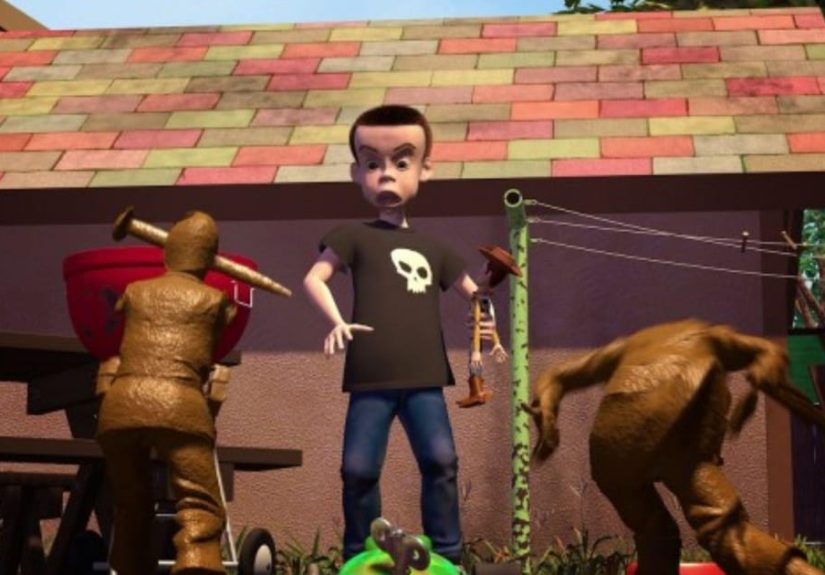
For Kevin, it’s a wish-fulfillment comedy about independence and outsmarting intruders. For the burglars? It’s a booby-trapped house of terrors where every doorknob
is a jump scare and every hallway is a trap corridor. The real horror, though, is for the neighbors and first responders: a quiet suburb that suddenly becomes the set
of a “Why is no adult supervising this?” emergency. If you’re a delivery driver on that block, you’re not dropping off a packageyou’re entering a war zone.
2) Ferris Bueller’s Day Off (1986)
Ferris is a charming folk hero if you’re riding shotgun. But for Principal Rooney, it’s a one-man psychological thriller: the target is always one step ahead, the clues
never stick, and reality itself seems rigged. Add in a break-in, public humiliation, and a student body that treats the authority figure like a cartoon villain, and you’ve
got a full “fall from power” horror arcjust with parade music.
3) What About Bob? (1991)
This is the purest example of “funny for us, horrifying for them.” Dr. Marvin tries to take a vacation; Bob turns it into a relentless invasion. From the family’s point
of view, a stranger worms into their home, wins everyone’s affection, and pushes the household into chaos while the dad spirals. It plays like a domestic thriller where
the monster is relentlessly cheerful, weirdly lovable, and somehow always in the next room.
4) The Cable Guy (1996)
If you’ve ever joked about a “clingy new friend,” this movie says, “What if we took that seriously… and made it darker?” For Steven, it’s a spiral from awkward buddy comedy
into stalking-adjacent dread, social sabotage, and escalating intimidation. For everyone around himfriends, coworkers, a romantic partnerit’s like watching someone get
swallowed by an obsessive force while the world keeps shrugging because the guy is technically “just being friendly.”
5) Mrs. Doubtfire (1993)
Heartwarming? Absolutely. But from Miranda’s perspective, it’s also a “my life is being infiltrated” story: a disguised presence enters the home, gathers intimate access,
and manipulates circumstances to stay close. Even when the movie insists on sweetness, the supporting characters are living through a high-stakes deception where trust and
boundaries get stress-tested daily. It’s not a slashermore like a cozy thriller with pastryand that’s what makes it fascinating.
6) Mean Girls (2004)
As a comedy, it’s sharp, quotable, and painfully observant about social hierarchies. As a horror movie for supporting characters, it’s a survival story: reputations get
shredded overnight, alliances shift without warning, and the “rules” are invisible until you break them. Teachers and parents are basically background extras while the
students navigate a social ecosystem that behaves like a haunted houseexcept the ghosts are gossip, and the doors lock behind you.
7) Groundhog Day (1993)
The premise is funny because Phil can reset everything. But consider the supporting characters as Phil “learns” them: strangers become routines, conversations become scripts,
and people become puzzles to solve. From the outside, he’s a man who knows too much, appears everywhere, and predicts reactions with eerie precision. If you’re the local
waitress or the friendly townie, the vibe can flip from charming to unsettling fastlike you’re trapped in someone else’s experiment.
8) The Truman Show (1998)
It’s satirical, warm, and strangely hopefulbut it’s also existential horror for literally everyone who isn’t Truman. The supporting cast is stuck acting 24/7, terrified of
breaking character, and working inside a giant system built on surveillance and control. Even the “nice” moments become eerie when you realize how many people are being paid to
manufacture them. Flip the perspective, and it’s not quirkyit’s a careful, corporate version of dread.
9) Ghostbusters (1984)
For the Ghostbusters, it’s a startup comedy with proton packs. For New York City’s normal residents, it’s a supernatural disaster movie where the experts are sarcastic, the
government doesn’t listen, and your neighborhood suddenly becomes the epicenter of unexplainable chaos. The humor lands because the leads banter through the danger. But if you’re a
hotel manager, a subway rider, or a person who just wanted a quiet day? You’re living in the “before the credits roll” part of a catastrophe.
10) Beetlejuice (1988)
If you’re Lydia, it’s weirdly comforting. If you’re the Deetz family trying to renovate a home? It’s paranormal harassment with DIY consequences. The Maitlands are kind, but their
haunting attempts would be horrifying to a normal homeowner; Beetlejuice is the chaotic escalation: a walking legal loophole with teeth. This is a comedy where “moving into a new house”
becomes a portal to the nightmare genreonly the nightmare cracks jokes and wears stripes.
11) Dumb and Dumber (1994)
Lloyd and Harry are hilarious because they charge forward with total sincerity and almost no situational awareness. But for every supporting character who crosses their path, it’s a
chain reaction of disasters: botched plans, misunderstood intentions, and collateral damage that keeps multiplying. Imagine being the person who just wanted a normal day at work and
instead got pulled into a tornado of chaos wearing a tuxedo made of confusion.
12) The Mask (1994)
A mild-mannered guy puts on a magical mask and becomes an unstoppable cartoon force. That’s great… unless you’re a regular person in that city. Then you’re watching physics get
rewritten in real time by a green whirlwind who treats reality like a prank. For police, criminals, and bystanders alike, it’s basically: “What if a superpowered trickster dropped
into your street and made every situation escalatewhile you’re still bound by normal human rules?”
13) Happy Gilmore (1996)
Sports comedies love the underdog. But from the golf world’s perspective, Happy is a loud, unpredictable disruptor who storms a quiet, rule-heavy space and turns it into a circus.
The supporting charactersofficials, rivals, sponsors, even spectatorshave to react to someone who doesn’t just break etiquette; he treats etiquette like a personal enemy. If your job
is “maintain order,” this movie is your professional nightmare.
14) Step Brothers (2008)
Two adult children become roommates and declare social war on peace and quiet. For them, it’s a ridiculous friendship story. For their parents, it’s a domestic horror about a household
collapsing into chaos: the constant noise, the sabotage, the emotional immaturity, and the sense that rational conversation has been outlawed. It’s funny because it’s extreme. It’s horror
because everyone else has to keep living there.
15) The Addams Family (1991)
The Addamses are charming because they’re loving, loyal, and cheerfully weird. But to the “normal” characters around themneighbors, con artists, outsidersthis is a gothic fever dream
where the rules of polite society are inverted. The house feels alive, the hobbies are unsettling, and every interaction carries the tension of “Am I about to be hugged… or accidentally
traumatized?” The comedy is the warmth inside the darkness. The horror is being the person who expected normal.
So What’s the Point?
These movies aren’t “secret horror films” because they’re evil. They’re “horror for supporting characters” because comedy often needs friction: someone breaks the system, someone else
panics, and we laugh at the mismatch. When you rewatch with that in mind, you’ll notice how often the funniest scenes are built on a perfectly reasonable supporting character thinking,
“This is not okay,” while the movie cheers, “It’s hilarious, actually!”
of Real-Life “Supporting Character” Experience (Because We’ve All Been There)
You don’t have to fight ghosts or dodge booby traps to understand this trope. Most of us have lived a low-budget version of it: the moment you realize you’re not the main character in
someone else’s “funny story,” you’re the supporting character in their personal comedyand it feels suspiciously like a horror movie called Please Stop.
Think about group projects at school. There’s always one person who treats deadlines like urban legends. To them, it’s comedic improvisation: “Relax, I work best under pressure!”
To everyone else, it’s a suspense film where the clock ticks louder every day. The rest of the group becomes the frantic supporting castmaking spreadsheets, sending reminders,
rewriting slides at midnightwhile the chaos agent strolls in at the last second with a grin and a vaguely helpful meme.
Or consider the “Ferris Bueller” energy in everyday life: the friend who can talk their way out of anything. When you’re with them, it’s fun. When you’re the teacher, the parent, or
the teammate who has to enforce rules? It’s exhausting. You start collecting evidence like a detective because you know something is off, but the world keeps rewarding them for
being charming. You end up feeling like the villain for asking a basic question like, “Could you please do what you said you’d do?”
Customer service is another perfect example. Some people treat everyday errands like a comedy stage: loud jokes, elaborate complaints, dramatic reactions. Their friends laugh. The cashier,
server, or employeeaka the supporting characterjust wants to finish a shift without becoming part of a story that starts with “You won’t believe what I did at the store today…”
The “horror” isn’t danger; it’s the loss of control. You can’t leave the scene, you can’t break character, and you still have to be polite while the main character treats normal rules
like optional side quests.
Even family life has versions of Step Brothers: the household where one person’s “fun” means everyone else’s mess. Maybe it’s the relative who turns every gathering into a
performancepranks, loud opinions, impulsive plans. If you’re laughing, it’s a comedy. If you’re the person cleaning up, calming people down, or trying to keep younger siblings from
copying the chaos, it becomes a tense little thriller called Why Is This My Job?
That’s why these movies are so rewatchable: they take a real social truthhow one person’s comedy can be someone else’s stressand crank it up until it becomes art. The next time a movie
makes you laugh at a harmless-looking disaster, try the perspective flip. Ask: who, in this scene, is silently having the worst day of their life? Congratulations. You’ve found the real
protagonist of the horror version.
Conclusion
The best comedies don’t just tell jokesthey build little worlds where one person’s energy overwhelms the room. And when you rewatch those worlds from the sidelines, you see the hidden
genre shift: the supporting characters aren’t “buzzkills.” They’re the final girls of etiquette, trying to survive another day in a story that refuses to behave.