Table of Contents >> Show >> Hide
- What You’ll Find Inside
- Where Otonali Isand Why Saint-Malo Is the Perfect Stage
- The Izakaya ConceptTranslated for American Brains
- Design and Vibe: Black, Wood, Clay, and a Little Culinary Theater
- What to Eat at Otonali: Brittany on Japanese Rails
- What to Drink: Sake, Natural Wine, and the “Why This Works” Factor
- How to Order at Otonali Without Panic
- Who Otonali Is For (and Who Might Prefer a Galette)
- A Night at Otonali: The Experience ( of “You Are There”)
- Conclusion
If you’ve ever wished your sushi could take a seaside vacationpreferably somewhere with dramatic tides, salty air, and a serious butter gamewelcome to Otonali in Saint-Malo, Brittany. It’s a Japanese-inspired spot that borrows the laid-back spirit of an izakaya (think: “neighborhood bar with snacks,” but prettier), then overlays it with Brittany’s superpower: ridiculously good seafood, buckwheat, and the kind of local pride that can be tasted.
This article breaks down what makes Otonali tickits concept, the menu logic, the Brittany-meets-Japan ingredient chemistry, and how to order like someone who didn’t just Google “what is izakaya” in the taxi.
Where Otonali Isand Why Saint-Malo Is the Perfect Stage
Otonali lives in Saint-Malo, the fortified coastal city on Brittany’s Emerald Coast where the sea breeze behaves like a full-time hair stylist. The restaurant sits on Quai Duguay-Trouin, close to the ramparts, near the train station, and just a few steps from the long sweep of Sillon beachwhich is basically nature’s way of saying, “Yes, you should order oysters.” Saint-Malo is a place built for appetite: fresh air, long walks, and a skyline that makes you want to reward yourself with something fried.
Brittany’s food identity is famously specific. Buckwheat galettes are the savory flag, cider is the default pour, and shellfish is treated like a birthright. Otonali doesn’t fight that. It uses Brittany as the pantry and Japan as the playbook. That’s the magic trick: the restaurant feels Japanese in method and mood, yet undeniably Breton in ingredient soul.
The Izakaya ConceptTranslated for American Brains
An izakaya is the Japanese answer to “Where do we go that everyone likes, no one has to dress up, and we can keep ordering as our opinions evolve?” It’s casual, social, and built around small plates meant for sharing. You don’t commit to one giant entrée and pray. You build a meal like a playlist: a little raw, a little hot, something crunchy, something comforting, then a final track that makes you feel like a genius.
Otonali leans into that rhythm. Dishes arrive as they’re ready; the table becomes a rotating gallery of textures and temperatures. It’s a format that flatters great ingredients because it doesn’t bury them under heavy sauces or unnecessary drama. (The drama, if any, is reserved for the open kitchenmore on that soon.)
Why izakaya works so well in Brittany
Brittany’s best productsoysters, scallops, lobster, crabdon’t need a lot of “help.” They need precision. Japanese technique is basically a love language for precision. When you pair a pristine Breton scallop with Japanese acidity, seaweed, sesame, or dashi logic, it doesn’t feel like fusion for fusion’s sake. It feels like the ingredients finally met someone who listens.
Design and Vibe: Black, Wood, Clay, and a Little Culinary Theater
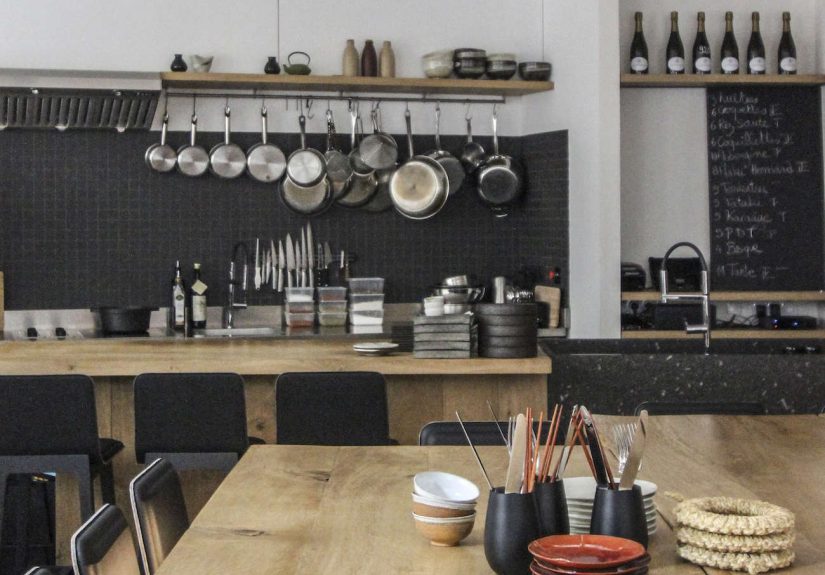
If you enjoy restaurants that look like they were designed by someone who owns both a sharpening stone and a mood board, you’re in luck. Otonali’s interior leans minimalist and earthy: dark tones, wood, clay, and an atmosphere that says, “Relaxyour food is about to be very good, and it knows it.”
The space is anchored by a large open kitchen that puts technique on display without turning dinner into a reality show. There’s also a communal table setup that encourages the izakaya vibe: come with friends, make friends, or at least overhear someone else’s excellent order and quietly copy it.
The design thesis in one line
Otonali feels understated, tactile, and purposefullike a well-made knife: not flashy, but very hard to forget once you’ve used it.
What to Drink: Sake, Natural Wine, and the “Why This Works” Factor
Otonali treats beverages like part of the cuisine, not an afterthought. Expect thoughtful sake options alongside natural winesa pairing philosophy that’s especially smart when you’re dealing with seafood, umami, and subtle seasoning.
Sake pairing, explained without a PhD
Sake often plays beautifully with seafood and umami-forward dishes because it can amplify savory depth without adding harsh tannins. When your plate has briny shellfish, dashi, seaweed, or fermented notes, sake tends to “click” rather than clash. Meanwhile, natural wines can bring liftbright acidity, gentle funk, coastal mineralityespecially when a dish leans fried or rich.
Easy pairing examples you can actually use
- Sashimi / scallops: go for a clean, crisp sake style or a bright white with mineralitylet the ocean speak.
- Foie gras + smoked eel: richer sake styles (or an expressive natural white) help meet the dish’s intensity without yelling.
- Tonkatsu / tempura: a sake with enough body to handle frying, or a high-acid natural wine that cuts through crunch.
- Soba + crab + bonito: something umami-friendly and not too perfumedthink “deep and savory,” not “floral perfume counter.”
How to Order at Otonali Without Panic
The biggest mistake first-timers make at izakaya-style places is ordering like it’s a three-act American steakhouse: appetizer → entrée → dessert. Don’t do that here. Instead, order in waves and adjust based on what you love.
A foolproof ordering blueprint (for 2 people)
- Start cold: sashimi + one “cold dish with a twist” (scallops, lobster/tuna barachirashi, etc.).
- Add crunch: tempura or tonkatsu (pick one, then pretend you’re strong).
- Add depth: soba with crab or a bonito-broth dish for that comforting umami backbone.
- Reset: tsukemono and rice if the table needs balance.
- Finish sweet: matcha Opéra or mochi, then congratulate yourself for being a functional adult.
Bonus tip: if you’re unsure, tell the staff what flavors you lovebright and citrusy, smoky and rich, crunchy and savoryand let them steer. Otonali’s whole identity is “pairing and experience,” so letting them conduct the orchestra is part of the fun.
Who Otonali Is For (and Who Might Prefer a Galette)
Otonali is perfect if you…
- love seafood and want it treated with real precision
- enjoy meals that feel social, flexible, and shareable
- get curious about sake (or already have a favorite bottle)
- appreciate minimalist design and open-kitchen energy
You might choose something else if you…
- want a big, single entrée and a guaranteed predictable timeline
- hate sharing food (respectfully: who hurt you?)
- prefer classic Breton crêperie vibes every night of your trip
A Night at Otonali: The Experience ( of “You Are There”)
Picture Saint-Malo doing what Saint-Malo does best: wind in your face, salt on your lips, and the kind of sky that makes you believe in dramatic lightingespecially if you’re the type who takes photos of food and pretends it’s “for the memories.” You’ve walked the ramparts, watched the tide behave like it has a schedule and a strong personality, and now you’re hungry in the specific way the ocean creates: not “snack hungry,” but “I deserve something excellent” hungry.
Inside Otonali, the vibe shifts from seaside epic to quietly cinematic. Dark tones, wood, and a calm hum of conversation make it feel intimate without being stiff. You’re not in a silent temple of fine dining; you’re in a room designed for people who want to eat well and still laugh. The open kitchen sits there like an honest narrator: no smoke and mirrors, just hands moving with purpose. You don’t need to understand every technique to appreciate the confidence.
The first plates land and the table starts to look like a small, delicious map. Sashimi arrives clean and composedno “Instagram garnish avalanche,” just fish cut with respect. Then scallops appear with wakame and sesame vinaigrette, and suddenly you get the whole Brittany-Japan thesis without anyone giving a TED Talk. The scallop tastes like the sea, the seaweed echoes it, and the sesame note rounds it out like a perfectly timed joke.
You order something fried because you are human. Tempura shows up light enough to make you wonder if the laws of physics were temporarily suspended. A tonkatsu plate followsgolden, crisp, and comfortingpaired with something bright to cut through the richness. This is where the beverage program quietly earns its keep: the right sake or a lively natural wine doesn’t just “go with” the food, it edits the flavors into sharper focus. Crunch feels crunchier, umami feels deeper, and you start saying phrases like, “Wow, that pairing is doing something,” even if you’ve never said that in your life.
Then comes the dish that feels like Brittany and Japan shook hands and meant it: soba with Saint-Malo spider crab, mushrooms, and bonito stock. It’s warm, savory, and layeredlike comfort food that decided to go to culinary school. You eat slower without trying, because your brain is busy filing this under “future cravings.”
Dessert arrives, and you promise you’ll just taste it. Mochi with raspberry and azuki shows up with a tea-like hojicha foam, and suddenly “just one bite” becomes “okay, one more bite,” which becomes “we should probably get another spoon.” You leave Otonali the way the best restaurants send you out: satisfied, slightly smug, and already planning what you’d order next timebecause now you know how the story reads, and you want the sequel.
Conclusion
Otonali isn’t trying to be a theme park version of Japan, and it isn’t ignoring Brittany’s culinary identity either. It’s doing the harder, better thing: taking Brittany’s best ingredients and letting Japanese technique and izakaya culture show them off with clarity, warmth, and a little crunch.
If you’re in Saint-Malo and you want one meal that feels both rooted and surprisinglike the Emerald Coast decided to learn JapaneseOtonali belongs high on your list. Come hungry, order in waves, and let the sea and the sake do what they do best: make everything taste more alive.