Table of Contents >> Show >> Hide
- What You’ll Learn
- First Steps: Confirm What You’re Seeing (Before You Spray Anything)
- Tiny Brown Bug Cheat Sheet (Fast Identification)
- Top Suspects: Identification and What to Do About Each
- 1) Pantry Beetles: Drugstore Beetles & Cigarette Beetles
- 2) Carpet Beetles: Tiny Adults, Hairy Little Larvae
- 3) Booklice (Psocids): Tiny Brown Bugs That Love Humidity
- 4) Springtails: Tiny Jumpers That Scream “Moisture Problem”
- 5) Clover Mites: Tiny Reddish-Brown Specks on Windowsills
- 6) German Cockroach Nymphs: Small, Brown, and Fast
- 7) Bed Bugs: Flat, Brown, and Not Here for the Vibes
- 8) Ticks: Small Brown Hitchhikers (Especially with Pets)
- Removal Plan: The Smart Way to Get Rid of Tiny Brown Bugs
- When to Call a Professional (and Save Your Sanity)
- Real-Life Experiences: What These Tiny Brown Bugs Usually Turn Out to Be (and How People Actually Fix It)
- Experience #1: “They’re in my spice cabinet… please tell me it’s not my whole kitchen.”
- Experience #2: “Tiny brown fuzzy worms near the baseboard… are my clothes in danger?”
- Experience #3: “They’re in the bathroom and they jump. I hate this timeline.”
- Experience #4: “They’re on the windowsill and when I squish them it stains. Fantastic.”
- Experience #5: “I only see them when I turn on the kitchen light… and they run.”
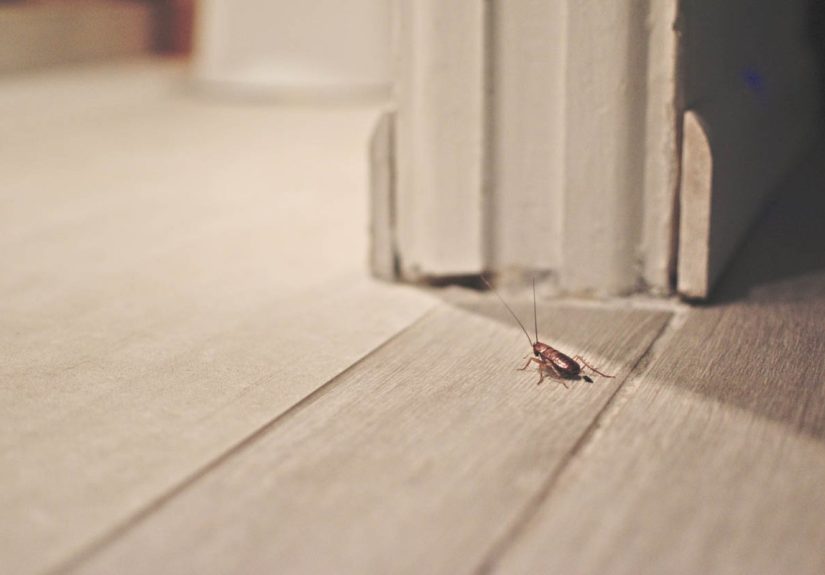
You’re walking to the kitchen in socks like a civilized human, and there it is: a tiny brown bug doing the
world’s smallest victory lap across your floor. Is it harmless? Is it multiplying? Is it planning a hostile
takeover of your pantry?
Take a breath. “Tiny brown bugs” is a broad categorykind of like saying “small cars” or “mysterious smells.”
The good news: most indoor invaders leave clues that make them identifiable (and removable) without turning your
home into a chemical war zone. This guide will help you ID the most common tiny brown house bugs in the U.S. and
kick them out with targeted, practical steps.
First Steps: Confirm What You’re Seeing (Before You Spray Anything)
Most people skip straight to “panic-spray,” which is how you end up with a perfumed living room and the same
bug problem… plus a headache. Instead, do a quick, low-effort investigation:
1) Capture a sample (yes, really)
- Tape method: Press clear tape onto the bug, stick it to a white index card.
- Jar method: Trap it under a cup, slide paper underneath, then into a jar.
- Photo method: Use your phone’s macro mode (or zoom + good light).
2) Note the “big three” clues
- Location: pantry? windowsill? bathroom? bed? baseboards?
- Movement: jumps? crawls slowly? darts fast?
- Body shape: oval beetle? flat “apple-seed” look? hairy larva? tiny speck?
Those three clues narrow the field dramatically and help you choose the right fix. Because the right fix for
“pantry beetle” is not the same as the right fix for “bed bug,” and your future self deserves that distinction.
Tiny Brown Bug Cheat Sheet (Fast Identification)
Use this as your quick “most-likely suspects” list. Then jump to the matching section for targeted removal.
| Where you see them | What they look/act like | Most likely | What it usually means |
|---|---|---|---|
| Pantry, spices, pet food | Tiny reddish-brown beetles (about grain-of-rice-ish) | Drugstore/Cigarette beetles | Infested dry goods |
| Closets, carpets, baseboards | Hairy brown “worm-like” larvae; small mottled adults | Carpet beetles | Lint, pet hair, natural fibers, hidden food sources |
| Bathrooms, sinks, damp basements | Very tiny; may “pop” or jump when disturbed | Springtails | Too much moisture |
| Windowsills, sunny walls | Tiny reddish-brown specks; leave red smear if crushed | Clover mites | Seasonal entry from outdoors |
| Kitchen cracks, under sinks | Fast runners; small brown/tan roaches or darker nymphs | German cockroaches (often nymphs) | Established indoor infestation risk |
| Bed, mattress seams, headboard | Flat, oval, brown; signs like dark spots, shed skins | Bed bugs | Needs prompt, thorough response |
| Bookshelves, stored paper, humid rooms | Tiny pale-to-light-brown insects; slow crawlers | Booklice (psocids) | Humidity and mold/mildew |
| Near pets, bedding, baseboards | Tiny brown “seed ticks”/ticks (vary by life stage) | Ticks (sometimes brown dog tick) | Pet-related; health considerations |
Top Suspects: Identification and What to Do About Each
1) Pantry Beetles: Drugstore Beetles & Cigarette Beetles
If the bugs show up around spices, flour, cereal, rice, pasta, dried herbs, tea, pet food, or
even “we swear we never use that” jars, pantry beetles are prime suspects.
These beetles are small and brownish to reddish-brown, often about a couple millimeters long. Their heads can
look tucked downward, which makes them seem “hunched” from above. They’re famous for turning one overlooked
bag of paprika into a bug buffet.
Common signs
- Small beetles crawling in cabinets or near stored foods
- Powdery “dust” in packaging, tiny holes in cardboard
- Infestation concentrated in one product (then spreading)
Why they’re there
The larvae feed on a wide range of dried plant-based products and can hitchhike in groceries. Once inside,
they thrive in undisturbed packaging and quietly expand their empire.
2) Carpet Beetles: Tiny Adults, Hairy Little Larvae
Carpet beetles are one of the most misunderstood indoor pests because the adults can be tiny and easy to miss,
while the larvae are the ones doing the real damage. Adults are small, oval beetles that can look dark brown
to black or mottled with lighter patches depending on the species. Larvae are often brownish and hairy,
sometimes described as fuzzy, carrot-shaped, or “bristly little lint monsters.”
Where you’ll notice them
- Along baseboards, under furniture, in closets
- Near windows (adults are often drawn to light)
- In stored wool, silk, feathers, felt, or other natural fibers
What they eat
Larvae feed on natural fibers and organic debris like lint, pet hair, dead insects, and crumbs hidden in
quiet corners. That’s why “my house is clean!” can still be true… and carpet beetles can still show up anyway.
3) Booklice (Psocids): Tiny Brown Bugs That Love Humidity
Booklice are tiny (often 1–2 mm), pale to light brown/gray insects found in damp, warm, undisturbed places.
They feed on mold and fungi and often show up in humid rooms, around stored paper, or near pantry items with
moisture issues.
Clues it’s booklice
- They cluster near damp areas or stored cardboard/paper
- You also notice musty smells or condensation
- They don’t bite; they just exist… judgmentally
If you’re seeing a lot of them, the most effective “treatment” is usually lowering humidity and addressing any
mold/mildew sources. Think: dehumidifier, airflow, leak fixes, and cleaning.
4) Springtails: Tiny Jumpers That Scream “Moisture Problem”
Springtails are very small and can appear dark, brown, gray, or black. Some species jump when disturbed (they
have a specialized “spring” mechanism). Indoors, they often gather around sinks, tubs, damp basements,
houseplant soil, and other consistently moist areas.
Clues it’s springtails
- They appear in large numbers near wet spots
- They may hop or “pop” when you poke them
- Outbreaks often follow heavy rain or plumbing leaks
Springtails are usually more nuisance than danger, but they are excellent at pointing out where your home is
staying too wet.
5) Clover Mites: Tiny Reddish-Brown Specks on Windowsills
Clover mites are extremely tinysometimes described as “moving dots.” They tend to show up on sunny walls and
windowsills, especially during seasonal shifts. A classic clue: if crushed, they can leave a rusty red
smear (so… don’t crush them on your white curtains unless you enjoy regret).
Clues it’s clover mites
- They gather near windows and sunny exterior-facing walls
- They don’t bite or reproduce indoors
- They show up in waves (often spring/fall)
6) German Cockroach Nymphs: Small, Brown, and Fast
If your tiny brown bugs are fast and prefer kitchens/bathrooms (especially cracks, under sinks,
behind appliances), cockroach nymphs deserve serious consideration. German cockroaches are a common indoor
species; adults are light brown/tan with distinctive dark stripes behind the head, while nymphs are smaller
and darker and often hide in tight crevices.
Clues it’s roaches
- You spot them at night when lights turn on
- They cluster near moisture and food
- There may be droppings (pepper-like specks) or musty odor
Roaches aren’t a “wait and see” situation. Early action matters because populations scale quickly when
conditions are right.
7) Bed Bugs: Flat, Brown, and Not Here for the Vibes
Bed bugs are not “tiny specks,” but nymphs can be small, and people often describe them as tiny brown bugs at
first. Adults are typically about the size of an apple seed, brown, oval, and flat when unfed. The biggest
giveaway is usually the evidence, not the bug itself.
Common signs
- Rusty/reddish stains on sheets (crushed bugs)
- Dark pinhead-like spots that may bleed into fabric
- Tiny pale eggs/eggshells and shed skins near seams and crevices
If you suspect bed bugs, focus on confirmation and a coordinated plan (DIY efforts can work in limited cases,
but it’s easy to accidentally spread them).
8) Ticks: Small Brown Hitchhikers (Especially with Pets)
Ticks vary by life stage; very small larvae are sometimes called “seed ticks” and can look like tiny brown
dots. If you’re finding tiny brown bugs near pet bedding, baseboards, or on your dog, take it seriously.
Some species (including brown dog tick) can live indoors under the right conditions and have health
considerations.
Clues it’s ticks
- They attach to skin/fur (pets first, sometimes people)
- They’re slower than insects and don’t jump
- Findings cluster around pet resting areas
Removal Plan: The Smart Way to Get Rid of Tiny Brown Bugs
Here’s the core principle: match the solution to the bug’s food and habitat. Most tiny brown
indoor pests are either (1) eating your stored goods, (2) feeding on natural fibers/debris, or (3) thriving
because of moisture. So we’ll tackle those three drivers.
A) Pantry Pests (Drugstore/Cigarette Beetles, Flour Beetles, Weevils)
-
Find the source. Inspect flour, rice, pasta, cereal, spices, tea, dry pet food, bird seed,
nuts, dried flowers/potpourri. Look for insects, webbing, clumps, or powdery residue. - Discard infested items. Seal in a bag before tossing to avoid spreading.
-
Vacuum and wipe shelves. Vacuum cracks/crevices, then wipe with soapy water. Dispose of the
vacuum contents immediately. -
Store smarter. Move dry goods into airtight containers (glass or sturdy plastic). Cardboard
boxes and thin bags are not a fortress; they’re a suggestion. -
Use cold or heat strategically. Freezing certain dry goods can kill hidden life stages; heat
can also help for some items (follow safe food-handling guidance).
Insecticides are rarely needed for pantry pests if you remove the source and clean thoroughly. The goal is
starvation, not chemical theatrics.
B) Carpet Beetles (Adults + Larvae)
-
Deep vacuum like you mean it. Baseboards, under furniture, closet corners, carpet edges,
vents, and anywhere lint collects. Repeat weekly during active periods. -
Launder or dry-clean vulnerable fabrics. Wool, silk, feathers, felt, stored blankets, and
anything with mysterious holes. - Reduce “snack debris.” Lint, pet hair, and dead insects are buffet items for larvae.
- Seal and store. Use garment bags or sealed bins for off-season clothing and textiles.
-
Check hidden sources. Dead insects in light fixtures, old bird/rodent nests near attics or
vents, and rarely moved items can maintain a population.
If damage continues despite cleaning and storage upgrades, targeted crack-and-crevice treatments may helpbut
only after you’ve removed the sources that make your home attractive.
C) Moisture-Lovers (Booklice and Springtails)
- Drop indoor humidity. Aim for comfortable, drier conditions (often under ~50% RH).
- Fix leaks and condensation. Under sinks, around tubs, basements, HVAC drip lines.
- Increase airflow. Fans, bathroom ventilation, and moving items away from walls help.
- Clean mold/mildew. Booklice often follow fungi like a tiny clean-up crew nobody hired.
- Houseplants check. For springtails, let soil dry between waterings and improve drainage.
For these pests, the “removal product” is often a dehumidifier and a wrench. It’s annoyingly unglamorousand
extremely effective.
D) Windowsill Invaders (Clover Mites)
- Vacuum them up. Avoid crushing to prevent stains. Empty the vacuum promptly.
- Seal entry points. Caulk gaps around windows, repair screens, seal tiny cracks.
- Adjust the outdoors. Keep vegetation trimmed away from the foundation; consider a gravel
or mulch buffer strip next to exterior walls.
Clover mites are nuisance pests. Prevention and exclusion are your best long-term wins.
E) Roaches and Bed Bugs: Use a Higher-Precision Approach
German cockroaches respond best to sanitation + exclusion + quality baits placed correctly.
Random spraying can push them deeper into hiding and make the problem harder to solve.
Bed bugs require careful confirmation, isolation of infested items, heat/laundering where
appropriate, and often professional help. “Bug bombs” are generally a bad idea for bed bugs because they can
scatter insects without solving the root problem.
F) Ticks (Especially with Pets)
- Check and treat pets. Use veterinarian-recommended preventatives and inspect regularly.
- Wash pet bedding hot. Dry thoroughly.
- Vacuum floors and edges. Focus on pet resting areas and baseboards.
- Remove ticks safely. If attached, use fine-tipped tweezers and proper technique; consult
reputable health guidance.
If ticks are repeatedly found indoors, you may need professional support and a coordinated pet + home plan.
When to Call a Professional (and Save Your Sanity)
DIY works well for many tiny brown house bugsespecially pantry pests, carpet beetles, springtails, booklice,
and clover mitesbecause you can remove the conditions they need. But consider calling a licensed pest pro when:
- You suspect bed bugs (fast action and proper methods matter).
- You’re seeing German cockroaches regularly (infestations escalate quickly).
- You’re finding ticks indoors repeatedly, especially with pets or bites.
- You can’t identify the pest after basic inspection, or the problem persists after 2–3 weeks of targeted steps.
The goal isn’t to “spray more.” The goal is to solve the problem with the least drama, least exposure, and most
effectiveness.
Real-Life Experiences: What These Tiny Brown Bugs Usually Turn Out to Be (and How People Actually Fix It)
Let’s talk about the part nobody puts in a neat checklist: the lived reality of discovering tiny brown bugs in
your houseusually at the worst possible time, like when guests are coming over or when you’re already having a
week.
Experience #1: “They’re in my spice cabinet… please tell me it’s not my whole kitchen.”
This is the classic pantry beetle storyline. It usually starts with a couple of tiny brown beetles on a shelf,
then escalates to “why are there bugs near the paprika?” The fix is rarely exotic. People succeed when they stop
guessing and start isolating: pull everything out, check every bag/jar/box, and accept that one forgotten item
is probably the mothership. The surprisingly emotional part is throwing things awayespecially the “expensive”
spices. But once the source is gone and shelves are vacuumed and wiped, the beetles typically disappear because
their food supply vanishes. The long-term win is switching to airtight containers so a future hitchhiker can’t
turn your pantry into a franchise.
Experience #2: “Tiny brown fuzzy worms near the baseboard… are my clothes in danger?”
Carpet beetle larvae freak people out because they look like something that should not be indoors (and yet,
there they are, casually existing by your closet). What works in real homes is boring, consistent cleaning:
vacuum edges, under beds, and closet corners on a schedule; wash or dry-clean vulnerable textiles; and reduce
lint and pet hair buildup. Many people discover the larvae aren’t attacking everythingjust the natural-fiber
items stored quietly for months. Once those items are cleaned and sealed, the “mystery damage” tends to stop.
A common “aha” moment is finding the hotspot behind a dresser, under a radiator, or in a closet corner where
lint and hair quietly accumulate like a secret buffet.
Experience #3: “They’re in the bathroom and they jump. I hate this timeline.”
Springtails are often the “jumping specks” people describe. What’s fascinating is how often the fix is a plumbing
or moisture story, not a bug story. People win when they treat springtails as a moisture alarm: fix leaks, dry
out damp zones, clean up mildew, and run the fan longer after showers. In basements, a dehumidifier is frequently
the MVP. The moment the environment becomes less damp, springtails usually fade out on their own because the
conditions that support them disappear. If they’re also in houseplants, letting the soil dry between waterings
and improving drainage can reduce populations quickly.
Experience #4: “They’re on the windowsill and when I squish them it stains. Fantastic.”
Clover mites drive people nuts because they seem to appear out of nowhere and they’re so small you can’t always
tell if you’re imagining movement. The experience-based trick is to stop squishing and start vacuuming. People
do best when they combine indoor cleanup with outdoor prevention: sealing tiny gaps around windows, repairing
screens, and reducing vegetation that touches the foundation. Many homeowners also notice this is seasonalwaves
during transitional weatherso they treat it like a predictable “annual event” and focus on exclusion rather
than endless indoor battles.
Experience #5: “I only see them when I turn on the kitchen light… and they run.”
If the bugs dart fast and hide instantly, people often discover they’re dealing with roaches (sometimes nymphs).
The real-world lesson: random sprays tend to disappoint. Success stories are typically bait-based and strategic:
deep cleaning grease/crumb sources, sealing cracks, reducing water access, and placing quality roach baits where
roaches travel (not where humans prefer to look). When homeowners treat it like a systemfood + water + shelter
results improve dramatically. If sightings continue, pros can speed up the process with better tools and
experience, especially in multi-unit buildings where pests travel between units.
The common thread across these experiences is reassuring: you’re not “dirty” or “failing at adulthood.” Tiny
brown bugs show up because they found food, moisture, or an easy entry point. Once you remove what they need,
most of them leavebecause your home stops being their favorite restaurant.