


Table of Contents >> Show >> Hide
There’s a special kind of math you start doing at a certain age. It’s not taxes (you’re still avoiding that), it’s not
geometry (you’ve blocked that out for your mental health), it’s this:
“Wait… how long ago was 2016?” You do the calculation. You don’t like the answer. You pretend your calculator is broken.
The truth is, “not being young” rarely arrives with a dramatic movie soundtrack. It sneaks in through tiny moments:
a knee that makes a noise it shouldn’t, a new slang word that sounds like a typo, and the horrifying discovery that
your favorite throwback song is now being played in a grocery store… as “easy listening.”
This list is for anyone who’s ever said “they don’t make them like they used to” about something they absolutely did not build themselves.
It’s funny, it’s painfully relatable, and it’s a gentle reminder that getting older isn’t a tragedyit’s just a series of
increasingly specific preferences (mostly about seating and temperature).
Why These Moments Hit So Hard
Feeling “not young” isn’t just about birthdays. It’s about contrastbetween how you think you operate and what reality
just proved in public. Some changes are physical: bodies lose a little strength and flexibility with time, recovery takes longer,
and joints can feel stiff after resting (especially in the morning). Other changes are sensory: eyes struggle more with close-up text,
hearing can get fuzzier in noisy rooms, and your brain sometimes needs an extra second to pull a name out of the memory drawer.
Then there’s culture. The world keeps updating, apps keep redesigning, and suddenly you’re standing in the metaphorical doorway
like, “Where did the ‘skip intro’ button go and why is everything a subscription?”
None of this means you’re “old.” It means you’ve logged enough life experience to notice patternsand to recognize that the best chair at the party
is the one with back support and a reasonable distance from the speaker.
The 50 Moments
Body and Energy Plot Twists
-
You make a sound when you sit down… and another sound when you stand up.
Not on purpose. Your body just started adding “sound effects” like it’s a low-budget action movie. -
You “warm up” for things that are not exercise.
Getting out of bed. Reaching for the top shelf. Turning your head too fast. Congratulations on your new pregame routine. -
Your knee cracks and you check the room like someone else did it.
Nobody reacts. That’s how you know it’s normal now. -
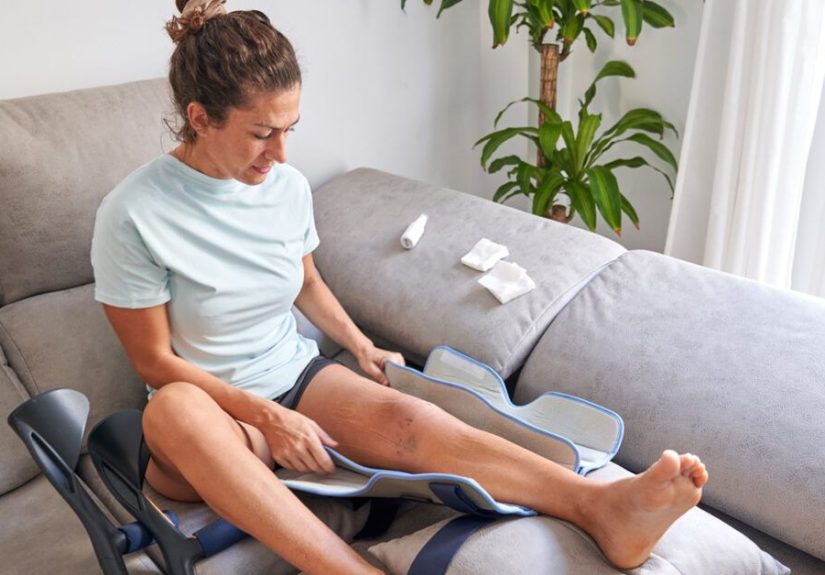
You injure yourself sleeping.
Not skydiving. Not wrestling a bear. Sleeping. The most stationary activity available. -
You miss the days when you could “bounce back.”
Now you “recover strategically,” which includes hydration, stretching, and canceling plans with pride. -
You start reading ingredient labels like they’re suspense novels.
“Added sugar” appears and you gasp softly, as if the villain just entered the scene. -
You get excited about socks.
Not trendy socks. Comfortable socks. Socks that don’t fight your ankles. Socks that understand you. -
You have a favorite pain-relief product.
And it’s not even dramatic. It’s just… dependable. Like your best friend, but minty. -
You need a “good” pillow like it’s a medical device.
You don’t want luxury. You want spinal alignment and a warranty. -
You consider naps a legitimate hobby.
You don’t “fall asleep.” You “recharge.” You “reset.” You “restore factory settings.” -
You lift something and immediately regret the narrative you told yourself about being strong.
You weren’t “fine.” You were optimistic. -
You start planning around bathrooms.
This isn’t fear. It’s wisdom. It’s logistics. It’s leadership. -
You discover the true meaning of “sleep schedule.”
It’s not a suggestion. It’s a treaty your body negotiated without asking you. -
You get sore from “being busy.”
You didn’t run a marathon. You ran errands. Your legs file a complaint anyway. -
You realize your metabolism no longer runs on vibes.
You can’t eat “whatever” and wake up victorious. Now your body keeps receipts.
Vision, Hearing, and the Sneaky Sensory Updates
-
You hold your phone farther away like you’re trying to take a respectful photo of it.
The text isn’t blurry; your arms are just suddenly “reading tools.” -
You buy reading glasses “just for emergencies.”
The emergency becomes daily life. The glasses multiply. One pair lives in every room like tiny helpful pets. -
You turn the TV up… then down… then up again.
You don’t need it loud. You need it clear. This is an audio negotiation. -
Restaurants become acoustic obstacle courses.
In a loud room, you nod thoughtfully while guessing 40% of what’s being said. You are basically a diplomat. -
You start caring about lighting.
Dim mood lighting used to be “romantic.” Now it’s “hostile to reading menus.” -
You discover that tiny fonts are a personal attack.
If the label requires squinting, it’s not design. It’s aggression. -
You forget a word mid-sentence and replace it with interpretive hand gestures.
Everyone understands anyway because they’ve started doing it too. -
You walk into a room and forget why you’re there.
You stand still, hoping the Wi-Fi reconnects. Sometimes it does. Sometimes you just leave with dignity. -
You take “regular checkups” seriously.
Not because you’re scaredbecause you’ve learned prevention is cheaper than drama. -
You own at least one thing that helps you “see better,” “hear better,” or “sit better.”
And you’re not embarrassed. You’re upgraded.
Tech and Pop Culture Whiplash
-
You say “I’ll just Google it,” then realize kids don’t say that anymore.
They “search,” they “look it up,” or they ask a robot. You are still loyal to your verbs. -
A new app launches and you instantly feel tired.
Not curious. Not excited. Tired. Your spirit whispers, “I can’t learn another interface.” -
You update your phone and everything moves.
The icons didn’t need to relocate. They had jobs. They had families. -
You start saying “back in my day” and it comes out naturally.
Not as a joke. As a sentence with evidence. -
Your favorite songs are now “classic.”
You don’t feel classic. You feel like someone made a mistake in the playlist category. -
You watch a “throwback” movie and realize you’re older than the parents.
Suddenly the mom’s stress makes sense, and that’s the real plot twist. -
You don’t recognize half the celebrities in a trending-news headline.
You try to care. Your brain chooses peace instead. -
You hear slang and have to decide whether to ask what it means.
You weigh the options: curiosity vs. dignity. Often you choose dignity and quietly learn later. -
You see a teen using a phone at warp speed and feel like you’re watching a magician.
They’re not faster. They’re just fearless. They tap “Allow” without reading anything. -
You become the person who says, “I don’t want my data tracked.”
Young-you would’ve traded your privacy for a free sticker. Current-you wants settings, controls, and revenge.
Work, Money, and Adulting Level-Ups
-
You start appreciating “a stable job” in a way that feels spiritual.
Excitement is nice. Benefits are holy. -
You get excited about a good vacuum.
Not because it’s fun. Because it works. And you’ve seen enough chaos to value competence. -
You become the person who brings snacks “just in case.”
You used to survive on vibes. Now you pack almonds like you’re crossing the desert. -
You schedule hangouts two weeks in advance.
Spontaneity didn’t die. It got outbid by calendars and recovery time. -
You understand why people love spreadsheets.
Control. Clarity. A little thrill when formulas work. It’s not boringit’s power. -
You stop buying things because they’re “cool” and start buying things because they’re “useful.”
A purchase that reduces stress is the new flex. -
You pay for convenience and feel zero guilt.
Delivery fees? That’s the “I value my time” tax. -
You start saying “Let’s circle back” unironically.
You hate that you said it. You also mean it. -
You have opinions about interest rates.
The day you start reading financial news on purpose is the day youth officially leaves the building. -
You discover the joy of leaving early.
Not storming out. Not missing fun. Leaving early like a champion who knows tomorrow exists.
Social Life, Family, and Time Travel
-
You make a noise when you get up from the couch and someone asks, “You okay?”
You are okay. That’s just your “transition sound.” -
You see people your age with kids who can drive.
Not toddlers. Not little kids. Drivers. You stare into the middle distance and whisper, “How.” -
You become the “responsible one” in your friend group.
Not by choice. By default. Because someone has to bring water. -
You get called “ma’am” or “sir” and it hits like a notification you can’t swipe away.
It’s polite. It’s respectful. It’s still emotionally loud. -
You remember when your parents were your age… and you suddenly respect them more.
They weren’t “older.” They were just doing life with less technology and more pure willpower.
How to Laugh About It Without Feeling Bad
The funny part about these moments is that they’re not proof you’re “done.” They’re proof you’re adapting.
Bodies change, senses change, priorities change. That’s not declineit’s a shift in strategy.
You don’t need to chase youth. You just need to keep your life interesting.
- Stay strong on purpose. Movement helps your future self. Think “maintenance,” not punishment.
- Get curious again. Learn a new app, new recipe, new hobbyanything that keeps your brain playful.
- Protect your sleep like it’s a VIP ticket. Sleep is where you repair and reboot.
- Do the checkups. Eyes, ears, jointsearly attention beats late panic.
- Keep your people. Friendships are the cheat code for feeling alive at any age.
Extra : Little Experiences That Quietly Prove Time Is Real
Imagine you’re at a store buying something completely normalpaper towels, shampoo, maybe a snack you swear is “for later.”
A song comes on. Your song. The one you remember playing in the car when you were convinced your life was a coming-of-age movie.
You smile… until you notice the speakers are playing it at the exact volume used for customer calmness.
Not “party.” Not “hype.” Calm. Like the store is saying, “Here you go, dearyour nostalgia, but in soft lighting.”
Another day, you’re texting someone and you catch yourself typing a full sentence with punctuation.
Not because you’re mad. Not because it’s formal. Because it looks better. Cleaner. Mature.
Then you realize the person you’re texting just replied with one word and an emoji that appears to be a melting face.
You don’t know what it means, but it feels vaguely judgmental. You stare at it like it’s a museum exhibit:
“Early 2020s Communication Artifact.”
There’s also the “body surprise” moments. Like when you wake up and your shoulder feels like it filed for early retirement.
You didn’t fall. You didn’t lift anything heroic. You sleptpeacefully, even. Yet here you are, moving like a cautious robot.
You begin the day negotiating with your joints the way you negotiate with customer service:
polite, patient, and ready to escalate if necessary.
Or picture yourself getting ready to go out. Not for a huge event. Just a normal plan: dinner, a movie, seeing friends.
You’re excited! You put on clothes that used to feel effortless. Then you notice a tiny detail:
the shoes are “cute,” but not “late-night standing in line” cute. You pause. You switch to more comfortable shoes.
Not because you’ve given upbecause you’re playing chess, not checkers.
That’s what adulthood becomes: choosing footwear like a person who respects tomorrow.
The biggest “I’m not young” experience, though, might be this: the growing love of simple wins.
A clean kitchen. A full tank of gas. A good playlist that doesn’t require new accounts.
You stop needing every day to be a story and start appreciating days that feel… steady.
And in a weird way, that’s the glow-up no one warns you about:
the moment you realize peace is more exciting than chaos ever was.
Conclusion
If any of these moments made you laugh, wince, or whisper “stop, that’s literally me,” welcome to the club.
Realizing you’re no longer young isn’t a lossit’s a shift from speed to wisdom, from impulse to intention,
from “I’ll be fine” to “Let me stretch first.”
And honestly? There’s something kind of powerful about knowing yourself well enough to say,
“No, I don’t want to stay out late,” and meaning it in the happiest way possible.