



Table of Contents >> Show >> Hide
- Understanding Heart Disease and Why Lifestyle Still Matters
- Heart-Healthy Eating: What “Eating Right” Really Looks Like
- Practical Heart-Healthy Meal Ideas
- Exercising Safely With Heart Disease
- Cardiac Rehab: Your Secret Weapon
- Mindset, Motivation, and Real Life
- Real-Life Experiences: What Living Heart-Healthy Really Feels Like
- Bringing It All Together
If you’re living with heart disease, you already know this: your heart has opinions. Eat too heavy, sit too long, forget your meds, and it will let you knowsometimes loudly. The good news is that eating right and exercising with heart disease is absolutely possible, and for many people, it’s one of the most powerful ways to protect the heart you’ve got.
This guide breaks down how to build a heart-healthy diet, how to move safely, and how to turn “doctor’s orders” into everyday habits that actually fit your real life. We’ll be practical, evidence-based, and just a tiny bit funnybecause lifestyle change is a lot easier when it doesn’t feel like punishment.
Understanding Heart Disease and Why Lifestyle Still Matters
“Heart disease” is a big umbrella term. It can mean coronary artery disease, previous heart attack, heart failure, arrhythmias, valve problems, or a mix of all of the above. Whatever your specific diagnosis, lifestyle still mattersoften as much as your prescriptions.
Research from organizations like the American Heart Association (AHA), CDC, and major medical centers consistently shows that a heart-healthy diet plus regular physical activity can help improve blood pressure, cholesterol, blood sugar, weight management, and overall quality of life in people with heart disease.
One important disclaimer: this article is general education, not medical advice. Always check with your cardiologist or primary care provider before changing how you eat or exercise, especially if you’ve recently had a heart attack, surgery, or new symptoms.
Heart-Healthy Eating: What “Eating Right” Really Looks Like
Most heart-healthy diets have the same basic theme: more plants, less junk, smart fats, and sensible portions. Different styleslike the Mediterranean diet or DASH-style eatingare really variations on that same tune.
Build Your Plate Around Plants
Fruits and vegetables are the headliners of a heart-healthy diet. They’re packed with fiber, antioxidants, potassium, and a long list of plant compounds that help support blood vessels and reduce inflammation.
- Aim for at least 4–5 servings of vegetables and 4–5 servings of fruit per day (yes, your mom was right).
- Use color as a shortcut: leafy greens, orange squash, red berries, purple grapes, yellow peppers.
- Frozen fruits and veggies are excellent if rinsed or chosen without added sugar and heavy sauces.
Choose Smart Fats, Not No Fat
Fat isn’t the enemy; the type and amount matter. Studies and guidelines emphasize limiting saturated and trans fats and focusing on unsaturated fats from plants and fish.
- Go for: olive, canola, safflower, or sunflower oil; nuts and seeds; avocados; fatty fish like salmon or trout.
- Limit: butter, lard, coconut and palm oil, high-fat red meats, full-fat cheeses, and fried foods.
- Aim for fish at least 2 times per week for omega-3 fats, which may help lower triglycerides and support heart rhythm.
Be Picky About Carbs
Carbohydrates are not all created equal. Whole grains provide fiber that helps lower LDL (“bad”) cholesterol and supports healthy weight management.
- Choose: oatmeal, whole-wheat bread or pasta, brown rice, quinoa, barley, farro.
- Limit: white bread, pastries, sweetened cereals, sugary snacks, and drinks.
Protein Without the Drama
Protein keeps you full and helps maintain muscle, but certain sources bring a lot of saturated fat and sodium along for the ride.
- Better protein choices: beans, lentils, tofu, skinless poultry, fish, eggs, and low-fat dairy.
- OK in moderation: lean, unprocessed cuts of beef or pork (think “loin” or “round”).
- Go easy on: bacon, sausage, deli meats, hot dogs, and other processed meatsthey’re often high in salt and saturated fat.
Salt, Sugar, and Alcohol: The Sneaky Trio
Too much sodium raises blood pressure, added sugars contribute to weight gain and high triglycerides, and alcohol can raise blood pressure and interact with medications.
- Sodium: many heart disease guidelines recommend aiming for no more than 1,500–2,300 mg of sodium per day, depending on your doctor’s advice.
- Added sugar: treat sweet drinks, candies, and desserts as occasional treats, not daily staples.
- Alcohol: if you drink, follow your doctor’s guidance. For many people with heart disease, cutting back or avoiding alcohol is safest.
Practical Heart-Healthy Meal Ideas
Knowing what to eat is one thing; actually getting it on the plate between work, stress, and maybe a grandkid or two is another story. Here are simple, realistic ideas that fit heart-healthy eating into busy days.
Sample Heart-Healthy Day
- Breakfast: Oatmeal cooked with low-fat milk, topped with blueberries and a sprinkle of walnuts. Side of unsweetened tea or coffee.
- Snack: A small apple with a tablespoon of peanut butter.
- Lunch: Salad with mixed greens, cherry tomatoes, chickpeas, cucumbers, a little feta, and olive-oil–based vinaigrette. Whole-grain roll on the side.
- Snack: Carrot sticks and hummus.
- Dinner: Baked salmon, quinoa, and roasted broccoli with olive oil and garlic.
- Evening treat: A small bowl of fresh or frozen berries.
Notice what’s missing? No extreme rules, no fancy powders, no “never eat this again.” Just balanced, sensible food that your heart and your tastebuds can live with.
Exercising Safely With Heart Disease
Exercise is one of the most powerful tools you havebut it’s also the one that worries people the most. “What if I push too hard?” “What if I trigger symptoms?” Those are valid fears. The solution is not to avoid movement, but to exercise in a smart, structured way.
Step One: Get Medical Clearance
Before you change your activity level, talk with your cardiologist or healthcare team. They can:
- Review your diagnosis, tests, and ejection fraction (if you have heart failure).
- Adjust medications that affect heart rate or blood pressure.
- Recommend whether you should start in a supervised cardiac rehabilitation program.
How Much Exercise Is Safe?
For most adults, major organizations like the American Heart Association and CDC recommend at least 150 minutes of moderate-intensity aerobic activity per week, or 75 minutes of vigorous activity, plus 2 days of strength training.
If you have heart disease, you may need to build up to those goals gradually. A typical progression might look like:
- Start with 5–10 minutes of gentle walking most days.
- Add 1–2 minutes every few days if you feel well.
- Work toward 20–30 minutes per session, most days of the week.
Research shows even light to moderate activity can help lower blood pressure, improve cholesterol, and reduce cardiovascular riskespecially if you’re currently sedentary.
The Best Types of Exercise With Heart Disease
Generally, the safest and most helpful activities are those that keep your heart working steadily rather than spiking suddenly.
- Walking: the all-time championlow cost, easy to start, and easy to pace.
- Stationary cycling: easier on the joints and allows precise control of intensity.
- Swimming or water aerobics: gentle on joints and can be great for older adults.
- Light dancing, easy jogging (if allowed), or low-impact classes: fun and social, which makes them easier to stick with.
Short bursts of more intense activitylike climbing stairs a little fastermay benefit some people, but should only be added if your medical team agrees.
Strength Training and Flexibility
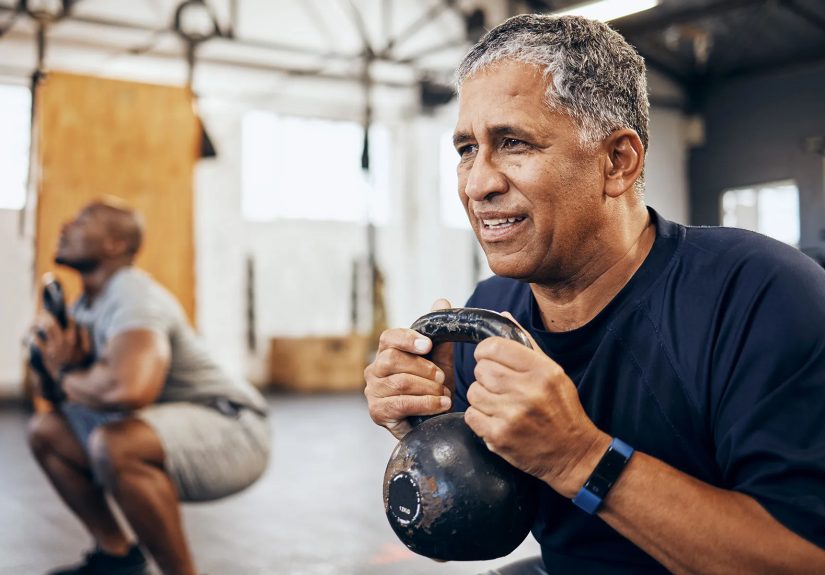
Muscle-strengthening exercises help you stay independent, maintain metabolism, and support joints. For people with heart disease, think “gentle and controlled,” not “compete with the bodybuilders.”
- Use light dumbbells, resistance bands, or bodyweight.
- Aim for 1–2 sets of 10–15 repetitions of major muscle groups, 2 days per week.
- Breathe continuouslydon’t hold your breath while lifting, as this can spike blood pressure.
Stretching, yoga, and balance exercises are also helpful and can double as stress management, which your heart will appreciate.
Warning Signs to Stop Immediately
While moving, stop and seek medical help if you experience:
- Chest pain, pressure, or tightness.
- Shortness of breath that’s worse than usual or doesn’t improve with rest.
- Dizziness, faintness, or feeling like you might pass out.
- Palpitations or a racing heart that feels different from normal exertion.
- Unusual swelling, sudden weight gain, or extreme fatigue (especially in heart failure).
When in doubt, call your healthcare team. “Better safe than sorry” is an excellent heart-health motto.
Cardiac Rehab: Your Secret Weapon
If you’ve had a heart attack, heart surgery, stent placement, or heart failure, ask your doctor about cardiac rehabilitation. It’s a medically supervised program that combines exercise training, nutrition guidance, stress management, and education.
In cardiac rehab, you exercise on treadmills or bikes while your heart rhythm, blood pressure, and symptoms are monitored. You learn how to:
- Recognize safe vs. unsafe levels of exertion.
- Adjust exercises as your heart gets stronger.
- Plan heart-healthy meals that match your preferences and culture.
- Manage stress, sleep, and medications.
Think of cardiac rehab as “training wheels” for your new lifestyle. Once you complete the program, you’ll feel more confident exercising on your own.
Mindset, Motivation, and Real Life
Let’s be honest: changing how you eat and move isn’t just a medical projectit’s an emotional one. You might feel angry about having heart disease, scared to push yourself, or just plain tired of thinking about your heart all the time.
Here are a few mindset shifts that help many people stick with heart-healthy habits:
- Focus on what you’re adding, not only what you’re cutting. More color on your plate, more walks in fresh air, more energy to play with grandkids.
- Start small and celebrate “wins.” Choosing water instead of soda or walking 5 extra minutes absolutely counts.
- Recruit teammates. Family members, friends, or support groups can walk with you, cook with you, and keep you accountable.
- Expect setbacks. You’ll have days when you eat like a teenager at a county fair. That’s life. Reset at the very next meal.
Real-Life Experiences: What Living Heart-Healthy Really Feels Like
Guidelines are nice, but what does it look like when real people with heart disease try to eat right and exercise? While every person’s story is different, there are common patterns in how people describe their experiences.
The First Weeks: “I’m Nervous, but I’m Doing It Anyway”
Many people start this journey feeling anxious. After a heart attack or new diagnosis, even climbing the stairs can feel scary. One man in his 60s described his first walk after leaving the hospital as “walking with a tiny internal smoke alarm.” Every little flutter made him wonder, “Is that normal?”
With guidance from his cardiac rehab team, he started with 5-minute walks in his hallway. The rules were simple: he kept his effort at a “can talk but not sing” level, used a heart rate range recommended by his care team, and stopped if he felt any symptoms. Within a few weeks, he was walking outside for 15–20 minutes. The fear didn’t vanish overnight, but it got quieter as his confidence grew.
Figuring Out Food: Small Swaps, Big Payoff
A lot of patients realize that their old eating habits weren’t doing their hearts any favorsbut the idea of a “perfect diet” feels overwhelming. So they start with manageable changes:
- Switching from white bread and instant noodles to whole-grain toast and brown rice.
- Buying frozen vegetables and berries so there’s always something healthy at home.
- Replacing daily sugary drinks with water flavored with lemon or a splash of juice.
One woman with heart failure joked that she “broke up” with fast food. She didn’t ban it forever, but she set a rule: anything from a drive-thru was a rare treat, not her default dinner plan. Over time, her taste buds actually changedshe started noticing how salty her old favorite meals were and found herself craving lighter, fresher options.
When Exercise Starts to Feel Good (Yes, Really)
For many people, there’s a turning point where exercise stops feeling like punishment and starts feeling like freedom. It might be the first time you walk up a flight of stairs without stopping, the day your smartwatch shows you hit 150 minutes of activity for the week, or the moment you realize your legs are less sore and your breathing is easier.
One man who hated gyms discovered he actually liked stationary cycling while listening to podcasts. Another patient fell in love with early-morning walks with neighborsso much so that her cardiologist joked her main problem would now be “overachieving.”
The emotional benefits matter too. People often report better sleep, less anxiety, and a sense that they’re “doing something” for their heart instead of just worrying about it. That sense of control can be incredibly powerful after a scary diagnosis.
Dealing With Bad Days Without Giving Up
No one does this perfectly. There will be holidays with big meals, weeks when you’re too tired or busy to exercise, or times when your symptoms flare up and you have to cut back. The key is learning to adjust instead of abandoning your efforts.
People who succeed long term often:
- Keep “backup plans” on handlike low-sodium canned soup, frozen veggies, and pre-cooked brown rice for quick, heart-healthy meals.
- Use tiny movement breaks on tough days: 3–5 minutes of walking around the house every hour instead of a big workout.
- Talk openly with their healthcare team when something changes instead of trying to tough it out.
Over time, eating right and exercising with heart disease stops feeling like a strict program and starts feeling like your new normal. You still enjoy food, you still rest, you still have lazy daysbut the default rhythm of your life becomes more heart-friendly.
Bringing It All Together
Living with heart disease is serious, but it doesn’t have to be hopeless. You can’t rewrite your past, but you can absolutely influence your future. A heart-healthy diet, safe exercise routine, and support from your medical team and loved ones can help you feel better, function better, and enjoy more of the moments that matter.
Start where you are. Make one food change. Take one short walk. Ask one question at your next doctor’s visit. Your heart doesn’t need perfectionit needs consistent, compassionate care from the person who knows you best: you.