Table of Contents >> Show >> Hide
- What Is Cardiomegaly?
- Common Causes of an Enlarged Heart
- Symptoms of Cardiomegaly
- How Cardiomegaly Is Diagnosed
- Treatment of Cardiomegaly
- Can Cardiomegaly Be Prevented?
- Complications to Watch For
- When to Seek Medical Attention
- Conclusion
- Experiences Related to Cardiomegaly: What People Commonly Go Through (Practical, Real-World Scenarios)
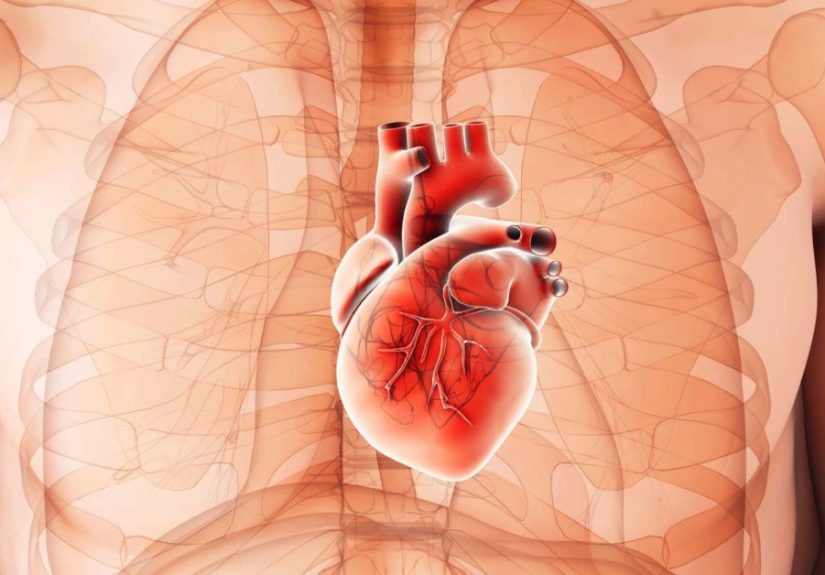
Hearing the word cardiomegaly can feel like getting hit with a giant medical Scrabble tile. The term sounds dramatic because it is importantbut it doesn’t automatically mean the worst-case scenario. Cardiomegaly simply means an enlarged heart. It is usually a sign of an underlying problem (such as high blood pressure, heart valve disease, or cardiomyopathy), not a diagnosis that stands alone.
In some cases, heart enlargement is temporary and reversible. In others, it reflects a chronic condition that needs long-term management. The key is figuring out why the heart is enlarged, how well it is pumping, and whether complications (like heart failure or abnormal heart rhythms) are present.
This guide explains how cardiomegaly is diagnosed, what treatment can look like, and what prevention really means (spoiler: you can’t prevent every cause, but you can reduce your risk of many common ones). If you have chest pain, severe shortness of breath, fainting, or new swelling that is getting worse, seek urgent medical care.
What Is Cardiomegaly?
Cardiomegaly means the heart is larger than normal. That enlargement can happen in different ways:
- Dilation: The heart chambers stretch and enlarge (often seen in dilated cardiomyopathy).
- Thickening (hypertrophy): The heart muscle walls become thicker, often from chronic pressure overload such as uncontrolled hypertension.
- Mixed changes: Some people develop both thickening and chamber enlargement over time.
Think of the heart like a pump that can remodel under stress. If it has to push against high pressure for years, it may bulk up. If the muscle weakens, the chambers may stretch. Either way, “bigger” doesn’t necessarily mean “stronger.” In fact, an enlarged heart may pump less efficiently.
Common Causes of an Enlarged Heart
Cardiomegaly can be linked to many conditions. Some are cardiac (heart-related), and others begin elsewhere in the body. Common causes include:
1) High Blood Pressure (Hypertension)
This is one of the most common contributors. When blood pressure stays high, the heart works harder to pump blood, which can cause the muscle to thicken and eventually weaken.
2) Cardiomyopathy
Cardiomyopathy is disease of the heart muscle. It can make the heart enlarged, thick, rigid, or scarred. Types include dilated, hypertrophic, and restrictive cardiomyopathy. Some forms are inherited.
3) Coronary Artery Disease or Prior Heart Attack
If part of the heart muscle is damaged from reduced blood flow, the heart may remodel and enlarge over time as it struggles to maintain pumping function.
4) Heart Valve Disease
Leaky or narrowed valves can create pressure or volume overload in the heart chambers, causing enlargement.
5) Rhythm Problems (Arrhythmias)
Long-standing rapid heart rhythms can weaken the heart muscle and contribute to enlargement.
6) Congenital Heart Disease
Structural heart problems present from birth may change how blood flows and place extra stress on certain chambers.
7) Other Medical Conditions
Diabetes, thyroid disease, sleep apnea, anemia, chronic kidney disease, and certain infections or inflammatory conditions can all play a role. Alcohol misuse, stimulant drug use, and some chemotherapy agents may also contribute in some cases.
Symptoms of Cardiomegaly
Here’s the tricky part: some people have no symptoms at all, especially early on. Others feel symptoms that develop gradually and are easy to blame on “getting older,” being busy, or climbing too many stairs too fast.
Possible symptoms include:
- Shortness of breath (with activity, when lying flat, or waking up at night)
- Fatigue or reduced exercise tolerance
- Swelling in the feet, ankles, legs, or abdomen
- Palpitations (fluttering, racing, or irregular heartbeat)
- Chest discomfort or pressure
- Dizziness or fainting
- Weight gain from fluid retention
Symptoms often reflect the underlying condition (such as heart failure or arrhythmia) rather than enlargement alone. That is why diagnosis focuses on finding the cause, not just confirming that the heart looks bigger.
How Cardiomegaly Is Diagnosed
Diagnosis is part detective work, part imaging, and part risk assessment. A clinician typically combines your symptoms, medical history, physical exam, and tests to determine:
- Whether the heart is truly enlarged
- Which chamber(s) are affected
- How well the heart is pumping and filling
- What is causing the enlargement
- Whether complications are already present
Medical History and Physical Exam
Your clinician may ask about high blood pressure, family history of cardiomyopathy or sudden cardiac death, prior heart attack, alcohol use, pregnancy history, chemotherapy exposure, infections, and symptoms such as swelling or fainting. On exam, they may listen for heart murmurs, abnormal rhythms, crackles in the lungs, or signs of fluid overload.
Chest X-Ray
A chest X-ray is often one of the first clues. It can show an enlarged heart silhouette and signs of fluid in the lungs. That said, an X-ray is a screening tool, not the final word. Sometimes the heart can appear enlarged because of technique, body position, or other chest conditions.
Electrocardiogram (ECG or EKG)
An ECG records the heart’s electrical activity. It may suggest chamber enlargement, prior heart damage, conduction problems, or arrhythmias. It does not measure heart size directly, but it helps explain the “why” behind symptoms.
Echocardiogram (Heart Ultrasound)
This is the workhorse test for many patients. An echo can evaluate chamber size, wall thickness, pumping function (ejection fraction), valve disease, and how the heart fills between beats. If cardiomegaly is suspected, an echocardiogram is often the test that turns a vague concern into a clear diagnosis.
Blood Tests
Blood tests may be used to assess heart strain or damage (such as natriuretic peptides or troponin), kidney and liver function, thyroid function, anemia, diabetes, and other contributors. These tests help identify causes and guide safe treatment choices.
Cardiac MRI (and Sometimes CT)
Cardiac MRI provides detailed images of heart structure and tissue characteristics. It can help distinguish between ischemic damage, inflammation, infiltrative disease, and different types of cardiomyopathy. CT may also be used in selected cases.
Stress Testing and Coronary Evaluation
If coronary artery disease is suspected, your clinician may recommend stress testing, CT coronary imaging, or coronary angiography to look for blocked arteries contributing to heart dysfunction.
Genetic Testing and Family Screening
If inherited cardiomyopathy is suspectedespecially with a strong family historygenetic testing and screening of relatives may be discussed. This can be an important step in prevention and early detection for family members.
Treatment of Cardiomegaly
There is no one-size-fits-all treatment because cardiomegaly is usually a sign of another condition. The treatment plan depends on the underlying cause, symptom severity, and whether the heart’s pumping function is reduced.
Treatment Goals
- Treat the underlying cause (not just the enlarged heart itself)
- Improve symptoms like shortness of breath and swelling
- Reduce the risk of complications (heart failure, arrhythmias, blood clots, sudden cardiac arrest)
- Slow or stop progression
- Improve quality of life and daily function
1) Medications
Medication choices vary widely depending on the diagnosis. Common categories used in heart-related conditions that can cause cardiomegaly include:
- Blood pressure medicines (to reduce strain on the heart)
- Diuretics (“water pills”) to reduce fluid buildup and swelling
- Beta-blockers to lower heart rate, reduce workload, and help with some arrhythmias
- ACE inhibitors / ARBs / ARNI (in appropriate patients) to support heart function and remodeling
- Aldosterone antagonists in certain heart failure cases
- Antiarrhythmic or rate-control medications if rhythm issues are present
- Anticoagulants (blood thinners) if clot risk is elevated in selected patients
Important: the exact medication plan must be individualized. A medicine that helps one type of cardiomyopathy may not be right for another. This is not a “borrow your cousin’s prescription” situation.
2) Treating Underlying Conditions
Often, the biggest gains come from addressing what caused the enlargement in the first place. Examples:
- Controlling high blood pressure aggressively
- Treating valve disease (medical management or repair/replacement)
- Managing coronary artery disease with medications and sometimes procedures
- Treating thyroid disease, anemia, diabetes, or sleep apnea
- Stopping or reducing alcohol when it contributes to heart muscle damage
- Avoiding cardiotoxic substances and reviewing medication history
3) Procedures and Devices
Some patients need more than medication, especially if symptoms persist or rhythm problems develop.
- Pacemaker or cardiac resynchronization therapy (CRT) for selected conduction abnormalities and heart failure
- Implantable cardioverter-defibrillator (ICD) for certain patients at risk of dangerous arrhythmias
- Valve repair/replacement if valve disease is driving enlargement
- Coronary interventions (such as angioplasty/stenting or bypass surgery) if blocked arteries are the cause
- Ablation procedures for some arrhythmias
4) Advanced Therapies
In severe, refractory cases, advanced heart failure therapies may be considered, including ventricular assist devices (VADs) or heart transplantation. This is a highly specialized area and involves careful evaluation by a heart failure team.
5) Lifestyle Measures That Support Treatment
Lifestyle changes are not “extra credit.” They are part of treatment. Depending on the cause, your care team may recommend:
- Lower sodium intake
- Daily weight tracking (to catch fluid retention early)
- Heart-healthy eating pattern
- Regular physical activity tailored to your condition
- Smoking cessation
- Limiting or avoiding alcohol
- Medication adherence and follow-up visits
Can Cardiomegaly Be Prevented?
Sometimes yes, sometimes no. Cardiomegaly itself is not always preventableespecially when it is caused by inherited conditions, congenital heart defects, or diseases that cannot be fully avoided. But many common causes are linked to risk factors that can be improved.
What Prevention Usually Means in Real Life
Prevention is often about preventing the conditions that make the heart enlarge or catching them early before major damage happens.
- Control blood pressure: Hypertension is a major driver of heart remodeling and often has no symptoms.
- Manage cholesterol and diabetes: These increase cardiovascular risk and can worsen heart disease over time.
- Don’t smoke (and quit if you do): Smoking sharply increases cardiovascular risk.
- Exercise regularly: Consistent physical activity supports blood pressure, weight, blood sugar, and overall heart health.
- Maintain a healthy weight: Extra weight adds workload to the heart and is linked to hypertension, diabetes, and sleep apnea.
- Limit alcohol and avoid illicit stimulants: Heavy alcohol use and stimulant drugs can damage heart muscle.
- Get regular checkups: High blood pressure and high cholesterol often cause no symptoms until damage is underway.
- Know your family history: If cardiomyopathy runs in the family, ask about screening.
Prevention Example
Imagine two people with untreated high blood pressure for years. One gets regular checkups, starts treatment, and makes lifestyle changes early. The other delays care until shortness of breath and swelling begin. Both may eventually hear the word “cardiomegaly,” but the first person often has a much better chance of slowing or even partially reversing harmful changes.
Complications to Watch For
Cardiomegaly can lead to serious complications if the underlying cause is not treated. These may include:
- Heart failure
- Arrhythmias (including potentially dangerous ventricular rhythms)
- Blood clots and embolic events (such as stroke in some situations)
- Valve dysfunction
- Sudden cardiac arrest in high-risk conditions
This is why follow-up matters. Even if you feel “mostly okay,” monitoring helps catch changes early before they become emergencies.
When to Seek Medical Attention
Contact a healthcare professional promptly if you develop new or worsening shortness of breath, swelling, fatigue, or palpitations. Seek emergency care immediately for:
- Chest pain or pressure
- Severe shortness of breath
- Fainting or near-fainting
- Rapid, irregular heartbeat with dizziness or weakness
- Confusion, blue lips, or sudden inability to breathe lying down
Conclusion
Cardiomegaly is not a “final answer”it is a signal. The most important step is finding out what is causing the enlarged heart and treating that cause early. Diagnosis usually involves imaging (especially echocardiography), ECG, labs, and sometimes advanced testing like cardiac MRI or coronary evaluation. Treatment may include medications, lifestyle changes, procedures, or devices, depending on the underlying condition and complication risk.
Prevention is powerful, even if it is not perfect. Managing blood pressure, cholesterol, diabetes, weight, smoking, alcohol use, and routine checkups can help reduce the risk of heart damage that leads to enlargement. And if you have a family history of cardiomyopathy, early screening can make a real difference.
Bottom line: an enlarged heart is a serious finding, but it is also a treatable opportunity. The earlier the cause is identified, the better the odds of protecting long-term heart function.
Experiences Related to Cardiomegaly: What People Commonly Go Through (Practical, Real-World Scenarios)
The medical facts matter, but the lived experience matters too. Many people don’t first notice “heart enlargement” as a diagnosisthey notice that life gets weird in small ways. Walking up one flight of stairs suddenly feels like a dramatic scene from an action movie. Shoes feel tighter by evening. Sleeping flat becomes uncomfortable. A person may say, “I’m just out of shape,” when the body is actually sending a louder message.
One common experience is the slow creep of symptoms. Someone with long-term high blood pressure may feel fine for years because hypertension often has no obvious symptoms. Then fatigue, shortness of breath, or ankle swelling starts showing up. When an echocardiogram reveals an enlarged heart, people are often surprised because they never felt “sick” in the movie-version sense of illness. This can bring relief (finally, an explanation) and anxiety (what happens next?) at the same time.
Another common experience is frustration during diagnosis. The phrase “enlarged heart” sounds specific, but it actually opens a long list of follow-up questions: Is it thickened or dilated? Is the pumping function reduced? Is it caused by a valve problem, high blood pressure, coronary disease, an arrhythmia, or a cardiomyopathy? Patients often go through multiple tests and appointments before they get a complete answer. That process can feel slow, but it is important because treatment depends on the cause.
Many people also describe a big mental shift after diagnosis: learning to manage a condition instead of “waiting to feel better”. Cardiomegaly-related care often involves daily habitstaking medications on schedule, checking blood pressure, limiting sodium, monitoring weight, showing up for follow-ups, and learning which symptoms mean “call the clinic” versus “go to the ER now.” It can feel like a lot at first, but once routines are in place, people often regain confidence.
Family experience matters too. If an inherited cardiomyopathy is suspected, relatives may be encouraged to get screened. This can create emotional conversations: concern for siblings, adult children, or parents, mixed with gratitude that there is at least a path to early detection. In many families, one person’s diagnosis becomes the reason others get checked before symptoms start.
There is also a very real experience of improvement. People whose cardiomegaly is related to poorly controlled blood pressure, alcohol use, arrhythmias, or certain reversible conditions may feel much better after treatment is optimized. Swelling decreases, breathing improves, and everyday tasks become easier. Not every case reverses, but many people do see meaningful progress when they stick with the plan.
And finally, there’s the emotional lesson many patients share: don’t ignore persistent symptoms just because they seem ordinary. A little extra fatigue, mild swelling, or getting winded more easily can be easy to rationalize. Getting evaluated early can make the difference between a manageable condition and a crisis. That’s not meant to scare anyoneit’s the opposite. It’s a reminder that paying attention to your body is one of the most practical forms of prevention.