Table of Contents >> Show >> Hide
- What “Chay in LA” Really Means (Hint: It’s Not About Size)
- Why West 3rd Street Was the Perfect Stage
- The Shop’s Superpower: Collaboration as Inventory
- The Look and Feel: “Gallery-Like” Without the Awkward Silence
- What You’d Find at CHAY: Objects With a Passport
- The Tea Angle: Small Ritual, Big Brand Energy
- How a Small Shop Builds a Big Network (Steal These Ideas, Not the Products)
- Why CHAY Still Matters in LA’s Retail Story
- Extra: of ExperienceWhat “Chay in LA” Feels Like
Los Angeles has a special talent: it can make a tiny storefront feel like a whole universe. You step in for “just a quick look,” and suddenly you’re debating the emotional vibe of a brass flower pot like it’s a casting call.
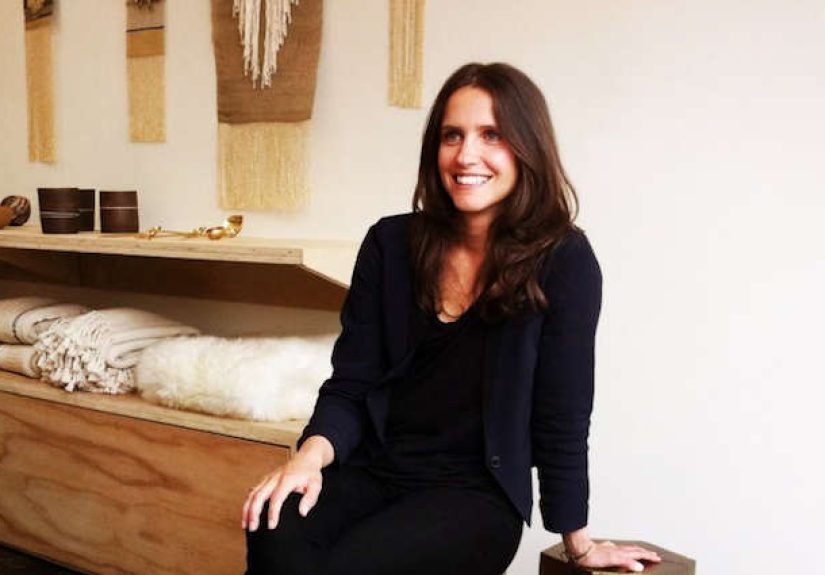
That’s the magic behind CHAY, the West 3rd Street shop created by designer Chay Wikea small, gallery-like space that built an outsized reputation by doing one thing extremely well: curating a network of makers, designers, and collaborators that stretches far beyond its square footage. Think of it as a boutique with the social life of a movie producer.
This story isn’t just about pretty objects (though yes, there are plenty). It’s about how a “small shop” becomes a big connectorlinking local talent to global craftsmanship, turning everyday rituals into design moments, and proving that a strong creative network can be more valuable than a warehouse full of inventory.
What “Chay in LA” Really Means (Hint: It’s Not About Size)
CHAY became known for a particular kind of “quiet confidence” retail: fewer items, better stories, and a feeling that everything in the room earned its spot. The shop’s identity was deeply tied to its founder’s background Wike grew up in New York City, moved to Los Angeles, and eventually poured her curiosity into design and craft. The result was a store that felt less like shopping and more like being let in on a secret.
Here’s the key: CHAY didn’t try to be everything to everyone. Instead, it acted like a hub. It showcased household wares, textiles, jewelry, and small furniture piecesmany created through collaborations with designers Wike admired. In other words, the shop functioned like a beautifully edited group chat, except everything was for sale and nobody posted blurry screenshots.
Why West 3rd Street Was the Perfect Stage
Location matters in LA, but not always in the “most expensive zip code wins” way. West 3rd Street sits in a sweet spot: stylish without being stiff, walkable by LA standards (a low bar, but we celebrate what we can), and surrounded by people who appreciate design with personality.
The corridor has long been known for boutiques and low-key shoppingless flashy than Beverly Hills, more “I found this” than “I financed this.” That tone matches CHAY’s entire point: the objects are elevated, but the experience is human. You’re not being herded through a trend factory; you’re being invited into a point of view.
The Shop’s Superpower: Collaboration as Inventory
Most stores buy products. CHAY built relationships. That difference sounds subtle until you see how it changes everything: the selection becomes more original, the stories become more specific, and the shop’s identity becomes harder to copy.
Wike collaborated with and carried work connected to designers such as Kathleen Whitaker (fine jewelry with a minimalist edge), Christina Kim of dosa (a longtime champion of artisanal textiles and clothing), and Le Feu de l’Eau (a candle studio known for sculptural wax forms). When your “product mix” is basically a roster of talent, you’re no longer selling objectsyou’re selling a network.
Example: The Live/Work Table That Started as Admiration
One of the most iconic examples of CHAY’s network-first approach is the Live/Work Table. The origin story is pure LA design serendipity: Wike saw a custom folding table at dosa 818, was introduced to architect Lindon Schultz (who had designed the original with Christina Kim), commissioned a version for her home, and then turned the collaboration into a piece offered through her shop.
The table itself is the kind of “simple” that only looks simple after a lot of thinking: made from sugar pine, stained with coffee and tea tones, and finished with a food-safe wax. It’s practical, warm, and quietly dramaticlike the friend who “doesn’t try” and somehow looks amazing in every photo.
Example: A Jewelry Counter That’s Basically a Curator’s Playlist
CHAY’s jewelry wasn’t presented like typical retail sparkle. Think more “museum display, but friendly.” A plywood jewelry counter showcased designers such as Suzannah Wainhouse, Grace Lee, Fort Standard, and othersmixing fine jewelry sensibility with sculptural design energy.
The point wasn’t to overwhelm; it was to guide. A small selection can be stronger than a huge one when each piece has a clear reason for being there. That’s the CHAY approach in a nutshell: less noise, more signal.
The Look and Feel: “Gallery-Like” Without the Awkward Silence
The space itself reinforced the philosophy. The shop was remodeled to feel open and bright, with practical materials and natural lightmore studio than showroom, more “come in” than “don’t touch.” That physical calm made the objects stand out: a textile looks richer, a ceramic mug feels more intentional, and suddenly you’re saying things like “this watering can has presence,” and you mean it.
This environment is part of the business strategy. When you sell objects rooted in craft, you don’t want visual chaos. You want room for attention. CHAY gave people that room.
What You’d Find at CHAY: Objects With a Passport
The collection blended local LA makers with pieces that traveledsometimes literally. A few examples that capture the range:
- Handmade ceramics from LA makers like Mt. Washington Potteryeveryday mugs that still feel special.
- Textiles and throws from heritage makers such as Brahms Mountthe kind of blanket you keep for years, not seasons.
- Brass objects like Swedish-made plantersshiny enough to feel celebratory, sturdy enough to live with.
- Tea and ritual goods that turn “I’m tired” into “I’m having an experience.”
- Unexpected accentsfrom sculptural candles to modern bookendschosen to play well with both minimalist homes and maximalist personalities.
Notice what’s happening here: CHAY wasn’t confined to one category. It wasn’t a “home store” or a “fashion boutique” or a “gift shop.” It was a lifestyle connector, bridging wardrobe, home, and ritual in a way that felt coherent.
The Tea Angle: Small Ritual, Big Brand Energy
If the shop’s objects were the aesthetic, tea was the philosophy. CHAY developed an organic loose-leaf tea collection designed around the rhythm of the daythink blends positioned for morning, digestion, calm, and bedtime. It’s a classic CHAY move: take something ordinary (tea) and elevate it through intention, sourcing, and design.
This is also where the “big network” idea becomes obvious. The tea wasn’t just a product sitting on a shelf; it was a bridge into other retail ecosystems. When brands like Anthropologie stock teas with detailed sourcing language and a wellness-meets-design vibe, you’re seeing the ripple effect: one small shop’s point of view becoming portable.
In other words, CHAY treated tea the same way it treated furniture and jewelry: as a collaboration between craft, taste, and daily life. The result is a product that feels less like “a beverage” and more like “a calm decision you made on purpose.”
How a Small Shop Builds a Big Network (Steal These Ideas, Not the Products)
CHAY is a case study in modern independent retail: you don’t win by out-scaling big storesyou win by out-meaning them. Here are the strategies behind the vibe:
1) Curate People, Not Just Things
CHAY’s “inventory” was really a collection of relationships: designers, artisans, and collaborators whose work aligned with the shop’s aesthetic. That makes the store harder to replicate and easier to trust.
2) Use Collaboration to Create Exclusivity Without Being Annoying
Exclusivity doesn’t have to mean velvet ropes. It can mean: “this table exists because two creatives worked together.” That story is inherently rare. And customers remember it.
3) Let the Space Do Some of the Talking
A calm, light-filled environment signals quality and intention. If you want people to treat objects like art, don’t stack them like cereal boxes.
4) Make Everyday Rituals Part of the Brand
Tea, textiles, candles, and ceramics all live in the realm of daily repetition. That’s powerful. When a brand improves what you do every day, it becomes part of your lifenot just your shopping history.
5) Think Like a Connector
The store wasn’t just selling; it was introducing. Designers to customers. Customers to a new aesthetic. A neighborhood to a wider design culture. That’s network thinking, and it scales in influence even when the footprint stays small.
Why CHAY Still Matters in LA’s Retail Story
Los Angeles is full of big, glossy retailflagships, malls, hype drops, and influencer lines with fonts that scream “limited edition.” CHAY represents the opposite: the patient build, the long collaboration, the slow burn of good taste.
It also reflects a distinctly LA kind of creativity: multi-disciplinary, maker-friendly, and comfortable blurring categories. One day it’s jewelry. Next day it’s a folding table. Then it’s tea. In LA, that’s not “confusing”that’s a career plan.
And maybe that’s the most useful takeaway: a small shop can be a big network when it acts like a platform for other people’s excellence. If you curate thoughtfully, collaborate generously, and keep the experience human, your “tiny store” can end up with a surprisingly large footprintculturally, creatively, and commercially.
Extra: of ExperienceWhat “Chay in LA” Feels Like
Picture a sunny LA afternoon when the air is doing that classic Southern California trickcool in the shade, warm in the sun, and somehow flattering to everyone’s mood. You’re on West 3rd Street, drifting past boutiques, coffee stops, and the gentle hum of people who look like they have opinions about linens. You spot a storefront that doesn’t yell. It just… invites.
Walking into a space like CHAY (at its best) feels like stepping into a calmer version of your own brain. The noise drops. The lighting is kind. The objects aren’t fighting each other for attention. Instead, they’re having a quiet conversation: a ceramic mug nods politely at a sculptural candle; a brass planter catches the light like it’s in on the joke; a textile sits folded with the confidence of something that has survived trends.
The first thing you notice is that nothing feels random. That’s a rare sensation in retail, where “more” is often confused with “better.” Here, you don’t get decision fatigueyou get curiosity. You start asking different questions: “Who made this?” “What’s it for?” “Why does this feel so… right?” And then you realize you’re not just shopping; you’re learning a point of view.
If you linger, you begin to understand the “big network” part. It’s not a literal map on the wall, but you can feel the connections. A piece of jewelry carries the spirit of a local studio. A candle hints at an entire lineage of craft. A tea blend suggests a ritual you might actually keep. Even if you don’t buy anything, you walk out with a mental bookmark: Oh. This is how people live when they choose objects with intention.
There’s also a specific pleasure in shops like this: the permission to start small. You don’t have to redesign your whole home. You can buy one mug and let it upgrade your Tuesday mornings. You can pick one tea and turn “I’m exhausted” into “I’m rebooting.” You can take one textile and make your couch look like it has a personal stylist. The experience is incrementaltiny improvements that add up to a life that feels more considered.
And when you step back onto the street, LA feels slightly different. Not louder or flashierjust more textured. You notice materials. You notice light. You notice the beauty of things made well. That’s the real souvenir from a small shop with a big network: not just what you carry home, but how you start seeing everything else.