Table of Contents >> Show >> Hide
- Acne 101 (So the Face Map Actually Makes Sense)
- Acne Face Mapping: What It Can (and Can’t) Tell You
- A Quick Acne Face Map (Evidence-Based Clues)
- Region-by-Region: What Your Breakouts Might Mean (and What to Do)
- 1) Forehead Acne: “Your Haircare Might Be Sneaking onto Your Skin”
- 2) Nose & T-Zone Acne: “Oil Central, Population: Your Pores”
- 3) Cheek Acne: “Your Phone, Pillowcase, and Hands Are Suspects”
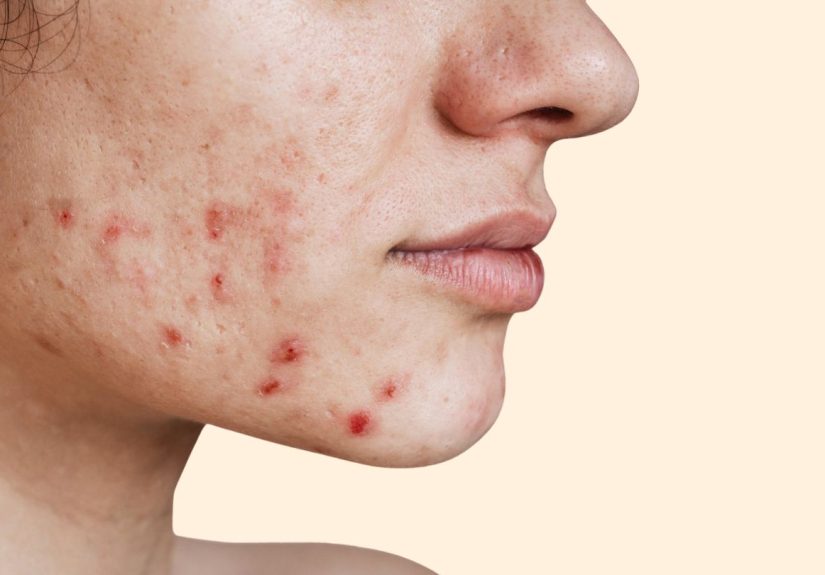
- 4) Chin & Jawline Acne: “Often Hormonal… but Not Always”
- 5) Around-the-Mouth Breakouts: “Acne… or an Acne Look-Alike?”
- 6) Temples, Sideburns, and Hairline Edges: “Headwear + Hair Products, Team Up Again”
- The Breakout Detective Checklist (Before You Buy 14 Serums)
- What Actually Helps: A Practical Treatment Playbook
- When It’s Not Acne (But Pretending to Be)
- Conclusion: Use the Acne Face Map Like a Clue Board, Not a Crystal Ball
- Real-World Experiences (The “This Is What People Actually Notice” Edition)
If your face could talk, it might say something like: “Hi, I’m your forehead. I’d like to file a formal complaint against your dry shampoo.” Or: “Hello, I’m your chin. I’d like to remind you your period RSVP’d for this week.” Enter the acne face mapthe internet’s favorite detective board, where every pimple is a “clue” and every breakout has a backstory.
Here’s the twist: traditional “face mapping” (the kind that claims your left cheek is basically your liver’s Yelp review) isn’t backed by strong science. But that doesn’t mean location is meaningless. Breakouts often cluster because of real, boring, fixable reasons: oil distribution, hormones, friction, sweat, and whatever product you’re applying near your hairline like it’s frosting a cupcake.
This guide gives you an evidence-based way to use acne mapping as a pattern-spotting toolnot a diagnosis. You’ll learn what breakouts in different areas can suggest, what they don’t prove, and what to do next (without trying to “detox your spleen” with lemon water and vibes).
Acne 101 (So the Face Map Actually Makes Sense)
Acne isn’t a punishment for eating a slice of pizza or forgetting to drink enough water (if it were, half the country would be a single, giant blackhead). Acne forms when hair follicles (pores) get clogged with a mix of oil (sebum) and dead skin cells. Bacteria can contribute to inflammation, and once inflammation shows up, pimples can turn into bigger, angrier lesionssometimes leaving marks or scars.
The big drivers tend to be: oil production, clogged follicles, bacterial overgrowth, and inflammation. Hormones (especially androgens) can increase oil production, which helps explain why many people notice flares around puberty, menstrual cycles, pregnancy, perimenopause/menopause, or other hormone shifts.
Acne Face Mapping: What It Can (and Can’t) Tell You
The myth: “This zone equals that organ.”
Those dramatic charts that claim forehead acne means “digestive issues” and cheek acne means “lung imbalance” are more tradition and trend than proven medicine. Acne location doesn’t reliably diagnose internal organ problems. If it did, dermatologists would be out here prescribing “two kidneys and a toner.”
The useful reality: “This zone often equals this exposure.”
Where you break out can still offer clues because different parts of your face experience different conditions: oiliness (T-zone), friction (mask/helmet straps), contact (phone/pillowcase), and product transfer (haircare and makeup). Recurring breakouts in the same place usually point to a repeating triggeror a treatment routine that isn’t targeting the type of acne you have.
A Quick Acne Face Map (Evidence-Based Clues)
- Forehead & hairline: hair products, sweat, hats/helmets, oily skin in the T-zone.
- Nose & mid-face (T-zone): oiliness, clogged pores, irritation from over-scrubbing.
- Cheeks: phone, pillowcases, makeup brushes, mask friction, touching your face.
- Chin & jawline: hormonal influence, shaving irritation, occlusion from masks/straps.
- Around the mouth: irritation, lip products, touching, and acne look-alikes like perioral dermatitis.
- Temples/sideburn area: hair products, headwear, headphones, helmet straps.
Region-by-Region: What Your Breakouts Might Mean (and What to Do)
1) Forehead Acne: “Your Haircare Might Be Sneaking onto Your Skin”
Forehead breakouts are common because the forehead sits in the oily T-zone. But if you’re getting tiny bumps or persistent pimples near the hairline, think pomade acne (also called acne cosmetica): pore-clogging hair oils, waxes, leave-ins, and styling products migrating onto skin.
What to check:
- Do you use pomade, hair oil, heavy leave-in conditioner, or edge control?
- Do you apply product and then immediately touch your forehead/hairline?
- Do you wear hats, helmets, or headbands that trap sweat and rub the skin?
Try this:
- Keep styling products off the hairline (apply further back and wash hands after).
- Wash your face after sweaty workouts; cleanse gently, not aggressively.
- Use non-comedogenic sunscreen and skincare; avoid thick, occlusive layers on the forehead if you’re prone to bumps.
Example: If your forehead breaks out every time you do “slick-back season,” congratulationsyou’ve solved the mystery. The culprit is probably not your “toxins.” It’s your hair gel.
2) Nose & T-Zone Acne: “Oil Central, Population: Your Pores”
The nose and central face often produce more oil, which makes blackheads and whiteheads more likely. If you see mostly clogged pores (blackheads/whiteheads), you’re dealing with comedonal acnethink congestion rather than infection.
What to check:
- Are you scrubbing hard, using harsh astringents, or over-exfoliating?
- Are you layering multiple “active” products nightly?
- Do you notice more blackheads than inflamed pimples?
Try this:
- Use a gentle cleanser (up to twice daily) and avoid abrasive scrubs.
- Consider salicylic acid (BHA) for oil and clogged pores, introduced slowly.
- Consider a topical retinoid (like adapalene) for persistent congestionconsistent use matters more than spot treating.
3) Cheek Acne: “Your Phone, Pillowcase, and Hands Are Suspects”
Cheek breakouts often come down to contact and friction. Phones, pillowcases, makeup brushes, and hands can transfer oil, bacteria, and product residue. Masks can also create acne mechanica: heat + humidity + rubbing = irritation that encourages breakouts.
What to check:
- Do you rest your face on your hand while working?
- Do you clean your phone screen regularly?
- How often do you change pillowcases (and wash makeup brushes)?
- Do you wear a mask, helmet, or chin strap frequently?
Try this:
- Wipe down your phone daily and avoid pressing it hard to your cheek.
- Change pillowcases 2–3x per week if you’re acne-prone (or flip nightly, wash weekly).
- Clean brushes/sponges routinely; avoid sleeping in makeup.
- If mask-related, choose breathable materials, change masks often, and keep skincare simple under the mask.
4) Chin & Jawline Acne: “Often Hormonal… but Not Always”
Chin and jawline acne gets a reputation as “hormonal acne,” and for many adultsespecially womenit often is. Hormonal shifts can increase oil production and make breakouts more likely around the lower face. That said, jawline acne can also be worsened by friction (mask straps), shaving/ingrown hairs, or heavy products.
What to check:
- Do breakouts flare cyclically (before your period, during stress spikes, or during hormone changes)?
- Are lesions deeper, more tender, or cyst-like?
- Do you shave or wax the area (possible follicle irritation)?
- Are you wearing tight masks/straps that rub along the jaw?
Try this:
- Track timing for 2–3 cycles; patterns help you and your dermatologist choose treatment.
- Use consistent acne basics (benzoyl peroxide/salicylic acid/retinoid) rather than “spotting” only when it’s bad.
- If it’s deep or stubborn, ask a dermatologist about hormonal options (for appropriate patients).
5) Around-the-Mouth Breakouts: “Acne… or an Acne Look-Alike?”
Pimples around the mouth can be true acne, especially if you’re touching your face, wearing occlusive lip products, or getting friction from masks. But there’s an important plot twist: rashes around the mouth can also be perioral dermatitis, which looks acne-like but behaves differently and can worsen with steroid creams or irritating products.
What to check:
- Do you see tiny bumps with redness/irritation rather than classic whiteheads?
- Are you using steroid creams on the face (even “just a little”)?
- Do you use heavy balms, fragranced products, or harsh exfoliants around the mouth?
Try this:
- Keep the area simple: gentle cleanser + plain moisturizer + non-comedogenic sunscreen.
- Avoid “toothpaste on pimples” (it can irritate and backfire).
- If it’s more rash-like or persistent, see a clinicianperioral dermatitis needs a different approach than acne.
6) Temples, Sideburns, and Hairline Edges: “Headwear + Hair Products, Team Up Again”
These zones are prime real estate for product transfer and friction: hair sprays drifting, gels spreading, and headphones or helmet straps adding pressure. If you break out right where something touches your skin, that’s not fateit’s physics.
Try this:
- Clean headwear, headphones, and helmet padding regularly.
- Keep hair products off skin; wash your face after applying styling products if you tend to touch your hairline.
- Use a gentle routine and avoid over-scrubbing these irritated areas.
The Breakout Detective Checklist (Before You Buy 14 Serums)
When people say, “Nothing works,” it’s often because the trigger is still happening daily. Use this quick checklist to narrow down likely causes:
- Friction/occlusion: masks, chin straps, helmets, tight collars, phone pressed to cheek.
- Product transfer: pomades, oils, leave-ins, heavy foundation, comedogenic sunscreen.
- Hygiene habits: dirty brushes, pillowcases, phone screen, or hands on face.
- Skin barrier overload: too many acids, harsh scrubs, stripping cleansers, over-washing.
- Hormone patterns: cyclical flares, deeper nodules on lower face.
- Diet (individual): some people notice flares with high-glycemic diets or certain dairyyour mileage varies.
- Medication/health factors: certain meds can worsen acne; discuss changes with a clinician.
What Actually Helps: A Practical Treatment Playbook
Start with a simple, repeatable routine
- Cleanse gently (typically up to twice daily and after sweating).
- Moisturize (yes, even oily skinirritation can worsen breakouts).
- Sunscreen daily (choose non-comedogenic; acne treatments can increase sun sensitivity).
Choose one “active” and stick with it long enough to judge
A common mistake is switching products every four days. Acne treatments need consistent use. Consider:
- Benzoyl peroxide: helpful for inflamed acne; can be drying and can bleach fabrics.
- Salicylic acid: helpful for clogged pores and oil control.
- Adapalene (topical retinoid): helps prevent clogged pores; start slowly to limit irritation.
Spot treating isn’t enough for recurring acne
If you get breakouts in the same area repeatedly, treat the whole region (for example, the entire jawline) rather than only the individual pimple. New clogs form before you can see themlike acne’s version of stealth mode.
Know when to see a dermatologist
- Deep, painful cysts or nodules
- Scarring or dark marks that linger
- Acne that doesn’t improve after consistent OTC care
- Suspected hormonal acne (especially if you also have irregular periods, new facial hair growth, or sudden severe acne)
- Possible acne mimics (perioral dermatitis, rosacea, folliculitis)
Dermatology options can include prescription retinoids, topical/oral antibiotics (used thoughtfully), hormone-related therapies for appropriate patients, and other targeted treatments. The point is: you don’t have to brute-force your way through breakouts alone.
When It’s Not Acne (But Pretending to Be)
If your “acne” doesn’t respond like acne, don’t keep escalating treatments until your face feels like sandpaper. Common look-alikes include:
- Perioral dermatitis: acne-like bumps and irritation around the mouth/nose area.
- Folliculitis: inflamed hair follicles, sometimes from shaving or friction.
- Rosacea: redness and bumps that flare with heat, alcohol, spicy food, or certain skincare triggers.
Conclusion: Use the Acne Face Map Like a Clue Board, Not a Crystal Ball
The best “acne face map” isn’t an organ chartit’s your own pattern tracking. Location can hint at what’s happening on your skin (friction, product transfer, oiliness, hormonal timing), but it can’t diagnose your liver, lungs, or moral character. Focus on repeatable triggers, keep a consistent routine, and loop in a dermatologist when acne is painful, scarring, stubborn, or suspicious.
And remember: your skin is not being “difficult.” It’s just responding to biology, environment, and whatever you put on it at 11 p.m. because TikTok said so.
Real-World Experiences (The “This Is What People Actually Notice” Edition)
If you’ve ever tried to “face map” your acne at 2 a.m. under bathroom lighting that makes everyone look haunted, you’re not alone. Dermatologists and skincare communities routinely hear patterns that sound weirdly specificuntil you realize acne loves habits. Here are a few experiences people commonly report, and what usually ends up helping.
The Pomade Plot Twist
Someone switches hairstylesslicked-back bun, glossy curls, a new edge-control momentand within a week their forehead and hairline are dotted with tiny bumps. The initial assumption is often “stress” or “hormones,” but the timing points to product transfer. The biggest breakthrough usually isn’t buying a new acne serum; it’s changing how hair products are applied: keeping oils away from the hairline, washing hands after styling, and cleansing the hairline carefully at night. People also notice faster improvement when they wash their hair before washing their face in the shower, so residue doesn’t slide down onto freshly cleaned skin.
Maskne Season (a.k.a. The Chin-Jawline Ambush)
Another common story: acne concentrates exactly where a mask sitschin, jawline, cheeksespecially during long workdays or travel. Many describe bumps that feel more irritated than “classic acne,” because friction and trapped humidity can inflame the skin barrier. What tends to help is unglamorous but effective: switching to a cleaner, well-fitting mask, changing it often, and keeping skincare under the mask simple (light moisturizer, non-comedogenic sunscreen, minimal makeup). People also report that trying to “scrub the maskne off” backfiresgentle cleansing and barrier support win.
The Chin Calendar
Plenty of adults notice a predictable jawline or chin flare that arrives like an annoying subscription service: a week before a period, during major stress, or during a hormonal transition. The “experience” here is less mystery and more pattern recognition. Many find it useful to track breakouts for two to three months (photos help), noting sleep, stress, and cycle timing. That record becomes powerful in a dermatology visit because it supports a more targeted plan for example, combining a topical retinoid routine with options that address hormonal influence (when appropriate). People also learn a hard truth: panic spot-treating once a month is like trying to pay rent with pocket change. Consistency between flares is what reduces the next flare.
The Phone-and-Pillowcase Reality Check
Cheek acne can feel personal, like your face is holding a grudge. Then someone cleans their phone daily and swaps pillowcases more often, and suddenly the “random” breakouts aren’t so random. This is especially noticeable for side-sleepers and anyone who props their face on their hand during work. Another small but surprisingly common win: cleaning makeup brushes regularly. People often think their cleanser isn’t strong enough, when the real issue is reapplying yesterday’s bacteria and product residue directly onto the skin.
The Over-Exfoliation Trap
A lot of acne journeys include a phase of “If one active ingredient is good, five must be better,” followed by dryness, burning, and more bumps. Many eventually realize those new bumps aren’t a sign they need stronger acidsthey’re a sign the skin barrier is irritated. The experience that changes everything is usually going back to basics for a couple of weeks: gentle cleanser, moisturizer, sunscreen, and one acne-active introduced slowly. Not glamorous. Very effective.
The takeaway from these experiences is simple: acne face mapping works best when it’s really habit mapping. When you match your breakout location with what touches that areaproducts, friction, timingyou get actionable answers instead of spooky guesses. And actionable answers are the only kind worth having.