Table of Contents >> Show >> Hide
- AFib in plain English (so the rest makes sense)
- Alcohol and AFib: the relationship is… uncomfortably clear
- 1) Alcohol can trigger AFib quickly (yes, even “just one” for some people)
- 2) “Holiday heart” is realand it’s basically AFib’s favorite season
- 3) Long-term drinking increases AFib risk and can increase AFib burden
- 4) Cutting out alcohol can reduce recurrences in regular drinkers with AFib
- How alcohol may push the AFib “on” switch
- Practical alcohol guidance (without the finger-wagging)
- Caffeine and AFib: the myth is louder than the evidence
- 1) Caffeine isn’t automatically an AFib trigger
- 2) Coffee specifically may be neutralor even helpfulfor some people with AFib
- 3) Caffeine sources are not all created equal
- 4) The “right” caffeine plan is personalso test it like a scientist, not a fortune teller
- What about “how much caffeine is too much”?
- The alcohol + caffeine combo: when AFib gets a “perfect storm” invitation
- AFib-friendly lifestyle moves that matter as much (or more) than beverages
- When to get medical help
- Conclusion: So… are alcohol and caffeine “bad” for AFib?
- Experiences people commonly report (real-life patterns, not medical advice)
- The “I barely drank” surprise
- The “holiday heart” script (with different costumes every year)
- Morning coffee: comfort for some, chaos for others
- The energy drink effect: “This felt different”
- Tracking triggers: the “I became my own detective” phase
- The emotional reality: AFib can make people feel cautious about everything
- SEO tags (JSON)
Atrial fibrillation (AFib) is the most common “my heart is doing jazz improv” rhythm problemand it’s also one of the most
blame-happy. Miss a night of sleep? “AFib did it.” A stressful week? “AFib did it.” A holiday party that turned into a
three-day food-and-fun marathon? Yep… AFib might actually have done that.
Two of the usual suspects are alcohol and caffeine. They get mentioned in the same breath because they’re common,
they’re social, and they’re easy to point fingers at. But the truth is more interesting:
alcohol is a well-established AFib trigger and risk factor, while caffeine (especially coffee) is more “it depends”and
recent research suggests it may not be the villain it’s been made out to be.
Let’s break down what alcohol and caffeine actually do to your heart rhythm, why some people feel every sip and others feel
nothing, and how to build a smarter “trigger strategy” that’s based on realitynot folklore.
AFib in plain English (so the rest makes sense)
AFib happens when the heart’s upper chambers (the atria) beat in a rapid, chaotic pattern instead of a steady rhythm. Some
people feel it as pounding, fluttering, or shortness of breath. Others feel… absolutely nothing and only find out during a
routine checkup. (AFib is sneaky like that.)
The big concern isn’t just the weird feelingit’s the risk of blood clots and stroke, plus the way persistent AFib can weaken the heart
over time. Treatment usually combines medications, risk-factor control (blood pressure, weight, sleep apnea, etc.), and
sometimes procedures like cardioversion or ablation.
Here’s the key idea for today: AFib is often “triggered” by things that stress the heart’s electrical system. And alcohol and caffeine
can play that rolebut in very different ways.
Alcohol and AFib: the relationship is… uncomfortably clear
1) Alcohol can trigger AFib quickly (yes, even “just one” for some people)
Many people with AFib report alcohol as a trigger, and research supports that AFib episodes can occur within hours after
drinking. The body doesn’t need a long-term subscription to “bad habits” for alcohol to have an effect; sometimes the impact
is immediateespecially if you’re already prone to rhythm problems.
Why? Alcohol can influence the heart’s electrical signaling, stress hormones, hydration, and sleepall of which can make the
atria more irritable. If your heart already has the “AFib wiring,” alcohol can be the spark.
2) “Holiday heart” is realand it’s basically AFib’s favorite season
There’s even a name for rhythm issues after heavy drinking: holiday heart syndrome. It describes a short-term abnormal heart rhythm
(often AFib) that can happen after overindulging in alcohol, commonly during weekends or holidays when sleep, meals, stress,
and routine all get thrown into a blender.
The takeaway is not “holidays are dangerous.” The takeaway is: stacked triggers are dangerous. Alcohol plus late nights plus salty food
plus travel stress plus dehydration is like assembling the Avengers of AFib.
3) Long-term drinking increases AFib risk and can increase AFib burden
Over time, heavier alcohol use is linked to higher AFib risk. The atria can undergo structural and electrical changes (think:
remodeling) that make AFib more likely to startand more likely to stick around.
Importantly, studies looking at “average intake” show a dose-response pattern overall: as alcohol consumption rises, AFib risk
tends to rise too. That doesn’t mean every person has the same threshold, but it does mean alcohol isn’t a neutral bystander
for many hearts.
4) Cutting out alcohol can reduce recurrences in regular drinkers with AFib
One of the most practical findings in this whole topic: among people with AFib who drink regularly, abstinence (or major reduction) can lower
the chances of AFib coming back and reduce AFib burden. In other words, this isn’t just “health class advice.” For some patients, alcohol
reduction is a genuine rhythm-control toolright up there with meds and procedures.
How alcohol may push the AFib “on” switch
Alcohol’s effects aren’t one single mechanism. It can hit multiple AFib-relevant systems at once:
- Autonomic nervous system shifts: changes in stress/relaxation signals can alter rhythm stability.
- Dehydration and electrolyte changes: especially when alcohol replaces water (or comes with sweating, travel, or heat).
- Sleep disruption: even if you “sleep,” alcohol can fragment sleep qualityAFib loves that.
- Blood pressure effects: alcohol can raise blood pressure over time, which is a major AFib driver.
- Inflammation and atrial remodeling: chronic exposure may increase the atria’s tendency to fibrillate.
Practical alcohol guidance (without the finger-wagging)
If you have AFib (or suspect you do), the most rhythm-friendly option is avoiding alcohol. If that feels dramatic, remember: the goal
isn’t moral purity; it’s fewer episodes, fewer symptoms, and lower risk.
If alcohol seems linked to your episodes, consider these realistic steps:
- Do a trial break (for example, several weeks) and compare AFib frequency and symptoms.
- Avoid “stacking triggers” (late nights, dehydration, big meals, and stress piled on top of alcohol).
- Talk to your clinician before making major changesespecially if you’re on heart meds or blood thinners.
Important note: If you’re under the legal drinking age, don’t drink alcohol. This article is for health education, not a how-to guide.
Caffeine and AFib: the myth is louder than the evidence
1) Caffeine isn’t automatically an AFib trigger
Caffeine has a reputation as a “palpitation starter,” and for some people it absolutely can increase jitteriness, raise heart
rate, and make you more aware of your heartbeat. But awareness of heartbeat isn’t the same thing as AFib episodes.
More importantly, research that tracked individuals with AFib has found that caffeine does not consistently increase AFib episodes across
the board. Some people are sensitive. Many are not. And coffee, in particular, may behave differently than the word “caffeine”
suggests.
2) Coffee specifically may be neutralor even helpfulfor some people with AFib
A recent randomized clinical trial looked at people with AFib/atrial flutter after cardioversion who were already coffee
drinkers and compared continuing caffeinated coffee vs abstaining. The coffee group had lower recurrence during follow-up.
That’s a big deal because it challenges the old blanket advice: “AFib? No coffee ever.”
This doesn’t mean coffee is a medication. It does mean that for many people, moderate coffee intake may not be the problemand may not need
to be the first thing you cut.
3) Caffeine sources are not all created equal
“Caffeine” is not just coffee. It’s also:
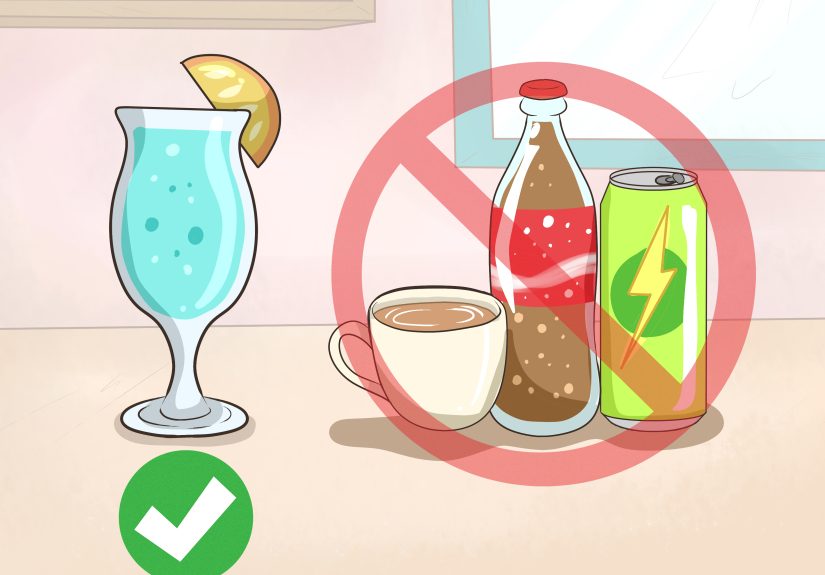
- energy drinks and energy shots (often high-dose, fast-acting, sometimes combined with other stimulants)
- pre-workout supplements
- strong teas
- sodas
- certain OTC medicines (some cold products contain stimulants)
The heart may respond differently depending on dose, speed of intake, and what else is in the drink. Coffee has hundreds of compounds
besides caffeinesome potentially beneficialwhile many energy drinks are designed to hit quickly and hard (and sometimes come
with sugar or other stimulants that can add stress).
4) The “right” caffeine plan is personalso test it like a scientist, not a fortune teller
Because AFib triggers vary, the most useful approach is a structured experiment:
- Keep caffeine consistent for a couple of weeks and track symptoms/episodes.
- Then reduce or remove it for a couple of weeks and compare.
- Watch your confounders: sleep, stress, dehydration, illness, and alcohol can muddy the results.
If you’re using a wearable or a clinician-recommended monitor, even better. You’re turning guesses into data.
What about “how much caffeine is too much”?
For most healthy adults, U.S. health guidance has often cited about 400 mg/day as an upper level not generally linked to negative effects,
but sensitivity varies widelyand heart rhythm conditions can change the equation. If caffeine makes you feel symptomatic
(racing heart, anxiety, poor sleep), that matters, even if a number on a chart says you’re “fine.”
For teenagers and people with heart conditions, the safest move is to be more conservative and follow clinician guidance.
The alcohol + caffeine combo: when AFib gets a “perfect storm” invitation
Alcohol and caffeine often travel together socially (hello, late nights and party weekends). Even if caffeine alone isn’t your
trigger, it can still contribute indirectly by:
- pushing bedtime later (sleep disruption is a common AFib accelerator)
- increasing stress hormones in sensitive people
- masking fatigue so you don’t realize how run-down you are
Meanwhile, alcohol can worsen sleep quality, promote dehydration, and increase AFib vulnerability. Together, the combo can
create the conditions where your atria say, “You know what? Let’s freestyle.”
AFib-friendly lifestyle moves that matter as much (or more) than beverages
Beverage triggers get all the attention because they’re obvious. But many cardiology resources emphasize that AFib management
is heavily influenced by the “boring” stuff that works:
- Blood pressure control (huge for AFib risk and progression)
- Weight management (even modest improvements can reduce AFib burden in many people)
- Sleep quality and screening/treating sleep apnea
- Regular physical activity (steady, moderate activity is often beneficial)
- Smoking cessation
- Managing stress (not “be zen,” but practical steps: routines, therapy, recovery time)
Think of alcohol and caffeine as the visible tip of the iceberg. The big iceberg underneath is your overall physiology and
daily habits.
When to get medical help
Call emergency services right away if you have chest pain, fainting, severe shortness of breath, stroke-like symptoms (face
drooping, arm weakness, speech difficulty), or you feel dangerously unwell.
Contact your clinician if AFib episodes increase, symptoms worsen, you’re unsure about alcohol/caffeine changes with your
medications, or you’re considering stopping alcohol after heavy regular use (stopping abruptly can be risky for some people).
Conclusion: So… are alcohol and caffeine “bad” for AFib?
If you want the simplest honest summary:
-
Alcohol is strongly linked to AFib triggering and higher AFib risk/burden in many people. Cutting backoften dramaticallycan reduce
episodes for regular drinkers with AFib. -
Caffeine is more individual. For many, moderate coffee intake does not worsen AFib and may even be associated with fewer recurrences in
some researchwhile high-dose stimulant-style products may be more concerning.
The smartest plan isn’t to panic-cancel every enjoyable beverage. It’s to identify your personal triggers, reduce the ones with the clearest
evidence (alcohol), and build a lifestyle foundation that makes your heart rhythm less fragile.
Experiences people commonly report (real-life patterns, not medical advice)
The research matters, but so does the human sidebecause AFib isn’t lived inside journal articles. It’s lived in kitchens,
airports, wedding receptions, and that one stressful week where your email inbox reproduces like rabbits. Here are patterns
clinicians and patients often describe when alcohol and caffeine are in the mix.
The “I barely drank” surprise
A common story goes like this: someone has a single drink at dinner, feels totally normal, and then a few hours later their
heart starts fluttering. The surprise isn’t that alcohol can be a trigger; it’s that the trigger threshold can be lower than
expected for some peopleespecially if they’re already vulnerable that day. People often realize later that it wasn’t “just
one drink.” It was one drink plus poor sleep plus dehydration plus a salty meal plus stress. AFib isn’t always one domino;
it’s a whole line of them.
The “holiday heart” script (with different costumes every year)
Many people notice a seasonal pattern: episodes that cluster around holidays, vacations, or weekends. The setting changesone
year it’s a family gathering, the next it’s a beach tripbut the ingredients are familiar: later nights, richer foods,
disrupted routines, and more alcohol than usual. Some describe waking up with a racing heart and thinking, “Was it the wine?”
only to realize they also slept four hours, skipped water, and spent the day speed-walking through airports like they were
late for the Olympics.
Morning coffee: comfort for some, chaos for others
Coffee experiences are famously mixed. Some people say, “If I look at espresso, my heart starts tap dancing.” Others drink
coffee daily and don’t notice any rhythm change at all. A frequent pattern is that consistent coffee habits cause fewer issues than
spiky habits. People who rarely have caffeine and then suddenly slam a high-caffeine drink can feel palpitations and anxietywhether or
not AFib actually occurs. Meanwhile, steady coffee drinkers often report that normal intake feels neutral, and removing it
mostly just makes them sleepy and slightly dramatic.
The energy drink effect: “This felt different”
When people do blame caffeine, it’s often not brewed coffeeit’s a high-caffeine energy drink, a pre-workout supplement, or a
concentrated “shot.” Many describe a faster, sharper onset: jittery energy, sweaty palms, anxious thoughts, and a pounding
heartbeat that feels more aggressive than the gentle buzz of coffee. Even when it’s not AFib, that body-state can make people
hyper-aware of every heartbeat, which increases stress… which can then become its own trigger. It’s an annoying loop: the more
you notice your heart, the more your body acts like something is wrong.
Tracking triggers: the “I became my own detective” phase
A lot of people eventually shift from guessing to tracking. They keep a simple log: sleep hours, alcohol, caffeine, big meals,
exercise, stress, and symptoms. Some pair it with wearable data. This is where many “beliefs” get upgraded (or politely
fired). Someone may discover that coffee isn’t the culpritbut late-night meals are. Or that alcohol isn’t always a trigger,
but alcohol plus poor sleep is. Or that dehydration is the silent partner in many episodes. The experience is usually
empowering: it turns AFib from a random jump scare into something with patterns.
The emotional reality: AFib can make people feel cautious about everything
Another common experience is “trigger anxiety.” People start wondering if every enjoyable thing will cause an episode. Can I
travel? Can I have dessert? Can I laugh too hard? (Okay, that last one is probably safethough some comedians are genuinely
stressful.) This is where a balanced approach helps: focus on the triggers with the strongest evidence (alcohol), experiment
carefully with the “maybe triggers” (caffeine), and prioritize the big lifestyle foundations. Many people find that once the
foundations improvebetter sleep, better blood pressure control, better fitnessthe heart becomes less reactive overall.
If there’s one theme across these experiences, it’s this: AFib is rarely about one magic ingredient. It’s about the total
load on your system. Lower the load, and your heart often becomes more forgiving.