Table of Contents >> Show >> Hide
- What Is “Angry” Edamame, Exactly?
- Ingredients for Angry Edamame
- Angry Edamame Recipe: Step-by-Step
- How to Eat Edamame Without Looking Confused
- Spice Level Guide: Choose Your Angry
- Variations That Still Count as Angry Edamame
- Serving Ideas
- Tips for Restaurant-Style Spicy Edamame
- Storage and Make-Ahead
- Nutrition and Dietary Notes
- Angry Edamame FAQ
- Real-Life Experiences and Lessons from Making Angry Edamame (So Yours Turns Out Great)
- Conclusion
Some snacks whisper. This one yellsin the best way. If you’ve ever ordered edamame at a sushi spot and thought,
“Nice… but I want it to have opinions,” you’re in the right place. This angry edamame recipe takes
tender, salty soybeans and tosses them in a glossy, garlicky, chili-forward sauce that tastes like it belongs
next to a cold drink and a pile of napkins.
The goal is simple: restaurant-style spicy edamame that’s fast, flexible, and just messy enough to feel fun.
You can make it mild (polite), medium (confident), or “who hurt you?” spicy (iconic).
What Is “Angry” Edamame, Exactly?
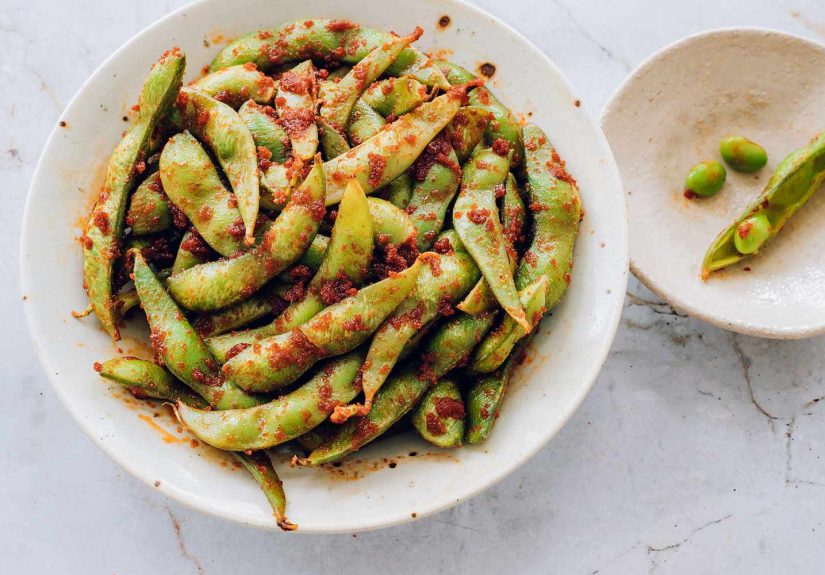
“Angry edamame” is a popular twist on classic steamed edamame: same tender beans, but coated in a bold,
savory-spicy sauceusually featuring garlic, chili heat, soy sauce (or tamari), and sesame. Think of it as
spicy garlic edamame with a better PR team.
Ingredients for Angry Edamame
The edamame
- 1 pound edamame in pods (fresh or frozen) or 12–16 oz shelled edamame
- Kosher salt (for boiling/steaming water, plus finishing)
The angry sauce (fast, glossy, and flexible)
- 1 tablespoon neutral oil (avocado, canola, grapeseed)
- 1 teaspoon toasted sesame oil (for that nutty “restaurant” vibe)
- 4–6 cloves garlic, minced (yes, really)
- 1–2 teaspoons grated fresh ginger (optional but highly recommended)
- 2 tablespoons chili-garlic sauce (or sambal oelek, or sriracha + extra garlic)
- 1–2 teaspoons gochujang (optional for deeper, slightly sweet heat)
- 1 1/2 tablespoons soy sauce (or tamari for gluten-free)
- 1 tablespoon rice vinegar (or lime juice for a brighter finish)
- 1–2 teaspoons honey or brown sugar (optional, balances heat)
- 1/2 teaspoon red pepper flakes (optional “extra credit” heat)
- 2 tablespoons water (helps the sauce coat evenly)
Finishers (choose your favorites)
- Sesame seeds (toasted if you’re feeling fancy)
- Sliced scallions
- Chili crisp (for crunch + drama)
- Lime wedges
Angry Edamame Recipe: Step-by-Step
Time: 10–15 minutes | Serves: 4 as an appetizer
-
Cook the edamame.
Bring a pot of salted water to a boil. Add edamame (in pods or shelled) and cook until hot and tender,
usually 3–5 minutes for most frozen edamame. Drain well.
Tip: If your edamame is in pods, keep them intactangry sauce clings beautifully to the outside. -
Dry it (quickly).
Shake the colander and let steam escape for a minute. Drier edamame = better sauce cling and less “watery sadness.” -
Wake up the aromatics.
In a large skillet over medium heat, add neutral oil and toasted sesame oil. Add garlic (and ginger, if using).
Stir for 30–60 seconds until fragrantdon’t brown it unless you enjoy garlic that tastes like regret. -
Build the sauce.
Stir in chili-garlic sauce, gochujang (if using), soy sauce, rice vinegar (or lime), honey/brown sugar (if using),
red pepper flakes (if using), and water. Simmer for 30–60 seconds until glossy. -
Toss and coat.
Add drained edamame to the skillet. Toss for 1–2 minutes until everything is shiny and evenly coated.
If the pan looks dry, splash in 1–2 teaspoons water. If it looks too loose, simmer another 30 seconds. -
Finish like you mean it.
Sprinkle with sesame seeds and scallions. Add chili crisp if you want crunch. Serve immediately with lime wedges
and a dedicated “discard bowl” for pods.
How to Eat Edamame Without Looking Confused
If you used edamame in pods, the pods are not meant to be eaten (they’re tough and fibrous).
Pick up a pod, put it to your lips, and gently squeeze the beans out with your teeth. The salty-spicy coating hits
first, then the beans pop out like tiny green confetti. Discard the empty pods in a bowl and repeat until happiness occurs.
Spice Level Guide: Choose Your Angry
Mild (Friendly Angry)
- Use 1 tablespoon chili-garlic sauce
- Skip red pepper flakes
- Add 2 teaspoons honey
Medium (Classic Restaurant Spicy Edamame)
- Use 2 tablespoons chili-garlic sauce
- Add 1 teaspoon gochujang
- Finish with lime
Hot (Angry With a Megaphone)
- Use 2 tablespoons chili-garlic sauce + 2 teaspoons gochujang
- Add red pepper flakes
- Finish with chili crisp
Variations That Still Count as Angry Edamame
1) Chili Powder “Quick Angry”
Want the fastest version? Toss hot edamame with sesame oil, a pinch of salt, chili powder, and garlic powder.
It’s the “I have five minutes and a personality” option.
2) Teriyaki-Heat Hybrid
Swap half the soy sauce for teriyaki sauce and reduce the sweetener. You’ll get a glossy sweet-savory base with
a spicy edgelike a friendly handshake that turns into a thumb-wrestling match.
3) Buttered Garlic Angry Edamame
If you want richer flavor, melt 1 tablespoon butter (or plant butter) into the sauce at the end.
It turns the whole situation silky and slightly indulgentstill spicy, just wearing nicer shoes.
4) Lemon-Garlic Heat
Skip rice vinegar and finish with lemon zest + lemon juice. This version tastes extra bright and pairs especially
well with grilled fish, rice bowls, or “I forgot to make a vegetable side dish” dinners.
Serving Ideas
- Sushi night starter: Put angry edamame out first so nobody snacks on the soy sauce packets.
- Ramen side: Great next to broth-heavy meals; the spice cuts through richness.
- Party snack board: Add pickled veggies, peanuts, and cold beer (or sparkling water with lime).
- Weekday upgrade: Serve alongside rice and a simple cucumber salad for a quick “assembled” dinner.
Tips for Restaurant-Style Spicy Edamame
- Don’t drown the beans. The sauce should coat, not pool. Start with less water; add more only if needed.
- Use toasted sesame oil wisely. It’s powerful. A little adds aroma; too much tastes like you spilled a candle.
- Cooked edamame first, sauce second. Edamame doesn’t need long in the skilletjust enough to get glossy and hot.
- Balance is everything. If it’s too salty, add lime. Too spicy, add a touch of honey. Too flat, add vinegar.
Storage and Make-Ahead
Angry edamame is best right after tossinghot, glossy, and smug about it. But you can still prep smart:
- Make-ahead sauce: Mix the sauce ingredients (except water) and refrigerate up to 3 days. Cook when ready.
- Leftovers: Store in an airtight container and reheat in a skillet with a splash of water to revive the gloss.
- Pro move: Leftover shelled edamame is excellent tossed into fried rice, salads, or noodle bowls.
Nutrition and Dietary Notes
- Protein + fiber: Edamame is a solid plant-based option that’s filling and snack-friendly.
- Gluten-free: Use tamari or certified gluten-free soy sauce.
- Lower sodium: Choose reduced-sodium soy sauce and lean on citrus + vinegar for flavor.
- Allergens: Edamame is soy. If you’re serving a crowd, flag it clearly.
Angry Edamame FAQ
Can I use shelled edamame instead of pods?
Yes. Shelled edamame is less messy and easier for bowls and meal prep. Pods feel more “appetizer-ish” and are fun
for snacking (plus they hold onto sauce like champs).
What if I don’t have chili-garlic sauce?
Use sriracha, sambal oelek, gochujang, or even crushed red pepper flakes + a little extra garlic. The flavor changes,
but the anger remains.
Is angry edamame very spicy?
It can beby design. That’s why the recipe includes optional sweetener, citrus, and a “choose your angry” guide.
You’re in charge of the heat level.
Real-Life Experiences and Lessons from Making Angry Edamame (So Yours Turns Out Great)
Since angry edamame is a “small recipe,” people expect it to be foolproof. And it mostly isuntil the first time
you make it for friends and realize one person loves nuclear spice, one person is heat-sensitive, and someone else
tries to eat the pod like it’s a green potato chip. Here are common experiences home cooks run into, plus what to do.
1) The “Why is it watery?” moment. A classic: you boil the edamame, drain it, toss it into the skillet,
and suddenly the sauce looks thinner than you planned. The fix is almost always the samelet steam escape for a minute
after draining, and keep the sauce simmer brief and glossy before adding the beans. A small splash of water helps
distribute sauce, but too much turns your skillet into spicy soup. If it happens, just keep tossing over medium heat
for another 30–60 seconds; the sauce usually tightens back up.
2) The “I burned the garlic” lesson. Garlic goes from fragrant to bitter faster than a group chat after
someone says “let’s split the check evenly.” If your pan is too hot, the garlic browns instantly and your sauce tastes
harsh. Most cooks solve this the next time by lowering the heat, stirring constantly, and adding wet ingredients
(soy, vinegar, chili sauce) quickly to stop browning. If you suspect your garlic is heading toward burnt territory,
add a splash of water immediately and move onrescue mission engaged.
3) The “too spicy to enjoy” surprise. Heat tolerance varies wildly. One cook’s “medium” is another
cook’s “call for backup.” The practical experience here is that sweetness and acid are your best friends. A teaspoon
of honey or brown sugar rounds sharp heat, while lime or rice vinegar brightens flavors and makes spice feel less heavy.
If you’ve already tossed the edamame and it’s too hot, squeeze lime over it and add a pinch more saltcounterintuitive,
but it helps the flavors taste intentional instead of accidental.
4) The party snack victory. Angry edamame tends to disappear fast at gatherings because it’s interactive:
people snack, talk, and keep reaching for “just one more pod.” Cooks who’ve made it for a crowd often learn to set out
a second empty bowl for shells (non-negotiable) and to double the batch if there are more than four adults in the room.
It’s also a great “first-food” while you’re finishing the rest of dinnereveryone’s happy, and you buy yourself time.
5) The weeknight shortcut that actually works. Many people end up making spicy edamame on repeat because
it’s faster than most appetizers and uses pantry staples. A common routine: microwave-steam frozen edamame while the
skillet heats, then toss in the sauce and serve. It’s not “cheating”; it’s efficiency. The experience you’ll notice
is that the sauce matters more than the cooking methodget the garlic + chili + soy + sesame balance right, and it
tastes restaurant-worthy even on a Tuesday.
6) The leftover glow-up. If you have shelled edamame left, don’t treat it like sad leftovers. People
who meal-prep quickly discover it’s excellent in fried rice, stir-fries, and noodle bowls because it’s already seasoned.
Toss it into a salad for extra protein, or mix it into rice with cucumbers and a drizzle of sesame oil for a fast lunch.
If you used pods, leftovers are still finejust reheat in a skillet with a teaspoon of water and a quick squeeze of citrus
to bring back the fresh punch.
The big takeaway from all these experiences: angry edamame is forgiving, but it rewards small details. Dry the beans,
don’t scorch the garlic, balance heat with acid and a touch of sweet, and alwaysalwaysprovide a shell bowl. Your snack
will be spicy, glossy, and proudly loud about it.
Conclusion
This angry edamame recipe is the kind of snack that feels special without demanding a ton of effort. You get salty,
garlicky, chili heat in every bite, plus endless ways to customizefrom gochujang depth to chili crisp crunch. Keep it
mild for easy snacking, or crank it up for a bold spicy edamame appetizer that tastes straight out of your favorite
Japanese restaurant. Either way, it’s fast, fun, and guaranteed to start a little table envy.